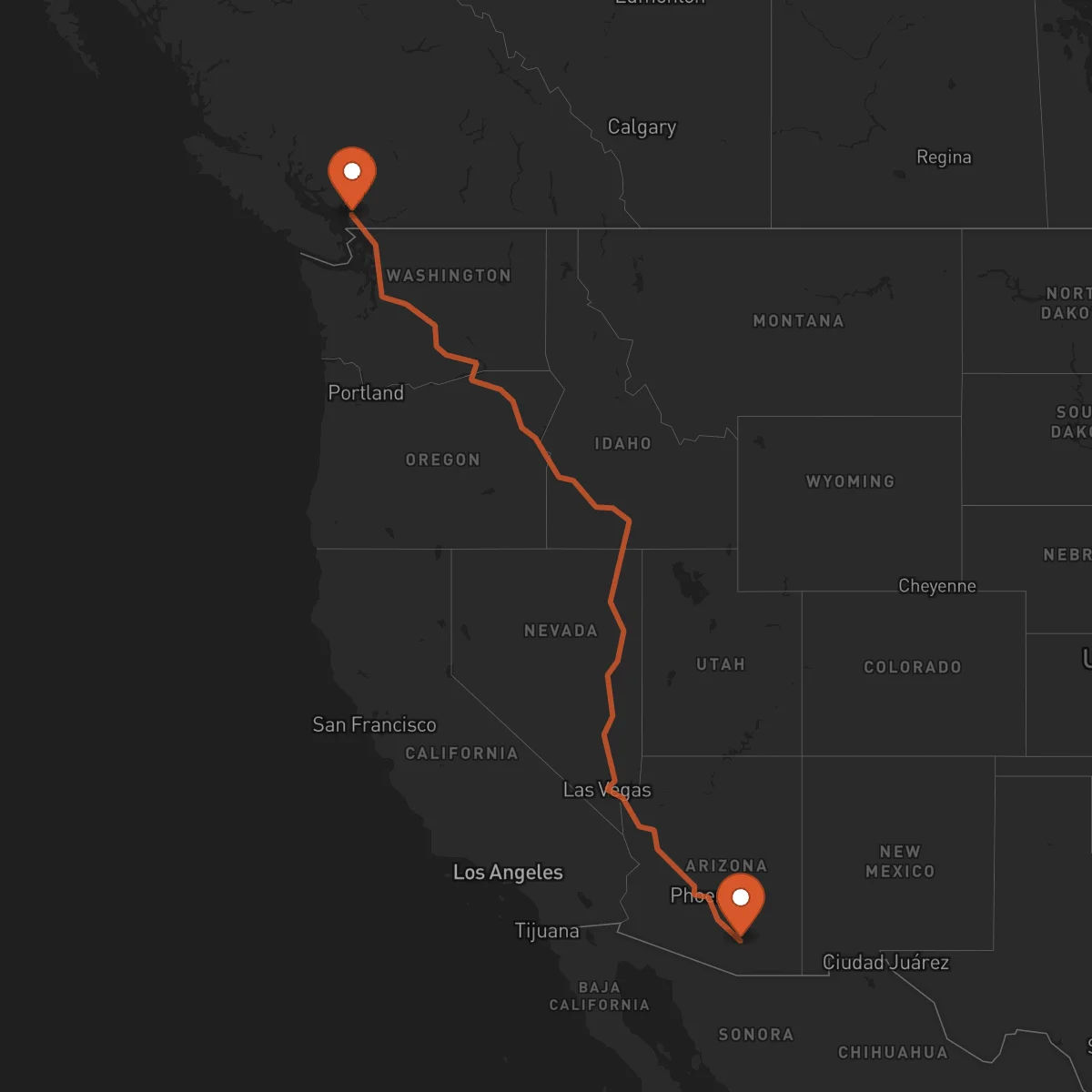
Tucson to Vancouver
Vancouver → TucsonFTL freight transportation service between Tucson and Vancouver. Reliable logistics solutions for your business.
Route Description
Everything you need to know about the corridor Tucson - Vancouver
The Tucson to Vancouver corridor represents a vital logistics artery connecting the southern United States with Canada's Pacific gateway. This cross-border route spans approximately 2,146 kilometers, traversing diverse landscapes and economic regions that make it essential for North American supply chains. The corridor links Arizona's industrial centers with British Columbia's major port facilities, creating a seamless connection between manufacturing hubs and international trade gateways.
The economic significance of this route is underscored by the complementary industrial profiles of both regions. Tucson serves as a strategic logistics hub with strong aerospace, defense, and technology sectors, while Vancouver functions as Canada's primary Pacific port city with extensive maritime connections to Asia. This creates a natural flow of goods ranging from high-tech components and automotive parts to agricultural products and consumer goods. The corridor particularly benefits industries requiring expedited cross-border transportation, such as electronics manufacturing, automotive supply chains, and just-in-time inventory systems.
Transportation infrastructure along this route includes major interstate highways like I-5 and I-15, providing reliable and efficient freight movement. Key border crossings, including those near Seattle, facilitate smooth customs clearance and minimize transit delays. Control Terrestre leverages this infrastructure through our network of certified transportation providers, offering full truckload services that ensure cargo moves efficiently across international boundaries while maintaining compliance with all customs regulations and security requirements.
Services for this Route
Available services for the corridor Tucson - Vancouver
 Origin
Tucson
Tucson, Arizona serves as a strategic logistics hub in the southwestern United States, offering exceptional connectivity to major markets across North America. The city's location provides direct access to Interstate 10, linking it to Los Angeles, Phoenix, and the broader Mexican border region. Tucson's economy is anchored by aerospace and defense industries, with major employers including Raytheon Missiles & Defense and the Davis-Monthan Air Force Base. The region also boasts a growing technology sector and serves as a distribution center for agricultural products from southern Arizona. Transportation infrastructure includes Tucson International Airport, extensive rail connections through Union Pacific, and modern highway systems that facilitate efficient freight movement throughout the region.
 Destination
Vancouver
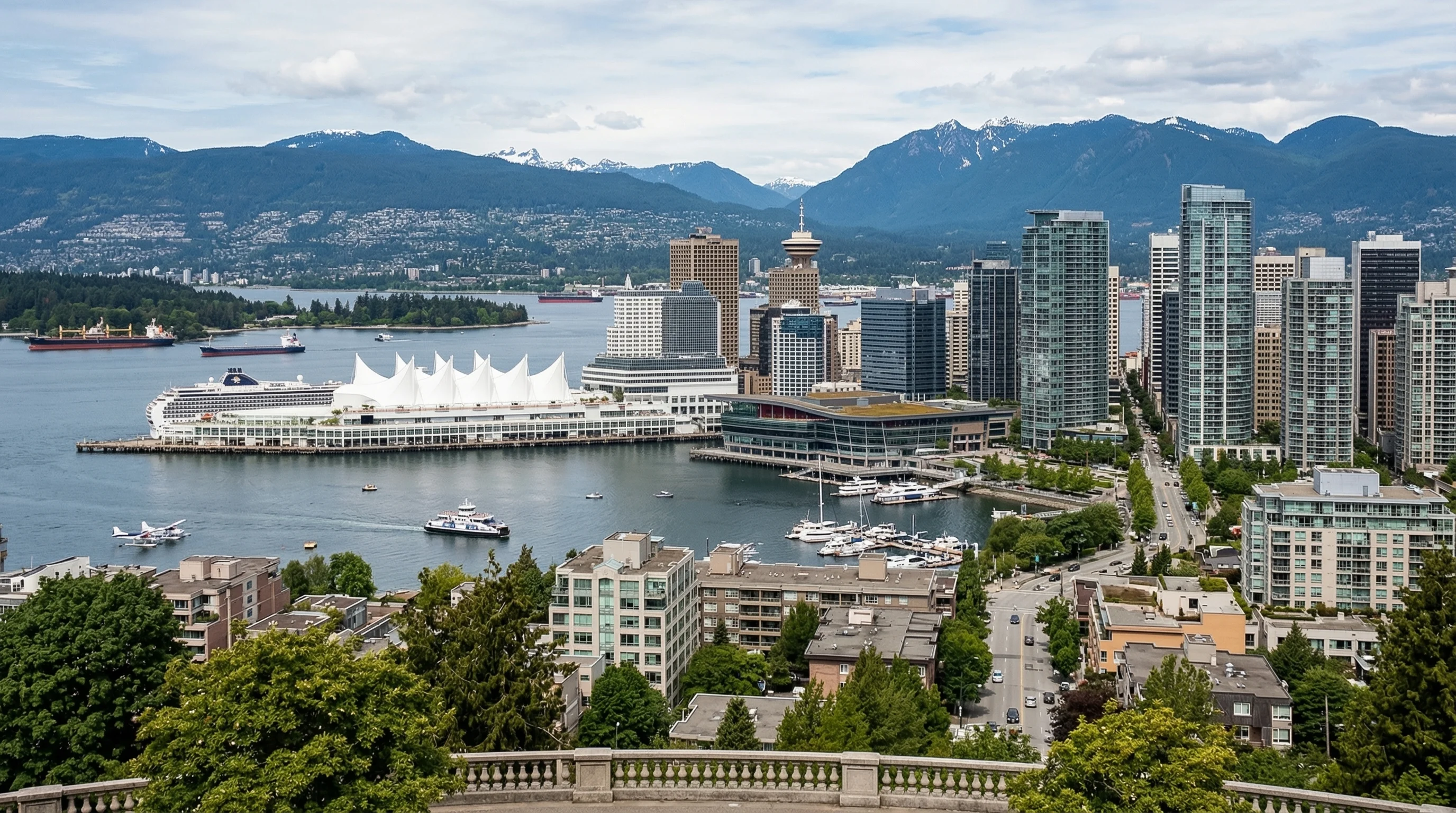
Vancouver, British Columbia stands as Canada's primary Pacific gateway and one of North America's most important port cities. Strategically located on the west coast, Vancouver provides direct access to Asian markets through the Port of Vancouver, Canada's largest and busiest port. The city's economy is diverse, with strong sectors in technology, film production, natural resources, and international trade. Vancouver's Port Metro handles over $240 billion in annual trade, making it crucial for import-export operations. The region benefits from excellent transportation infrastructure, including Vancouver International Airport, extensive rail networks operated by Canadian National and Canadian Pacific, and modern highway systems that connect to the U.S. border and interior Canadian markets.










