Tucson to Surrey
Surrey → TucsonFTL freight transportation service between Tucson and Surrey. Reliable logistics solutions for your business.
Route Description
Everything you need to know about the corridor Tucson - Surrey
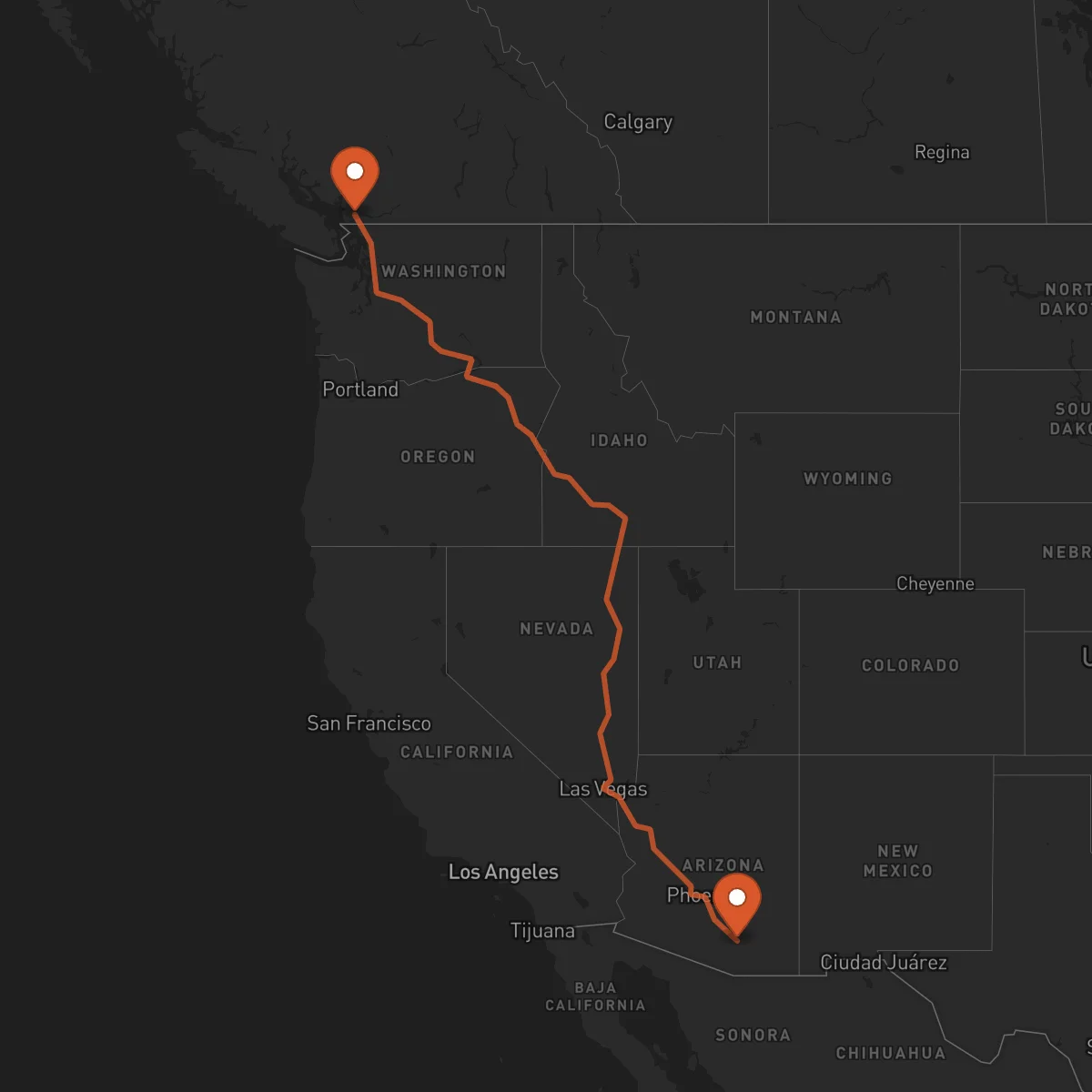
The Tucson to Surrey corridor represents a critical logistics route connecting the Sonoran Desert region of Arizona with the Fraser Valley in British Columbia. This 2,127-kilometer cross-border corridor facilitates the movement of goods between the United States and Canada through major transportation hubs. The route traverses diverse landscapes, from the arid Southwest through the Pacific Northwest, crossing at key border points that serve as gateways for North American trade.
The economic significance of this corridor is substantial, linking two dynamic regions with complementary industrial bases. Tucson serves as a distribution center for southwestern markets, while Surrey functions as a major logistics hub for Western Canada. This connection supports the seamless flow of goods between the U.S. manufacturing heartland and Canadian consumer markets, particularly benefiting industries that require temperature-controlled transportation due to the varying climate zones along the route.
Major transportation infrastructure along this corridor includes Interstate 10 and Interstate 15 in the United States, transitioning to British Columbia Highway 1 in Canada. The route strategically connects with key border crossings such as the Peace Arch and Pacific Highway crossings, which are equipped with modern customs facilities to expedite cross-border freight movement. These infrastructure elements ensure reliable transit times and efficient cargo handling throughout the journey.
Control Terrestre specializes in managing the complexities of this cross-border corridor, offering dedicated FTL services that ensure your cargo moves efficiently from origin to destination. Our expertise in customs documentation, border procedures, and temperature-controlled transportation makes us the ideal partner for companies requiring reliable freight movement between Tucson and Surrey. We handle all logistical challenges, allowing you to focus on your core business operations.
Services for this Route
Available services for the corridor Tucson - Surrey
 Origin
Tucson
Tucson, Arizona serves as a strategic logistics hub in the southwestern United States, benefiting from its location near major transportation corridors and the U.S.-Mexico border. The city's infrastructure includes extensive highway networks, with Interstate 10 providing direct connections to major markets across the southern United States. Tucson's logistics ecosystem features modern warehousing facilities, distribution centers, and intermodal terminals that support efficient freight operations.
The region's economy is diverse, with strong sectors in aerospace and defense, optics and photonics, and advanced manufacturing. Tucson is also a growing center for technology companies and serves as a distribution point for agricultural products from southern Arizona. The city's proximity to the border creates opportunities for cross-border trade, making it an ideal origin point for freight moving north to Canada.
 Destination
Surrey
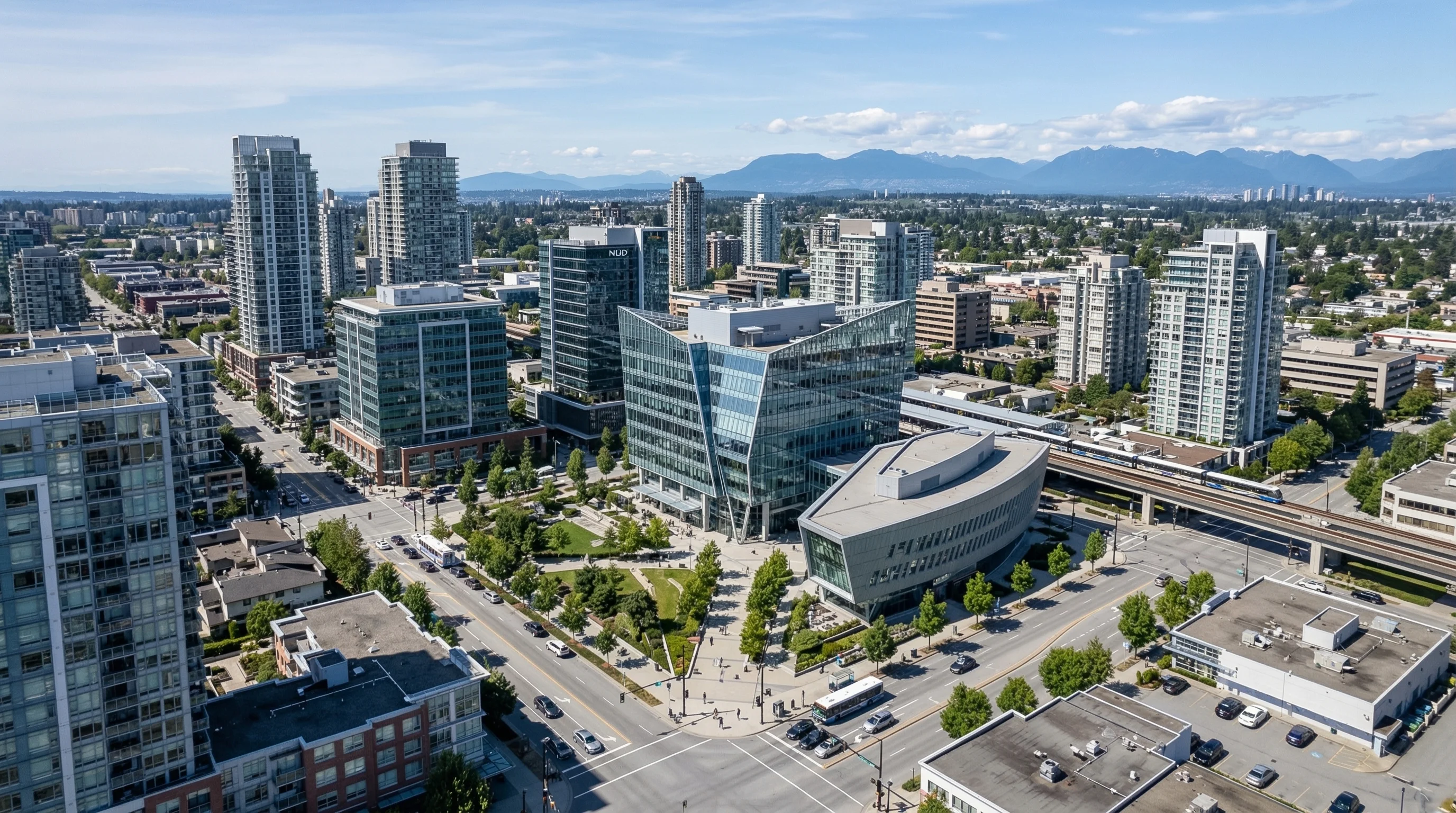
Surrey, British Columbia is a major logistics and distribution center in Western Canada, strategically located in the heart of the Fraser Valley just south of Vancouver. The city benefits from proximity to the Port of Vancouver, Canada's largest port, and is well-connected to major transportation routes including Highway 1 and the U.S. border crossings. Surrey's infrastructure includes modern warehousing facilities, distribution centers, and industrial parks designed to support efficient freight operations.
The local economy is characterized by strong manufacturing, technology, and logistics sectors. Surrey has developed as a key distribution point for goods entering Western Canada, with a particular focus on e-commerce fulfillment and last-mile delivery services. The city's growing population and economic development have created increased demand for efficient freight transportation, making it a critical destination for cross-border supply chains.










