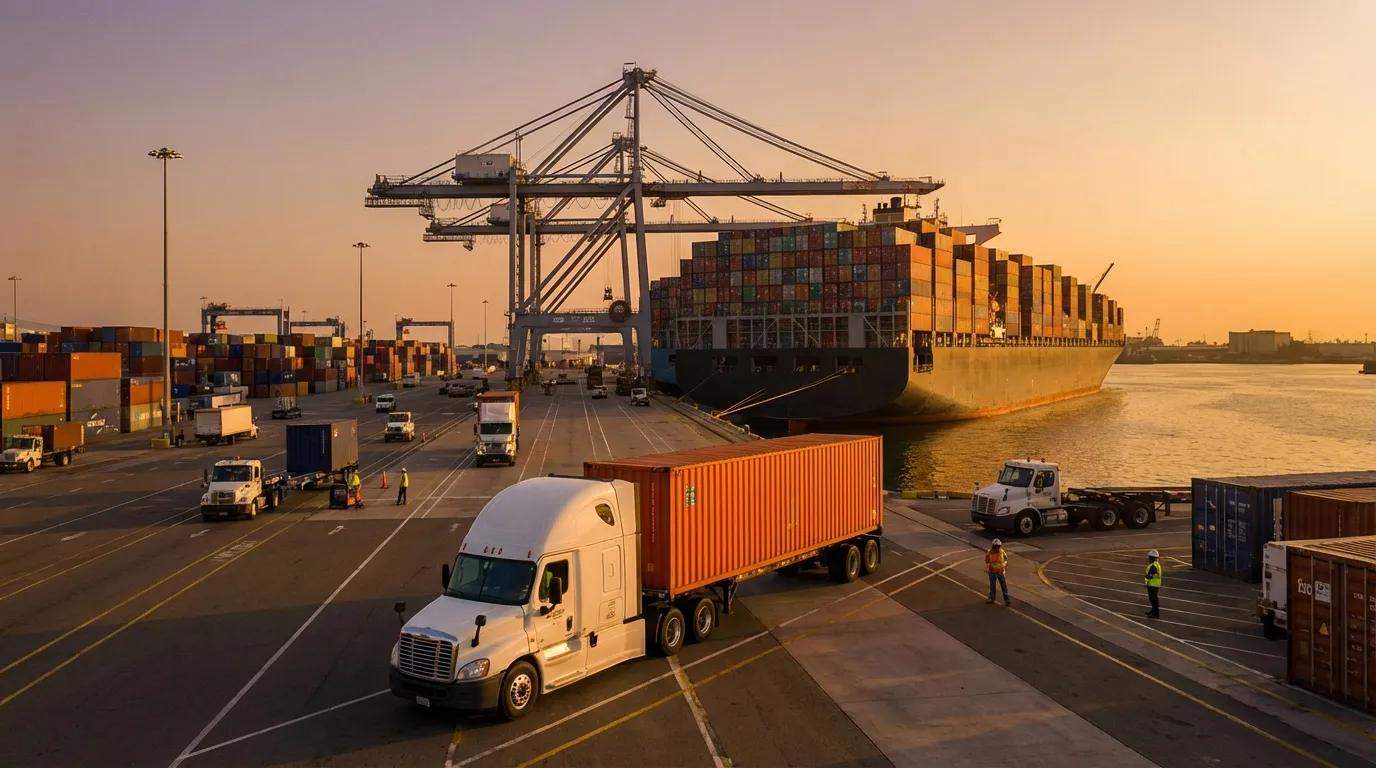
Multimodal Transport
Reduce logistics costs up to 30% by combining road and rail. Same service level, better pricing on long-distance routes.







Strategic combination of truck, rail and maritime transport according to the optimal route.
Up to 30% reduction in transportation costs leveraging rail efficiency.
Ideal for high-volume cargo that can take advantage of rail economies of scale.
Rail generates 75% less CO₂ emissions per ton-kilometer than road transport.
Your account executive coordinates all transport modes and transfer points.
Unified tracking of your cargo regardless of the transport mode at each stage.
Optimized routes on the main commercial corridors of Mexico and North America.
We adapt the mode combination according to your delivery times and specific requirements.
Optimize costs with multimodal transport
If you move large volumes on long-distance routes paying 100% road transport, you're leaving money on the table. Rail moves more tons for less cost and generates less CO₂ emissions per ton-kilometer.
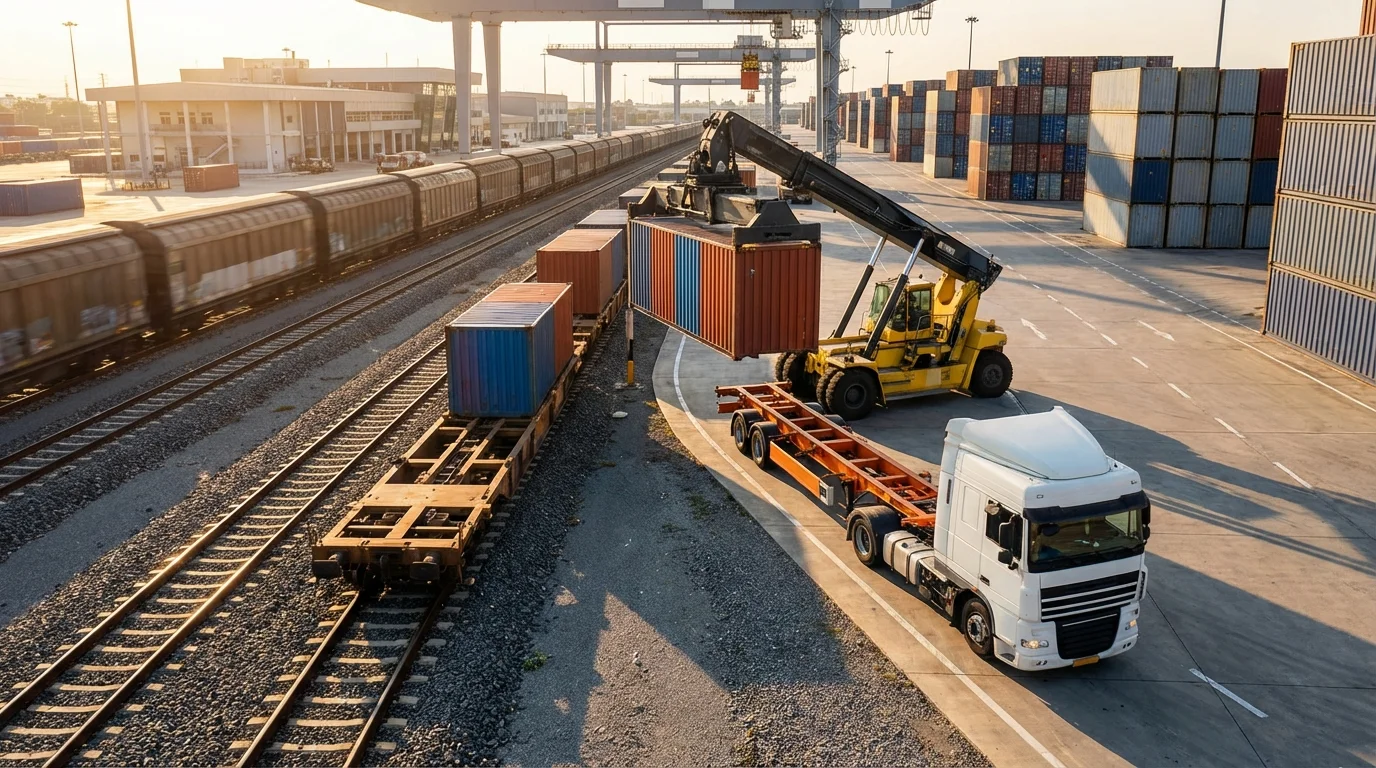
We combine road and rail intelligently: you get the flexibility of truck for first and last mile, with the economy of train on the long-distance main leg.
How it works:
- Pickup at your origin by ground transport
- Transfer to intermodal terminal
- Main leg by rail
- Final delivery by road at destination
It's for you if:
- You move large volumes on a recurring basis
- Your deliveries have some flexibility in timing (no same-day required)
- You're looking to reduce logistics costs without sacrificing reliability
- You're interested in reducing the carbon footprint of your supply chain
Advantages and main corridors
Why consider multimodal transport?
Cost savings: Rail is significantly more efficient for moving large volumes over long distances. One train can transport the equivalent of hundreds of trucks. For cargo without immediate delivery needs, multimodal can represent savings of 20% to 35%.
Sustainability: Rail generates approximately 75% fewer CO₂ emissions per ton-kilometer than road transport. It directly contributes to reducing your supply chain's carbon footprint.
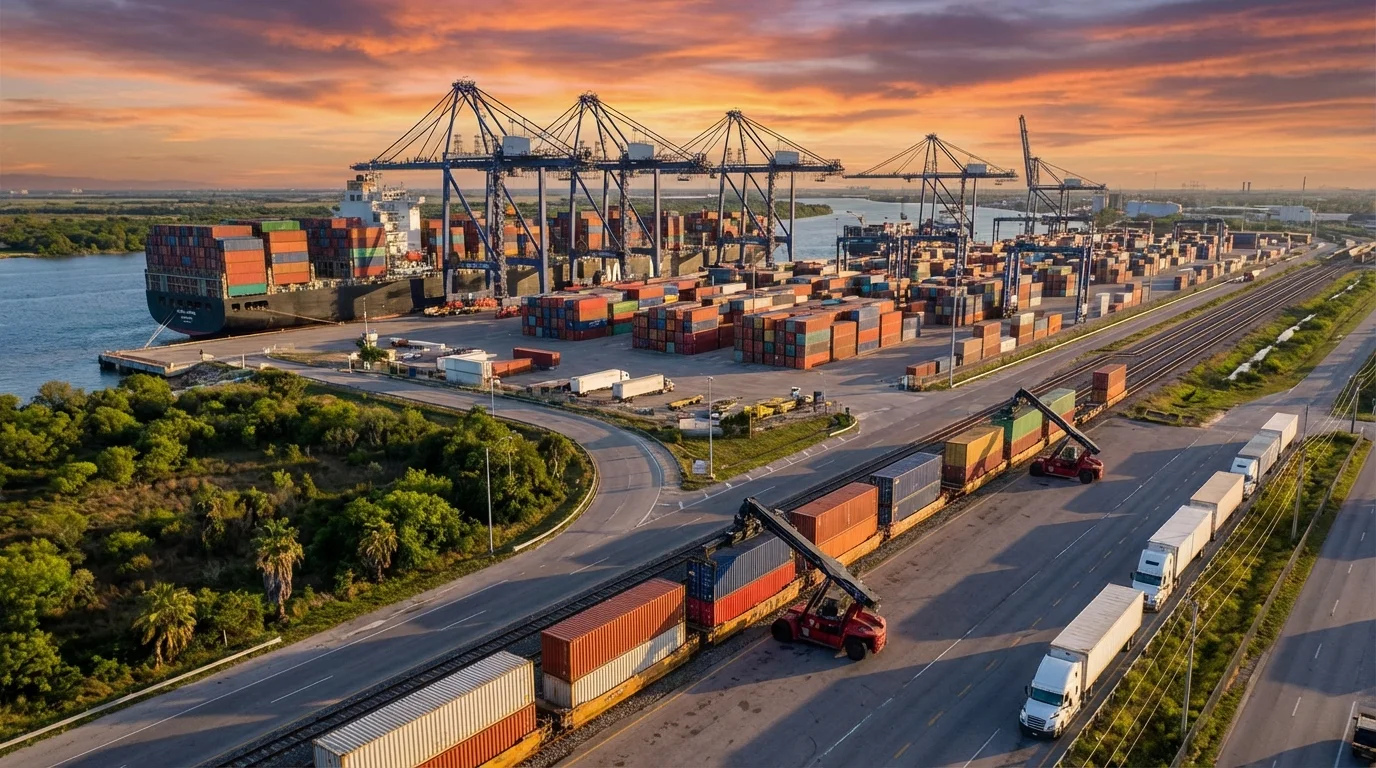
Main intermodal corridors in Mexico:
- Lázaro Cárdenas - Bajío - North: Connects the port with Querétaro, San Luis Potosí, Monterrey and the northern border
- Veracruz - Central - North: Links Veracruz port with Mexico City, Bajío and northern Mexico
- Manzanillo - Guadalajara - Central: Connects the port with western and central Mexico
- Cross-border corridor: Rail connections with the USA via Laredo, Eagle Pass, El Paso and Nogales
When does multimodal make sense?
- Long distances (more than 800-1000 km)
- Recurring volumes that allow planning
- Timing flexibility (3-5 days advance notice)
- When freight represents a significant part of your product cost
We analyze your current cargo flows and present a proposal with concrete numbers: candidate routes, projected savings and comparative transit times.


