Vancouver to Tucson
Tucson → VancouverFTL freight transportation service between Vancouver and Tucson. Reliable logistics solutions for your business.
Route Description
Everything you need to know about the corridor Vancouver - Tucson
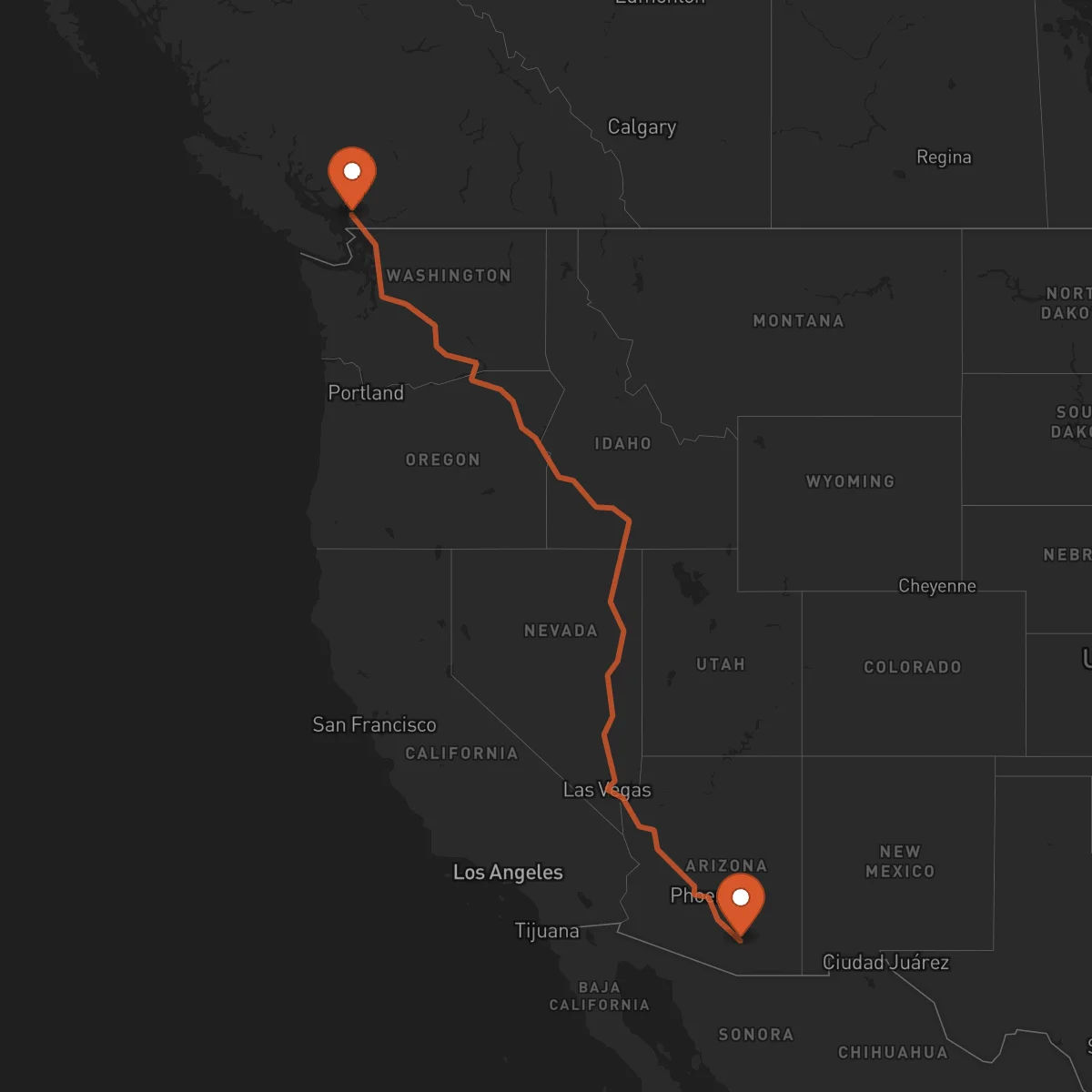
The Vancouver-Tucson corridor represents a vital logistics connection between Canada and the United States, spanning approximately 2,146 kilometers through diverse terrain and crossing multiple states. This north-south route traverses British Columbia, Washington, Oregon, California, and Arizona, connecting the Pacific Northwest with the Southwest United States. The corridor serves as a critical trade artery for industries requiring efficient cross-border transportation between these two major North American economies.
The Vancouver-Tucson route facilitates the movement of goods between Canada's Pacific gateway and Arizona's growing industrial centers. Vancouver's port and manufacturing sectors complement Tucson's aerospace, defense, and technology industries, creating a complementary trade relationship. This corridor experiences significant freight volumes in automotive parts, electronics, industrial machinery, and agricultural products, with seasonal variations in produce shipments moving in both directions.
Major transportation infrastructure along this corridor includes Interstate 5 through Washington and Oregon, transitioning to Interstate 10 through California and Arizona. The primary border crossing at Blaine, Washington (Peace Arch and Pacific Highway) offers efficient processing for commercial vehicles. Control Terrestre's expertise in cross-border operations ensures seamless customs clearance and compliance with both US and Canadian regulations, minimizing delays and maintaining supply chain continuity. Our network of trusted carriers provides dedicated full truckload services, offering the reliability and capacity needed for this extensive cross-border journey.
Services for this Route
Available services for the corridor Vancouver - Tucson
 Origin
Vancouver
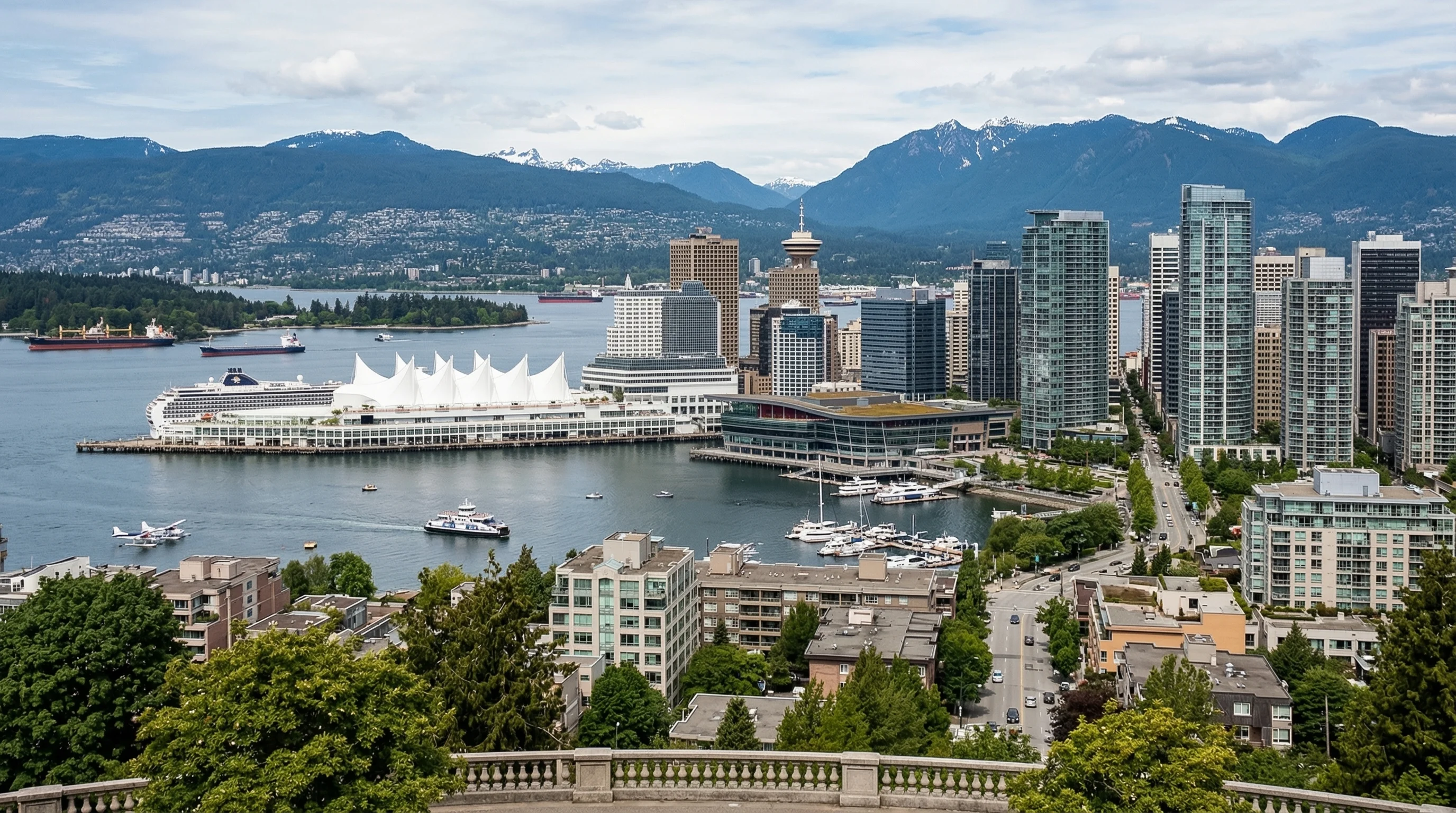
Vancouver, located on Canada's Pacific coast in British Columbia, serves as a strategic logistics hub with its deep-water port, extensive rail connections, and proximity to major Asian trade routes. The city's economy is diverse, with strong sectors in technology, film production, natural resources, and manufacturing. Vancouver's port facilities handle significant volumes of containerized cargo, making it a crucial gateway for goods entering and exiting Canada. The region's transportation infrastructure includes multiple highways connecting to the United States, including the Trans-Canada Highway and Highway 99, which lead to key border crossings.
 Destination
Tucson
Tucson, situated in southern Arizona, offers strategic advantages as a logistics destination with its proximity to the US-Mexico border and its role as a distribution center for the southwestern United States. The city's economy is anchored by aerospace and defense industries, with major employers including Raytheon and Davis-Monthan Air Force Base. Tucson's transportation infrastructure features Interstate 10, which provides direct connections to major markets across the southern United States. The city's Sky Harbor Airport and rail connections complement its highway network, supporting efficient distribution operations.










