Detroit to Montreal
Montreal → DetroitFTL freight transportation service between Detroit and Montreal. Reliable logistics solutions for your business.
Route Description
Everything you need to know about the corridor Detroit - Montreal
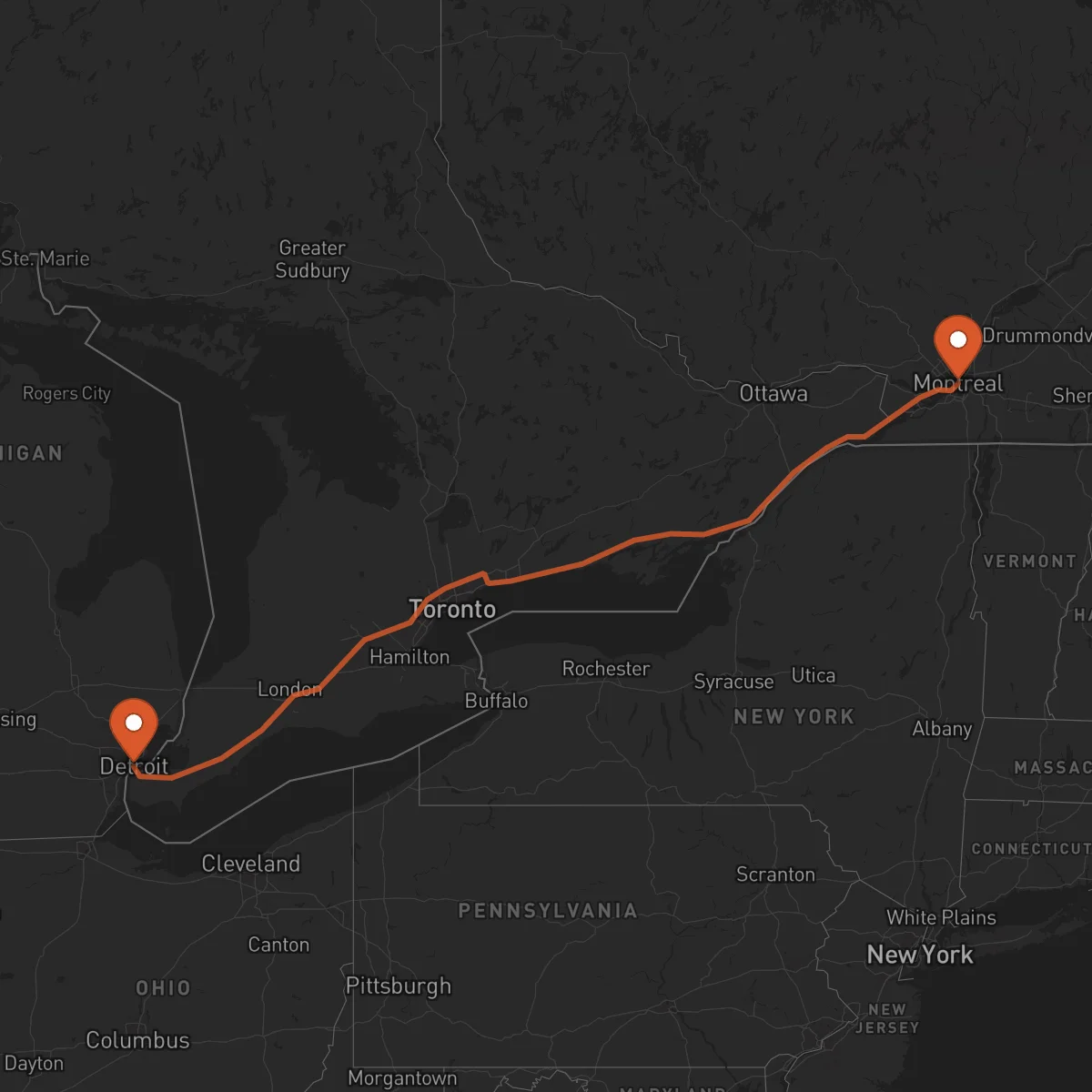
The Detroit-Montreal corridor represents a vital trade link between the United States and Canada, spanning approximately 836 kilometers through the Great Lakes region and into Quebec. This cross-border route connects two major economic centers, facilitating the movement of goods between the automotive heartland of Michigan and the industrial and commercial hub of Montreal. The corridor is characterized by its strategic importance in North American supply chains, particularly for industries requiring just-in-time delivery and temperature-controlled transportation.
The region's economic landscape is dominated by automotive manufacturing, with Detroit serving as the center of the U.S. auto industry and Montreal hosting numerous automotive suppliers and assembly plants. Additionally, the corridor supports pharmaceutical distribution, aerospace components, and consumer goods manufacturing. The transportation infrastructure includes major highways such as I-75, I-94, and Autoroute 20, providing efficient connectivity between these key markets.
Cross-border operations require careful coordination, with the Detroit-Windsor crossing being the busiest commercial land border crossing in North America. Control Terrestre facilitates seamless operations on this corridor through our extensive network of certified carriers, expertise in customs documentation, and real-time tracking capabilities. Our team ensures compliance with all cross-border regulations while maintaining the efficiency and reliability that our clients expect for their full truckload shipments.
Services for this Route
Available services for the corridor Detroit - Montreal
 Origin
Detroit
Detroit, Michigan serves as a strategic logistics hub in the Midwest, positioned at the heart of the U.S. automotive industry. The city's location provides direct access to major manufacturing centers and distribution networks throughout the Great Lakes region. Detroit's extensive transportation infrastructure includes multiple interstate highways, rail connections, and proximity to major ports on the Great Lakes, making it an ideal origin point for freight moving in all directions. The city's industrial base encompasses automotive manufacturing, aerospace components, and advanced manufacturing, supported by a skilled workforce and established supplier networks.
 Destination
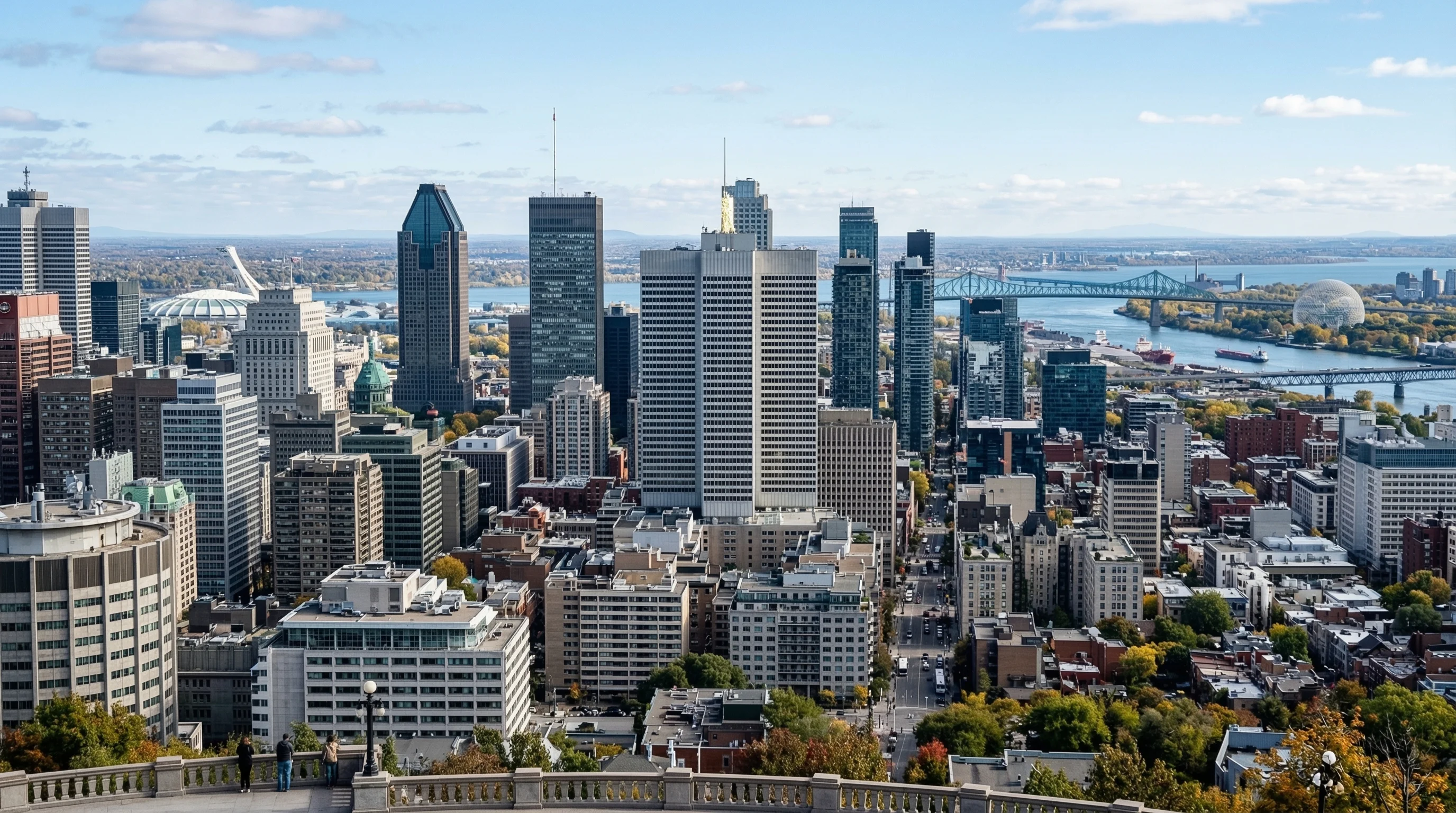
Montreal, Quebec stands as Canada's largest inland port and a major logistics gateway to Eastern Canada and international markets. The city's strategic location at the confluence of major rail lines, highways, and the St. Lawrence Seaway creates a multimodal transportation hub that efficiently connects North American markets with global trade routes. Montreal's diverse economy includes aerospace manufacturing, pharmaceutical production, technology, and financial services, all requiring sophisticated logistics solutions. The metropolitan area's extensive warehousing and distribution facilities, combined with its proximity to major Canadian and U.S. markets, make it an ideal destination for full truckload freight operations.










