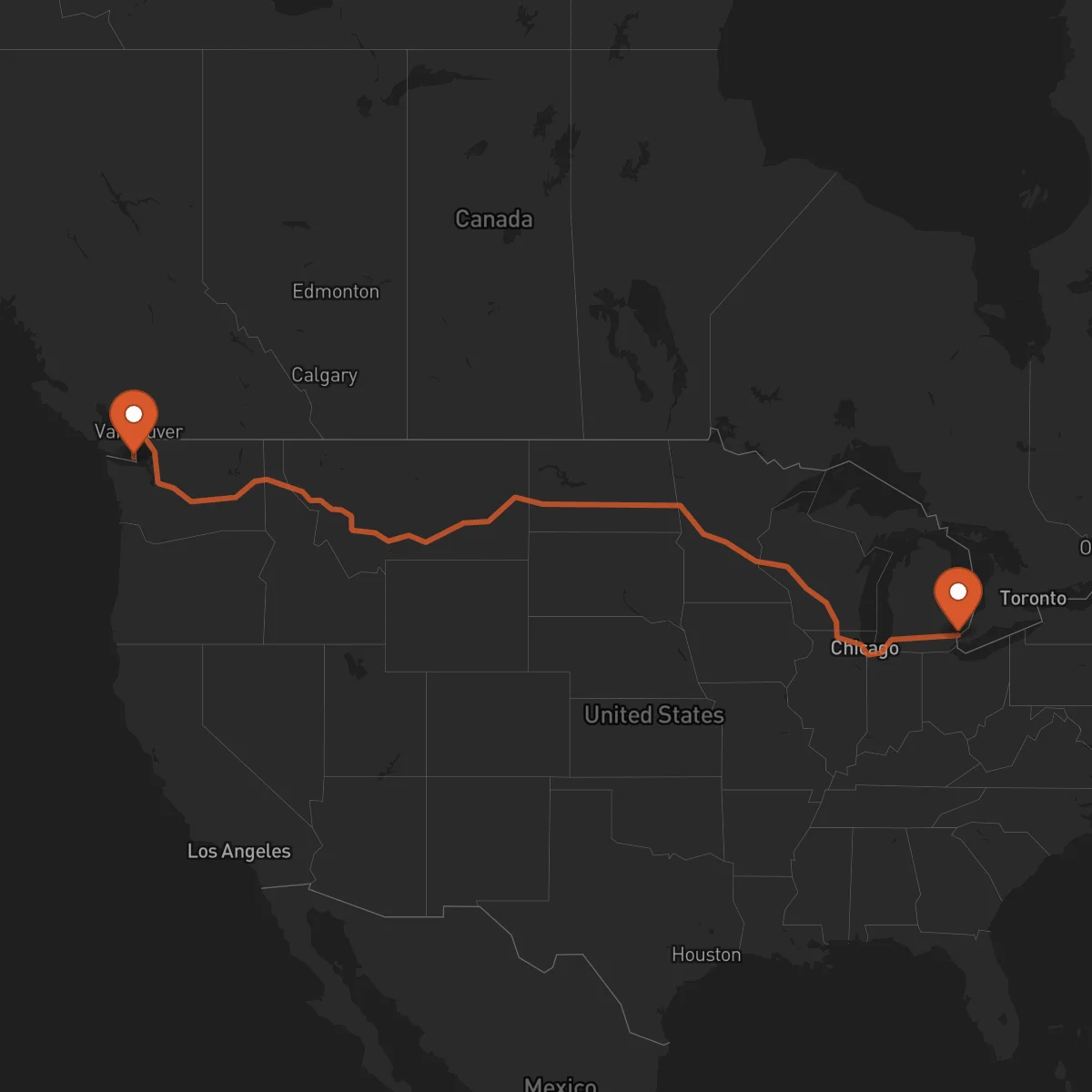
Detroit to Victoria
Victoria → DetroitFTL freight transportation service between Detroit and Victoria. Reliable logistics solutions for your business.
Route Description
Everything you need to know about the corridor Detroit - Victoria
The Detroit to Victoria corridor represents a critical logistics link connecting the industrial heartland of the United States with the Pacific Northwest region of Canada. This cross-border route spans approximately 3,183 kilometers, traversing diverse terrain and multiple jurisdictions. The corridor serves as a vital artery for North American trade, facilitating the movement of goods between major manufacturing centers and the growing markets of Western Canada.
The economic significance of this corridor cannot be overstated. Detroit, known as the automotive capital of the world, produces a vast array of manufactured goods, automotive parts, and industrial equipment. Victoria, while geographically isolated on Vancouver Island, serves as a gateway to Asian markets and supports a robust economy based on technology, tourism, and natural resources. The corridor enables seamless supply chain integration between these distinct economic regions.
Key industries utilizing this transportation route include automotive manufacturing, aerospace, electronics, and consumer goods. The corridor accommodates specialized freight such as hazardous materials, oversized equipment, and temperature-sensitive products. Major highways including I-75, I-5, and various Canadian routes form the backbone of this transportation network. Control Terrestre leverages this infrastructure to provide reliable, full truckload services that ensure timely delivery of critical cargo across this extensive route.
Services for this Route
Available services for the corridor Detroit - Victoria
 Origin
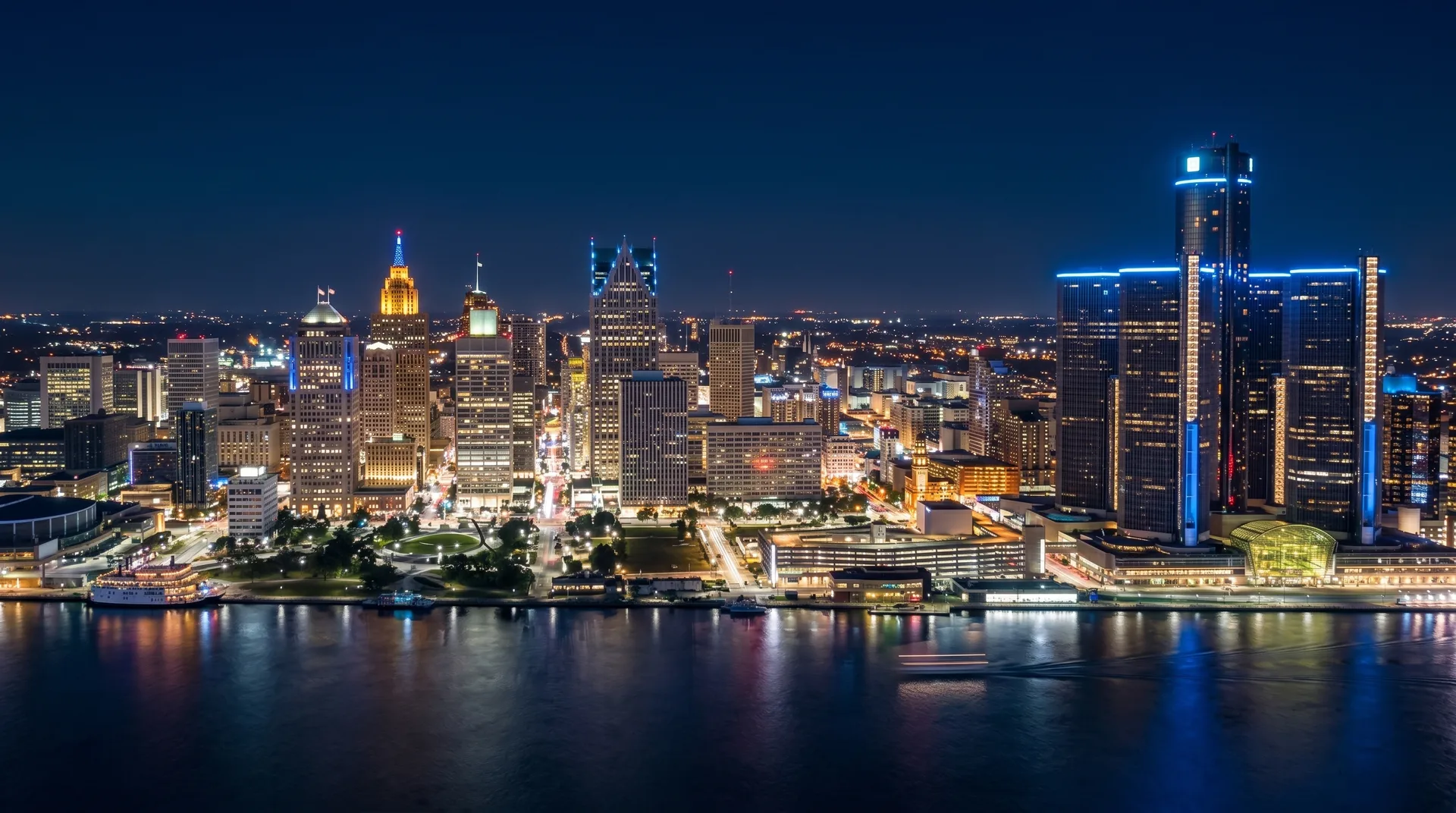
Detroit
Detroit, Michigan stands as a strategic logistics hub in the Midwest United States. Located at the crossroads of major interstate highways, including I-75, I-96, and I-94, Detroit offers exceptional connectivity to both national and international markets. The city's proximity to the Ambassador Bridge and Detroit-Windsor Tunnel provides direct access to Canadian markets, making it a crucial entry point for cross-border freight.
The Detroit metropolitan area is home to a diverse industrial base, with automotive manufacturing remaining the cornerstone of the local economy. Major automotive companies and their extensive supplier networks create a constant flow of freight requiring specialized transportation. Beyond automotive, Detroit supports aerospace, defense, healthcare, and technology sectors, each contributing to the region's robust logistics demand. The city's infrastructure includes multiple intermodal facilities, warehousing centers, and a major international airport, providing comprehensive transportation solutions for businesses operating in the region.
 Destination
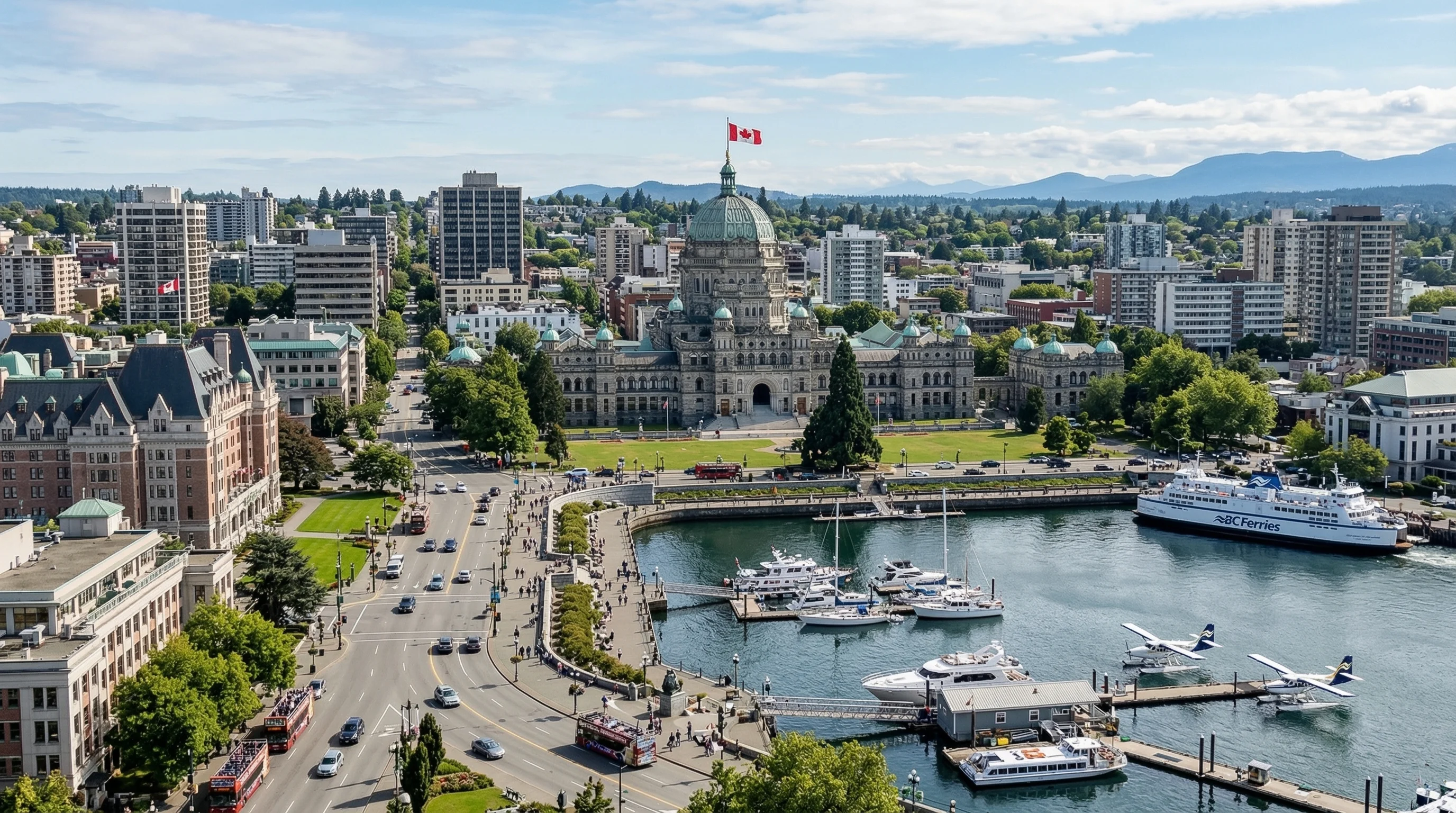
Victoria
Victoria, British Columbia represents a unique logistics destination on Vancouver Island, offering strategic access to Pacific trade routes and the growing Western Canadian market. While geographically isolated from the mainland, Victoria maintains strong transportation connections through ferry services and air cargo facilities. The city's location provides direct access to Asian markets, making it an increasingly important node in transpacific supply chains.
The Victoria economy is characterized by a diverse mix of technology companies, government services, tourism, and marine industries. The region has seen significant growth in technology and innovation sectors, creating demand for specialized freight transportation. Victoria's infrastructure includes the Victoria International Airport for air cargo, Swartz Bay and other ferry terminals for surface transportation, and a network of highways connecting to Vancouver and other major centers. The city's port facilities handle both commercial and industrial cargo, supporting the region's import and export activities.










