Dallas to Seattle
Seattle → DallasFTL freight transportation service between Dallas and Seattle. Reliable logistics solutions for your business.
Route Description
Everything you need to know about the corridor Dallas - Seattle
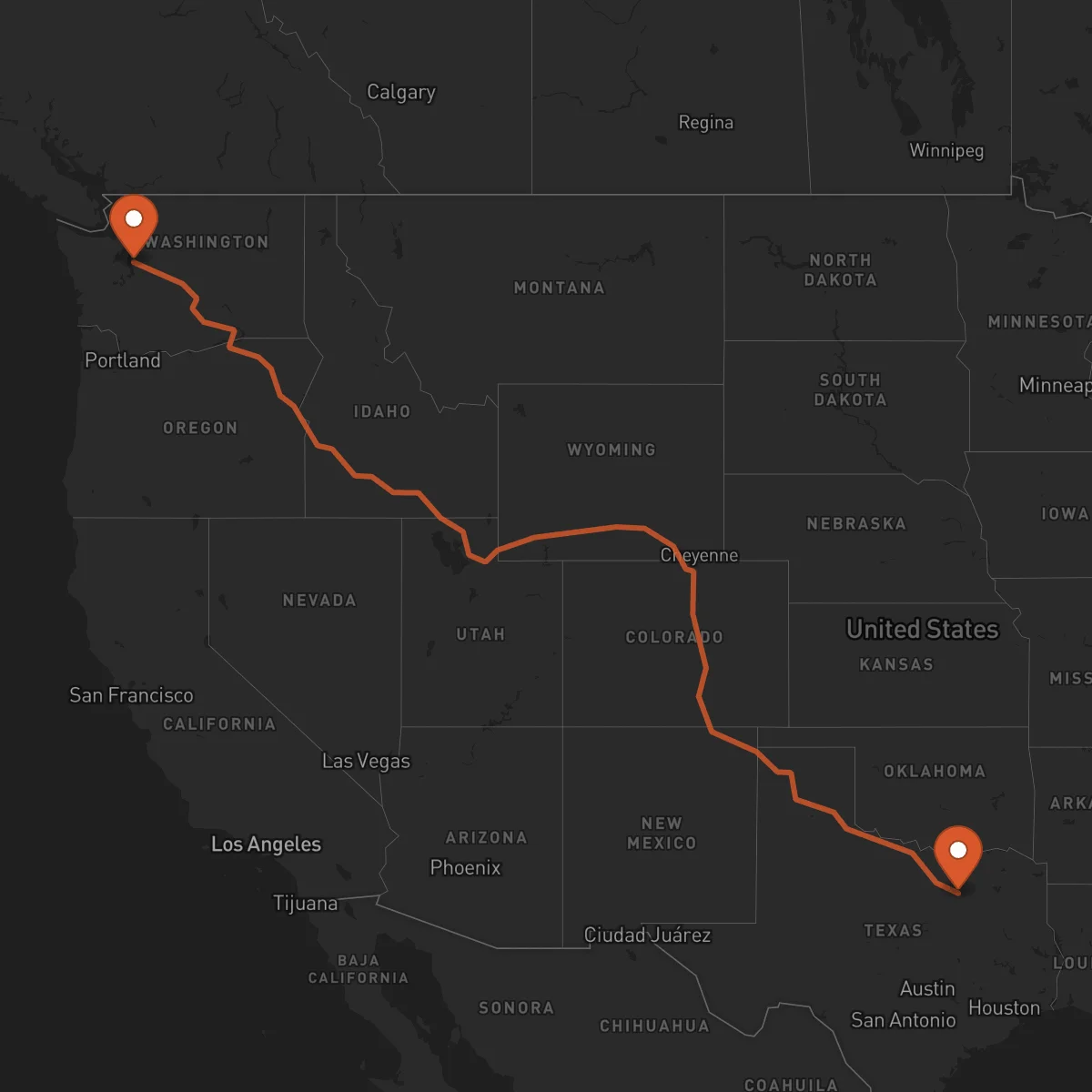
The Dallas to Seattle corridor represents a vital logistics artery connecting the heart of Texas with the Pacific Northwest. This 2,703 km domestic route traverses diverse landscapes and crosses multiple states, serving as a crucial link between two major economic regions of the United States. The corridor facilitates the movement of goods from Dallas's central location to Seattle's strategic Pacific port, enabling efficient distribution throughout the country.
The economic significance of this corridor is substantial, connecting Texas's energy and manufacturing powerhouse with Washington's technology and aerospace hub. Dallas serves as a major distribution center for the Southwest, while Seattle functions as a gateway to Asian markets and a center for maritime trade. This route supports the flow of industrial equipment, consumer goods, automotive parts, and technology products between these dynamic regions.
Control Terrestre leverages this corridor's potential through our specialized full truckload (FTL) services. Our experienced network of carriers ensures reliable transportation along this route, utilizing major highways including I-35, I-90, and I-5. We understand the unique challenges of this long-haul journey and provide dedicated solutions that maintain cargo integrity and delivery schedules, supporting your supply chain needs across this extensive domestic corridor.
Services for this Route
Available services for the corridor Dallas - Seattle
 Origin
Dallas
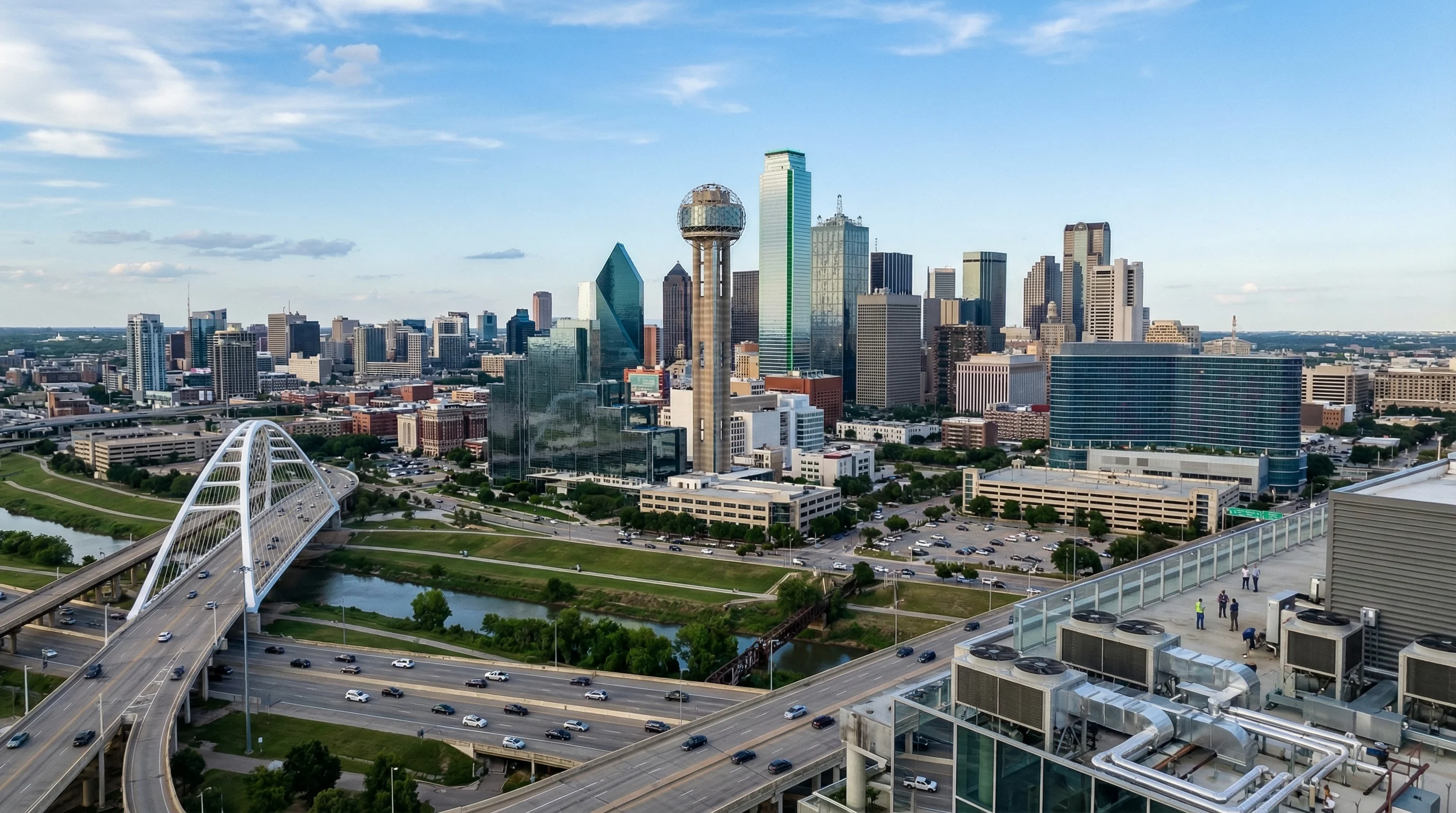
Dallas, Texas stands as a strategic logistics hub in the southern United States, offering exceptional connectivity and infrastructure. Located in the heart of the Dallas-Fort Worth metroplex, the city benefits from its central position within the North American Free Trade Agreement (NAFTA) corridor. Dallas boasts one of the largest inland ports in the country, with extensive rail connections, multiple interstate highways, and Dallas/Fort Worth International Airport, one of the busiest cargo airports in the nation.
The city's economy is diverse and robust, with strong sectors in technology, telecommunications, energy, healthcare, and manufacturing. Dallas is home to numerous Fortune 500 companies and serves as a major distribution center for retail and e-commerce operations. The region's logistics infrastructure includes state-of-the-art warehousing facilities, advanced intermodal yards, and a skilled workforce, making it an ideal origin point for freight transportation across the country.
 Destination
Seattle
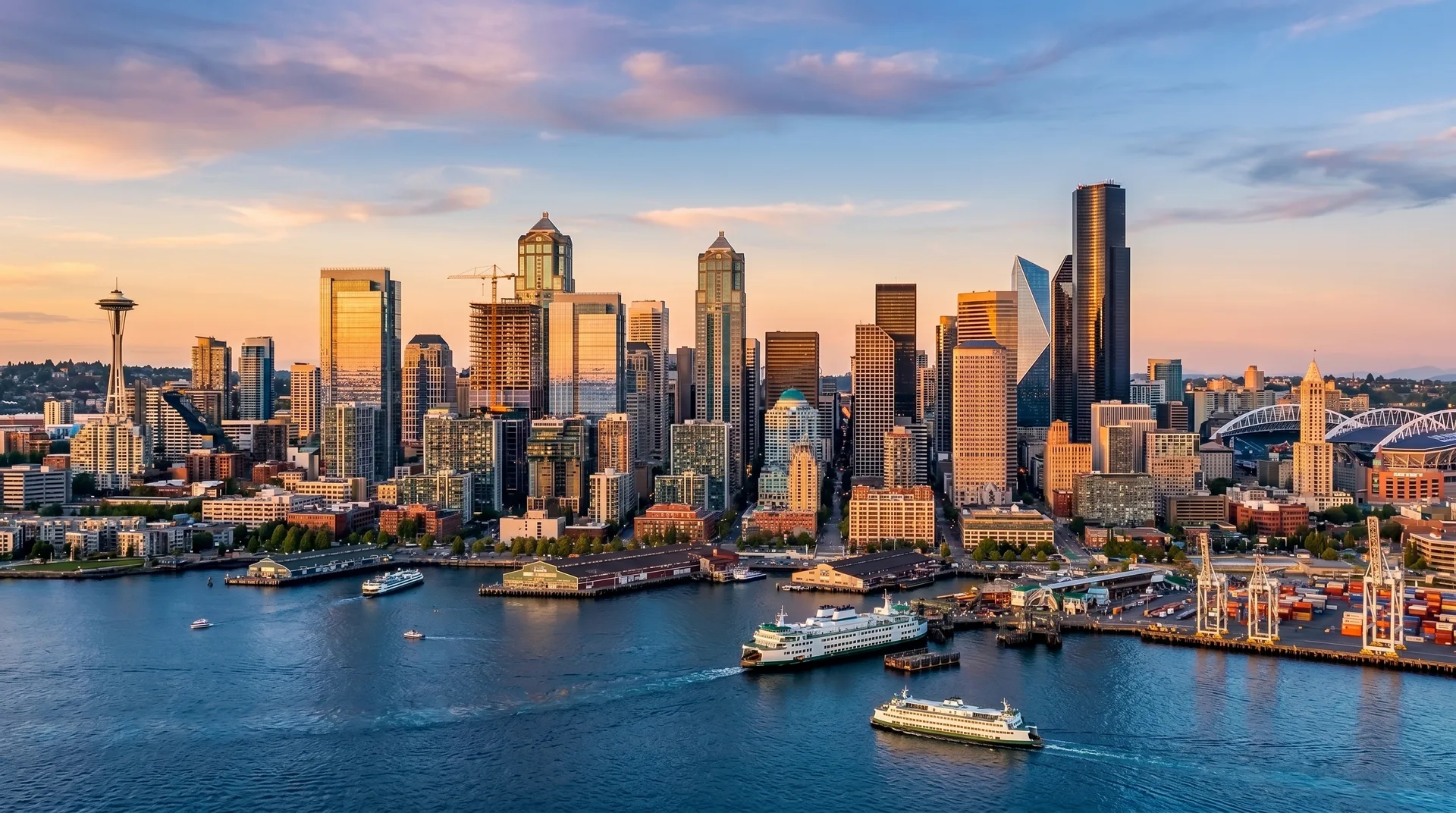
Seattle, Washington occupies a strategic position on the Pacific coast, serving as a critical gateway between the United States and Asian markets. The city's port is one of the largest and busiest on the West Coast, handling millions of containers annually and providing direct access to international shipping lanes. Seattle's transportation infrastructure includes an extensive network of highways, rail connections, and the Seattle-Tacoma International Airport, facilitating seamless cargo movement.
The Seattle metropolitan area is renowned for its technology sector, housing major companies in software, aerospace, and cloud computing. The presence of Boeing's largest manufacturing plant and the headquarters of several tech giants makes Seattle a key destination for specialized and high-value cargo. The region's economy also includes strong maritime, healthcare, and advanced manufacturing sectors, all requiring reliable logistics solutions to support their operations and global supply chains.










