Dallas to Cancún
Cancún → DallasFTL freight transportation service between Dallas and Cancún. Reliable logistics solutions for your business.
Route Description
Everything you need to know about the corridor Dallas - Cancún
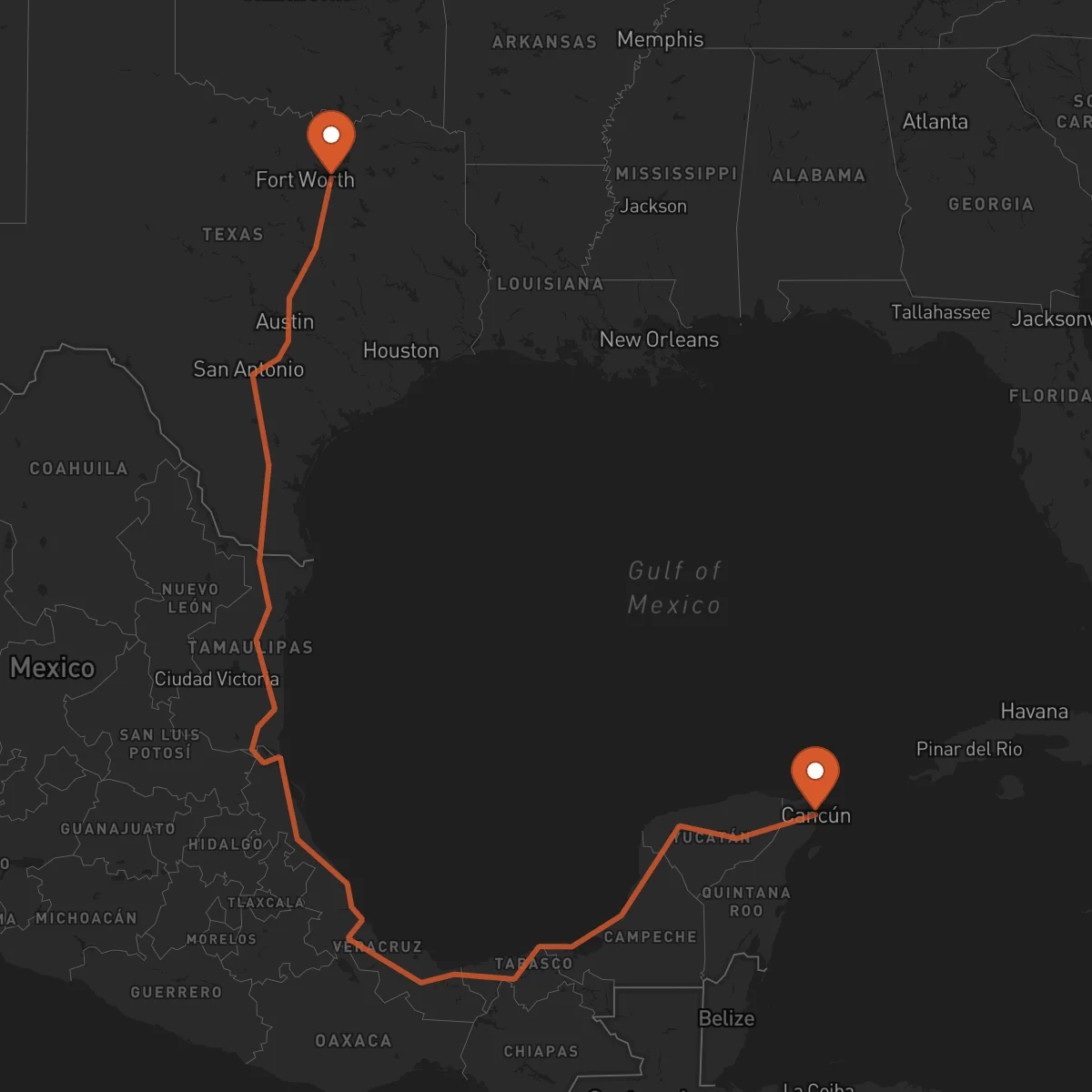
The Dallas to Cancún logistics corridor represents a vital trade connection between the United States and Mexico, spanning approximately 1,623 kilometers. This cross-border route links one of Texas's major industrial hubs with Mexico's premier Caribbean tourist destination, facilitating the movement of goods between two distinct economic regions. The corridor traverses diverse terrain, crossing the Texas-Mexico border before continuing through the Mexican states of Tamaulipas, Veracruz, and Quintana Roo.
The economic significance of this route extends beyond simple transportation, connecting Dallas's robust manufacturing and distribution sector with Cancún's growing import needs and export capabilities. Dallas serves as a key logistics center for aerospace, automotive, electronics, and consumer goods, while Cancún's economy relies heavily on tourism-related imports and agricultural exports. This complementary relationship drives consistent freight volume along the corridor.
Transportation infrastructure along this route includes major highways such as US-83 South and Mexican Federal Highways 180 and 307. The primary border crossing at Nuevo Laredo facilitates efficient customs processing, while the well-maintained Mexican highway network ensures reliable transit to Quintana Roo. Control Terrestre leverages this infrastructure with our extensive network of certified carriers, providing seamless door-to-door FTL services that navigate cross-border regulations, customs documentation, and regional requirements. Our expertise in managing this specific corridor ensures timely deliveries and optimal supply chain performance for businesses operating between these strategic locations.
Services for this Route
Available services for the corridor Dallas - Cancún
 Origin
Dallas
Dallas, Texas stands as a major logistics hub in the southern United States, offering exceptional connectivity through its central location and comprehensive transportation infrastructure. The Dallas-Fort Worth metroplex serves as a gateway to both national and international markets, with access to major interstate highways including I-35, I-30, and I-20. The city's logistics advantages are enhanced by Dallas/Fort Worth International Airport, one of the busiest cargo airports in the country, and multiple rail terminals operated by major Class I railroads.
The Dallas area hosts a diverse industrial base, with particular strengths in aerospace manufacturing, automotive assembly and parts production, telecommunications equipment, and high-tech electronics. The region's concentration of corporate headquarters and distribution centers creates consistent demand for freight transportation services. Dallas's pro-business environment, skilled workforce, and strategic position make it an ideal origin point for cross-border shipments to Mexico and beyond.
 Destination
Cancún
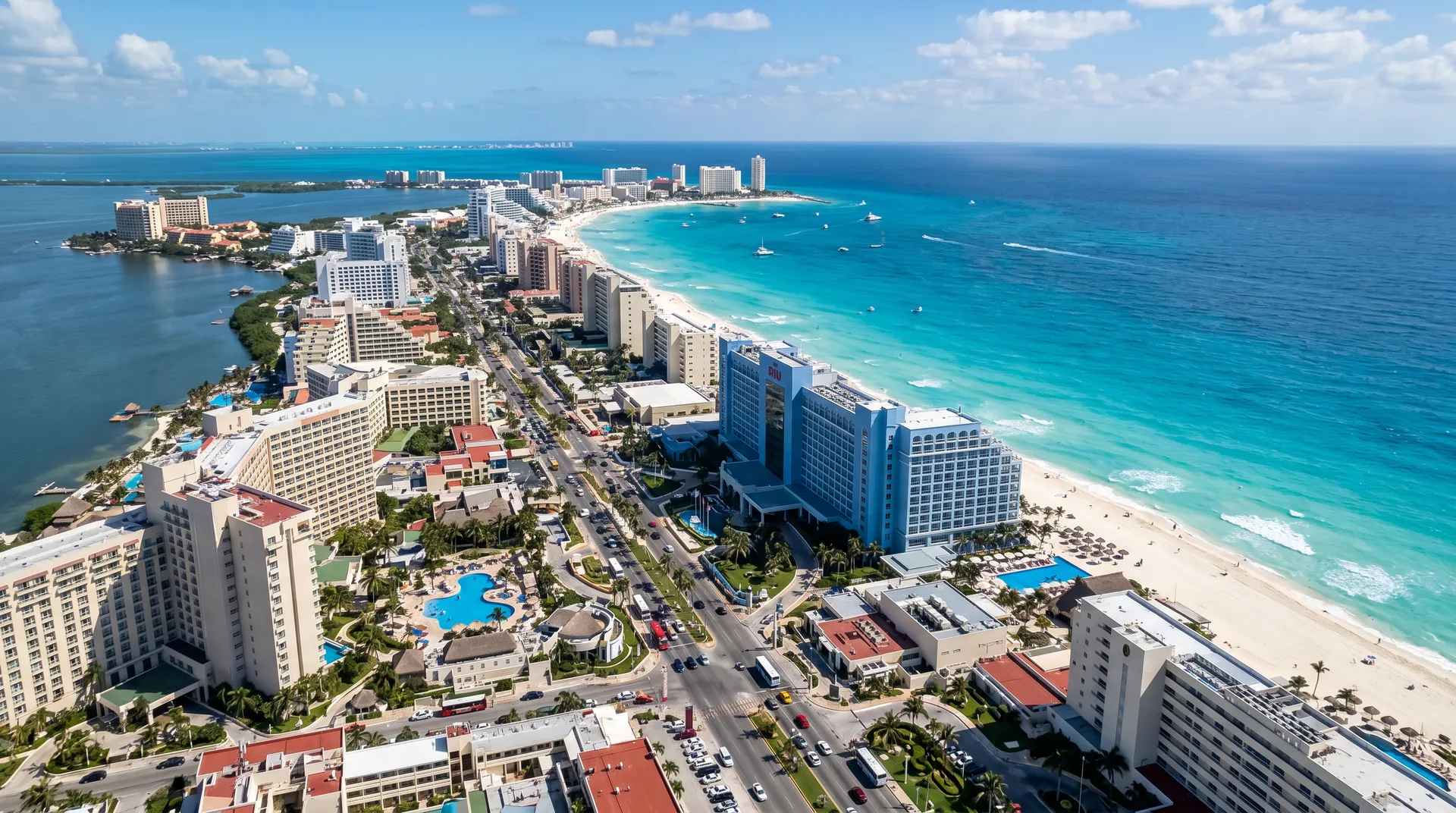
Cancún, Quintana Roo represents Mexico's most important Caribbean tourism gateway and a growing logistics center for the Yucatán Peninsula. Located in southeastern Mexico, Cancún benefits from its position as a major international airport destination, with extensive air cargo capabilities complementing ground transportation. The region's road infrastructure includes modern highways connecting to the rest of Mexico, facilitating efficient freight movement from central and northern regions.
The local economy centers on tourism, hospitality, and related services, creating consistent demand for imported goods ranging from food and beverages to construction materials and consumer products. Cancún also serves as an export hub for regional agricultural products, including tropical fruits, fish and seafood, and manufactured goods from the broader Quintana Roo region. The area's free trade zone status and proximity to other Caribbean destinations enhance its role in international trade, while ongoing infrastructure investments continue to improve logistics capabilities for businesses serving this dynamic market.










