Dallas to Tulsa
Tulsa → DallasFTL freight transportation service between Dallas and Tulsa. Reliable logistics solutions for your business.
Route Description
Everything you need to know about the corridor Dallas - Tulsa
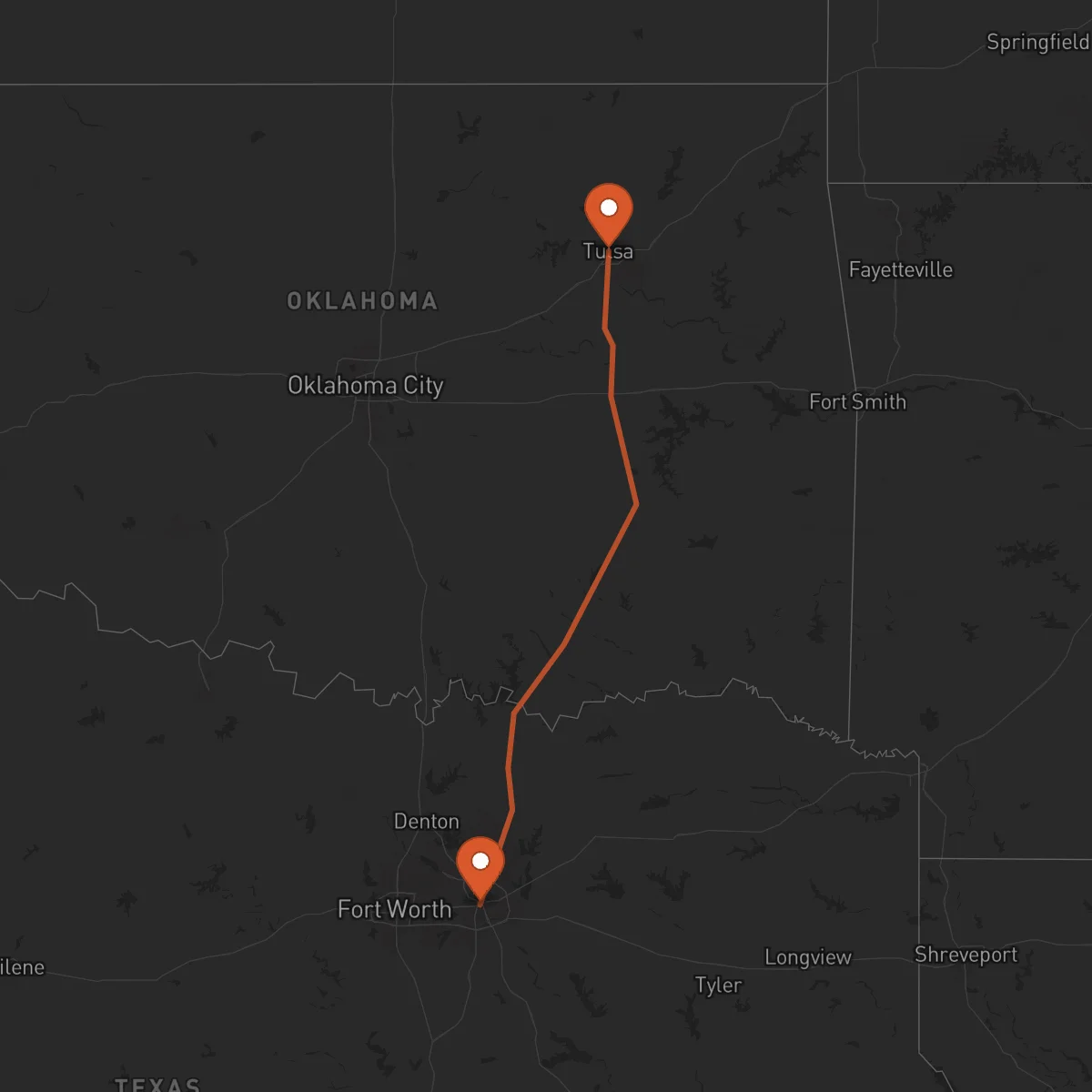
The Dallas to Tulsa corridor represents a vital freight transportation link in the heart of the United States, connecting two major economic hubs in Texas and Oklahoma. This 383-kilometer route traverses the states of Texas and Oklahoma, facilitating the movement of goods between the Dallas-Fort Worth metropolitan area and the Tulsa-Broken Arrow region. The corridor serves as a crucial artery for commerce, supporting the industrial and manufacturing sectors that drive both states' economies.
The region's economic significance stems from its diverse industrial base, including aerospace, energy, automotive, and technology sectors. Dallas serves as a major corporate headquarters hub and distribution center, while Tulsa has established itself as a center for energy, manufacturing, and logistics operations. This complementary economic relationship creates substantial freight demand along the corridor, with businesses requiring reliable transportation solutions to maintain their supply chains.
Control Terrestre specializes in full truckload (FTL) freight transportation along this strategic route, offering dedicated services that ensure your cargo moves efficiently and securely. Our extensive network of certified carriers provides the capacity and reliability needed for time-sensitive shipments, while our expertise in handling specialized cargo ensures that even the most complex freight requirements are met with precision and care.
Services for this Route
Available services for the corridor Dallas - Tulsa
 Origin
Dallas
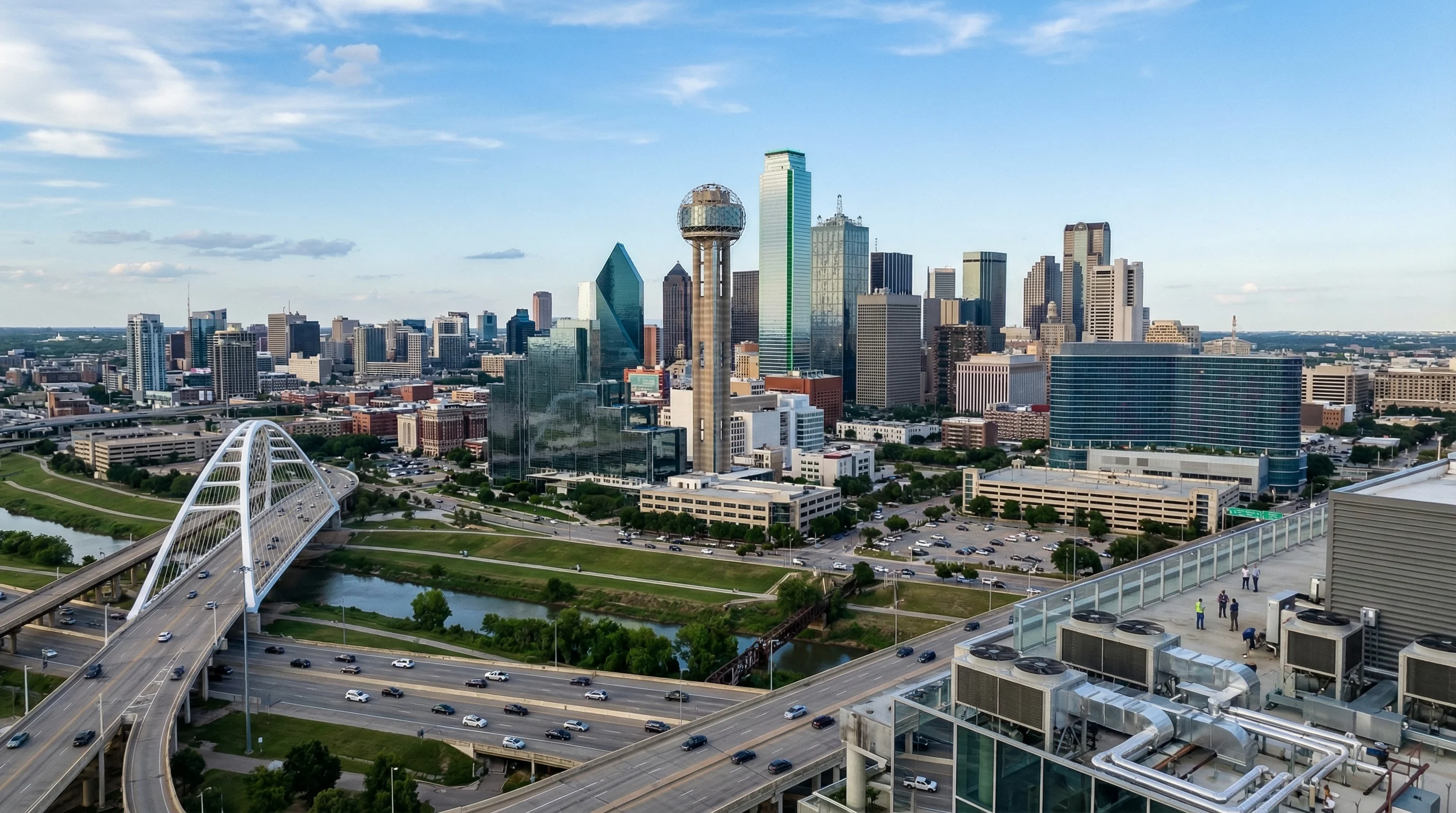
Dallas, Texas, stands as a major logistics hub in the southern United States, strategically positioned at the crossroads of multiple interstate highways. The city's location provides excellent access to major freight corridors, including I-35, I-45, and I-20, facilitating efficient distribution throughout Texas and beyond. Dallas benefits from the Dallas/Fort Worth International Airport, one of the busiest cargo airports in the country, and the Port of Houston's proximity, which provides ocean freight connectivity.
The Dallas metropolitan area hosts a diverse industrial base, with strong presence in telecommunications, technology, financial services, and manufacturing. The region is home to numerous corporate headquarters and distribution centers, creating substantial freight movement. Key industries include aerospace and defense, automotive manufacturing, food and beverage processing, and healthcare equipment production. The city's robust infrastructure supports 24/7 logistics operations, with extensive warehousing and distribution facilities strategically located throughout the metroplex.
 Destination
Tulsa
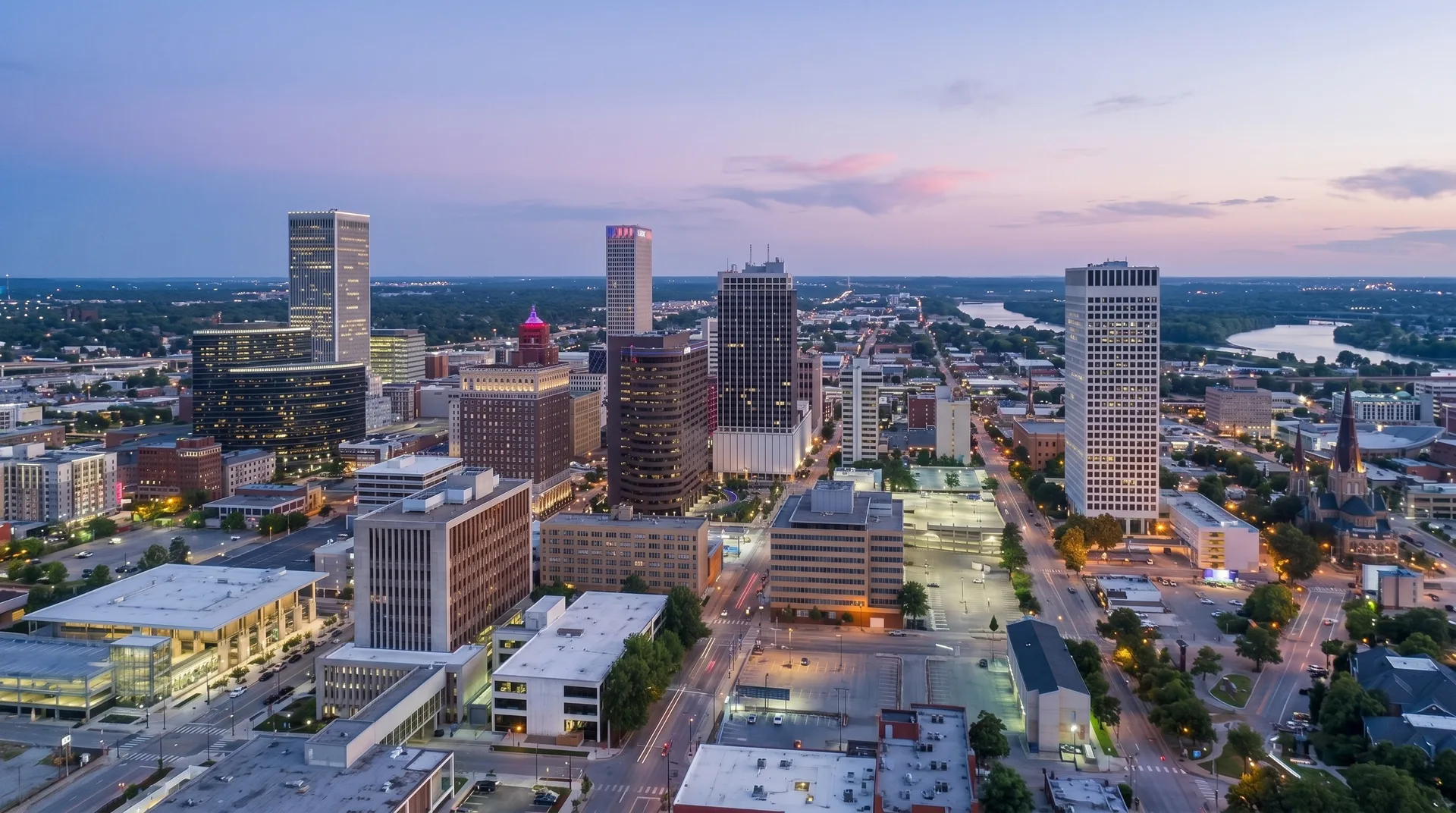
Tulsa, Oklahoma, serves as a strategic logistics center in the south-central United States, offering excellent connectivity to regional and national markets. The city's location provides access to major transportation routes, including I-44 and I-244, linking it to the broader interstate network. Tulsa International Airport supports air cargo operations, while the Tulsa Port of Catoosa on the McClellan-Kerr Arkansas River Navigation System provides inland waterway access to the Gulf of Mexico.
The Tulsa economy is anchored by energy, manufacturing, aerospace, and logistics sectors. The city has a strong presence in oil and gas equipment manufacturing, aviation maintenance and repair operations, and food processing. Tulsa's industrial base includes companies specializing in machinery, fabricated metal products, and transportation equipment. The region's logistics infrastructure includes numerous warehousing facilities, intermodal yards, and specialized freight handling centers, making it an ideal destination for full truckload shipments from Dallas and other major markets.










