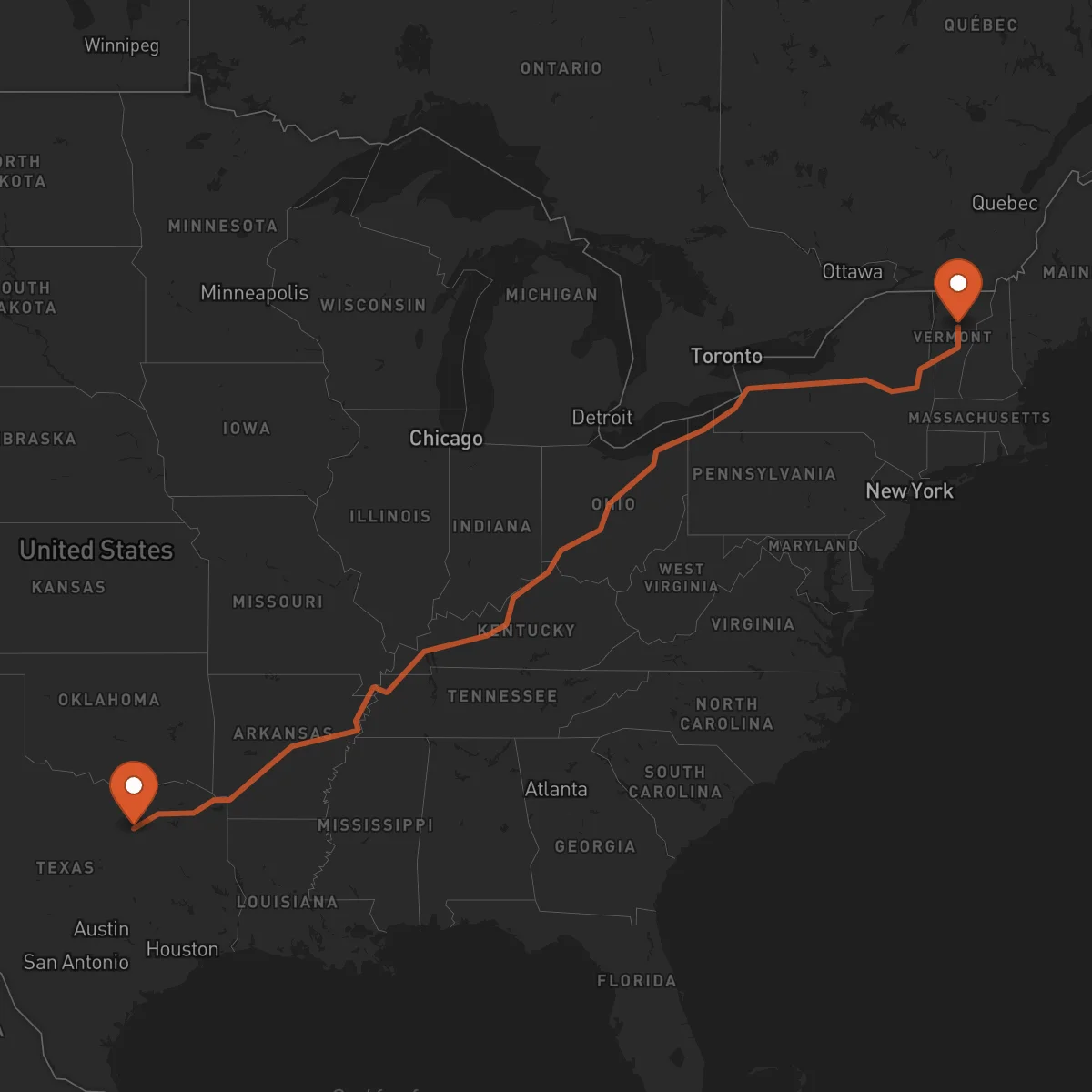
Dallas to Montpelier
Montpelier → DallasFTL freight transportation service between Dallas and Montpelier. Reliable logistics solutions for your business.
Route Description
Everything you need to know about the corridor Dallas - Montpelier
The Dallas-Montpelier corridor represents a vital freight transportation route connecting the heart of Texas to the capital of Vermont. This 2,450 km domestic route traverses diverse geographical and economic regions, facilitating the movement of goods between the industrial South and the manufacturing Northeast. The corridor is strategically positioned to support cross-country logistics operations, connecting major economic hubs through an efficient network of interstate highways. Control Terrestre specializes in full truckload (FTL) transportation along this route, offering dedicated services that ensure your cargo moves seamlessly from origin to destination without intermediate stops or handling.
This transportation corridor serves as a critical link between two distinct economic regions of the United States. Dallas, as a major commercial and industrial center in Texas, generates substantial freight volume that needs to reach Northeastern markets. Montpelier and the surrounding Vermont region, known for its manufacturing, agricultural products, and specialty goods, also requires reliable inbound logistics from the South and West. The route facilitates the exchange of diverse cargo types, from industrial equipment and electronics to food products and consumer goods, supporting the supply chain needs of businesses operating across these regions.
Key industries utilizing this corridor include manufacturing, automotive, technology, food and beverage, and retail distribution. The route accommodates specialized freight requirements, including refrigerated transportation for perishable goods and oversized cargo for industrial equipment. Control Terrestre's extensive network of certified carriers ensures that your full truckload shipments receive the dedicated attention and specialized handling required for safe and efficient transport across this substantial distance.
The transportation infrastructure along the Dallas-Montpelier corridor includes major interstate highways such as I-30, I-40, I-81, and I-89, providing multiple routing options to optimize transit times and costs. Control Terrestre leverages this infrastructure through our strategic carrier partnerships, offering flexible scheduling and reliable capacity to meet your logistics needs. Our commitment to safety, compliance with all regulatory requirements, and real-time tracking capabilities ensure that your freight arrives at its destination securely and on schedule.
Services for this Route
Available services for the corridor Dallas - Montpelier
 Origin
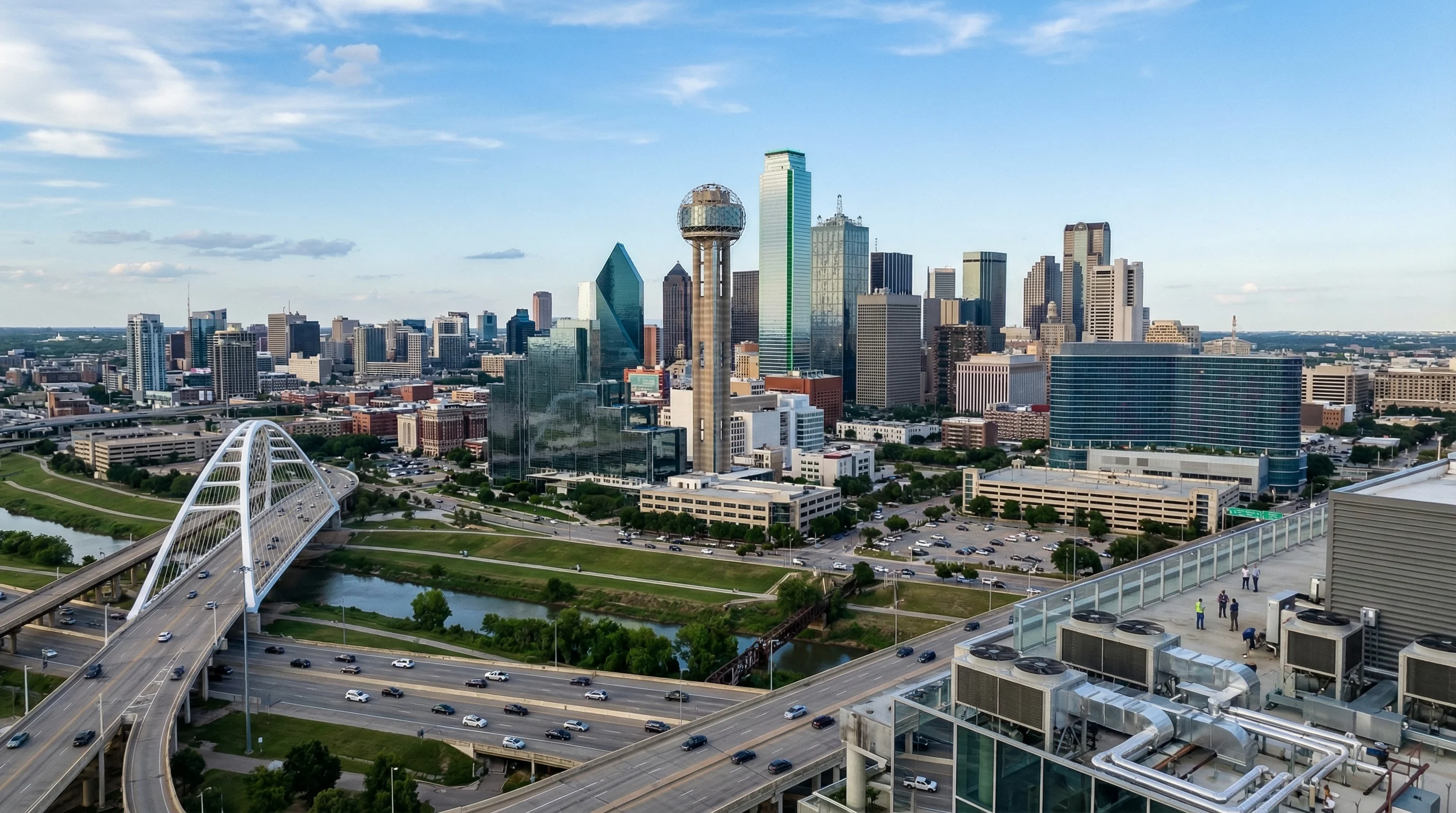
Dallas
Dallas, Texas serves as a major logistics hub in the Southern United States, offering exceptional connectivity through multiple interstate highways including I-20, I-30, and I-35. The city's strategic location provides access to major ports along the Gulf Coast and connects to the broader national transportation network. Dallas boasts a robust intermodal infrastructure with extensive rail connections and proximity to Dallas/Fort Worth International Airport, one of the busiest cargo airports in the country. The region's logistics infrastructure is complemented by numerous warehousing and distribution centers that support efficient freight consolidation and distribution operations.
The Dallas metropolitan area is a powerhouse of economic activity, with strong representation in technology, telecommunications, financial services, and manufacturing sectors. The region is home to numerous Fortune 500 companies and has a thriving small business ecosystem. Key industries include aerospace and defense, healthcare, energy, and information technology. The manufacturing sector produces a wide range of goods, from electronics and machinery to food products and consumer goods, generating substantial freight volume for both inbound and outbound transportation.
Dallas's economic strength is supported by a skilled workforce and a business-friendly environment that continues to attract investment and development. The city's logistics infrastructure is continually expanding to meet growing demand, with new warehousing facilities, improved highway systems, and enhanced intermodal capabilities. This makes Dallas an ideal origin point for full truckload freight shipments heading to destinations across the United States, including the Northeastern corridor to Vermont.
 Destination
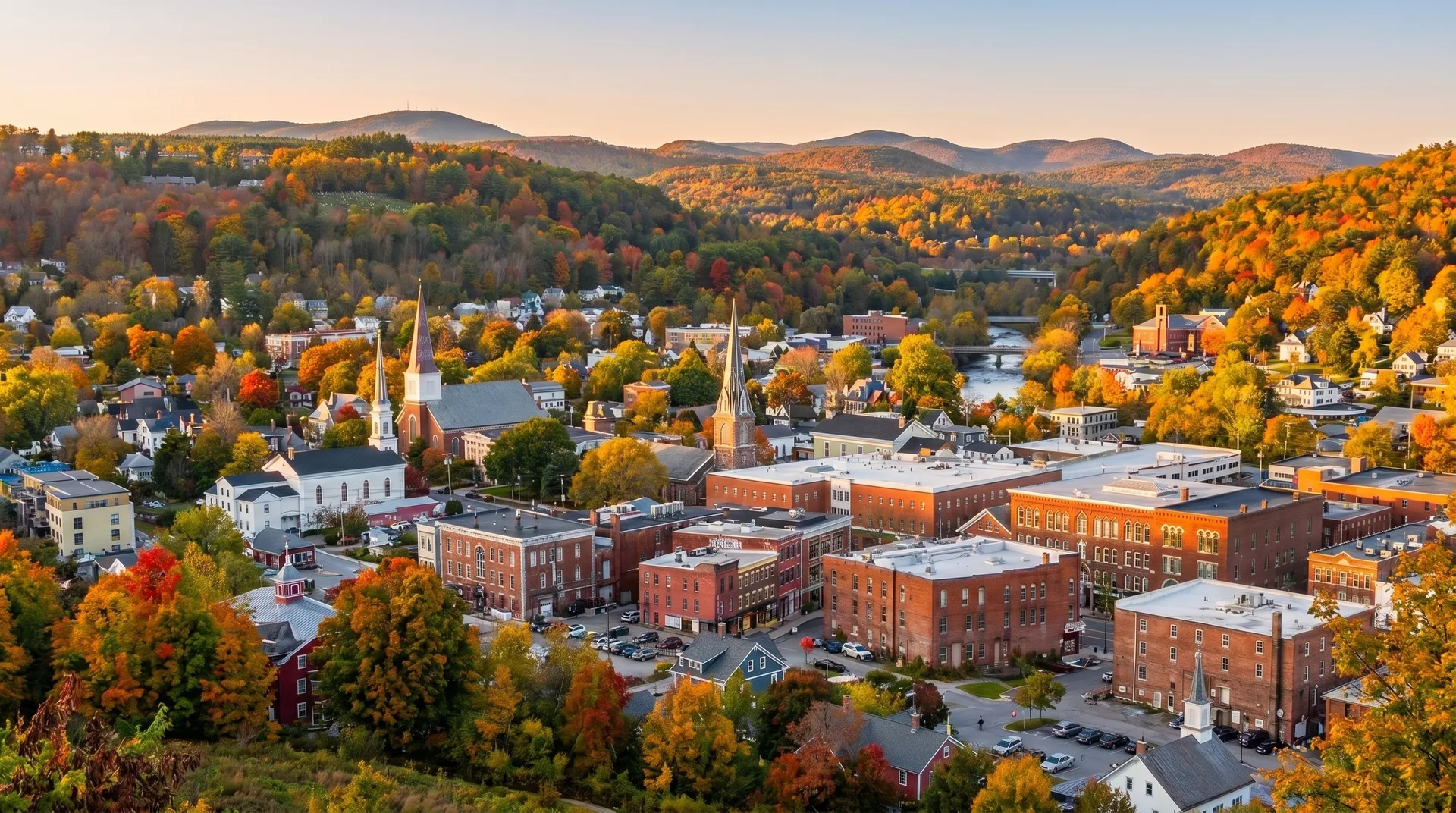
Montpelier
Montpelier, Vermont, though one of the smallest state capitals in the United States, plays a significant role in the regional logistics network of New England. The city's location in central Vermont provides strategic access to major transportation routes, including I-89, which connects to the broader interstate system. While Montpelier itself is relatively compact, it serves as a gateway to Vermont's extensive network of state highways and local roads that facilitate distribution throughout the state and into neighboring New Hampshire and New York. The region's logistics infrastructure includes several freight terminals and distribution centers that support the movement of goods into and out of the area.
The Vermont economy, with Montpelier at its center, is characterized by diverse industries including advanced manufacturing, healthcare, education, and tourism. The state has a strong tradition in specialty food production, craft beverages, and artisanal goods, which require reliable transportation for both raw materials and finished products. Manufacturing in Vermont includes precision instruments, electronics, and industrial equipment, while the agricultural sector produces dairy products, maple syrup, and other specialty foods that benefit from refrigerated transportation services. The region also has a growing technology sector, particularly in software development and biotechnology.
Montpelier's logistics environment is shaped by Vermont's commitment to sustainability and environmental stewardship. This influences transportation practices, with an emphasis on efficient routing and environmentally conscious operations. The region's seasonal weather patterns, including winter conditions, require experienced carriers who understand the challenges of maintaining reliable service year-round. Control Terrestre's network of certified carriers is well-equipped to handle these regional characteristics, ensuring that full truckload freight arrives safely regardless of seasonal conditions.










