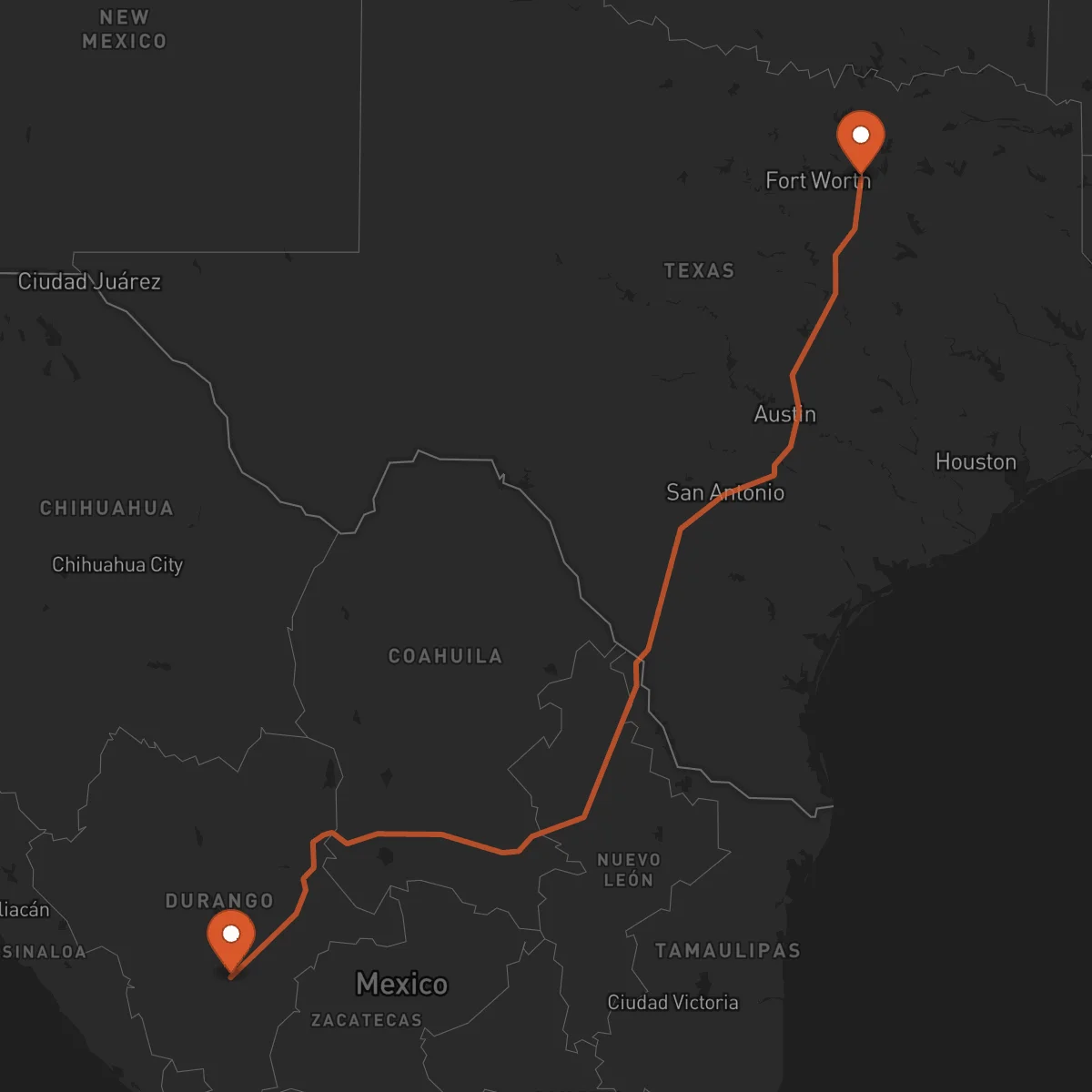
Dallas to Durango
Durango → DallasFTL freight transportation service between Dallas and Durango. Reliable logistics solutions for your business.
Route Description
Everything you need to know about the corridor Dallas - Durango
The Dallas-Durango corridor represents a vital cross-border connection between the United States and Mexico, spanning approximately 1,239 kilometers through key industrial regions. This route links the Dallas-Fort Worth metropolitan area, one of America's most important logistics hubs, with Durango, a strategic industrial center in northern Mexico. The corridor facilitates the movement of goods between two robust manufacturing and commercial ecosystems, supporting the economic integration of North America.
The economic significance of this corridor is substantial, connecting major automotive, aerospace, and electronics manufacturing sectors. Dallas serves as a gateway for goods entering the U.S. market, while Durango has developed as an industrial powerhouse with growing automotive and mining industries. This complementary relationship drives substantial freight traffic along the route, with manufacturers and distributors relying on efficient cross-border transportation to maintain their supply chains.
Transportation infrastructure along the Dallas-Durango corridor includes major highways such as US-287, I-35, and Mexican Federal Highways 45 and 45D. The primary border crossing at Laredo facilitates the majority of cross-border freight movement, offering multiple lanes and modern processing facilities. Control Terrestre's expertise in navigating this corridor includes managing customs documentation, coordinating with certified carriers, and ensuring compliance with all cross-border regulations to maintain smooth operations for our clients.
Services for this Route
Available services for the corridor Dallas - Durango
 Origin
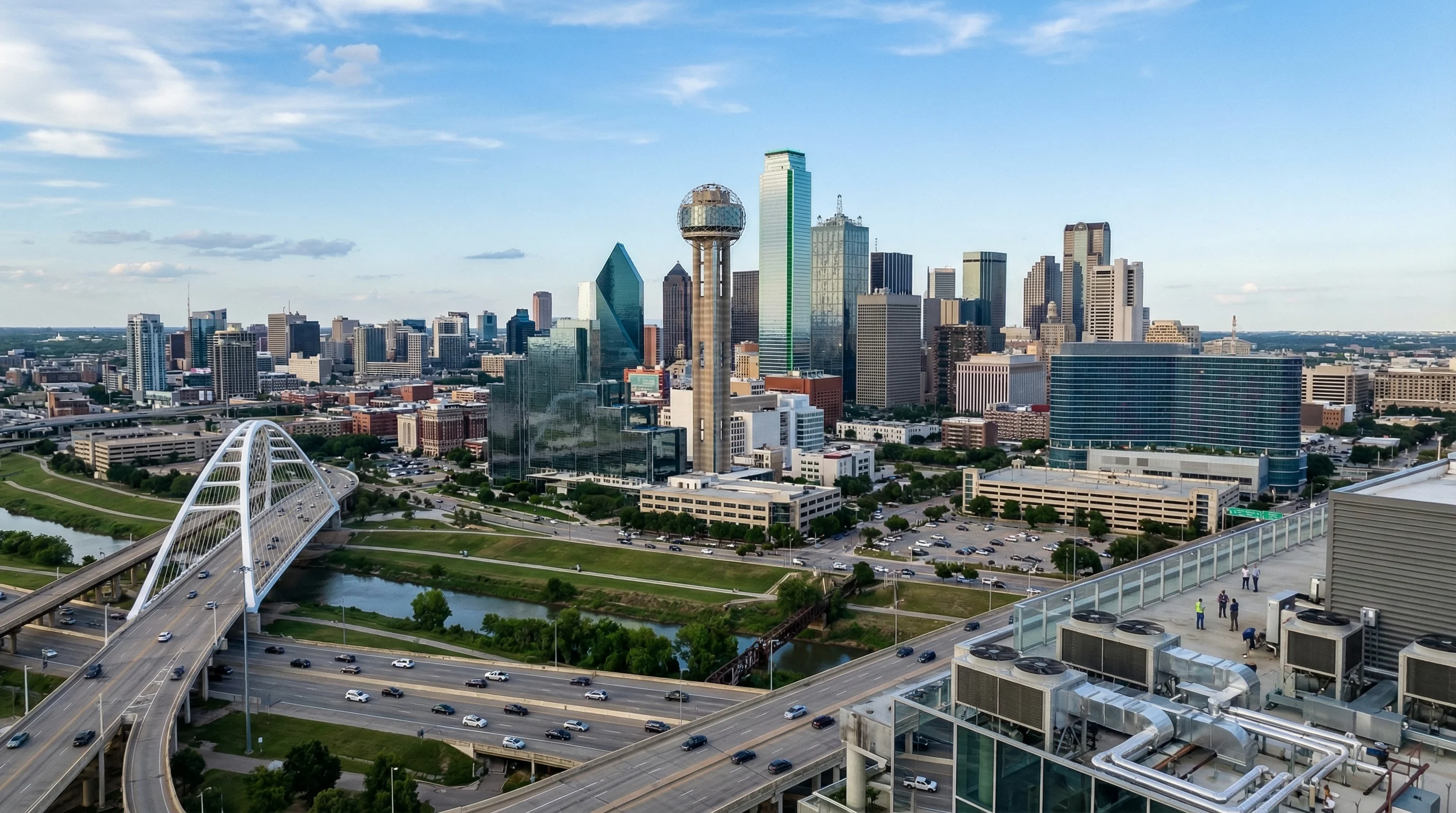
Dallas
Dallas, Texas stands as a premier logistics hub in the southern United States, strategically positioned at the intersection of major interstate highways including I-20, I-30, and I-35. The Dallas-Fort Worth metroplex serves as a gateway for goods moving between the central United States and Mexico, with extensive warehousing and distribution facilities supporting its role as a logistics center. The region's robust infrastructure includes the Dallas/Fort Worth International Airport, one of the busiest cargo airports in the country, and multiple rail terminals that complement the extensive trucking network.
The economic landscape of Dallas is diverse and dynamic, with strong presence in technology, telecommunications, healthcare, and financial services. The manufacturing sector, particularly automotive and aerospace, drives significant freight movement, while the region's proximity to major consumer markets in the southern and central United States enhances its importance as a distribution center. Dallas's business-friendly environment and skilled workforce continue to attract companies seeking efficient logistics solutions for both domestic and international markets.
 Destination
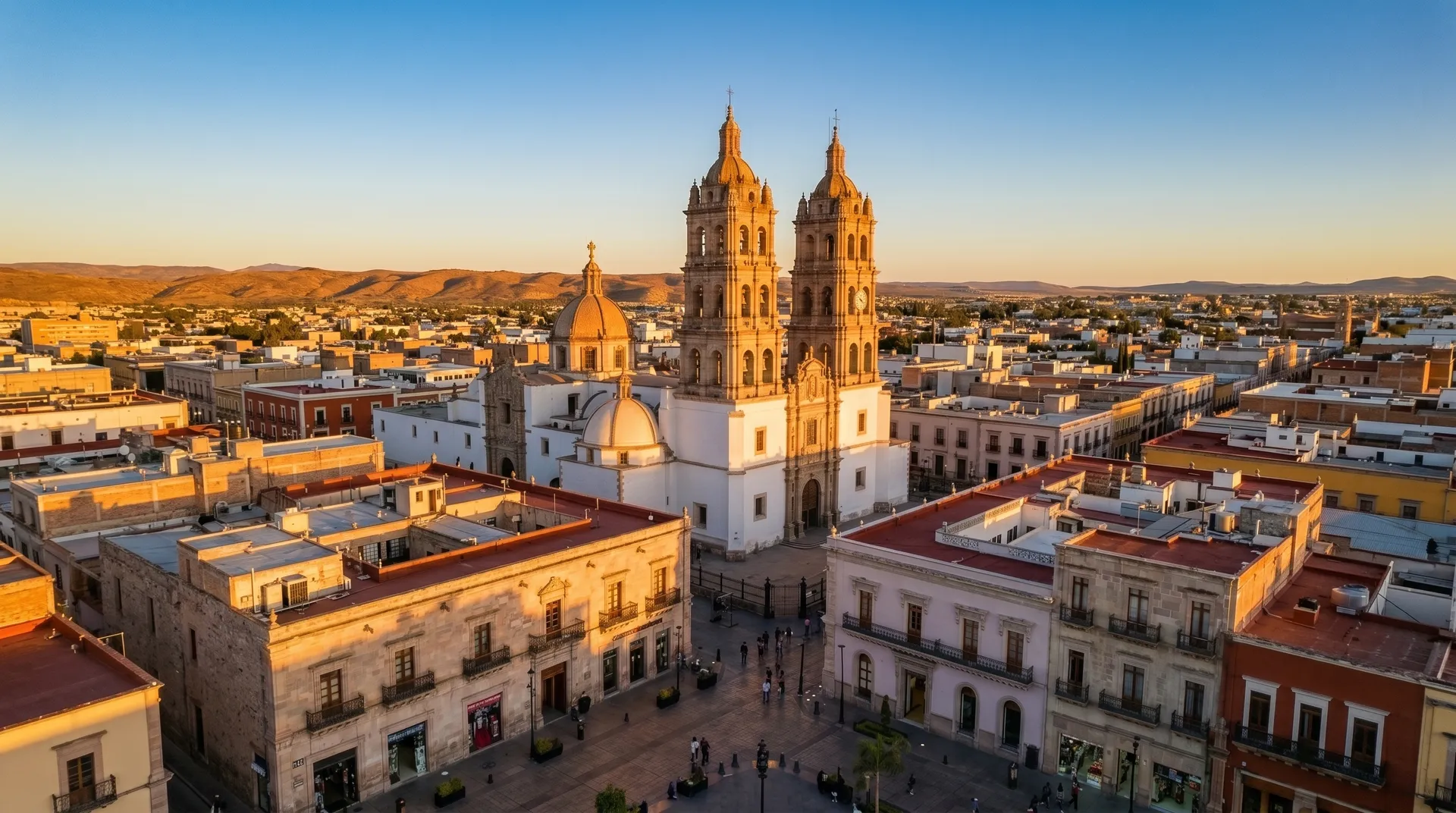
Durango, located in north-central Mexico, serves as a strategic logistics hub with growing importance in the country's industrial network. The city's location provides access to major Mexican markets while maintaining connections to the U.S. border regions, making it an ideal location for manufacturing and distribution operations. Durango's transportation infrastructure includes Federal Highway 45, which connects to major border crossings, and the Durango-Mazatlán highway, providing critical links to Pacific ports and other industrial centers.
The industrial base of Durango has diversified significantly in recent years, with automotive manufacturing leading the way alongside mining, electronics, and agricultural processing. The presence of automotive assembly plants and parts manufacturers has created a robust logistics ecosystem, with numerous suppliers and support industries establishing operations in the region. Durango's economic development programs and skilled workforce continue to attract investment, strengthening its position as a key player in Mexico's manufacturing and logistics landscape.










