Dallas to Boise
Boise → DallasFTL freight transportation service between Dallas and Boise. Reliable logistics solutions for your business.
Route Description
Everything you need to know about the corridor Dallas - Boise
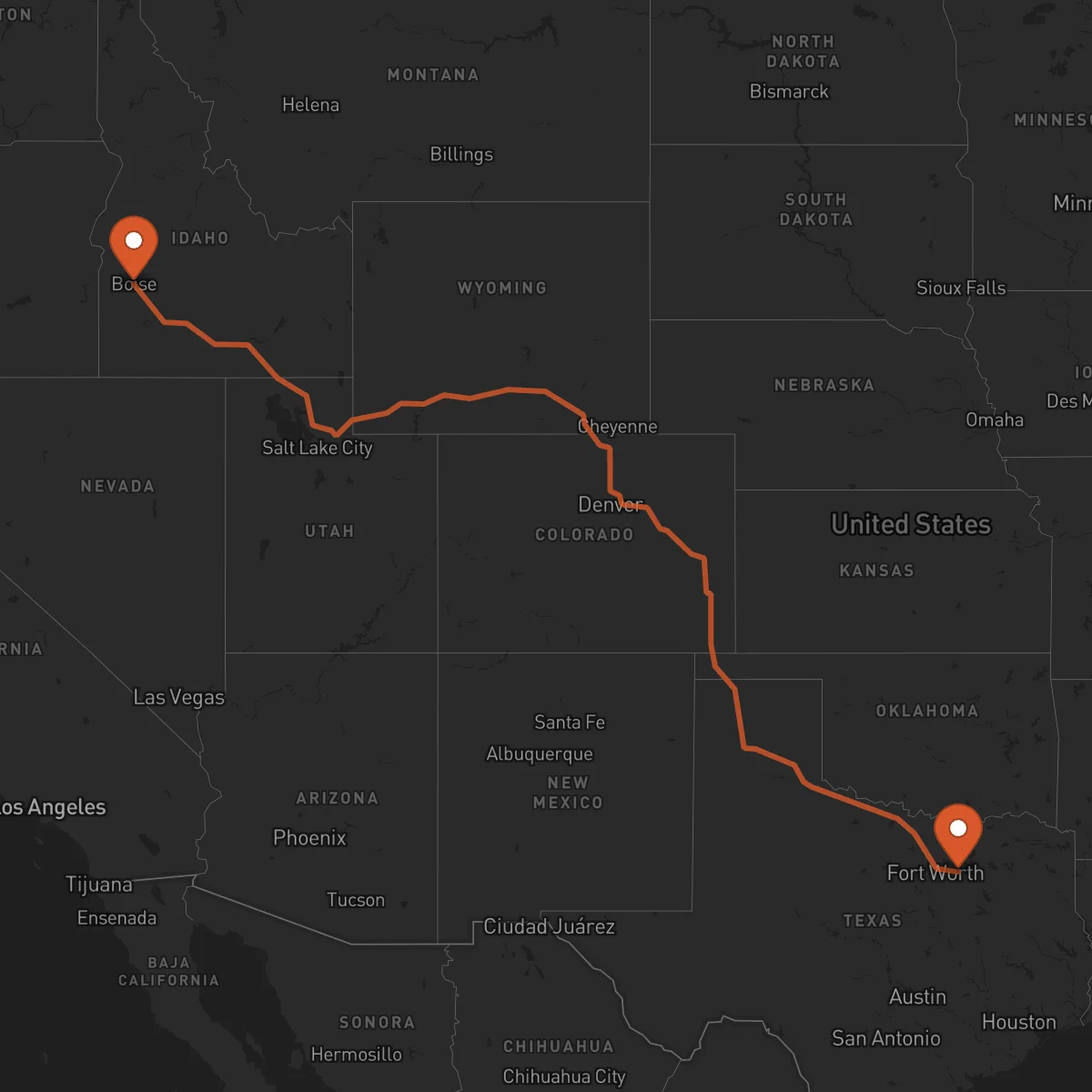
The Dallas to Boise corridor represents a vital logistics connection between two dynamic economic centers in the United States. This 2,072-kilometer route traverses diverse landscapes and connects the industrial powerhouse of Texas with the growing technology and agricultural hub of Idaho. The corridor serves as a crucial link for businesses operating between the South-Central and Northwestern regions of the country, facilitating the movement of goods that drive economic growth on both ends.
The transportation infrastructure along this route is robust, primarily utilizing major highways including I-35, I-80, and I-84. These well-maintained interstate systems ensure reliable transit times and provide multiple routing options to accommodate varying freight needs. The corridor's strategic importance is amplified by Dallas's position as a major logistics hub with extensive warehousing and distribution networks, while Boise's growing economy demands consistent supply chain solutions to support its expanding industries.
Key industries leveraging this corridor include technology and electronics from Boise's growing tech sector, agricultural products from Idaho's farming regions, manufacturing goods from Dallas's industrial base, and retail merchandise serving both urban markets. The route also supports the movement of specialized cargo including oversized equipment, temperature-sensitive products, and hazardous materials requiring expert handling. Control Terrestre facilitates seamless operations along this corridor through our network of certified carriers, offering dedicated FTL services with real-time tracking, compliance with all regulatory requirements, and specialized equipment options to meet diverse freight needs.
Services for this Route
Available services for the corridor Dallas - Boise
 Origin
Dallas
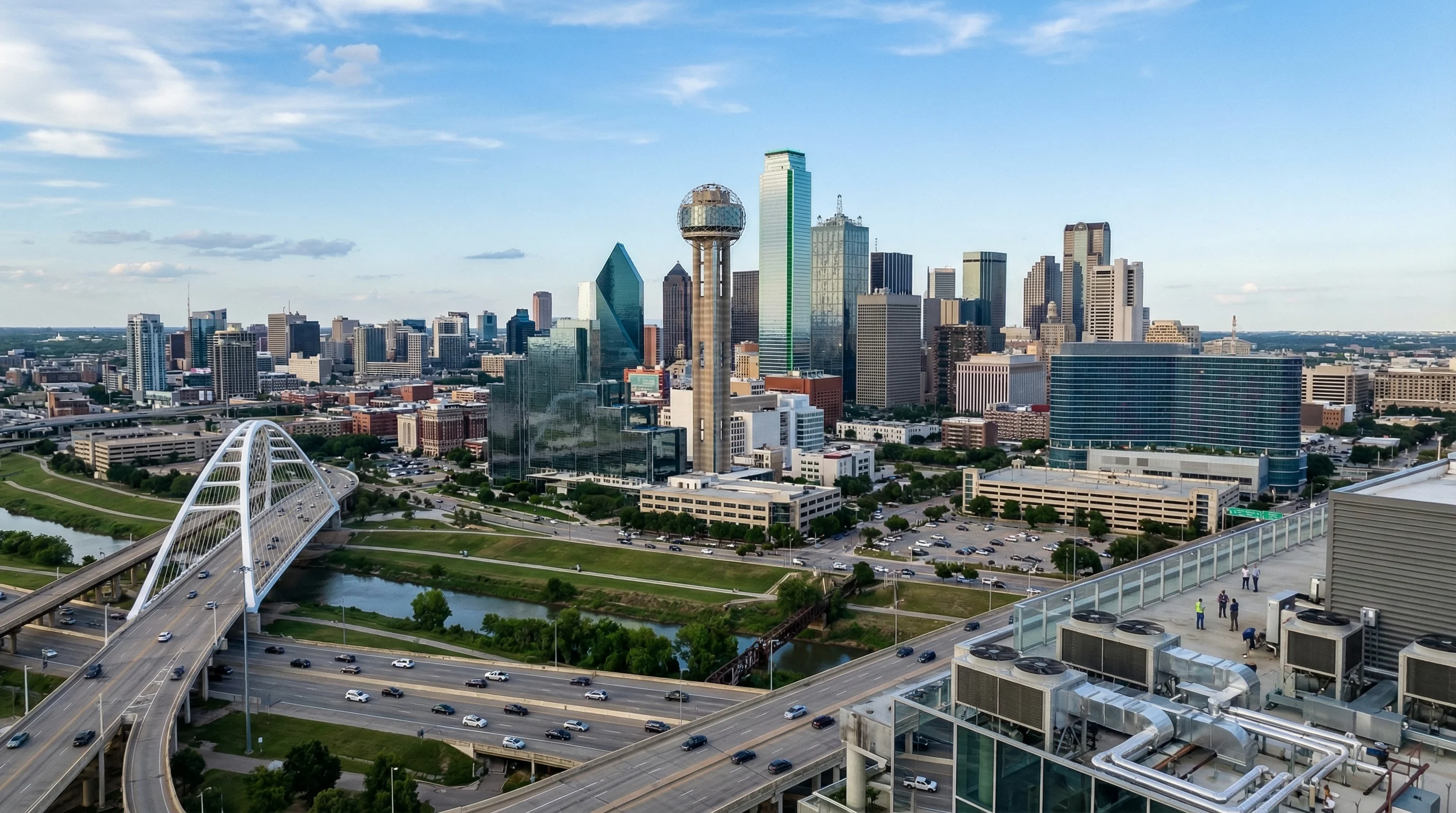
Dallas, Texas stands as a strategic logistics powerhouse in the South-Central United States. The city's central location provides unparalleled access to major markets across the country, with extensive highway networks radiating in all directions. Dallas hosts one of the largest inland ports in the nation, featuring sophisticated intermodal facilities that seamlessly connect road, rail, and air transportation. The city's robust infrastructure includes multiple Class I railroads, the Dallas/Fort Worth International Airport, and the Port of Houston within a day's drive, creating exceptional distribution capabilities.
The Dallas-Fort Worth metroplex serves as an economic engine driven by diverse sectors including technology, telecommunications, manufacturing, healthcare, and financial services. The region's pro-business environment has attracted numerous Fortune 500 companies and continues to experience significant growth. Dallas's logistics infrastructure includes extensive warehousing districts, cross-dock facilities, and specialized industrial parks designed to accommodate various freight requirements. The city's strategic position allows for efficient distribution throughout the Southwest, Midwest, and beyond, making it an ideal origin point for freight movements to destinations like Boise.
 Destination
Boise
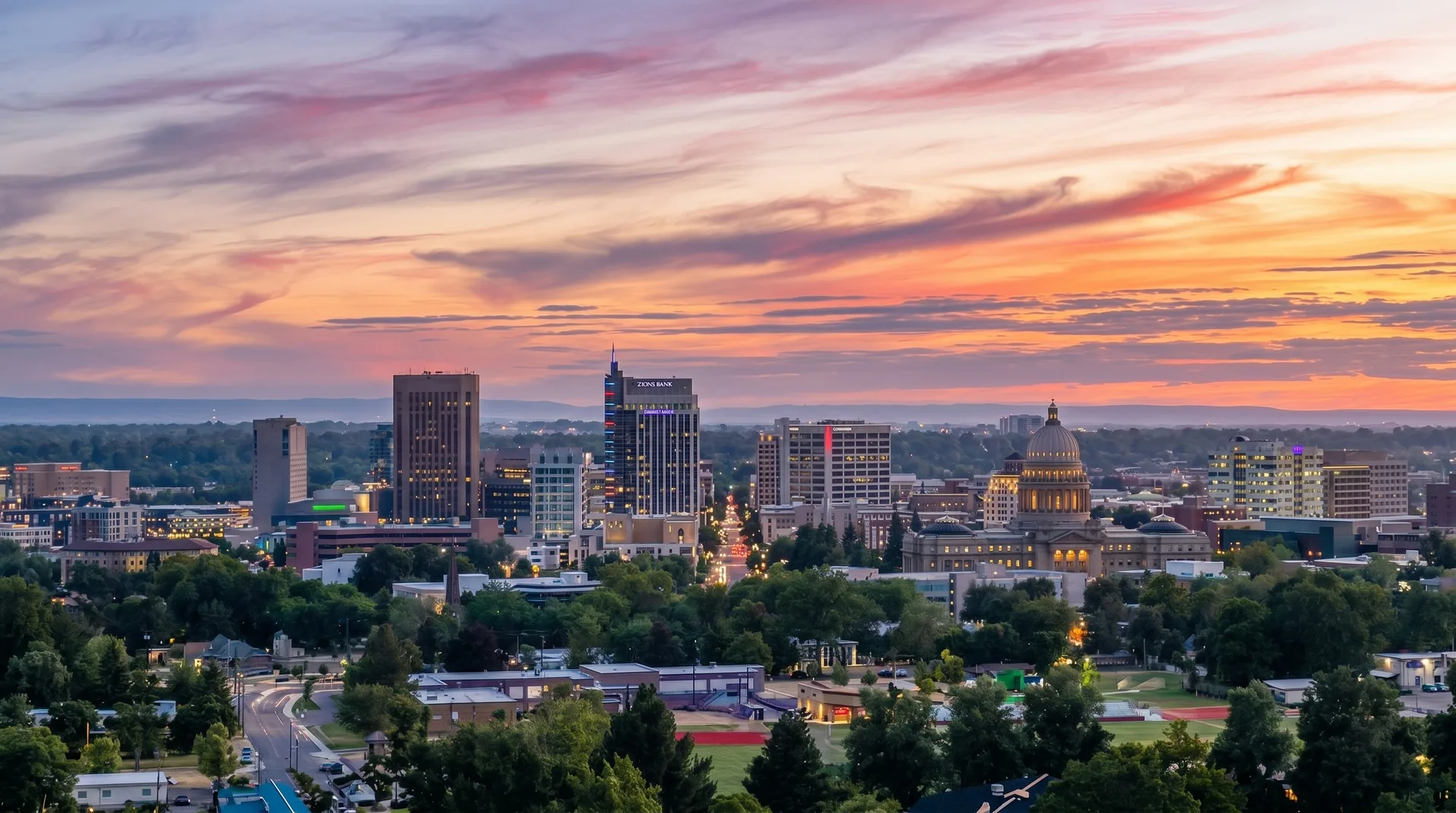
Boise, Idaho has emerged as a strategic logistics destination in the Northwestern United States, offering unique advantages for freight distribution. The city's location provides access to major transportation corridors connecting to the Pacific Northwest, Mountain States, and beyond. Boise's infrastructure includes the Boise Airport with growing cargo capabilities, rail connections through Union Pacific and BNSF, and highway access via I-84, which serves as a primary east-west freight route. The Treasure Valley region surrounding Boise continues to expand its logistics capabilities with new warehousing and distribution facilities to support economic growth.
The Boise economy is characterized by a diverse mix of industries including technology, agriculture, manufacturing, and outdoor recreation products. The city has become known as the "Silicon Slopes" due to its growing tech sector, while Idaho's agricultural heritage remains strong with potato processing, dairy, and food production playing significant roles. Boise's strategic location allows for efficient distribution to the Pacific Northwest, Mountain West, and serves as a gateway to markets in the Pacific Rim. The city's business-friendly environment and skilled workforce continue to attract companies seeking reliable logistics solutions for their supply chain operations.










