Tulsa to Baton Rouge
Baton Rouge → TulsaFTL freight transportation service between Tulsa and Baton Rouge. Reliable logistics solutions for your business.
Route Description
Everything you need to know about the corridor Tulsa - Baton Rouge
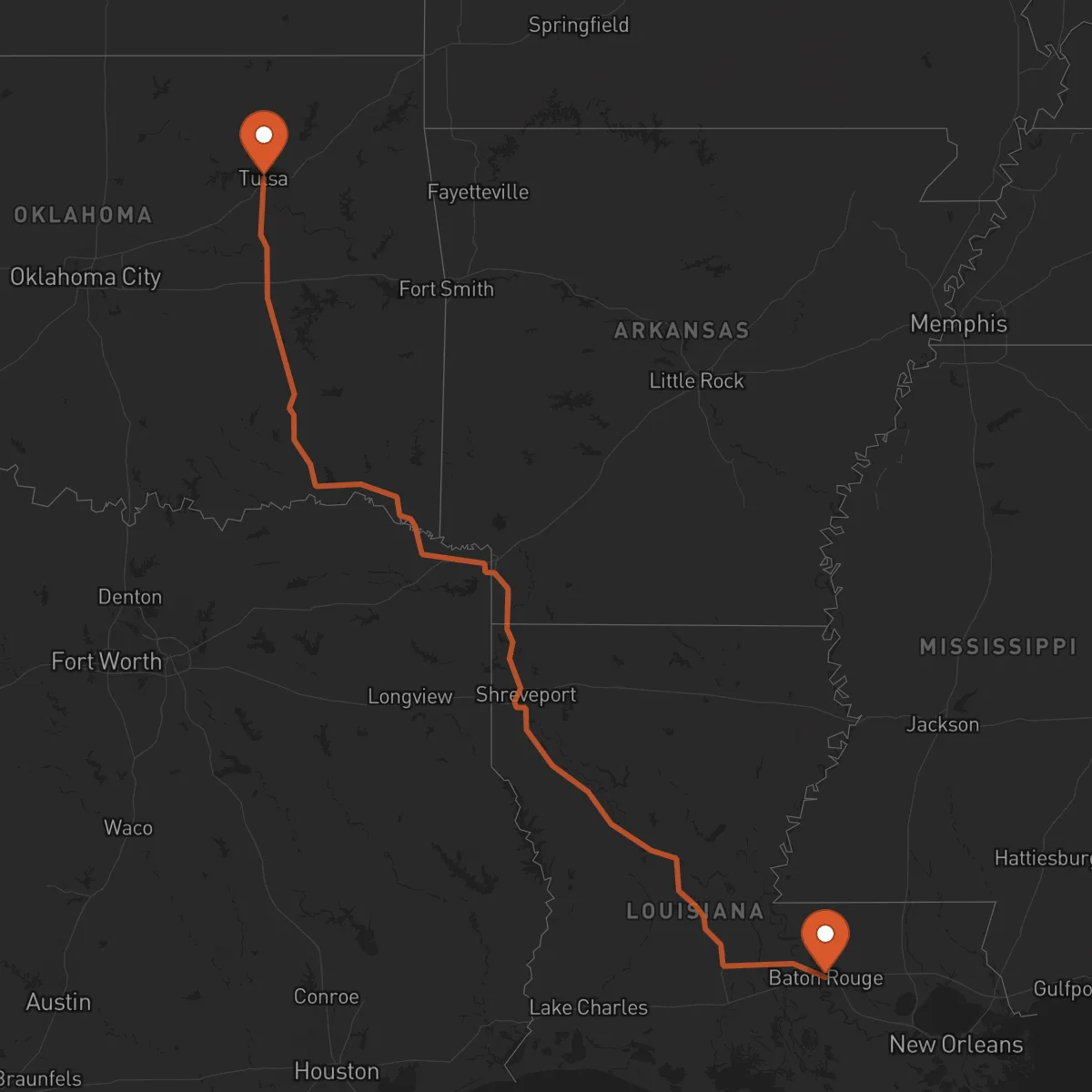
The Tulsa to Baton Rouge corridor represents a vital domestic logistics route connecting Oklahoma's industrial heartland with Louisiana's petrochemical and energy hub. This 775 km transportation link traverses the central United States, connecting major economic regions and facilitating the movement of goods between two strategically important states.
The corridor serves as a critical artery for industries including energy, manufacturing, agriculture, and petrochemical products. Tulsa's position as an energy and aerospace center complements Baton Rouge's role as a major petrochemical and industrial powerhouse along the Gulf Coast. This route enables efficient distribution of raw materials, finished products, and specialized equipment between these complementary economic zones.
Transportation infrastructure along this corridor includes major interstate highways such as I-44 and I-49, providing reliable and efficient ground transportation options. Control Terrestre leverages this robust infrastructure to offer seamless FTL freight services, ensuring timely and secure delivery of cargo between Tulsa and Baton Rouge. Our extensive network of certified carriers and strategic partnerships enables us to handle diverse freight requirements, from standard palletized goods to specialized and oversized cargo.
Control Terrestre's expertise in this corridor ensures that businesses can rely on consistent, professional transportation services. Our commitment to safety, efficiency, and customer satisfaction makes us the ideal partner for companies requiring dependable freight movement between these two important economic centers.
Services for this Route
Available services for the corridor Tulsa - Baton Rouge
 Origin
Tulsa
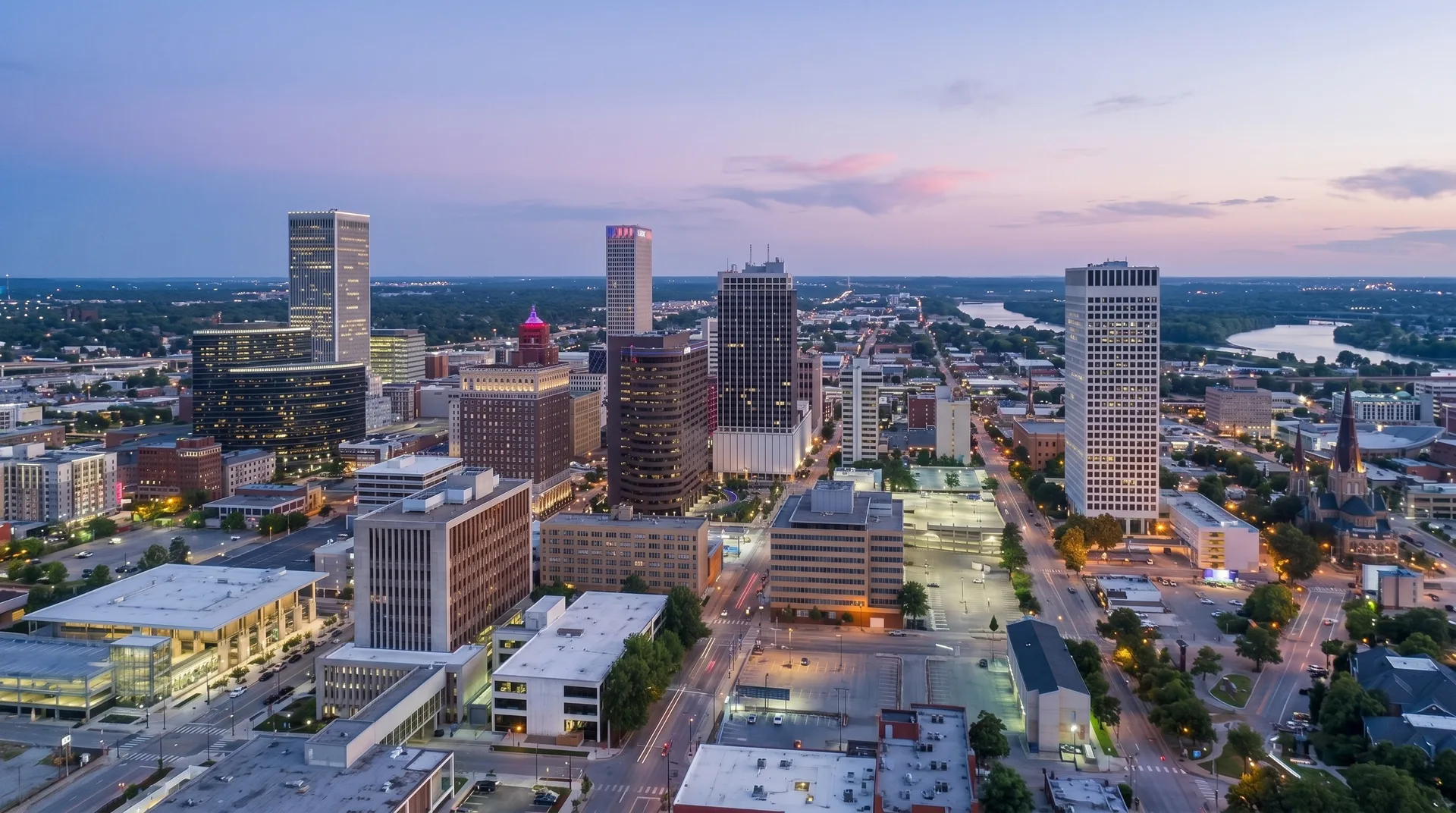
Tulsa, Oklahoma serves as a strategic logistics hub in the central United States, offering exceptional connectivity and infrastructure for freight transportation. The city's location provides access to major transportation networks, including interstate highways, rail systems, and the nearby Tulsa International Airport. Tulsa's economy is anchored by energy, aerospace, and manufacturing sectors, making it a crucial origin point for diverse freight shipments.
The city boasts extensive warehousing and distribution facilities, supported by a skilled logistics workforce and advanced supply chain infrastructure. Tulsa's proximity to major energy-producing regions and its established industrial base create consistent demand for reliable freight transportation services. The city's transportation infrastructure includes modern highways connecting to regional and national networks, facilitating efficient movement of goods to destinations across the country.
 Destination
Baton Rouge
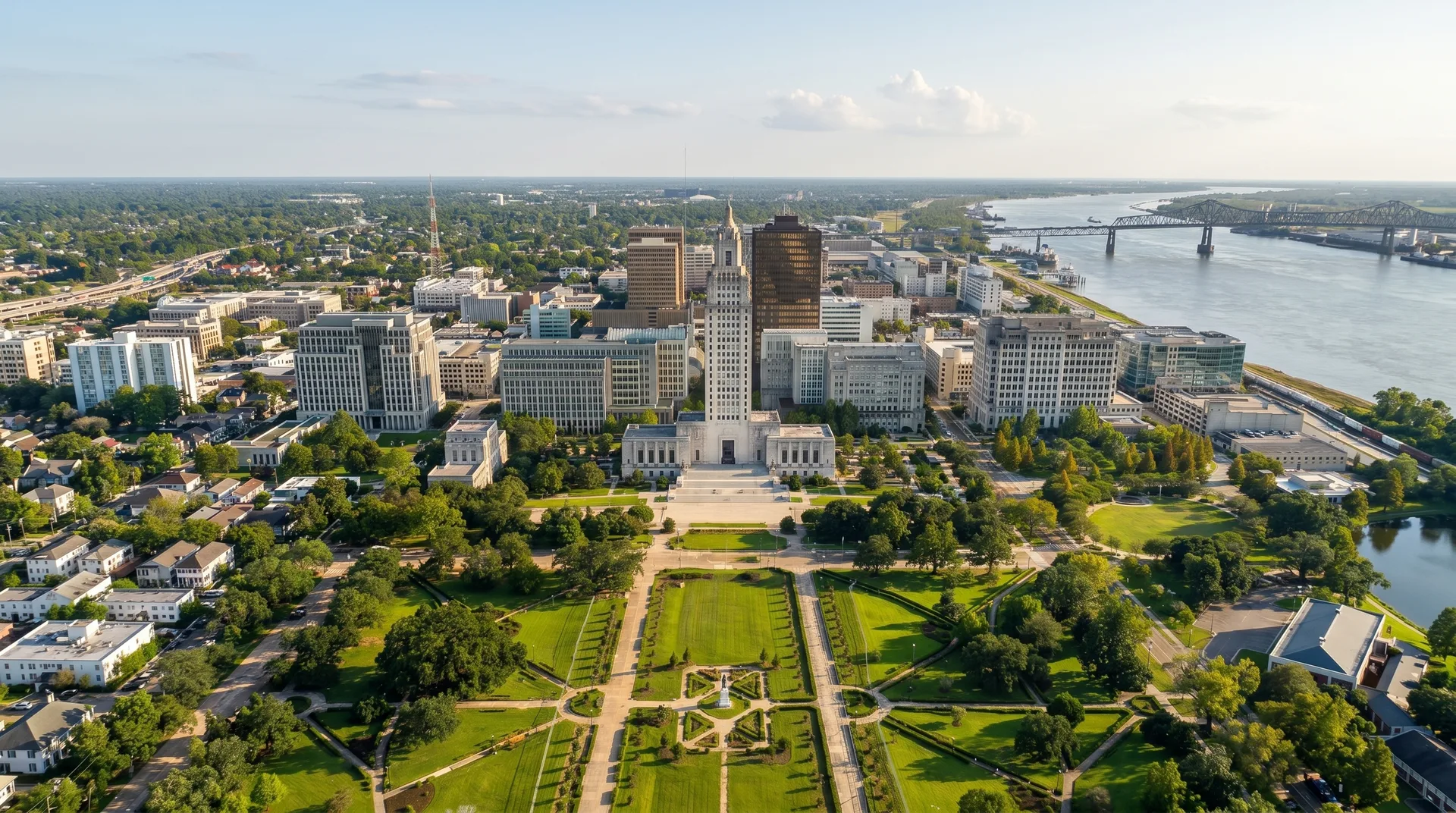
Baton Rouge, Louisiana stands as a critical logistics and industrial center along the Gulf Coast, offering strategic access to major ports, rail networks, and interstate highways. The city's location on the Mississippi River provides unique advantages for multimodal transportation, connecting inland freight movements with international shipping capabilities. Baton Rouge's economy is dominated by the petrochemical, manufacturing, and energy sectors, creating substantial demand for specialized freight transportation services.
The region features extensive industrial parks, chemical plants, and manufacturing facilities that require consistent and reliable logistics support. Baton Rouge's infrastructure includes modern highways, rail connections, and proximity to the Port of Greater Baton Rouge, enabling efficient distribution of goods throughout the southeastern United States. The city's role as a major energy and petrochemical hub ensures continuous movement of specialized cargo, equipment, and raw materials through its transportation networks.










