Baton Rouge to Tulsa
Tulsa → Baton RougeFTL freight transportation service between Baton Rouge and Tulsa. Reliable logistics solutions for your business.
Route Description
Everything you need to know about the corridor Baton Rouge - Tulsa
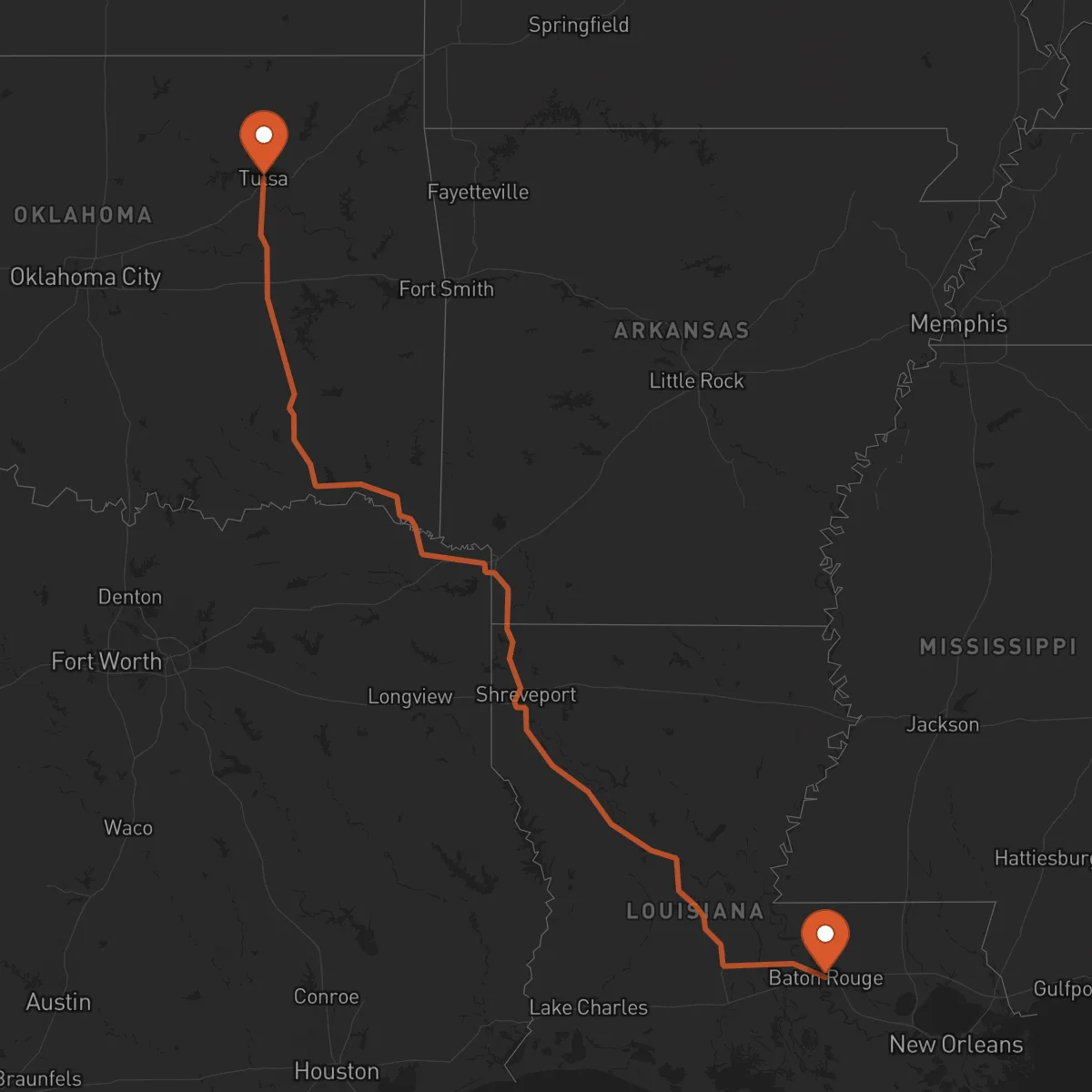
The Baton Rouge to Tulsa corridor represents a vital logistics link connecting the industrial heartland of Louisiana with the thriving economic center of Oklahoma. This 775-kilometer route traverses through the core of the southern United States, linking two major metropolitan areas that serve as crucial hubs for manufacturing, energy, and distribution. The corridor facilitates the movement of goods between the Gulf Coast's petrochemical and refining industries and the Midwest's manufacturing and agricultural sectors.
The transportation infrastructure along this route is robust, primarily utilizing Interstate 20 and Interstate 49 for the majority of the journey. These major highways provide efficient connectivity between Baton Rouge and Tulsa, passing through key cities such as Shreveport and Fort Smith. The route benefits from excellent road conditions and minimal elevation changes, making it ideal for consistent, year-round freight transportation.
Control Terrestre specializes in optimizing logistics operations along this corridor by providing dedicated full truckload services that ensure direct, non-stop delivery between these two strategic locations. Our extensive network of certified carriers and deep understanding of the regional transportation landscape allows us to offer reliable, efficient freight solutions that meet the demanding needs of industries operating along this vital supply chain link.
Services for this Route
Available services for the corridor Baton Rouge - Tulsa
 Origin
Baton Rouge
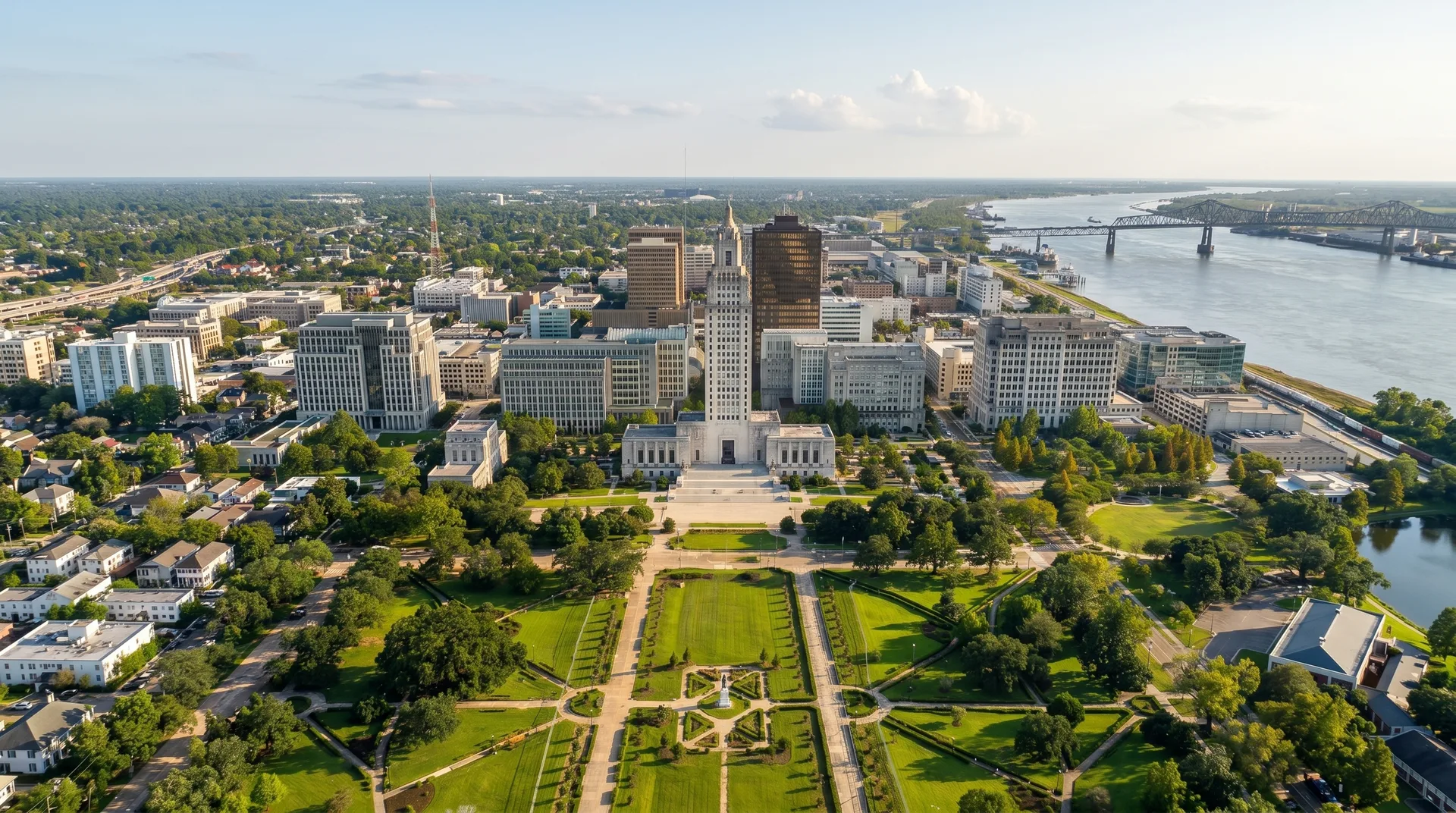
Baton Rouge, Louisiana serves as a strategic logistics hub positioned along the Mississippi River and at the intersection of major transportation corridors. The city's location provides direct access to the Gulf of Mexico via the Mississippi River, making it a critical gateway for both domestic and international freight. Baton Rouge's economy is heavily anchored in the petrochemical industry, with numerous refineries and chemical plants operating in the area, alongside significant presence in manufacturing, healthcare, and education sectors.
The city boasts excellent transportation infrastructure, including the Port of Greater Baton Rouge, one of the nation's largest inland ports, and multiple interstate highways including I-10 and I-12. The Baton Rouge Metropolitan Airport also provides air cargo capabilities, while the extensive rail network operated by Union Pacific and Kansas City Southern offers multimodal transportation options. This comprehensive infrastructure makes Baton Rouge an ideal origin point for freight distribution throughout the central and western United States.
 Destination
Tulsa
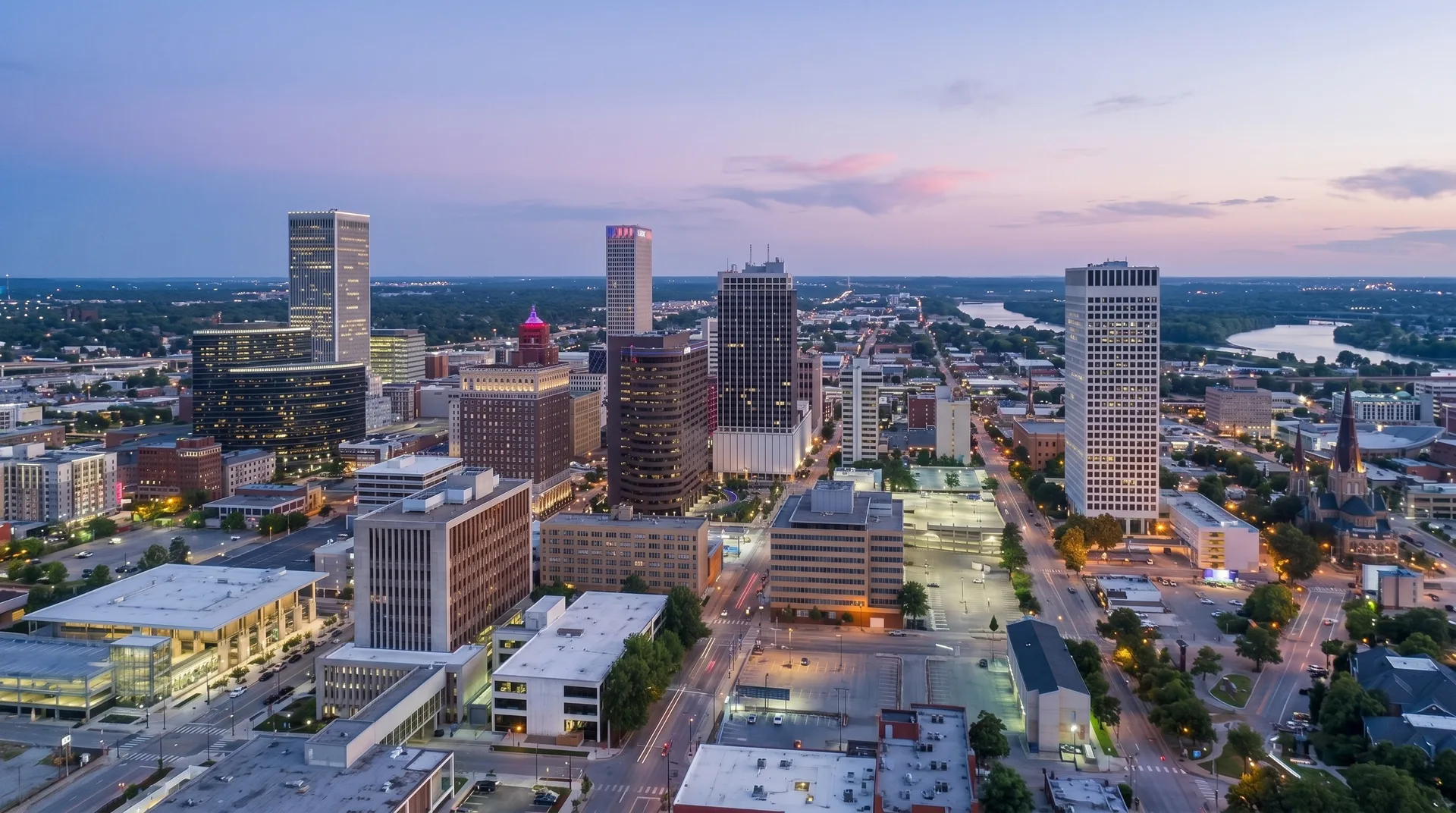
Tulsa, Oklahoma stands as a major logistics and distribution center in the heart of America's Midwest, strategically positioned to serve as a gateway to the central United States. The city's location at the crossroads of major interstate highways, including I-44 and I-244, provides exceptional connectivity to regional and national markets. Tulsa's economy has evolved from its historical roots in the oil industry to encompass diverse sectors including aerospace, manufacturing, healthcare, and technology, making it a dynamic commercial center.
The city offers robust transportation infrastructure, featuring the Tulsa International Airport with dedicated cargo facilities, an extensive rail network operated by BNSF and Union Pacific, and the Tulsa Port of Catoosa, providing inland waterway access via the McClellan-Kerr Arkansas River Navigation System. The presence of major distribution centers and warehousing facilities throughout the metropolitan area, combined with the city's central geographic location, makes Tulsa an optimal destination for freight consolidation and distribution to surrounding states.










