
Tulsa to Choluteca
Choluteca → TulsaFTL freight transportation service between Tulsa and Choluteca. Reliable logistics solutions for your business.
Route Description
Everything you need to know about the corridor Tulsa - Choluteca
The Tulsa to Choluteca corridor represents a vital cross-border logistics connection linking the industrial heartland of Oklahoma with one of Honduras' key economic centers. This 2,689 km route traverses multiple countries and serves as a critical artery for North American and Central American trade. The corridor facilitates the movement of diverse cargo types, from manufactured goods and agricultural products to industrial equipment and consumer merchandise, supporting the integrated supply chains between the United States and Central America.
The transportation infrastructure along this route includes major interstate highways in the United States, connecting to Mexico's comprehensive highway network before continuing through Guatemala and El Salvador into Honduras. Key border crossings include those between the United States and Mexico, with subsequent crossings managed through established trade routes in Central America. Control Terrestre's expertise in managing cross-border documentation, customs clearance, and compliance requirements ensures seamless transit across multiple jurisdictions.
This corridor is particularly significant for industries such as automotive manufacturing, agricultural exports, textile production, and electronics distribution. Companies operating between Tulsa's manufacturing and distribution centers and Choluteca's growing industrial sector rely on reliable, full truckload transportation services to maintain their supply chain efficiency. Control Terrestre's strategic partnerships with certified carriers across all countries along the route provide the capacity, reliability, and expertise needed to handle the complexities of this multi-country transportation corridor.
Services for this Route
Available services for the corridor Tulsa - Choluteca
 Origin
Tulsa
Tulsa, Oklahoma serves as a strategic logistics hub in the southern United States, benefiting from its central location and robust transportation infrastructure. The city is a major center for the energy sector, aerospace manufacturing, and logistics operations, with numerous warehouses, distribution centers, and manufacturing facilities supporting regional and national supply chains. Tulsa's access to major interstate highways, including I-44 and I-35, provides excellent connectivity to national freight networks and international trade routes through nearby ports and border crossings.
The region's industrial base includes energy equipment manufacturing, aviation components, agricultural machinery, and consumer goods production. Tulsa's logistics infrastructure features multiple freight terminals, rail connections, and proximity to major airports, making it an ideal origin point for full truckload shipments. The city's strategic position allows for efficient distribution throughout the central United States and provides optimal access to cross-border transportation networks serving Mexico and beyond.
 Destination
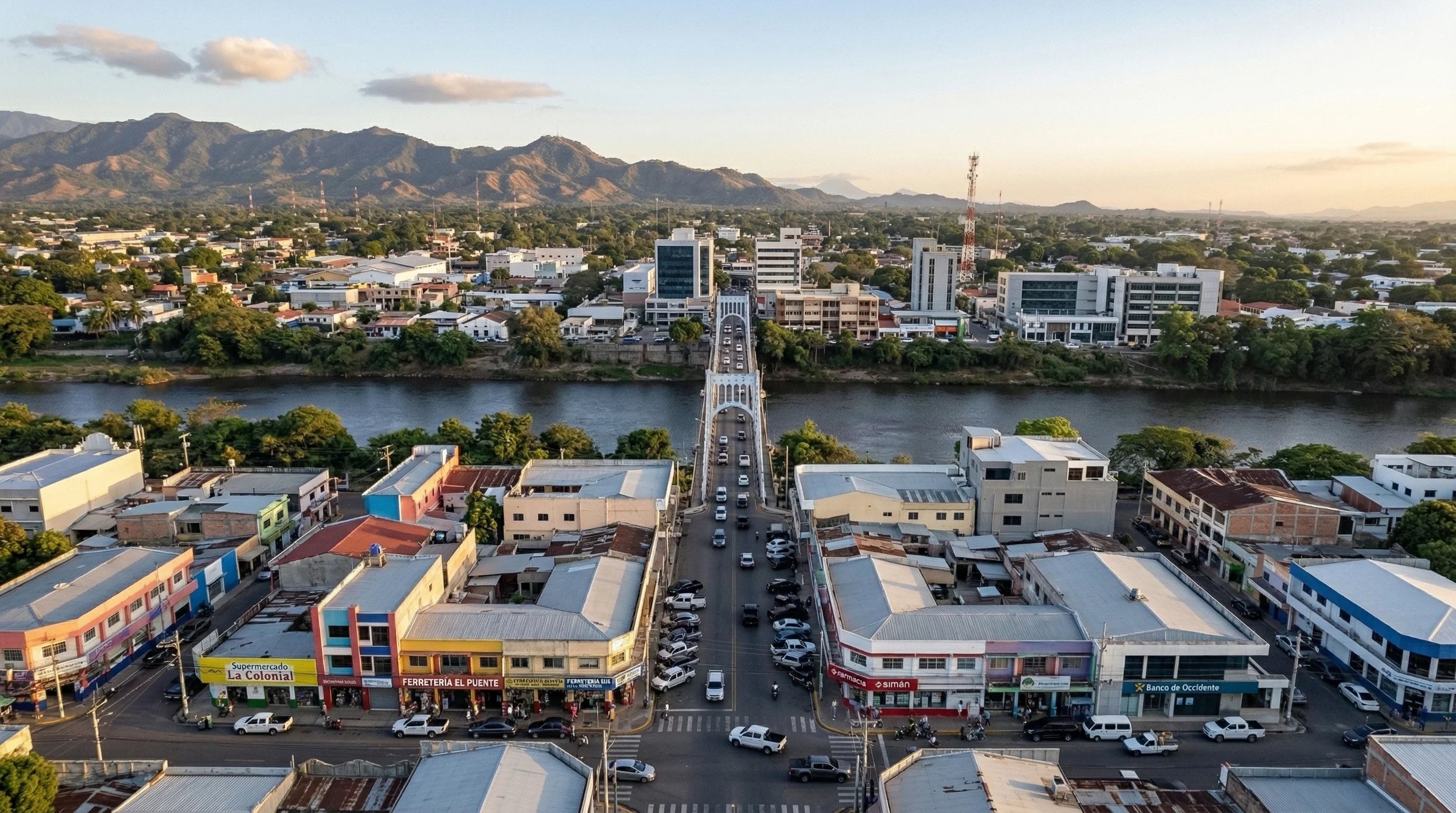
Choluteca, Honduras occupies a strategic position in southern Honduras, serving as a gateway to both Pacific and Atlantic trade routes. The city's location near the Gulf of Fonseca and its proximity to major agricultural regions make it a crucial distribution center for Central American commerce. Choluteca's growing industrial sector includes food processing, textile manufacturing, and agricultural product handling, supporting both domestic consumption and export markets.
The region benefits from improving transportation infrastructure, including the CA-1 highway that connects Choluteca to major cities throughout Honduras and neighboring countries. The city's port facilities and proximity to international borders facilitate efficient import and export operations. Choluteca's strategic location makes it an ideal destination for full truckload freight from North American origins, supporting the region's integration into global supply chains and its role in manufacturing and agricultural distribution networks.










