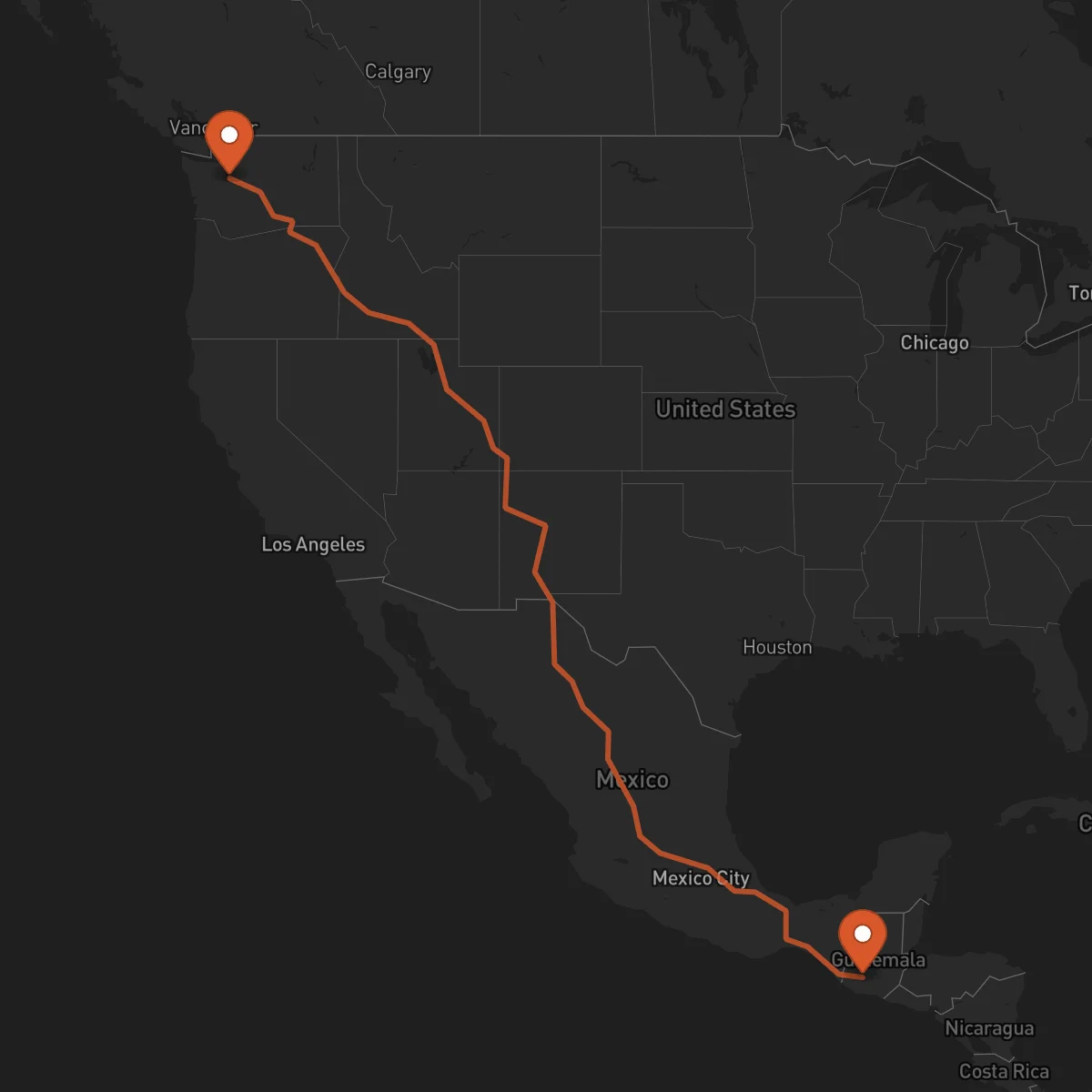
Seattle to Sololá
Sololá → SeattleFTL freight transportation service between Seattle and Sololá. Reliable logistics solutions for your business.
Route Description
Everything you need to know about the corridor Seattle - Sololá
The Seattle to Sololá corridor represents a critical North-South logistics artery connecting the advanced manufacturing and tech hub of the Pacific Northwest with the vibrant agricultural and artisanal heart of the Guatemalan highlands. Spanning approximately 4,641 kilometers, this cross-border route traverses the United States, Mexico, and Guatemala, demanding seamless coordination across multiple jurisdictions. Its strategic importance lies in enabling the efficient flow of high-value goods, raw materials, and specialized cargo between two economically distinct but complementary regions, supporting supply chains that require reliability and expertise in international regulations.
Economically, the corridor links Seattle's diverse industrial base—dominated by aerospace, technology, and clean energy manufacturing—with Sololá's economy, which thrives on agriculture (notably coffee and vegetables), textile production, and traditional crafts. Key industries utilizing this route include manufacturers shipping components and finished goods, agricultural exporters moving perishable products, and companies importing specialized equipment or raw materials. The demand is driven by the need for controlled, secure, and timely transportation of goods that often require specific handling, such as temperature-controlled or oversized shipments.
Infrastructure along the route leverages major U.S. highways like I-5 and CA-99, transitioning through Mexico's federal highway network before entering Guatemala via the CA-1. A primary border crossing for this corridor is at Tecún Umán (Guatemala)/Ciudad Hidalgo (Mexico), a bustling port of entry that handles significant commercial traffic. Navigating customs and compliance is complex, involving U.S., Mexican, and Guatemalan authorities, with requirements for documentation, duties, and safety programs like C-TPAT and FAST for expedited clearance. Control Terrestre facilitates these operations by leveraging our alliance of certified providers. We manage the entire journey as a unified FTL solution, handling cross-border documentation, coordinating with customs brokers, and ensuring compliance with all international regulations. Our expertise in dedicated and specialized cargo, combined with providers holding certifications like BASC and Responsible Care, allows us to mitigate risks and provide a streamlined, human-centric service for this challenging corridor.
The transportation infrastructure is robust but varies by country. In the U.S., the route benefits from well-maintained interstate systems. Mexico's federal highways are generally paved but can present variable conditions, requiring experienced drivers. Guatemala's CA-1 is a primary paved route but navigating the highlands near Sololá involves mountainous terrain and smaller roads. Control Terrestre's network includes equipment suited for these conditions, such as 53' dry vans, refrigerated units for perishables, and flatbeds for oversized industrial goods. We do not consolidate freight; instead, we assign a dedicated truck or the appropriate specialized equipment for each shipment, ensuring security and efficiency from door in Seattle to door in Sololá.
Services for this Route
Available services for the corridor Seattle - Sololá
 Origin
Seattle
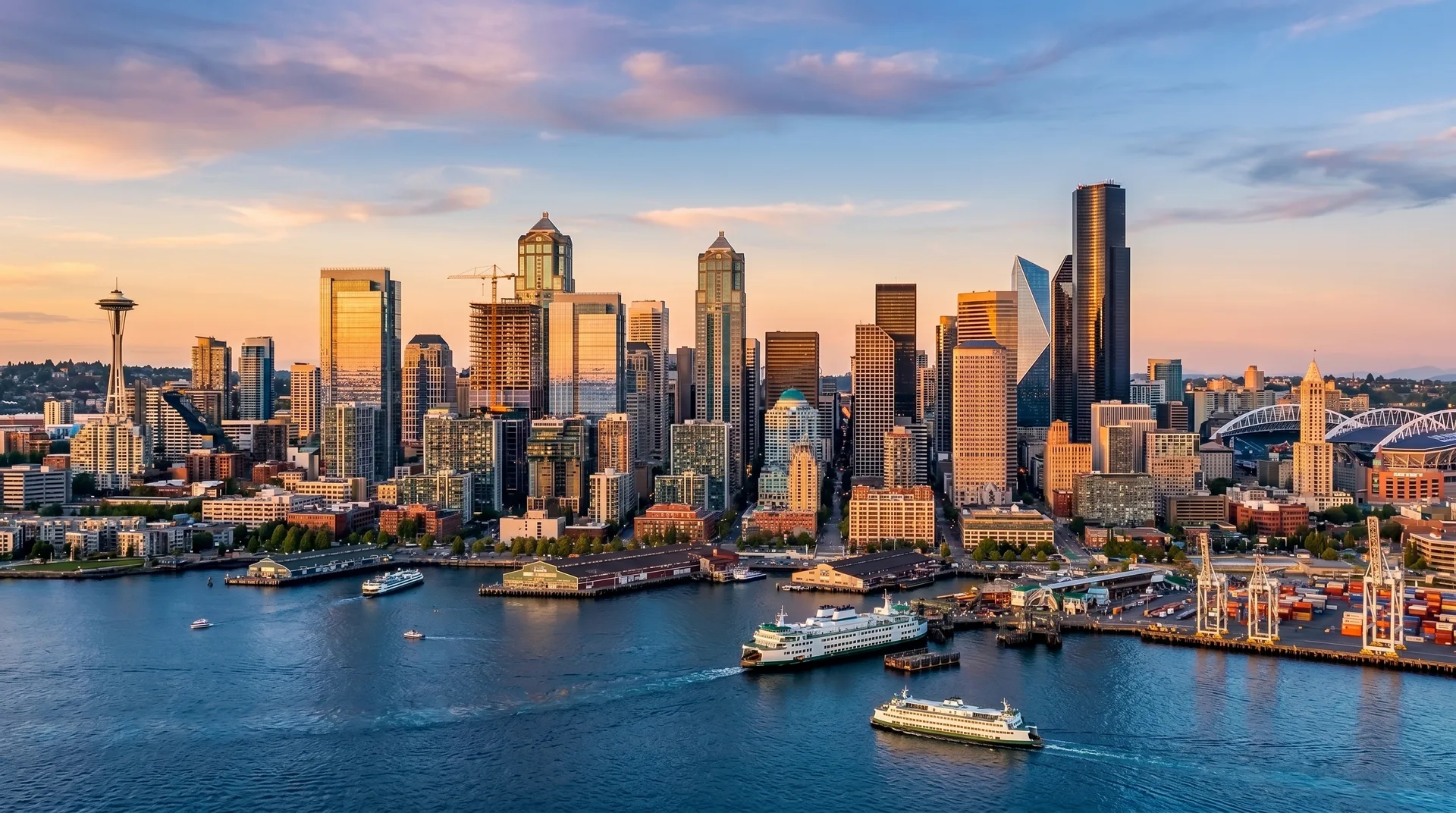
Seattle, Washington, is a premier strategic logistics origin due to its world-class port, Seattle-Tacoma International Airport, and a dense network of highways and railroads. The Port of Seattle is a major gateway for trade with Asia and a critical hub for domestic and international containerized cargo, providing seamless ocean-to-rail and ocean-to-truck connections. The city's economy is powered by high-value sectors: aerospace (Boeing), technology (Microsoft, Amazon), clean energy, and advanced manufacturing. These industries generate consistent demand for outbound freight, shipping everything from aircraft components and computer servers to renewable energy equipment. The region's infrastructure is exceptionally developed, with Interstate 5 serving as the primary north-south corridor and State Route 99 providing an alternate route, both connecting directly to major distribution centers and industrial parks in the surrounding Puget Sound area. This robust foundation allows Control Terrestre to efficiently consolidate FTL shipments from diverse origins across Western Washington, offering reliable dispatch points for long-haul cross-border corridors like the one to Sololá.
 Destination
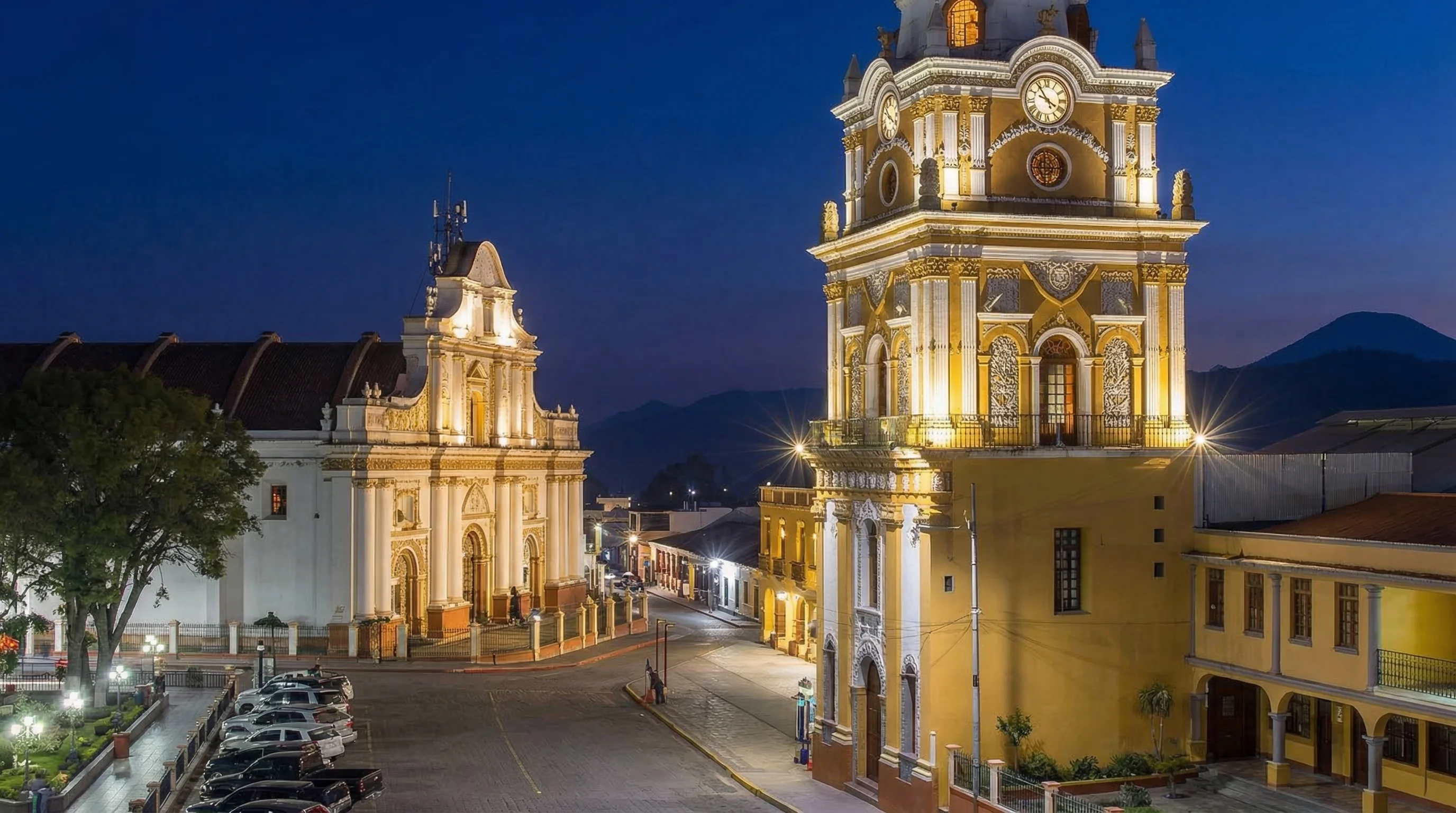
Sololá, located in the Guatemalan highlands, is a strategic destination as the commercial and transportation capital of its department. Its logistics significance stems from its role as a central hub for the surrounding agricultural region, which is famous for coffee production, vegetable cultivation, and flower farming. The city also supports a vibrant textile and handicraft industry. While not possessing a major seaport or international airport itself, Sololá's infrastructure is defined by its road connections. It sits along the CA-1 highway (Carretera Panamericana), which is the main paved artery running through Guatemala and connects to key border crossings like Tecún Umán. From Sololá, a network of regional roads distributes goods to remote highland communities and farms. The terrain is mountainous, requiring vehicles capable of handling inclines and potentially winding roads. Control Terrestre's operations here focus on precise door-to-door delivery, navigating the final-mile challenges of the highlands. We leverage our providers' local expertise and appropriate equipment, such as curtain-side units for delicate cargo or dry vans for manufactured goods, to ensure shipments reach their final destination efficiently despite the geographical complexities.










