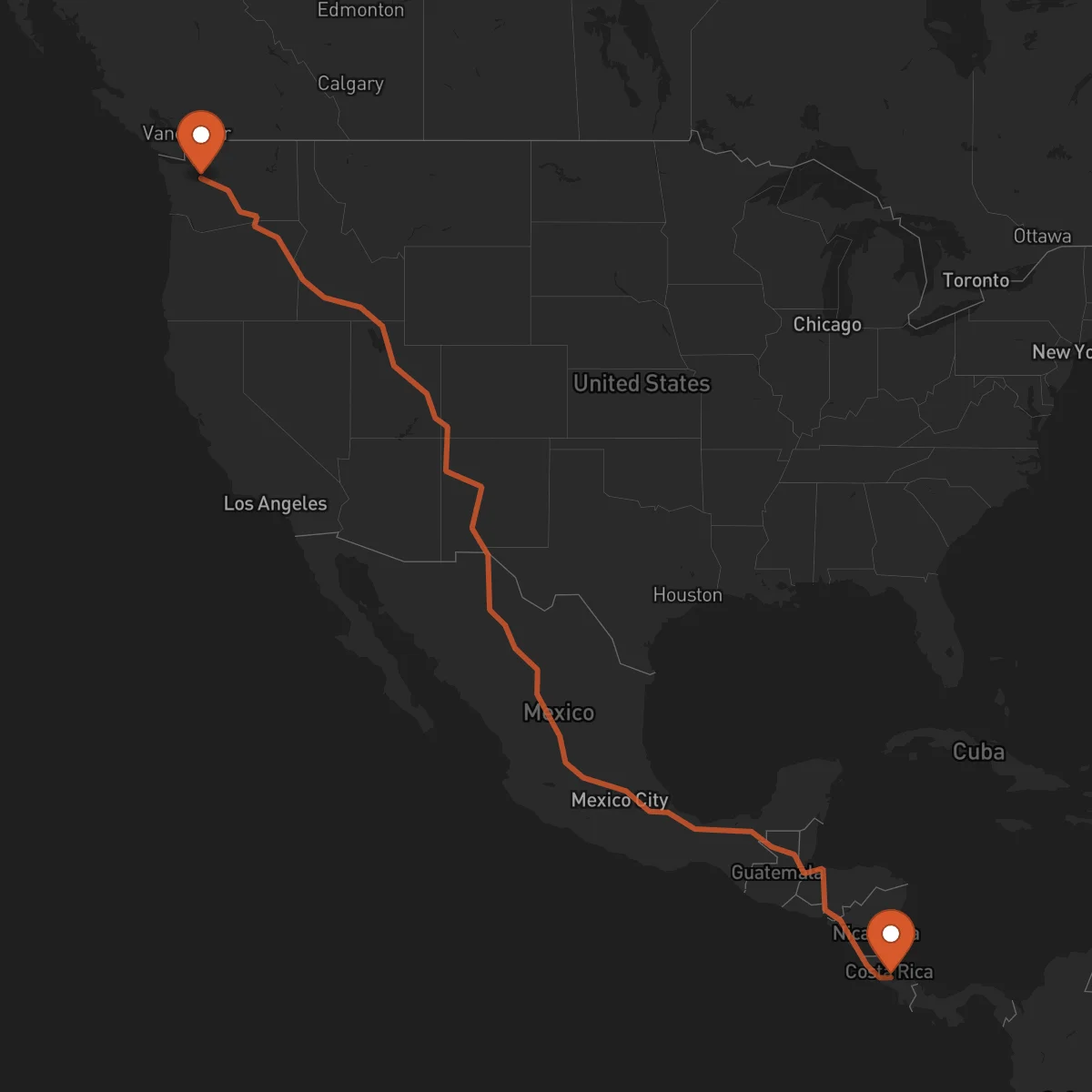
Seattle to San José
San José → SeattleFTL freight transportation service between Seattle and San José. Reliable logistics solutions for your business.
Route Description
Everything you need to know about the corridor Seattle - San José
The Seattle to San José corridor represents a critical transcontinental freight link connecting the Pacific Northwest of the United States with the heart of Central America. Spanning approximately 5,508 kilometers, this cross-border route is a vital artery for trade, facilitating the movement of goods between two dynamic economic zones. Its strategic importance lies in bridging the advanced manufacturing and tech ecosystems of the U.S. Pacific Northwest with the growing industrial and agricultural markets of Costa Rica and the broader Central American region, supported by key North American trade agreements.
Economically, the corridor serves a diverse range of high-value industries. From Seattle, cargo often includes aerospace components, technology hardware, specialty agricultural products (like seafood and fruits), and manufactured goods. Upon reaching Central America, the flow reverses with imports such as electronics, machinery, and consumer goods, while exports from the region feature coffee, bananas, medical devices, and textiles. This bi-directional trade underscores the corridor's role in integrated supply chains.
Transportation infrastructure is robust yet complex. The journey primarily utilizes the U.S. Interstate Highway system (I-5 south to the Mexican border), transitions through Mexico's federal highways (including the crucial toll road corridor to the Guatemala border), and continues via the SIEPAC highway network through Central America to Costa Rica. Key border crossings, such as Nogales (U.S.-Mexico) and the various Central American frontier points, require meticulous customs coordination. Control Terrestre navigates these complexities by leveraging our alliance of certified providers, holding C-TPAT, FAST, and BASC certifications to streamline processes and ensure compliance. We provide dedicated FTL solutions, including refrigerated and specialized equipment, to manage the entire door-to-door journey seamlessly, transforming this lengthy corridor into a reliable, single-point-of-contact solution for our clients.
Main industries utilizing this corridor include technology and electronics manufacturing, aerospace, perishable agriculture (seafood, produce), coffee and banana exports, medical equipment, and general manufactured goods. The route's efficiency is paramount for time-sensitive and high-value shipments where consolidated (LTL) freight is not a viable option.
Services for this Route
Available services for the corridor Seattle - San José
 Origin
Seattle
Seattle, Washington, is a premier strategic logistics hub for the Pacific Northwest and a primary gateway for international trade. Its location provides direct access to major West Coast ports, including the Port of Seattle and Port of Tacoma, which are among the top U.S. container ports. The city is an economic powerhouse, driven by dominant sectors such as aerospace (Boeing), technology (Microsoft, Amazon), biotechnology, and clean technology. Its robust infrastructure includes Interstate 5, the primary north-south artery on the West Coast, extensive rail intermodal facilities, and Seattle-Tacoma International Airport. This multimodal capacity makes it an ideal origin point for long-haul, full truckload (FTL) shipments destined for Latin America, offering efficient consolidation from marine and air cargo into overland transport.
 Destination
San José
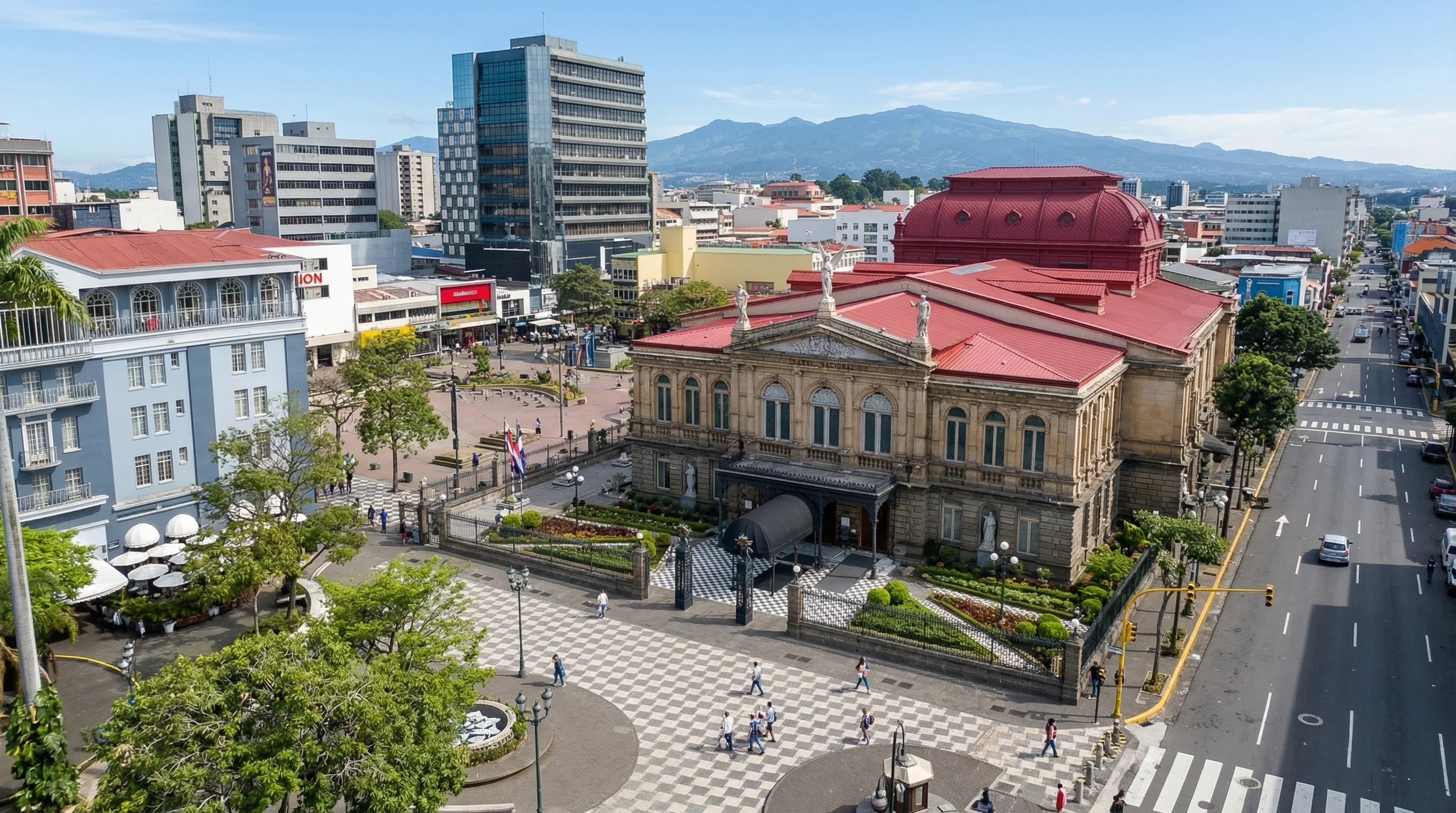
San José, the capital of Costa Rica, serves as a central logistics and distribution nexus for the country and a key entry point for the Central American region. Strategically located in the Central Valley, it is well-connected to the country's primary ports: the Port of Limón on the Caribbean coast and the Port of Caldera on the Pacific. These ports handle significant container and bulk cargo traffic. San José's economy is diversified, with major industries including medical device manufacturing (a top global exporter), electronics, food and beverage processing, coffee production, and tourism-related goods. The city is the hub of Costa Rica's extensive highway network, connecting via Route 1 (part of the SIEPAC corridor) to the Nicaraguan border and onward through Central America. This infrastructure supports efficient FTL movements for both import distribution and export consolidation, making it a crucial terminus for corridors like Seattle-San José.










