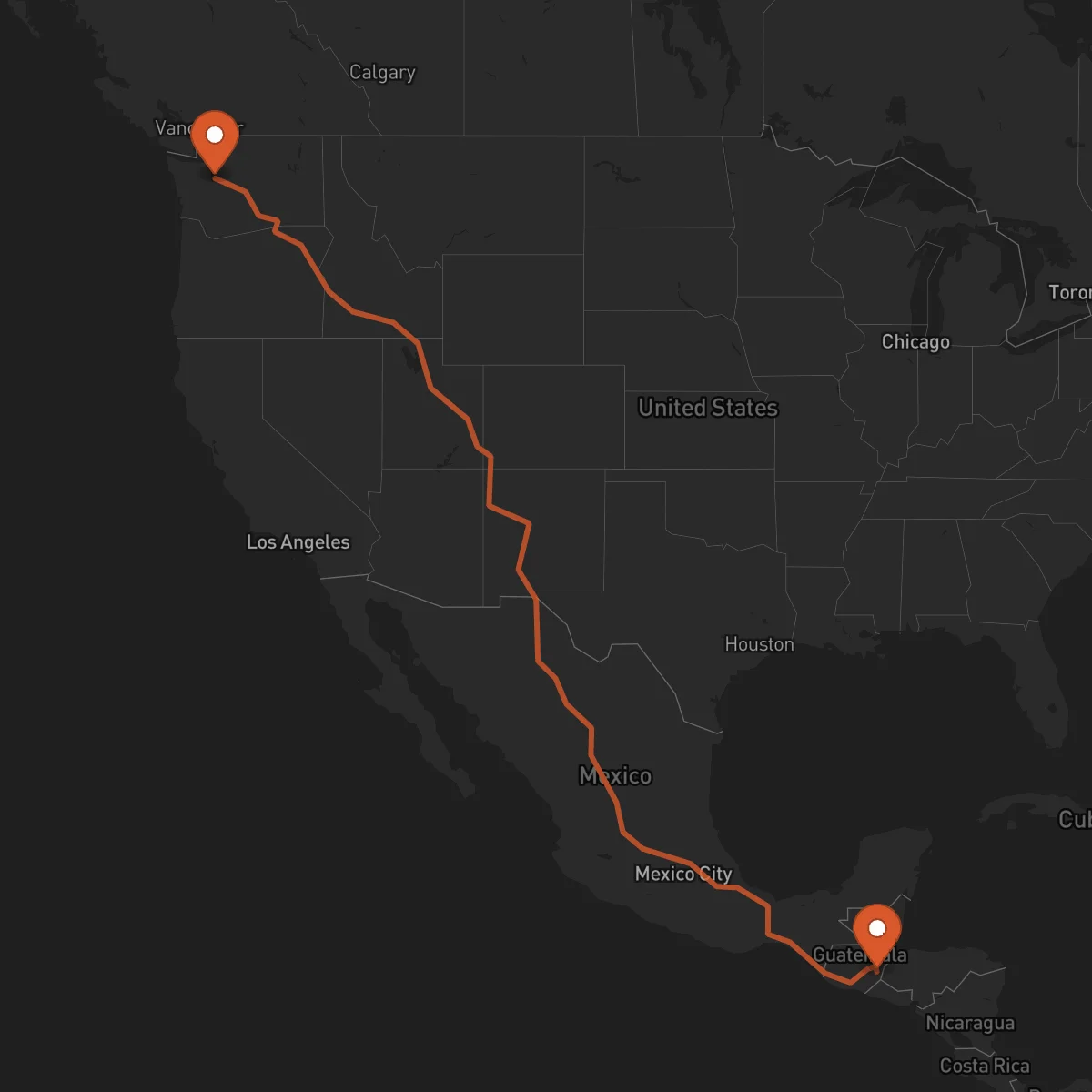
Seattle to Chiquimula
Chiquimula → SeattleFTL freight transportation service between Seattle and Chiquimula. Reliable logistics solutions for your business.
Route Description
Everything you need to know about the corridor Seattle - Chiquimula
The Seattle-Chiquimula corridor represents a critical north-south logistics link connecting the U.S. Pacific Northwest with the heart of Central America. This strategic route facilitates the movement of goods across approximately 4,732 kilometers, bridging major economic zones and enabling trade between advanced manufacturing and agricultural sectors. The corridor's importance is amplified by its role in integrating the Port of Seattle's export capacity with Guatemala's growing consumer and industrial markets, while navigating the complex customs landscapes of the United States, Mexico, and Guatemala.
Economically, this corridor serves dynamic regions. Seattle is a hub for technology, aerospace, and clean energy exports, while Guatemala, and specifically the Chiquimula region, is vital for agricultural production, textiles, and consumer goods. Key industries leveraging this route include technology hardware, agricultural commodities (such as coffee and fresh produce), manufactured components, and construction materials. The infrastructure relies on a combination of the U.S. Interstate Highway System (primarily I-5 south to the Mexican border), Mexico's federal highway network (including routes like 150 and 190), and Guatemala's CA-9 highway, which provides direct access to Chiquimula and the Caribbean port of Puerto Barrios.
Border crossings are a pivotal operational consideration. The most efficient routing typically involves crossing from the U.S. into Mexico at a C-TPAT and FAST-certified location, such as El Paso-Ciudad Juárez or Laredo, to leverage streamlined customs procedures. From Mexico, freight proceeds through to the Guatemala-Mexico border crossing at Tecún Umán, requiring coordination for Guatemalan customs clearance. Control Terrestre facilitates seamless operations on this corridor through our robust alliance of transportation providers. Our partners hold essential certifications including C-TPAT, FAST, and BASC, which expedite U.S. and Mexican border processes. We exclusively manage full truckload (FTL) shipments—including dedicated, expedited, and specialized cargo—ensuring a direct, secure, and efficient door-to-door service tailored to the unique demands of this long-haul, cross-border route.
Services for this Route
Available services for the corridor Seattle - Chiquimula
 Origin
Seattle
Seattle, Washington, serves as a premier strategic logistics origin due to its status as a major Pacific gateway and economic engine. The city anchors the Seattle-Tacoma port complex, one of the largest container ports in the United States, providing direct maritime access to Asia and robust intermodal connections. Key industries driving outbound freight include aerospace (Boeing), technology (Microsoft, Amazon), clean energy, and agriculture (apples, wheat, seafood). The region's transportation infrastructure is exceptionally developed, centered on the I-5 corridor which runs north-south through the state, connecting to major Canadian and Mexican border crossings. This is supplemented by a comprehensive network of state highways, Class I railroads (BNSF, Union Pacific), and extensive warehousing and distribution facilities throughout the Puget Sound area, making it an optimal launch point for long-distance domestic and international freight.
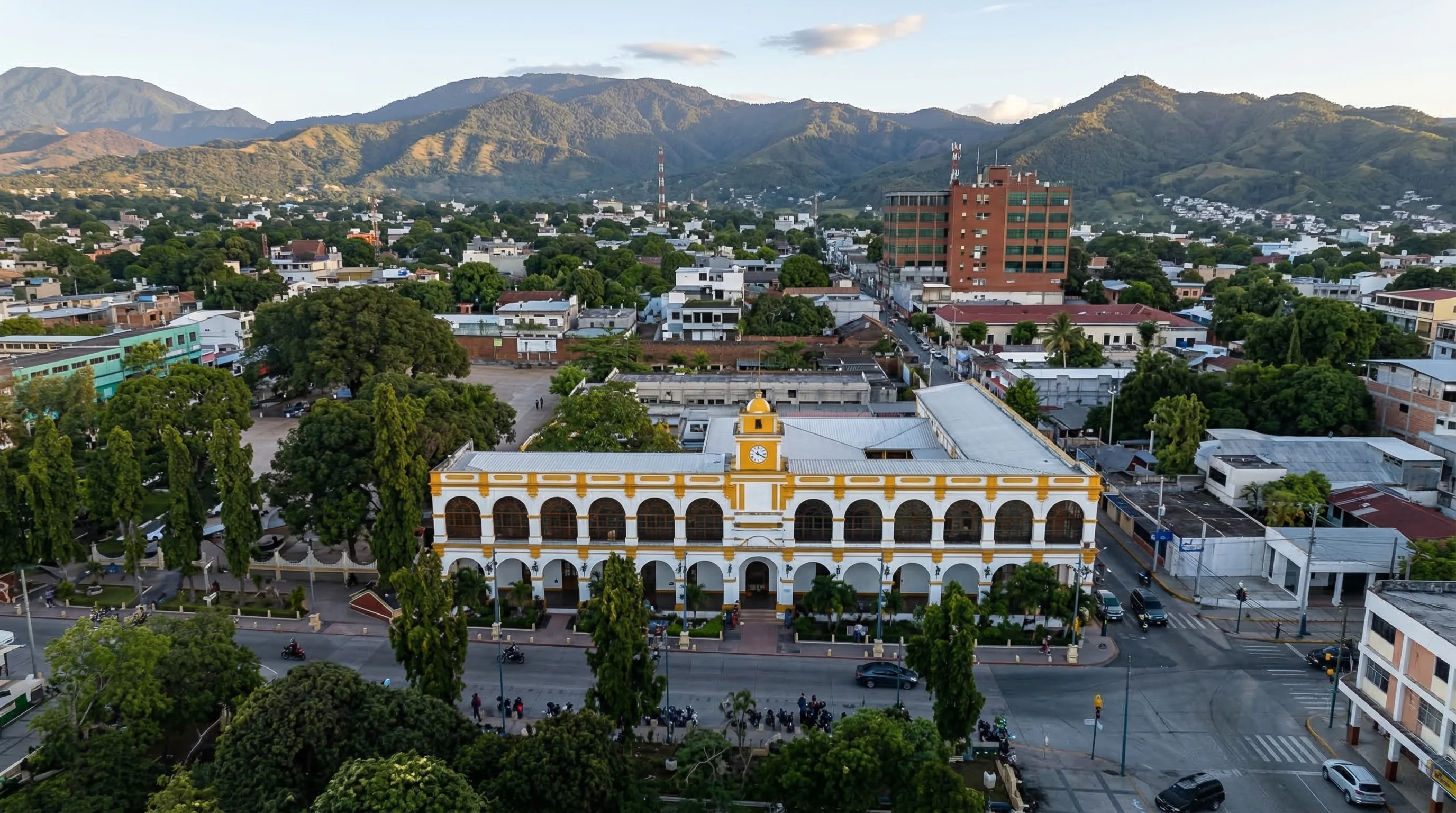 Destination
Chiquimula
Chiquimula, located in eastern Guatemala, is a strategically important logistics destination as a commercial and agricultural hub for the region. It serves as a primary gateway for goods entering Guatemala from the north and a distribution center for the eastern departments. The local economy is heavily based on agriculture, producing coffee, cardamom, citrus fruits, and maize, alongside growing textile and light manufacturing sectors. Its infrastructure is defined by its position along the CA-9 highway, the main arterial road connecting Guatemala City to the Caribbean port of Puerto Barrios, facilitating both domestic distribution and maritime export/import links. While the road network is functional, it requires experienced navigation, particularly for oversized or time-sensitive shipments. The city's proximity to the borders with Honduras and El Salvador also makes it a node for broader Central American trade flows, underscoring its value as a destination point.










