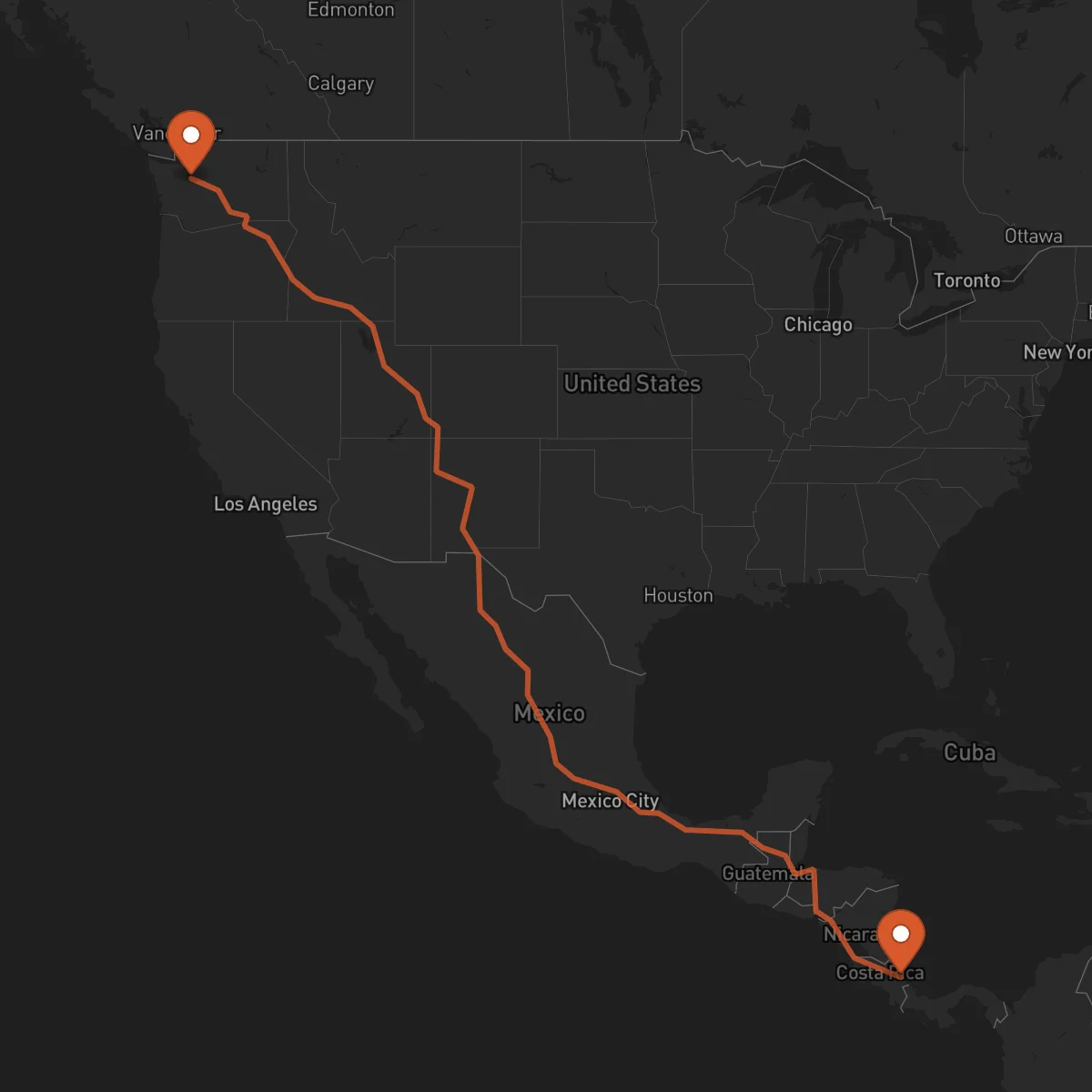
Seattle to Limón
Limón → SeattleFTL freight transportation service between Seattle and Limón. Reliable logistics solutions for your business.
Route Description
Everything you need to know about the corridor Seattle - Limón
The Seattle-Limón corridor represents a critical transcontinental logistics artery, connecting the Pacific Northwest of the United States with the Caribbean coast of Central America. This strategic route facilitates the flow of goods between major industrial hubs and key port facilities, serving as a vital link for supply chains spanning North and Central America. Its importance lies in enabling efficient trade for industries on both ends, bridging the technological and manufacturing centers of the U.S. with the agricultural and resource-rich economies of Central America. Control Terrestre operates this corridor through our strategic alliances, providing dedicated full truckload (FTL) solutions that navigate its complexities with expertise.
Economically, the corridor supports diverse industrial activity. Seattle is a major hub for technology, aerospace, and international trade, exporting high-value manufactured goods and importing raw materials. Limón serves as Costa Rica's primary Caribbean port, handling significant volumes of bananas, pineapples, and other tropical produce, alongside general cargo and imports for the region. Key industries utilizing this route include agriculture (fresh produce), manufacturing, retail distribution, and industrial equipment. The movement of refrigerated goods, standard dry freight, and specialized cargo like oversized machinery defines the traffic profile.
Transportation infrastructure relies on a combination of major U.S. highways like I-5 and I-90, transitioning through Mexico's federal highway network (e.g., Fed. 150, Fed. 190) and Central America's CA-1 and other regional routes. The corridor involves multiple international border crossings, primarily between the U.S. and Mexico, and subsequently between Mexico and Guatemala, and through Honduras, Nicaragua, and Costa Rica. Customs and regulatory compliance are paramount. Our providers hold essential certifications such as C-TPAT and FAST for expedited U.S.-Mexico crossings, and BASC for security standards throughout Central America, ensuring smoother border processes.
Control Terrestre facilitates seamless operations on this complex corridor by leveraging our alliance network of certified carriers experienced in cross-border logistics. We manage the entire door-to-door process, coordinating documentation, customs brokerage support, and transit. Our access to a full range of equipment—including 53' dry vans, reefers for temperature-sensitive cargo, flatbeds for oversized items, and tankers—ensures we can match any shipment requirement. We handle the intricate border procedures and transit coordination, providing our clients with a single, reliable point of contact for their FTL needs across this extensive route.
Services for this Route
Available services for the corridor Seattle - Limón
 Origin
Seattle
Seattle, Washington, is a premier strategic logistics origin due to its world-class deep-water port, the Port of Seattle, which is a major gateway for trade with Asia and Alaska. The city is an economic powerhouse, driven by dominant sectors such as technology (Microsoft, Amazon), aerospace (Boeing), maritime trade, and clean energy. This industrial base generates consistent demand for outbound freight, including manufactured components, tech hardware, and general cargo. The region's transportation infrastructure is exceptionally robust, anchored by Interstate 5 (I-5), which runs north-south through the city and connects to the Canadian border and California. I-90 provides a direct east-west link. Furthermore, Seattle is a major rail hub with extensive intermodal facilities and is served by several major freight railroads, offering multimodal flexibility. The city's location provides direct access to key U.S. and Canadian markets and efficient connections southward toward the Mexican border.
 Destination
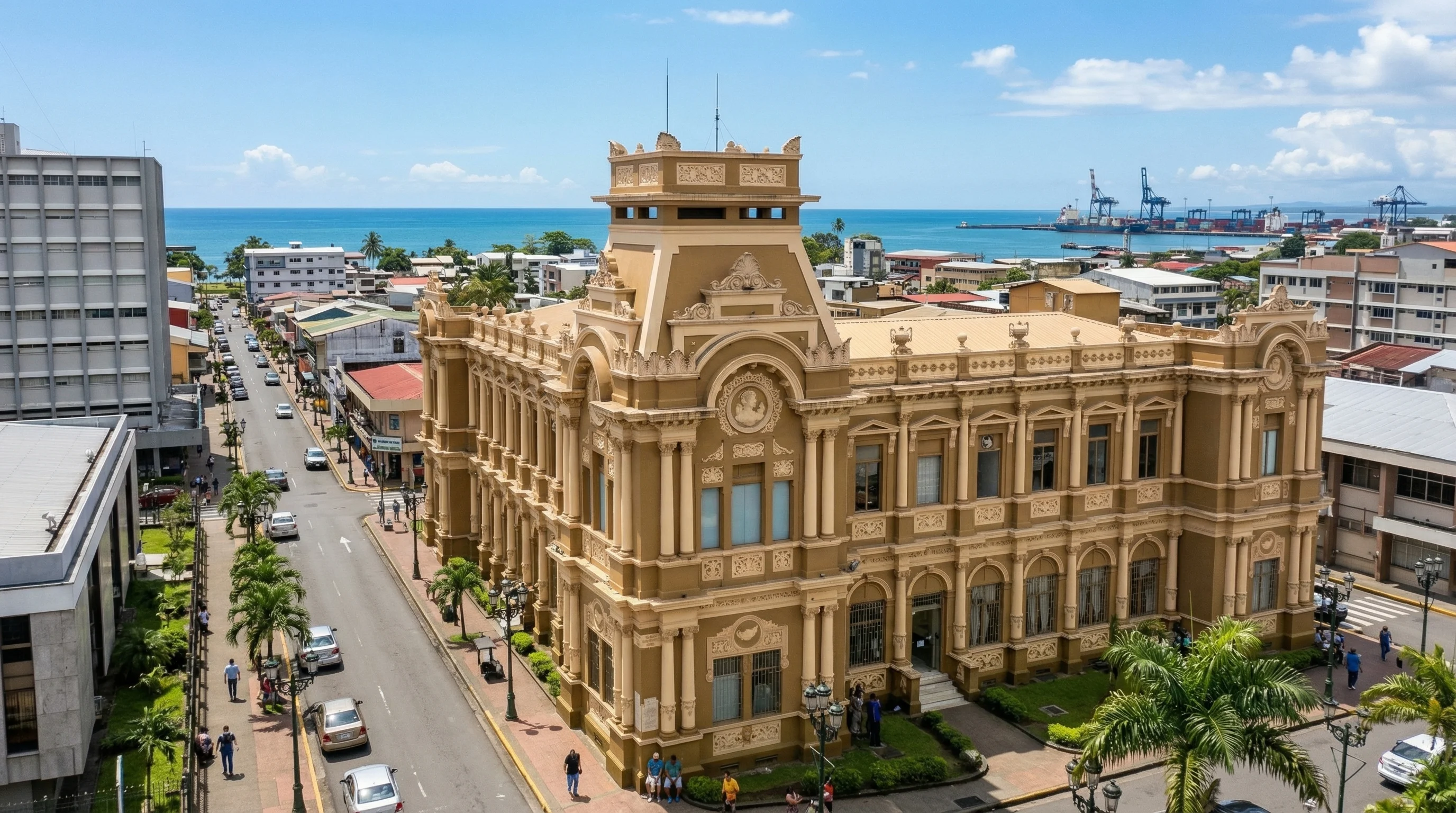
Limón
Limón, located on Costa Rica's Caribbean coast, is a strategically vital destination as the nation's primary seaport, the Port of Limón. It handles the vast majority of Costa Rica's international cargo, making it the logistical nexus for the country's imports and exports. The province's economy is heavily centered on agriculture, particularly banana and pineapple plantations, which require efficient export logistics. Other key sectors include tourism (serving the Caribbean coast), and general cargo distribution for the Central American region. The main transportation infrastructure includes Route 32 (Ruta 32), the principal highway that connects Limón with the Central Valley and the capital, San José. This highway is critical for moving goods from the port inland. While the local road network is functional, the overall logistics flow depends heavily on the efficiency of the port and the condition of Route 32 for inland distribution throughout Costa Rica and into neighboring countries.










