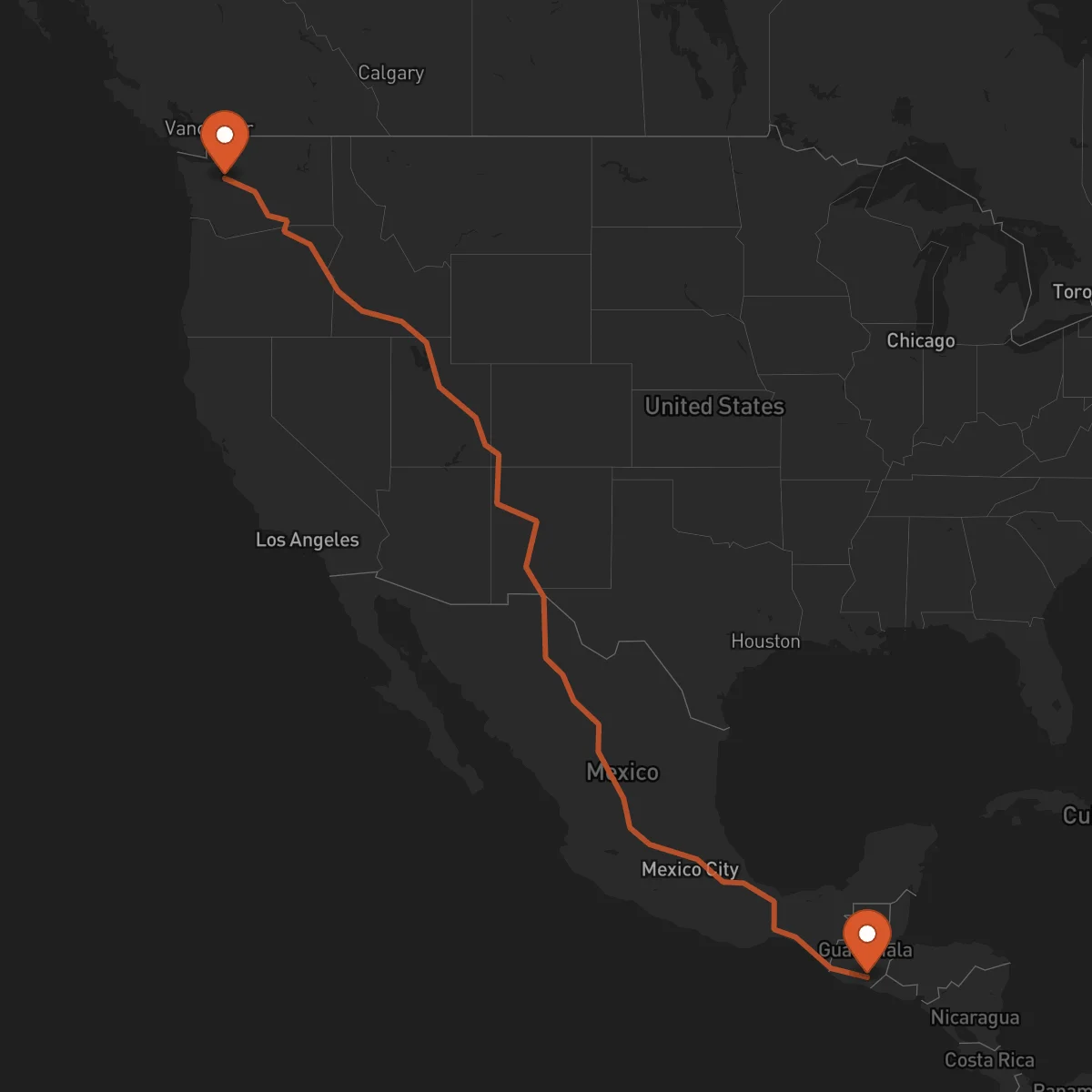
Seattle to Cuilapa
Cuilapa → SeattleFTL freight transportation service between Seattle and Cuilapa. Reliable logistics solutions for your business.
Route Description
Everything you need to know about the corridor Seattle - Cuilapa
The Seattle-Cuilapa corridor is a vital North American logistics artery connecting the Pacific Northwest of the United States with the heart of Central America. This strategic cross-border route spans approximately 4,738 km, serving as a critical trade bridge between major industrial hubs and emerging markets. The corridor facilitates the movement of goods through a complex network of highways and international borders, underpinned by key trade agreements that streamline commercial exchange.
Economically, this route links the technology, aerospace, and agricultural export economies of Washington State with the diverse manufacturing and agricultural sectors of Guatemala and the broader Central American region. Primary industries leveraging this corridor include technology hardware, agricultural products (particularly coffee and produce), manufactured goods, and industrial components. The reliability of full truckload (FTL) transport is essential for these sectors, where cargo integrity and timely, direct delivery are paramount.
The primary terrestrial infrastructure relies on a series of major highways: from Seattle, I-5 South through California, transitioning to Mexican federal highways like Mexico 15 and 200 along the Pacific coast. The critical international crossings involve the Mexico-Guatemala border at Ciudad Hidalgo/Tecún Umán and the US-Mexico border at points like El Paso or Laredo, depending on the specific route optimization. Navigating customs and regulatory compliance at these crossings requires expertise in documentation and procedures.
At Control Terrestre, we facilitate seamless operations on this demanding corridor through our alliance of specialized providers. Our network leverages certifications such as C-TPAT, FAST, and BASC to ensure secure and efficient cross-border processing. We coordinate dedicated and expedited FTL solutions, managing the complexities of multi-country transit—from US domestic handling through Mexican territory to final delivery in Guatemala—providing our clients with a single, expert point of contact for their end-to-end supply chain needs.
Services for this Route
Available services for the corridor Seattle - Cuilapa
 Origin
Seattle
Seattle, Washington, is a premier strategic logistics origin point on the US West Coast. Its global connectivity is anchored by the Port of Seattle, one of the nation's busiest container ports, providing direct ocean access to Asian and Pacific markets. Domestically, the city is the economic and tech hub of the Pacific Northwest, home to major industries in aerospace (Boeing), software, e-commerce, and clean technology. This creates a constant flow of high-value, time-sensitive manufactured goods and components requiring reliable long-haul transport.
The region's transportation infrastructure is exceptionally robust. Interstate 5 (I-5) is the primary north-south arterial, connecting Seattle directly to California and, by extension, to the Mexican border. Key intermodal facilities and rail yards support multimodal transfers, while Seattle-Tacoma International Airport handles significant air cargo. For FTL freight, the extensive highway network allows for efficient consolidation and dispatch from numerous distribution centers surrounding the city, making it an optimal launchpad for cross-continental and cross-border trucking operations into Mexico and beyond.
 Destination
Cuilapa
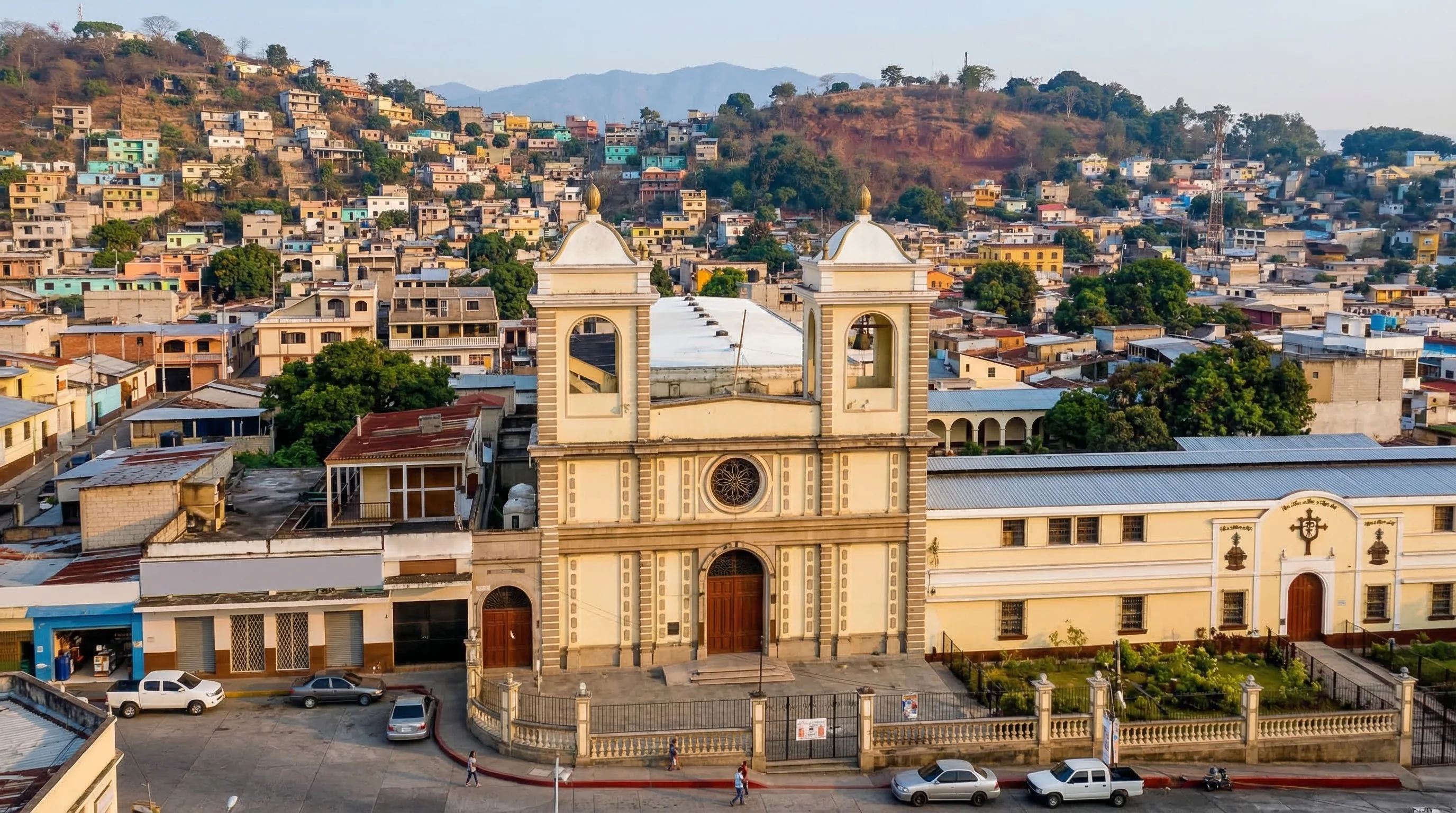
Cuilapa, located in the Santa Rosa department of Guatemala, serves as a strategic logistics destination in Central America's Southern corridor. Its significance stems from its position within Guatemala's primary agricultural heartland, the ' Oriente,' and its connectivity to the capital, Guatemala City, via well-maintained highways. The region is a major producer of sugarcane, coffee, bananas, and other tropical fruits, alongside growing light manufacturing and construction materials sectors, generating consistent demand for inbound raw materials and outbound finished goods.
Infrastructure for freight terminates primarily at the regional highway level, with Cuilapa acting as a key distribution node for the southeastern part of the country. The main access route is the CA-2 highway, which connects it to the Pacific coast ports (like Puerto Quetzal) and to the capital. While not a major metropolitan hub, its logistics importance is as a consolidation and deconsolidation point for cargo destined for or originating from this productive agricultural zone. Final-mile delivery from Cuilapa utilizes a network of secondary and tertiary roads, requiring flexible and experienced local transport partners to ensure efficient door-to-door service.










