Chiquimula to Seattle
Seattle → ChiquimulaFTL freight transportation service between Chiquimula and Seattle. Reliable logistics solutions for your business.
Route Description
Everything you need to know about the corridor Chiquimula - Seattle
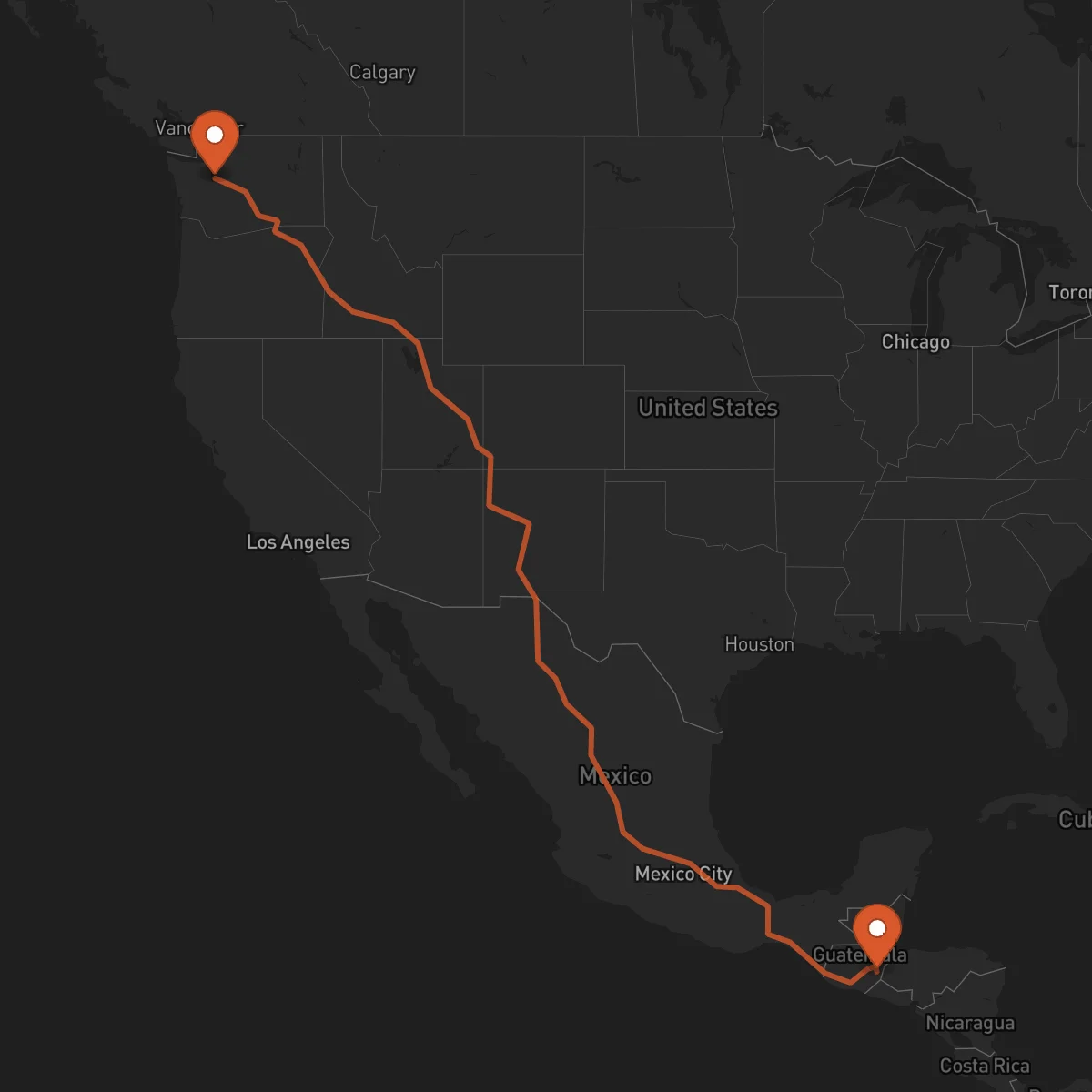
The logistics corridor connecting Chiquimula, Guatemala, to Seattle, Washington, represents a critical overland trade route spanning approximately 4,732 kilometers. This cross-border artery serves as a vital link between the manufacturing and agricultural heartlands of Central America and the major consumption and technology markets of the Pacific Northwest. Its strategic importance lies in providing a direct, reliable ground transportation alternative for time-sensitive freight, bypassing longer maritime routes and enabling efficient supply chain integration for businesses operating across these regions.
Economically, this corridor facilitates the movement of diverse goods. From Guatemala, key exports include agricultural products like coffee, cardamom, and sugar, alongside textiles and manufactured components. Conversely, the Seattle metropolitan area, a major economic engine, demands a steady flow of raw materials, consumer goods, and industrial supplies to support its dominant sectors, including aerospace, technology, clean energy, and maritime trade. The corridor is heavily utilized by industries requiring full truckload (FTL) solutions, such as agriculture, retail distribution, manufacturing, and specialized cargo operations.
Transportation infrastructure relies on a sequence of major highways: Guatemala's CA-1 and CA-9 networks connect to Mexican Federal Highways (e.g., Fed-190, Fed-2), which then link to the US Interstate system, primarily I-5 for the final leg into Seattle. Key border transitions occur at the Guatemala-Mexico frontier (e.g., Tecun Umán) and subsequent Mexico-US crossings. Navigating the complex customs and regulatory requirements of three nations demands expertise. Control Terrestre facilitates seamless operations on this corridor by leveraging our alliance of certified carriers holding C-TPAT, FAST, and BASC credentials. We manage the entire cross-border process, from origin pickup to destination delivery, ensuring compliance, security, and efficiency for your dedicated, expedited, or specialized FTL shipments.
Services for this Route
Available services for the corridor Chiquimula - Seattle
 Origin
Chiquimula
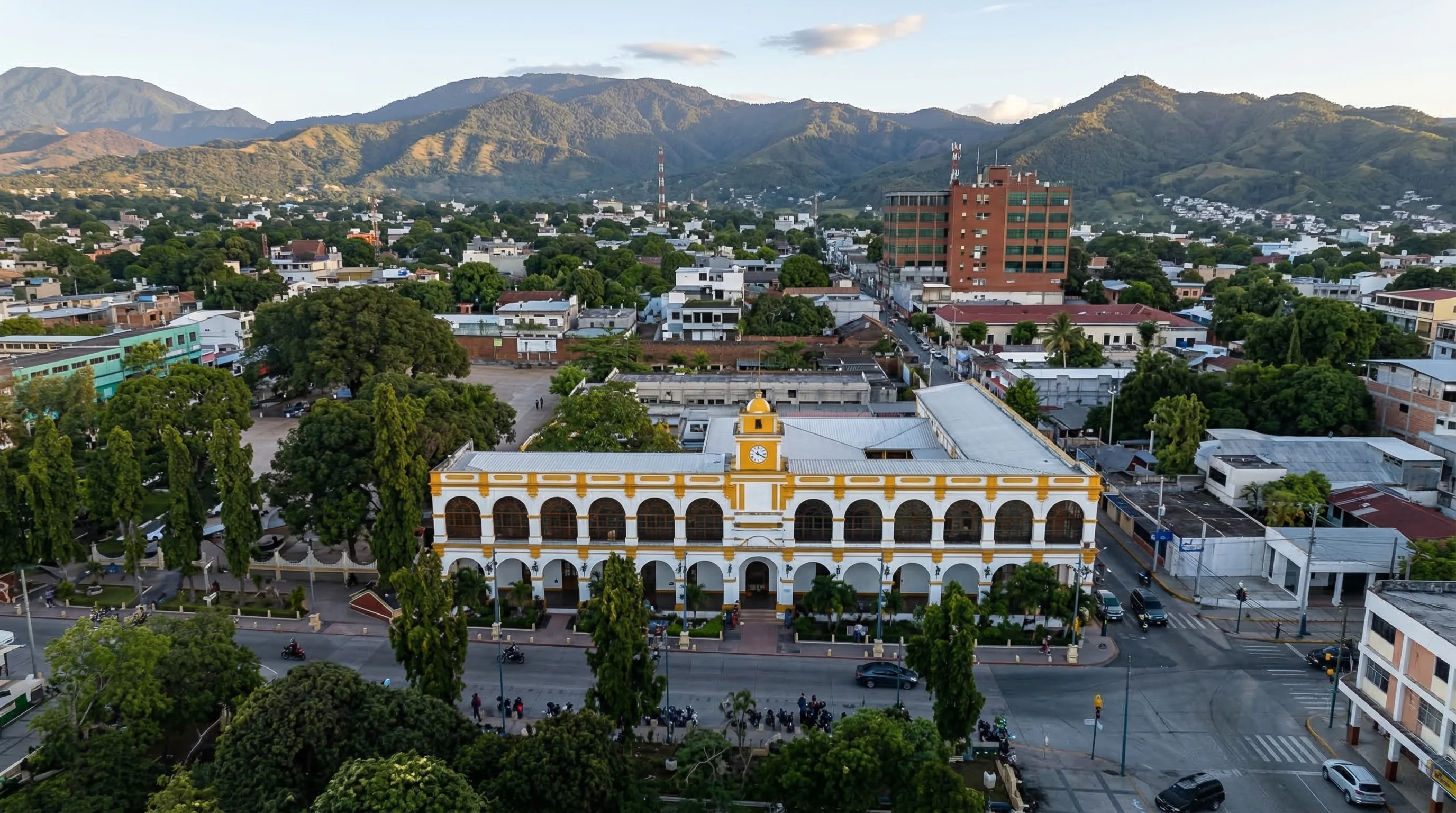
Chiquimula, located in eastern Guatemala near the borders with Honduras and El Salvador, is a strategic logistics hub for Central American trade. Its position provides direct access to major north-south corridors connecting to Mexico and, ultimately, the United States. The region is an agricultural powerhouse, renowned for producing high-value crops like coffee, cardamom, and sugar cane, and supports a growing textile and light manufacturing sector. Transportation infrastructure is centered on the CA-1 and CA-9 highway systems, which are crucial for moving goods to Pacific ports like Puerto Barrios and to northern border crossings. This road network, combined with its productive economic base, makes Chiquimula a significant origin point for export freight requiring robust full truckload solutions.
 Destination
Seattle
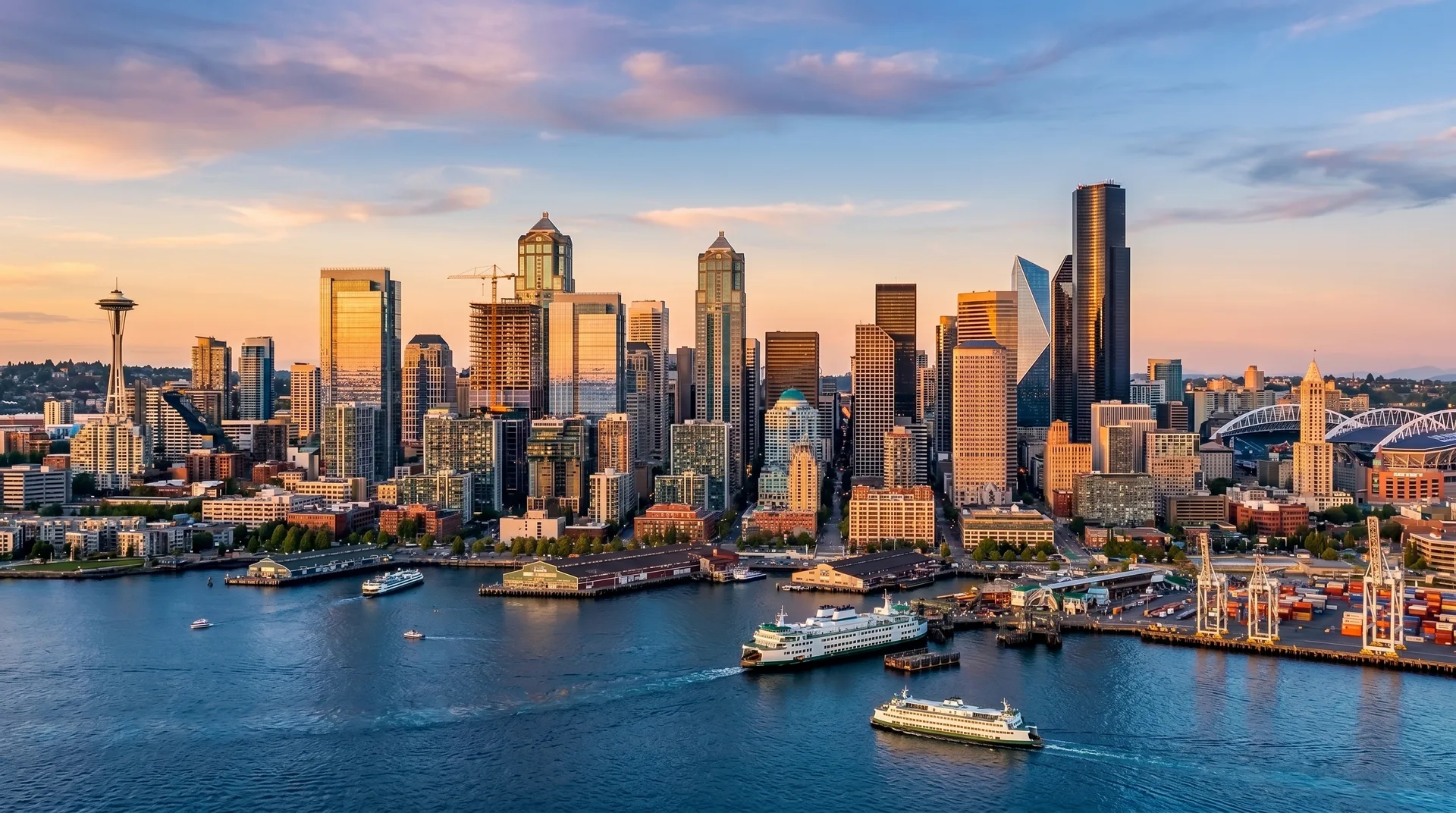
Seattle, Washington, is a premier global logistics gateway and economic center for the Pacific Northwest. Its strategic location offers unparalleled access to Asian markets via the Port of Seattle—one of the busiest container ports in the US—and serves as a critical domestic distribution node. The city's economy is driven by advanced industries, including aerospace (home to Boeing's major assembly plants), technology, e-commerce, and clean energy. This generates substantial demand for inbound freight, from raw materials and components to finished goods. The region's transportation infrastructure is exceptional, anchored by Interstate 5 (I-5), the primary north-south artery, and State Route 99, supported by extensive rail intermodal facilities and Seattle-Tacoma International Airport. This multimodal strength ensures efficient last-mile and regional distribution for FTL cargo arriving from international corridors.










