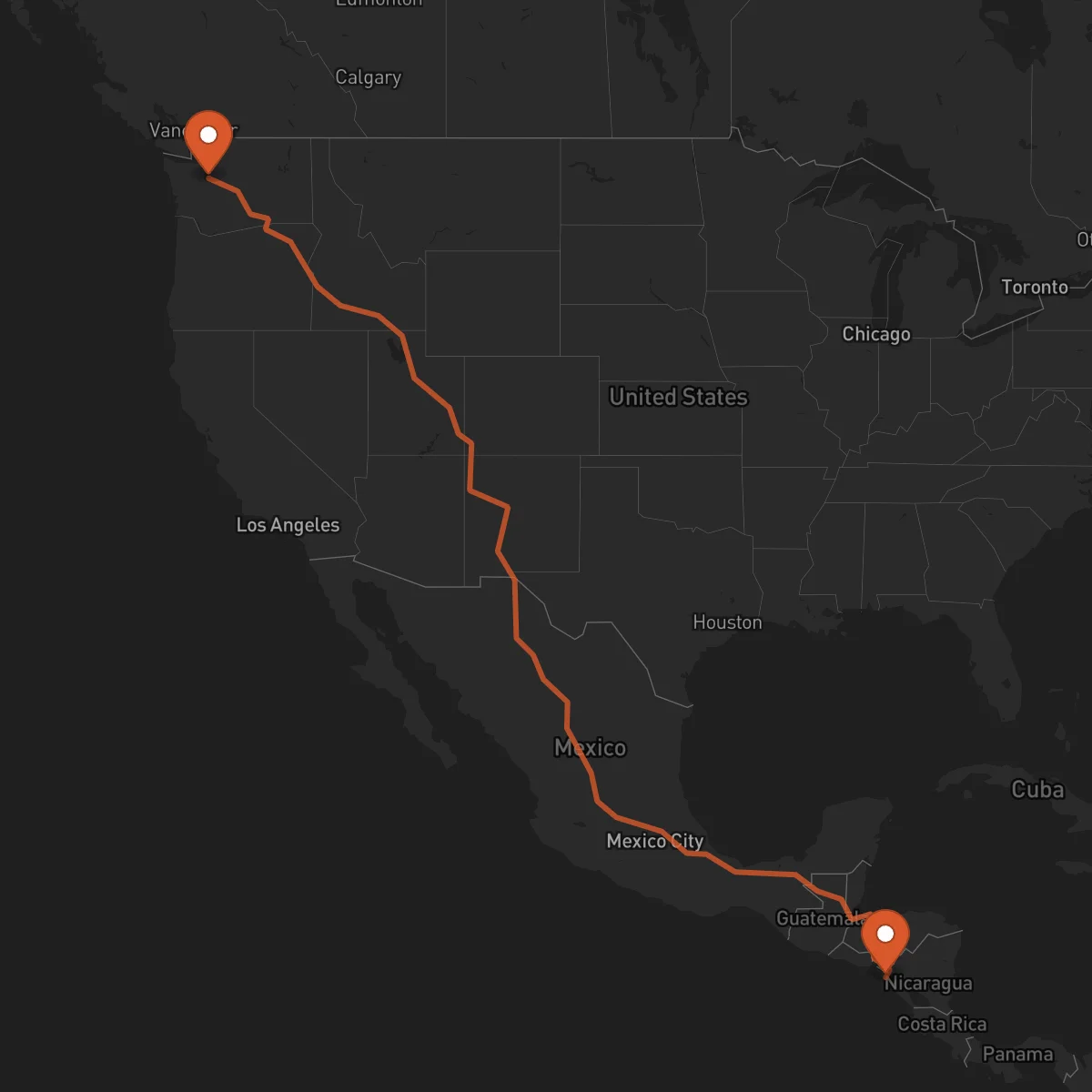
Seattle to Chinandega
Chinandega → SeattleFTL freight transportation service between Seattle and Chinandega. Reliable logistics solutions for your business.
Route Description
Everything you need to know about the corridor Seattle - Chinandega
The Seattle-Chinandega corridor represents a vital North American-Central American trade artery, spanning approximately 5,077 km and connecting the industrial and technological powerhouse of the Pacific Northwest with the agricultural heartland of Nicaragua. This cross-border route is strategically essential for moving high-value goods efficiently across multiple international boundaries, underpinning supply chains that require reliability and specialized handling. The economic context is defined by the export of sophisticated manufactured goods, technology, and agricultural products from the U.S. to Central America, balanced by the import of key commodities like coffee, seafood, and agricultural raw materials that fuel industries northward.
Primary users of this corridor include manufacturers shipping machinery and components, agricultural exporters moving grains and processed foods, and retailers requiring dedicated capacity for consumer goods. The transportation infrastructure relies on a sequential network of major highways: starting on Interstate 5 south from Seattle through California, transitioning to routes like CA-99 and CA-152, and continuing via the Mexican federal highway system (including Fed-15 and Fed-200) to the Guatemala-Mexico border. From there, the route traverses Guatemala and Honduras via key roads like CA-1 and CA-5 before reaching the Nicaragua-Honduras border and final approach to Chinandega.
Critical border crossings, such as El Paso-Ciudad Juárez (U.S.-Mexico), Tecún Umán (Guatemala-Mexico), and Agua Zarca (Honduras-Nicaragua), necessitate expert customs coordination. Control Terrestre facilitates seamless operations on this complex corridor through our alliance of certified providers. Their expertise in C-TPAT, FAST, and BASC protocols, combined with our exclusive focus on Full Truckload (FTL) solutions—including dedicated, expedited, and specialized cargo services—ensures that shippers benefit from a streamlined, single-point-of-contact model. We manage the entire door-to-door journey, mitigating the risks and delays inherent in multi-country transit by leveraging our providers' deep regional knowledge and compliant equipment, from dry vans to refrigerated units, tailored for this long-haul international route.
Services for this Route
Available services for the corridor Seattle - Chinandega
 Origin
Seattle
Seattle, Washington, serves as a premier global logistics gateway for the Pacific Northwest and beyond. Its strategic location is defined by the deep-water Port of Seattle, one of the busiest container ports in the U.S., providing direct maritime access to Asia and Alaska. This is complemented by a robust intermodal infrastructure, including major north-south Interstate 5, extensive rail networks (BNSF, Union Pacific), and Seattle-Tacoma International Airport for air cargo. The region's economy is driven by advanced technology and aerospace (Boeing, Amazon, Microsoft), as well as significant agricultural exports from the surrounding fertile valleys, including fruit, wine, and hay. This diverse economic base generates consistent, high-volume freight demand for both domestic distribution and international export, making Seattle a critical origin point for supply chains targeting the Americas.
 Destination
Chinandega
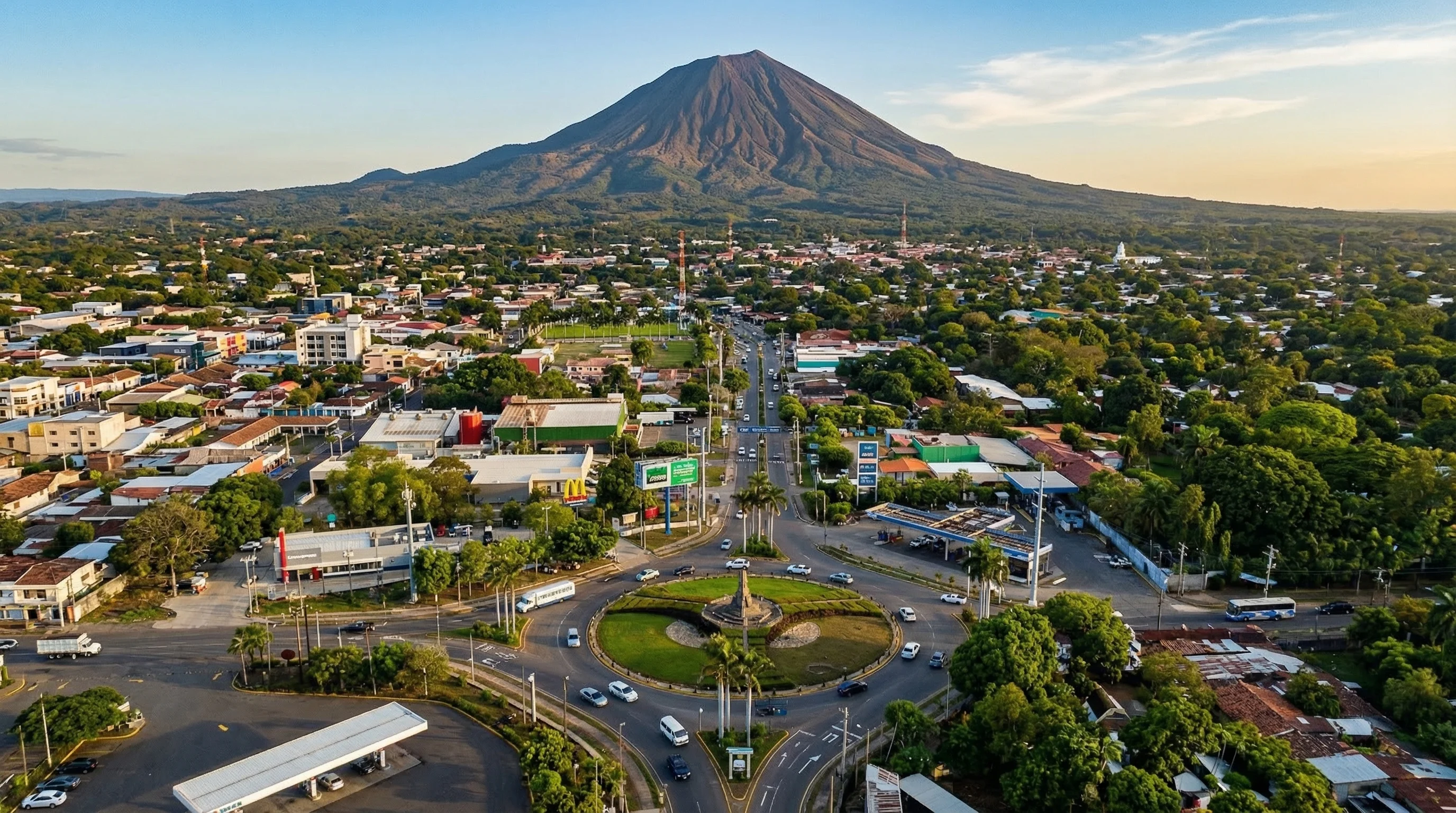
Chinandega, located in northwestern Nicaragua near the Honduran border, is a strategic agricultural and commercial hub for Central America. Its logistics importance stems from its proximity to the Port of Corinto, Nicaragua's primary deep-water port on the Pacific coast, which facilitates both imports and exports. The city is the center of Nicaragua's 'white gold' coffee industry and a major zone for sugarcane, sesame, and seafood production, particularly shrimp. Key industries include food and beverage processing and agricultural inputs. The destination is well-connected via Nicaragua's Highway 1 (part of the Central American Highway CA-1), which provides direct road access to the border with Honduras and onward to the rest of the isthmus. This infrastructure supports the efficient movement of agricultural bulk goods and manufactured products to and from the Pacific coast for international shipment.










