
Denver to Rivas
Rivas → DenverFTL freight transportation service between Denver and Rivas. Reliable logistics solutions for your business.
Route Description
Everything you need to know about the corridor Denver - Rivas
The logistics corridor connecting Denver, Colorado to Rivas, Nicaragua represents a vital cross-border transportation route spanning approximately 3,670 kilometers through North and Central America. This corridor serves as a crucial link between the industrial heartland of the United States and the growing commercial markets of Central America, facilitating the movement of goods that drive economic integration across the region.
This route traverses diverse economic landscapes, beginning in Denver's robust industrial and technology sectors and extending through major U.S. distribution hubs before crossing into Mexico and continuing through Guatemala, El Salvador, Honduras, and Costa Rica before reaching Nicaragua. The corridor is particularly significant for industries such as automotive parts, electronics, agricultural equipment, and consumer goods that require reliable transportation between North American manufacturing centers and Central American markets.
Key transportation infrastructure includes major highways such as I-25, I-40, and I-10 in the United States, connecting to Mexican Federal Highways 45 and 180, then continuing through CA-1 (Pan-American Highway) through Central America. Critical border crossings include Laredo-Nuevo Laredo and El Salvador-Honduras checkpoints, where Control Terrestre's C-TPAT and FAST certified partners ensure expedited processing. Our specialized knowledge of customs procedures, documentation requirements, and regional regulations across six countries allows us to provide seamless door-to-door service, managing the complexities of cross-border operations while maintaining the integrity and security of your full truckload shipments throughout this extensive corridor.
Services for this Route
Available services for the corridor Denver - Rivas
 Origin
Denver
Denver, Colorado serves as a strategic logistics hub in the western United States, benefiting from its central location within the country and excellent transportation infrastructure. Situated at the intersection of major interstates including I-25 and I-70, Denver provides efficient access to both coastal ports and inland markets. The city's economy is driven by diverse industries including aerospace, telecommunications, healthcare, financial services, and advanced manufacturing. Denver's proximity to the Rocky Mountains and agricultural regions also makes it a key distribution point for specialized equipment and agricultural products. The Denver International Airport, one of the largest cargo airports in the nation, complements the city's robust ground transportation network, offering multimodal shipping solutions. With its skilled workforce, business-friendly environment, and extensive warehousing facilities, Denver serves as an ideal origin point for companies seeking to distribute goods throughout North and Central America.
 Destination
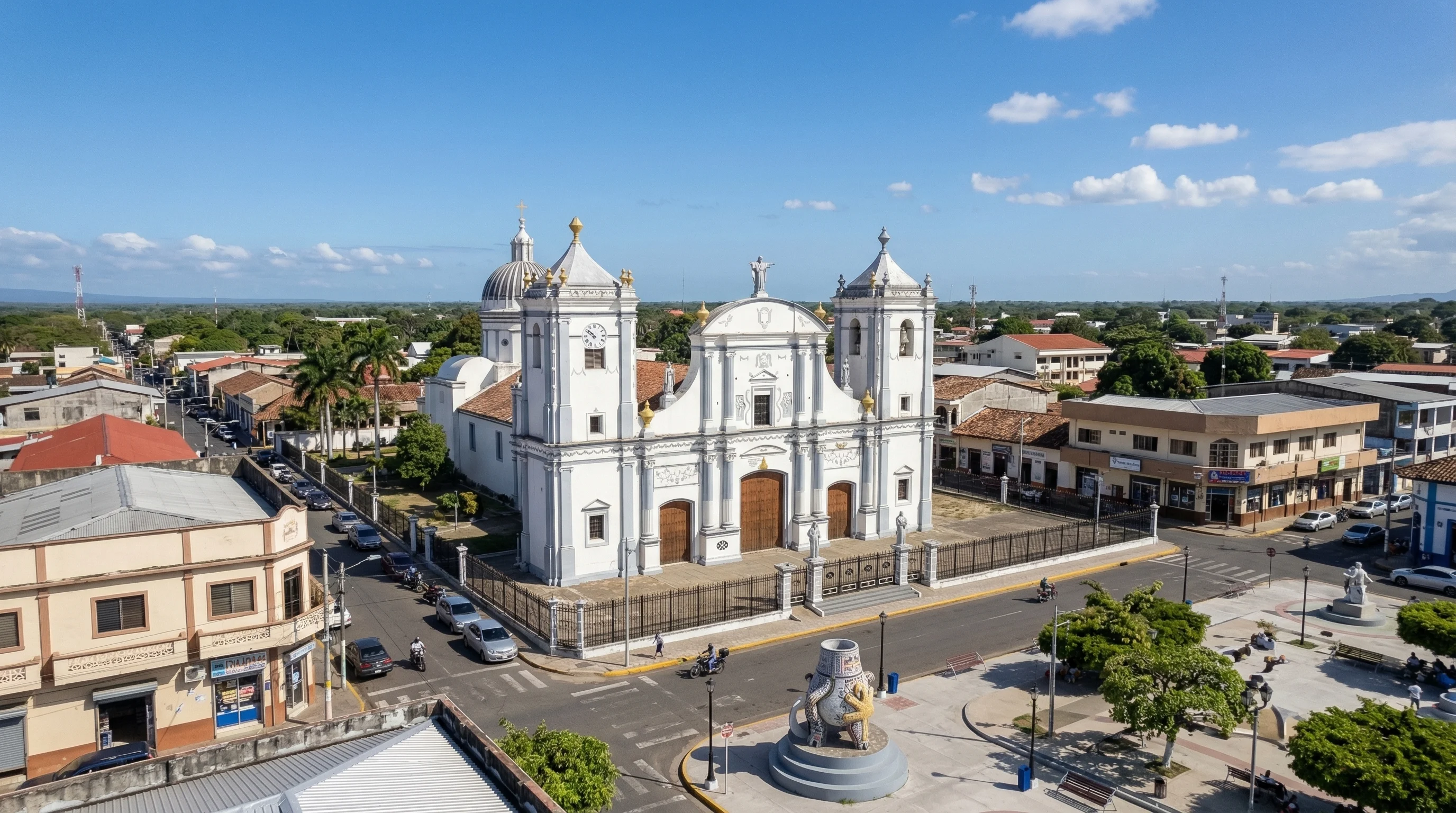
Rivas, located in southwestern Nicaragua along the shores of Lake Nicaragua, represents a strategic logistics point for Central American trade. The city serves as a gateway to Nicaragua's growing industrial and agricultural sectors, with proximity to the Pacific coast providing access to maritime shipping routes. Rivas benefits from its location near the Costa Rican border and along the Pan-American Highway, facilitating cross-border trade within the region. The local economy is anchored by tourism, agriculture (including coffee, tobacco, and tropical fruits), and emerging manufacturing sectors. The nearby Port of San Juan del Sur provides maritime connections for international cargo, while the region's developing industrial parks are attracting investment in light manufacturing and assembly operations. Rivas's strategic position makes it an important destination for companies looking to establish distribution networks throughout Central America, offering access to both Nicaraguan markets and re-export opportunities to neighboring countries.










