
Denver to San Marcos
San Marcos → DenverFTL freight transportation service between Denver and San Marcos. Reliable logistics solutions for your business.
Route Description
Everything you need to know about the corridor Denver - San Marcos
The Denver to San Marcos logistics corridor represents a vital cross-border connection between the United States and Guatemala, spanning approximately 3,039 kilometers through diverse terrain and multiple jurisdictions. This route serves as a crucial link for businesses seeking to transport goods between North America's manufacturing heartland and Central America's growing consumer markets. The corridor traverses Colorado, New Mexico, Texas, and Mexico before entering Guatemala, requiring expert navigation of international logistics protocols and regulatory compliance. Control Terrestre's specialized knowledge of this route ensures seamless freight movement across all border crossings, including Laredo/Nuevo Laredo and Ciudad Hidalgo/Tapachula, where our certified C-TPAT and FAST partners expedite customs clearance processes.
The economic significance of this corridor extends beyond mere distance, connecting Denver's robust aerospace, technology, and agricultural sectors with San Marcos's emerging manufacturing and agricultural industries. This route facilitates the movement of specialized equipment, electronics, automotive parts, and agricultural products that fuel trade between these regions. The corridor's infrastructure includes major highways such as I-25, I-40, and Mexican Federal Highways 85 and 190, providing reliable transportation networks that our experienced carriers navigate daily. Our dedicated team monitors real-time conditions and coordinates with local authorities to ensure optimal routing and timely deliveries.
Control Terrestre's comprehensive approach to this cross-border corridor includes end-to-end visibility, temperature-controlled options for sensitive cargo, and specialized handling for oversized or hazardous materials. Our strategic partnerships with certified carriers throughout the route ensure consistent service quality and regulatory compliance at every stage. We understand the unique challenges of this journey, from Colorado's mountainous terrain to Mexico's tropical zones and Guatemala's varied topography, and we deploy the appropriate equipment and expertise to handle each segment effectively.
Services for this Route
Available services for the corridor Denver - San Marcos
 Origin
Denver
Denver serves as a strategic logistics hub in the Rocky Mountain region, offering exceptional connectivity through its central location and robust transportation infrastructure. The city's position at the intersection of major interstates I-25 and I-70 provides direct access to both coasts and cross-border routes. Denver's economy thrives on aerospace manufacturing, technology innovation, and agricultural production, creating consistent demand for reliable freight transportation. The city's international airport and extensive rail network complement its highway system, making it an ideal origin point for cross-border shipments. Control Terrestre leverages Denver's strategic advantages to provide efficient full truckload services that connect local businesses with markets throughout North and Central America.
 Destination
San Marcos
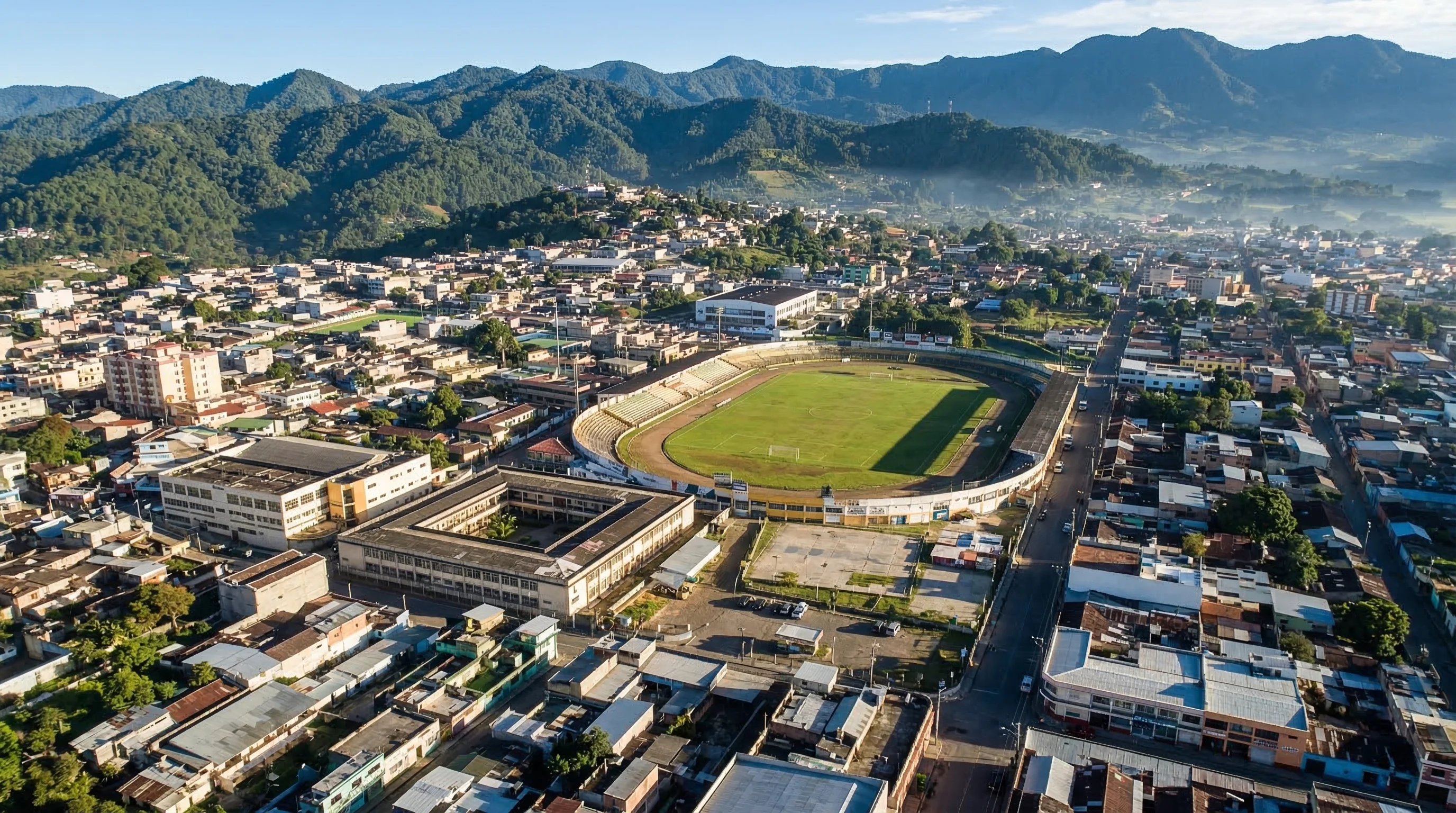
San Marcos, Guatemala, represents a strategic entry point to Central America's growing markets, situated in the country's western highlands near the Mexican border. The region's economy centers on agriculture, including coffee and vegetable production, alongside emerging manufacturing and textile industries. San Marcos's proximity to the border crossing at Ciudad Hidalgo provides efficient access for cross-border freight movements. The area's developing industrial parks and agricultural processing facilities create consistent demand for specialized transportation services. Control Terrestre's expertise in navigating Guatemala's transportation infrastructure ensures reliable delivery to San Marcos and surrounding regions, supporting the area's economic development and international trade relationships.










