
Denver to Masaya
Masaya → DenverFTL freight transportation service between Denver and Masaya. Reliable logistics solutions for your business.
Route Description
Everything you need to know about the corridor Denver - Masaya
The logistics corridor connecting Denver, Colorado, to Masaya, Nicaragua, represents a vital trade link between the United States and Central America. This 3,603 km cross-border route facilitates the movement of goods through a combination of ground transportation and strategic logistics hubs, enabling seamless freight movement from the Rocky Mountain region to the Pacific coast of Nicaragua.
The corridor serves as a critical artery for international trade, connecting major industrial centers in Colorado with growing manufacturing and agricultural sectors in Nicaragua. Companies operating along this route benefit from Denver's strategic location as a transportation hub and Masaya's position as a key economic center in Nicaragua's Central American corridor.
Major industries utilizing this corridor include automotive parts, electronics, agricultural equipment, and consumer goods. The route primarily utilizes Interstate 25 and Interstate 40 before connecting to major Mexican highways and eventually Central American road networks. Key border crossings include Laredo/Nuevo Laredo and El Salvador/Honduras, requiring careful coordination of customs documentation and compliance procedures.
Control Terrestre provides comprehensive FTL services along this corridor, ensuring reliable door-to-door transportation with experienced drivers familiar with cross-border requirements. Our C-TPAT certified carriers and specialized logistics expertise help navigate the complexities of international freight movement, providing real-time tracking and dedicated customer support throughout the journey.
Services for this Route
Available services for the corridor Denver - Masaya
 Origin
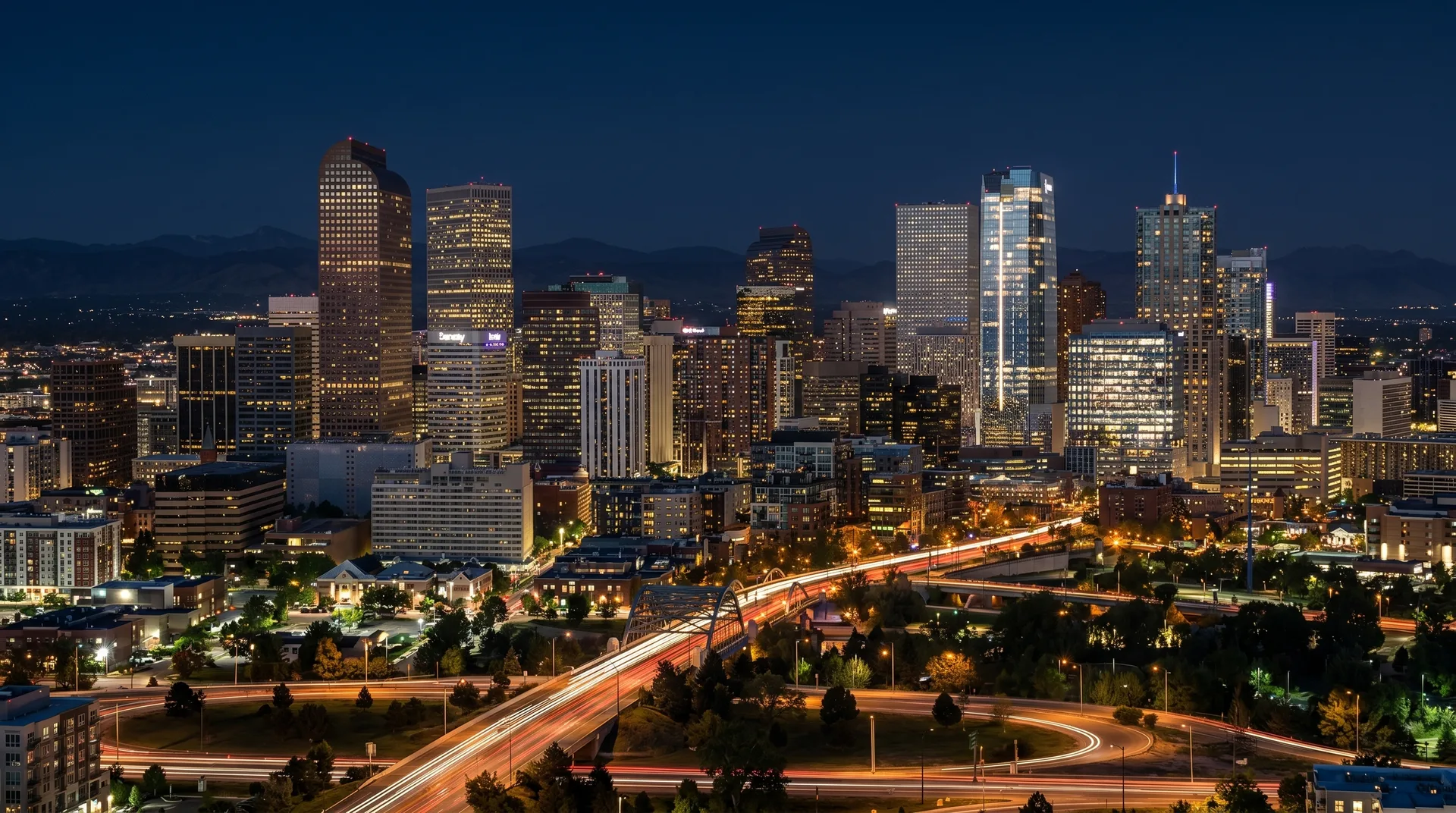
Denver
Denver, Colorado, serves as a strategic logistics hub in the western United States, offering exceptional connectivity through its central location in the Rocky Mountain region. The city's elevation and geographic position make it a natural distribution center for goods moving both east-west and north-south across the country. Denver's extensive transportation infrastructure includes major highways, rail connections, and proximity to Denver International Airport, one of the largest cargo airports in the nation.
The Denver metropolitan area is home to diverse industries including aerospace, telecommunications, healthcare, and advanced manufacturing. The region's strong technology sector and growing renewable energy industry create consistent demand for specialized freight services. Denver's logistics ecosystem benefits from its proximity to major distribution centers and manufacturing facilities throughout Colorado and neighboring states.
 Destination
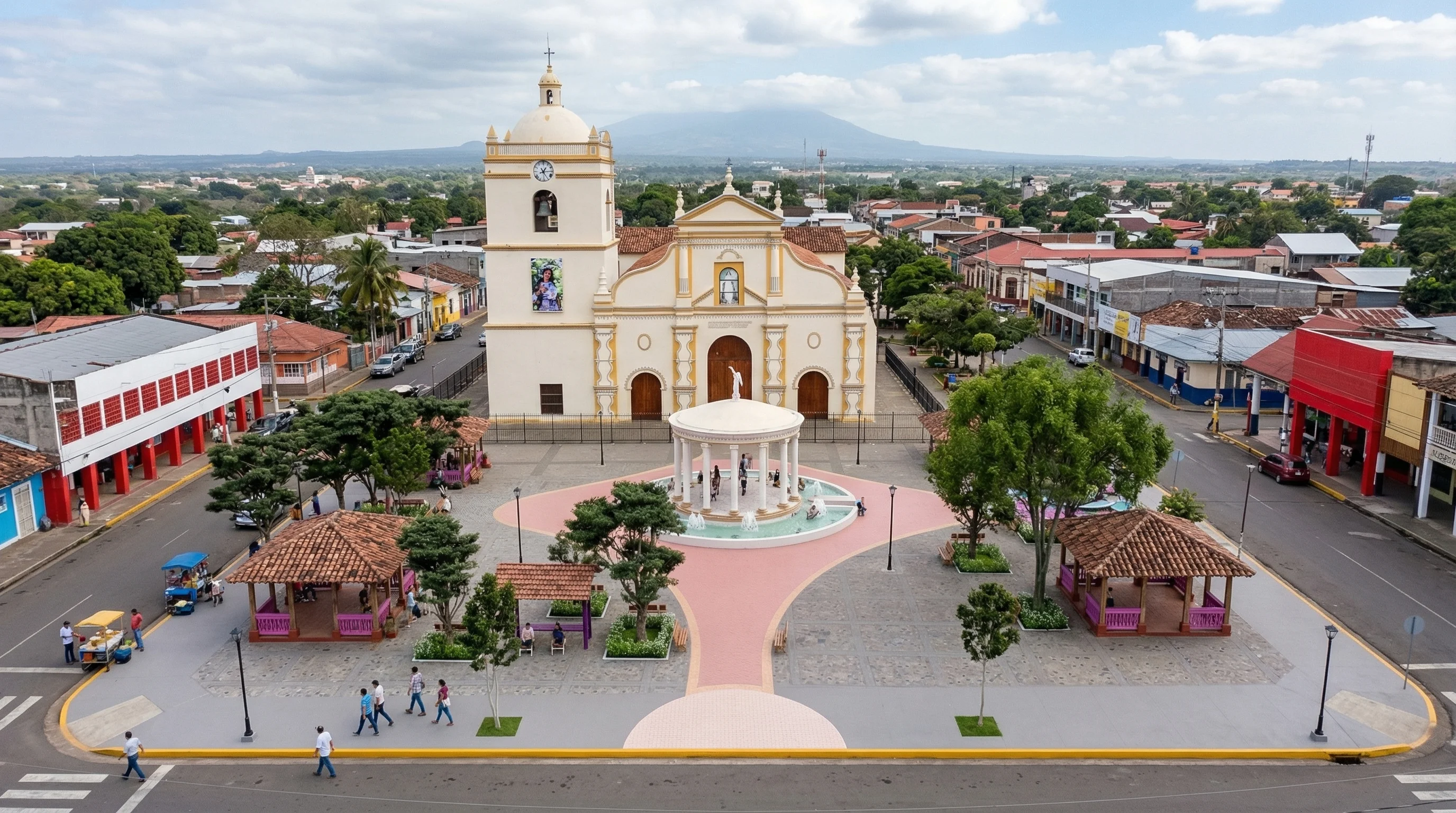
Masaya, located in western Nicaragua, is a key economic center in Central America's Pacific corridor. The city's strategic position near Managua and its proximity to major ports like Corinto make it an important logistics hub for goods entering and exiting Nicaragua. Masaya's infrastructure includes well-maintained highways connecting to the Pan-American Highway and other regional trade routes.
The region's economy is characterized by manufacturing, agriculture, and growing industrial sectors. Masaya and surrounding areas are particularly active in textile production, food processing, and agricultural exports. The city's location provides efficient access to both domestic markets and international trade routes through Nicaragua's Pacific ports, making it an ideal destination for cross-border freight operations.










