
Denver to La Palma
La Palma → DenverFTL freight transportation service between Denver and La Palma. Reliable logistics solutions for your business.
Route Description
Everything you need to know about the corridor Denver - La Palma
The logistics corridor connecting Denver, Colorado to La Palma, Darién represents a critical transcontinental route spanning over 4,396 kilometers across North and Central America. This corridor serves as a vital link between the industrial heartland of the United States and the emerging markets of Panama, facilitating the movement of goods through diverse terrains and regulatory environments. The route traverses multiple international borders, requiring specialized expertise in cross-border logistics and customs compliance.
The economic significance of this corridor cannot be overstated, as it connects major industrial centers in Colorado with the strategic location of Panama, which serves as a gateway to both Atlantic and Pacific trade routes. Denver's robust manufacturing and technology sectors generate substantial freight volumes that require reliable transportation to international destinations. Meanwhile, La Palma's position in the Darién region provides access to growing markets throughout Central America and serves as a crucial point for distribution to South American destinations.
Control Terrestre's expertise in managing this complex corridor ensures seamless operations through our network of certified transportation providers. We navigate the challenges of cross-border documentation, regulatory compliance, and diverse infrastructure conditions to provide reliable full truckload (FTL) services. Our providers maintain critical certifications including C-TPAT, FAST, and BASC, enabling expedited processing at border crossings and ensuring cargo security throughout the journey. The corridor's success depends on our ability to coordinate multiple transportation modes and maintain consistent communication across all jurisdictions involved in the route.
Services for this Route
Available services for the corridor Denver - La Palma
 Origin
Denver
Denver, Colorado serves as a strategic logistics hub in the western United States, positioned at the intersection of major transportation networks. The city's location at the base of the Rocky Mountains provides access to both eastern and western markets while benefiting from relatively flat terrain for efficient freight movement. Denver's elevation and central location within the country make it an ideal origin point for long-haul transportation to international destinations.
The Denver metropolitan area boasts a diverse industrial base, with strong sectors in aerospace, technology, energy, and manufacturing. Major employers include telecommunications companies, healthcare providers, and logistics firms that generate consistent freight volumes. The region's economic diversity creates year-round demand for transportation services, supporting a robust logistics infrastructure that includes multiple interstate highways, rail connections, and proximity to Denver International Airport, one of the largest cargo airports in the United States.
 Destination
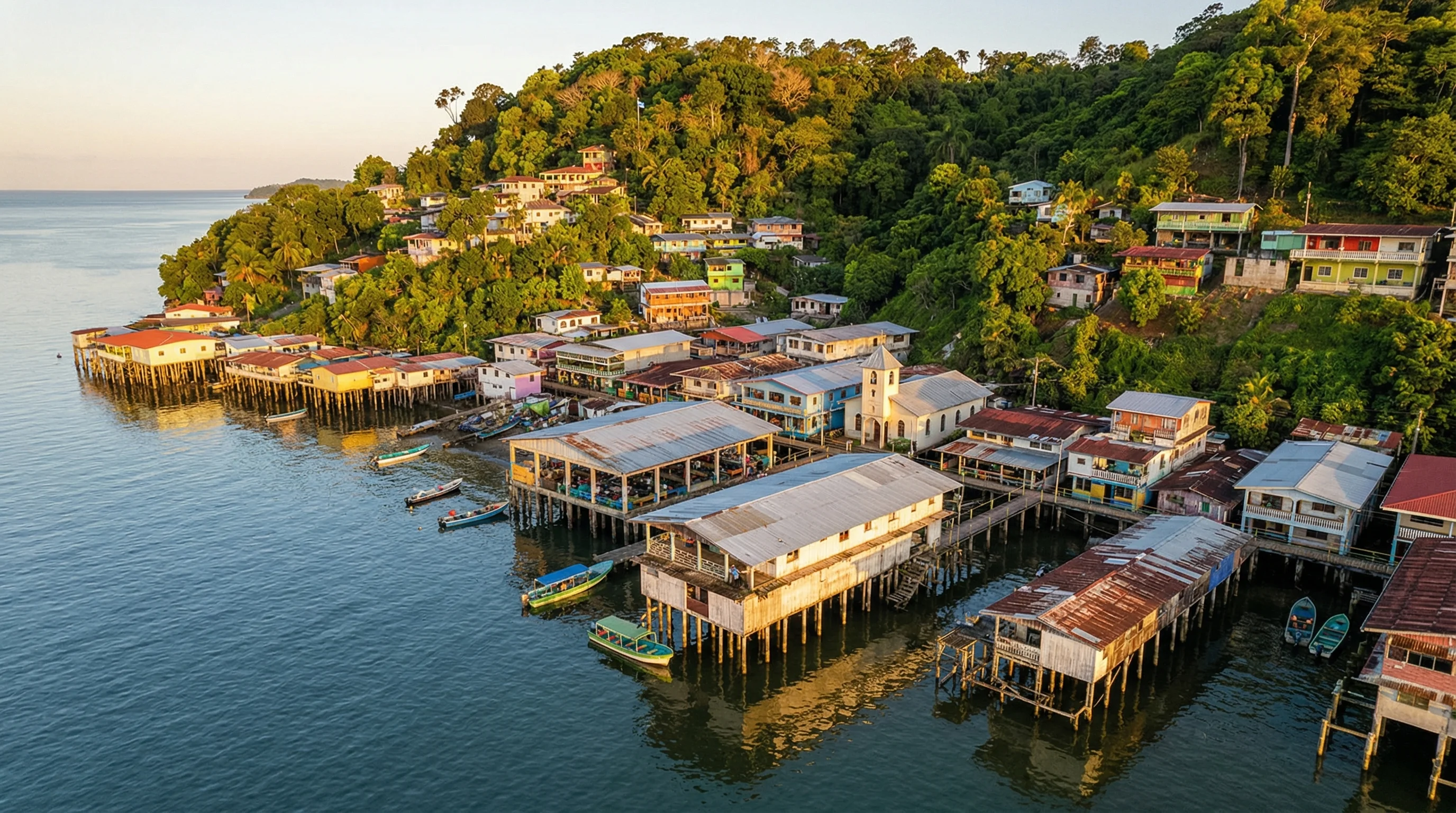
La Palma, located in the Darién province of Panama, represents a strategic entry point to Central American markets and beyond. Despite its relatively remote location, the town serves as an important logistics node due to Panama's unique geographic position connecting North and South America. The Darién region's proximity to the Colombian border makes it a crucial point for cross-continental freight movement, though the infamous Darién Gap presents unique challenges for land transportation.
The economic activities in and around La Palma focus on agriculture, fishing, and emerging industrial development. The region benefits from Panama's status as a major international trade hub, with the Panama Canal providing access to global maritime routes. While transportation infrastructure in the immediate area may be limited compared to major urban centers, Panama's extensive road network and strategic location ensure reliable connections to the country's primary logistics hubs and ports. The region's development continues to grow, creating increasing demand for dependable freight transportation services.










