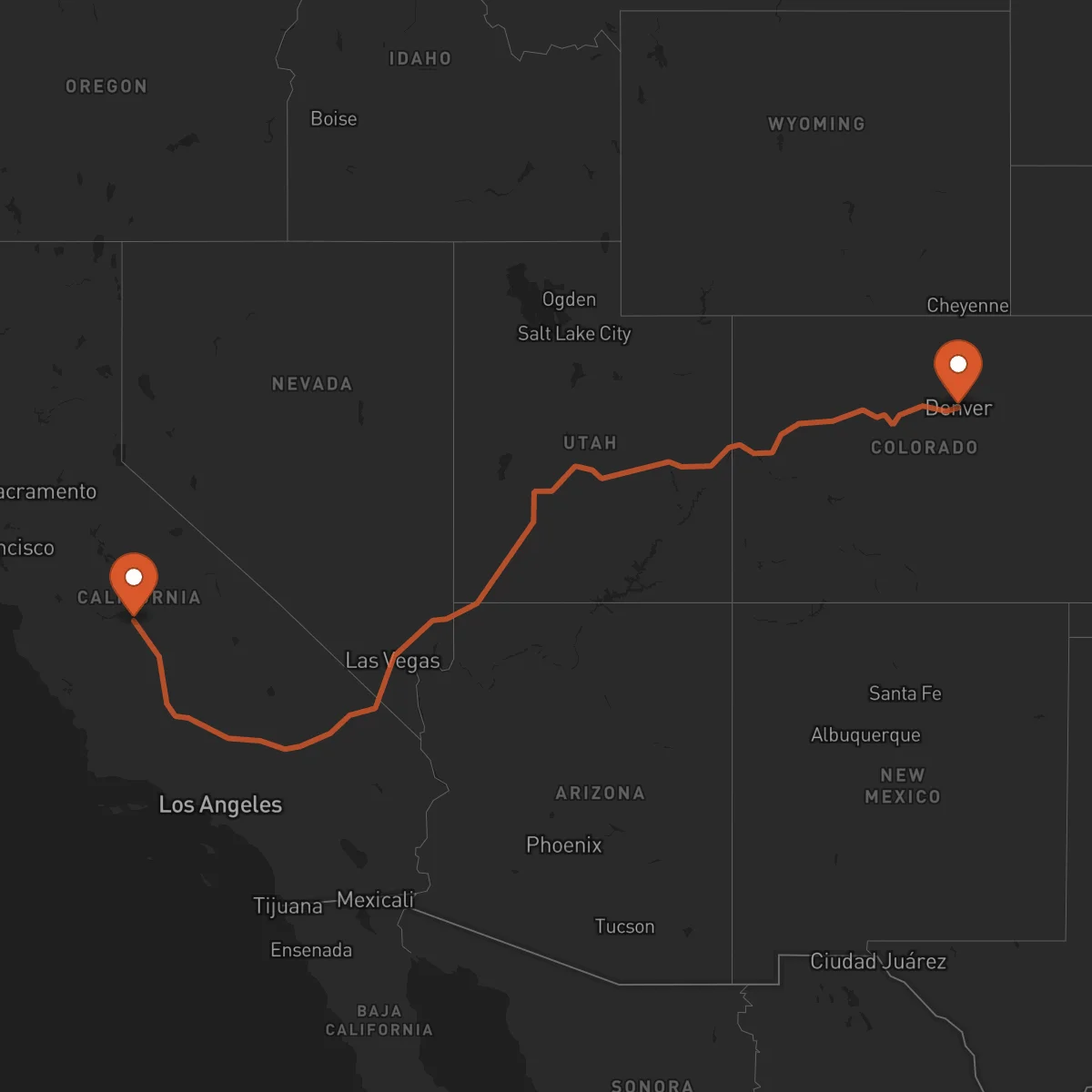
Denver to Fresno
Fresno → DenverFTL freight transportation service between Denver and Fresno. Reliable logistics solutions for your business.
Route Description
Everything you need to know about the corridor Denver - Fresno
The Denver to Fresno corridor represents a vital freight transportation route connecting the Rocky Mountain region with California's Central Valley. This 1,333 km journey traverses diverse landscapes, from Colorado's high plains through the Sierra Nevada mountains, creating a strategic link between two major economic centers. The route serves as a crucial artery for goods movement between the interior West and the West Coast, facilitating trade and commerce across multiple states.
The economic significance of this corridor cannot be overstated. Denver serves as a major distribution hub for the Mountain West, while Fresno anchors California's agricultural powerhouse. This creates a natural flow of goods between these complementary economies - industrial equipment, manufactured goods, and raw materials moving westward, while agricultural products, processed foods, and technology-related shipments travel eastward. The corridor benefits from Colorado's manufacturing base and California's vast agricultural output, creating year-round freight demand.
Key industries utilizing this route include agriculture and food processing, manufacturing, construction materials, and retail distribution. The corridor particularly excels in transporting refrigerated goods, given Fresno's status as a leading agricultural producer. Additionally, the route supports the movement of industrial machinery, electronics, and consumer goods between these major metropolitan areas.
Control Terrestre provides comprehensive FTL transportation solutions along this corridor, leveraging our network of certified carriers and specialized equipment. We ensure reliable, timely delivery of your freight across this challenging terrain, with options including refrigerated trailers for temperature-sensitive cargo and specialized equipment for oversized shipments. Our expertise in cross-country logistics means your goods move efficiently from origin to destination, supported by real-time tracking and dedicated customer service.
Services for this Route
Available services for the corridor Denver - Fresno
 Origin
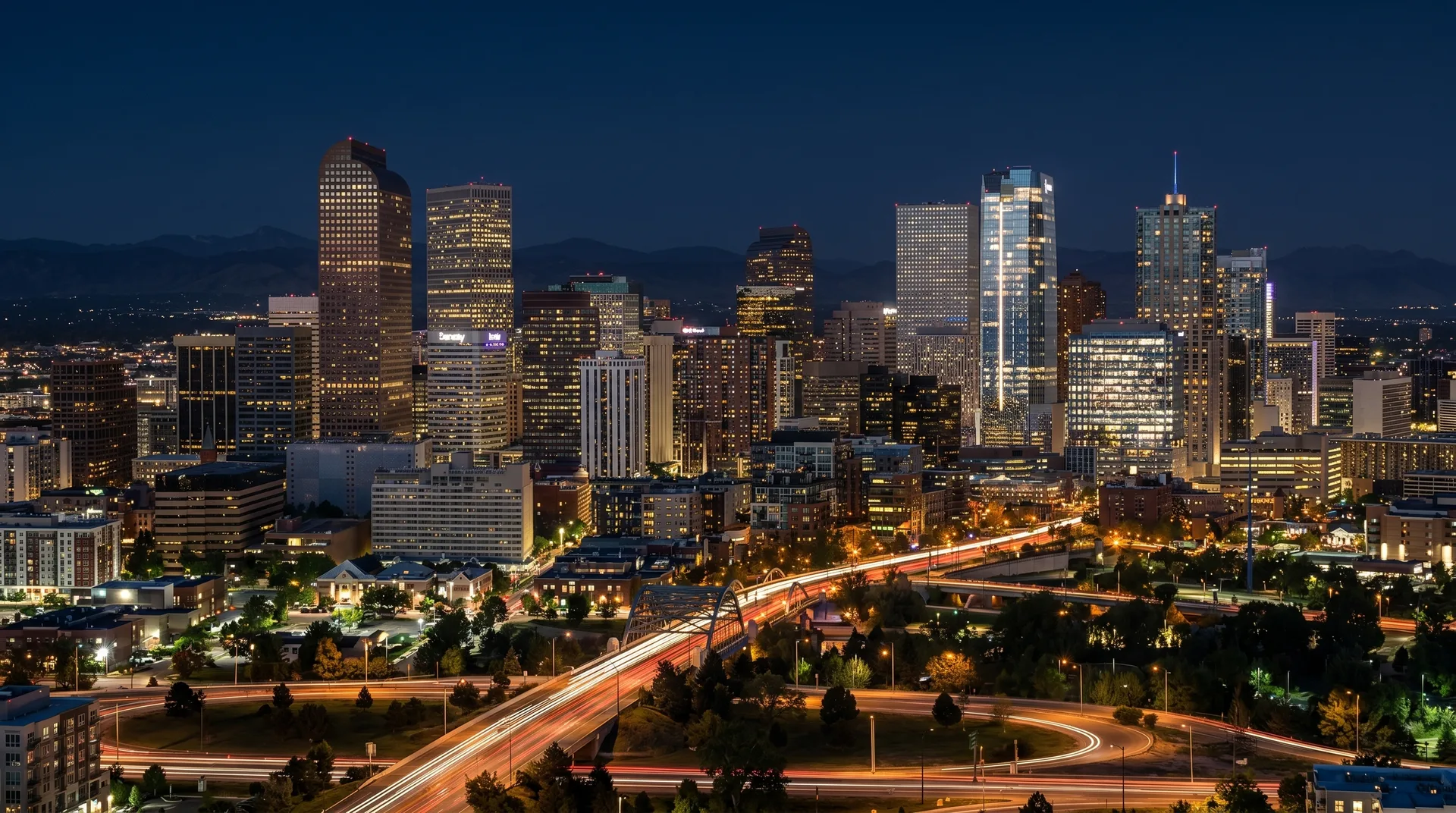
Denver
Denver, Colorado stands as a strategic logistics hub in the Mountain West, benefiting from its central location and excellent transportation infrastructure. The city's elevation of 1,600 meters and position at the intersection of major interstates (I-70, I-25, and I-76) makes it a natural gateway for freight moving between the Midwest, West Coast, and Mountain states. Denver International Airport, one of the largest cargo facilities in the nation, complements the city's ground transportation network, creating multimodal shipping options for businesses.
The Denver metropolitan area hosts a diverse industrial base including aerospace, telecommunications, energy, and advanced manufacturing. Major employers in these sectors create consistent freight demand, while the city's role as Colorado's capital drives government-related logistics. The surrounding region contributes mining, agriculture, and outdoor recreation equipment to the freight mix, making Denver a versatile origin point for various cargo types.
 Destination
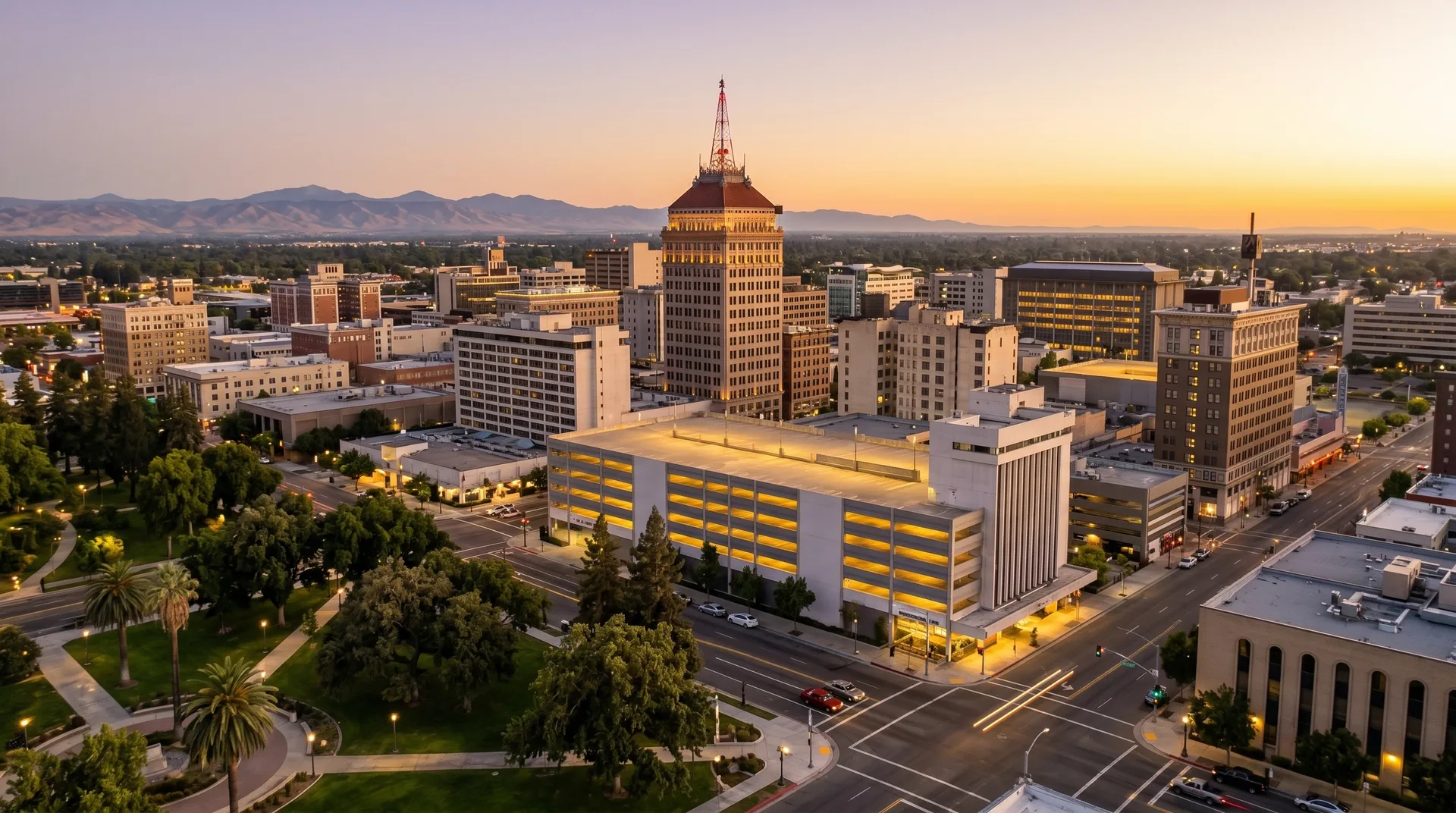
Fresno
Fresno, California occupies a strategic position in the heart of the San Joaquin Valley, serving as the economic engine for one of America's most productive agricultural regions. The city's location at the crossroads of State Route 99 and State Route 180 provides excellent connectivity to major California markets and beyond. Fresno Yosemite International Airport and the Burlington Northern Santa Fe Railway offer additional transportation options, creating a robust logistics infrastructure for businesses.
The Fresno metropolitan area anchors a diverse economy centered on agriculture, food processing, and manufacturing. As the hub of the nation's largest agricultural producing county, Fresno generates substantial freight volume in fresh produce, processed foods, and agricultural inputs. The city's manufacturing sector produces everything from fabricated metals to computer equipment, while its healthcare and education institutions contribute to the local economy. This economic diversity ensures year-round freight activity and creates opportunities for specialized transportation services.










