Fresno to Denver
Denver → FresnoFTL freight transportation service between Fresno and Denver. Reliable logistics solutions for your business.
Route Description
Everything you need to know about the corridor Fresno - Denver
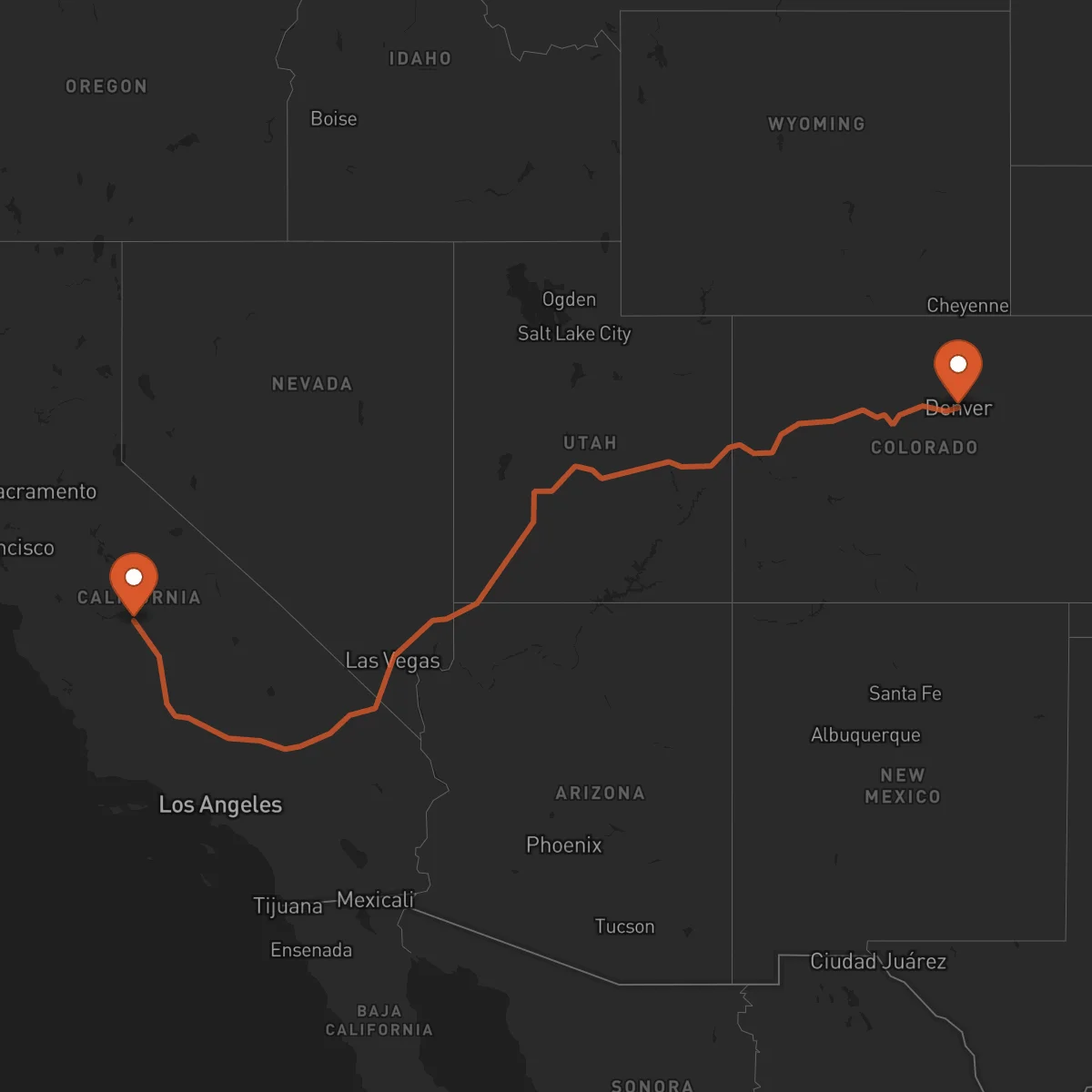
The freight transportation corridor between Fresno, California, and Denver, Colorado, represents a vital logistics link connecting the agricultural heartland of California's Central Valley with the strategic hub of the Rocky Mountains. This 1333 km domestic route traverses diverse terrain and crosses multiple states, making it a critical artery for commerce between the West Coast and the Mountain West region. The corridor facilitates the movement of goods between two major economic centers, each with distinct industrial profiles and logistical needs.
The economic significance of this corridor extends beyond its immediate endpoints. Fresno serves as a gateway to California's agricultural abundance, while Denver functions as a major distribution center for the entire Rocky Mountain region. The route passes through key states including California, Nevada, Utah, and Colorado, intersecting with major transportation networks that connect to both coastal ports and inland markets. This positioning makes it an essential component of North America's freight transportation infrastructure.
Primary industries utilizing this corridor include agriculture and food processing, manufacturing, retail distribution, and technology sectors. Agricultural products from the Fresno region, including fresh produce, nuts, and dairy products, flow eastward through this route. Meanwhile, Denver's strong presence in aerospace, telecommunications, and energy sectors generates significant outbound freight traffic. The corridor also supports the movement of specialized cargo such as hazardous materials and oversized equipment between these industrial centers.
Control Terrestre provides comprehensive full truckload (FTL) transportation services along this corridor, leveraging our extensive network of certified carriers and specialized equipment. Our dedicated transportation solutions ensure reliable, efficient movement of freight between Fresno and Denver, with options including dry vans, refrigerated units, and specialized equipment for oversized or hazardous cargo. We understand the unique challenges of this route and provide tailored solutions that optimize transit times while maintaining the highest safety and compliance standards.
Services for this Route
Available services for the corridor Fresno - Denver
 Origin
Fresno
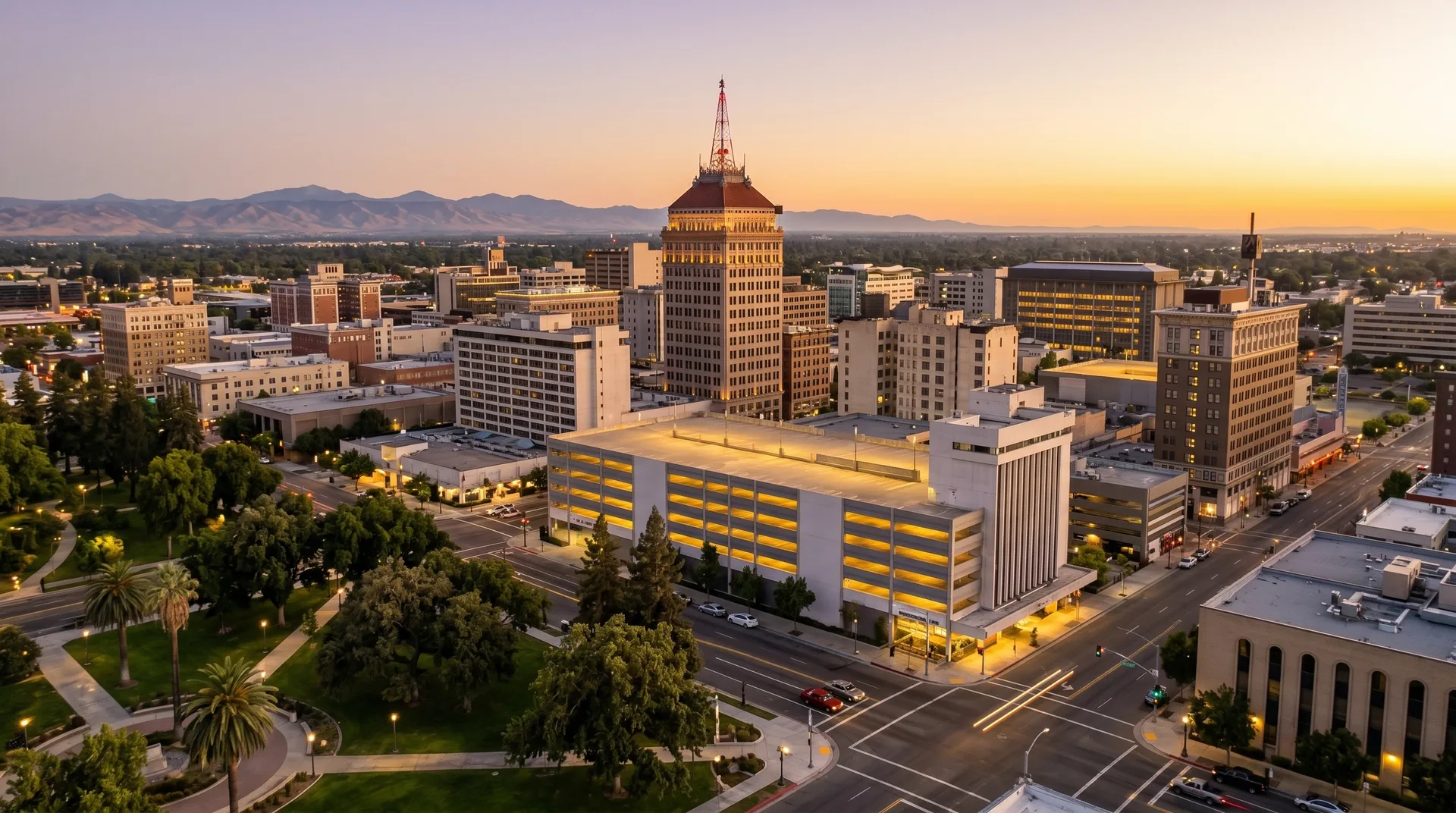
Fresno, located in the heart of California's Central Valley, serves as a strategic logistics hub with exceptional connectivity to major West Coast markets. The city's position at the crossroads of State Route 99 and State Route 41 provides direct access to both Northern and Southern California, while its proximity to Interstate 5 facilitates efficient north-south freight movement. Fresno's infrastructure includes the Fresno Yosemite International Airport, multiple rail connections through Union Pacific and BNSF, and the nearby Port of Oakland for international maritime freight.
The economic foundation of Fresno rests on its agricultural dominance, with the region producing over 350 different crops annually. This agricultural powerhouse generates substantial freight volume in fresh produce, processed foods, and agricultural equipment. Beyond agriculture, Fresno has developed significant presence in manufacturing, particularly in food processing, fabricated metals, and machinery production. The healthcare and education sectors also contribute to the local economy, creating diverse freight transportation needs that require specialized logistics solutions.
 Destination
Denver
Denver's strategic location at the intersection of major interstate highways (I-25, I-70, and I-76) establishes it as a premier logistics hub for the Rocky Mountain region. The city's elevation and central positioning make it a natural distribution center, with direct highway connections to major markets including Chicago, Dallas, Salt Lake City, and the West Coast. Denver International Airport, one of the largest by land area in the world, provides extensive air cargo capabilities, while the city's rail infrastructure through Union Pacific and BNSF offers additional multimodal transportation options.
The Denver metropolitan area has evolved into a diverse economic powerhouse, with strengths in aerospace, telecommunications, energy, and technology sectors. Major employers include aerospace manufacturers, renewable energy companies, and telecommunications providers, all of which generate significant freight transportation requirements. The region's growing population and economic expansion have increased demand for efficient logistics solutions, particularly for time-sensitive and specialized cargo moving between Denver and key markets throughout the western United States.










