Nearshoring has become one of the largest economic opportunities for Mexico in decades. However, behind the optimism and constant growth in investment, there is a little-discussed reality: logistics chains are reaching their saturation point. By 2025, the risk of collapse is real for hundreds of companies that have not adjusted their infrastructure, processes, routes, and sourcing models to the new level of demand.
Nearshoring doesn't just bring more production. It brings more traffic to ports, more pressure on highways, greater saturation at the border, increased competition for warehouse space, and longer wait times for specialized transport. In other words, more stress on a logistics chain that was already operating at its limit.
How Nearshoring is Saturating Mexican Logistics
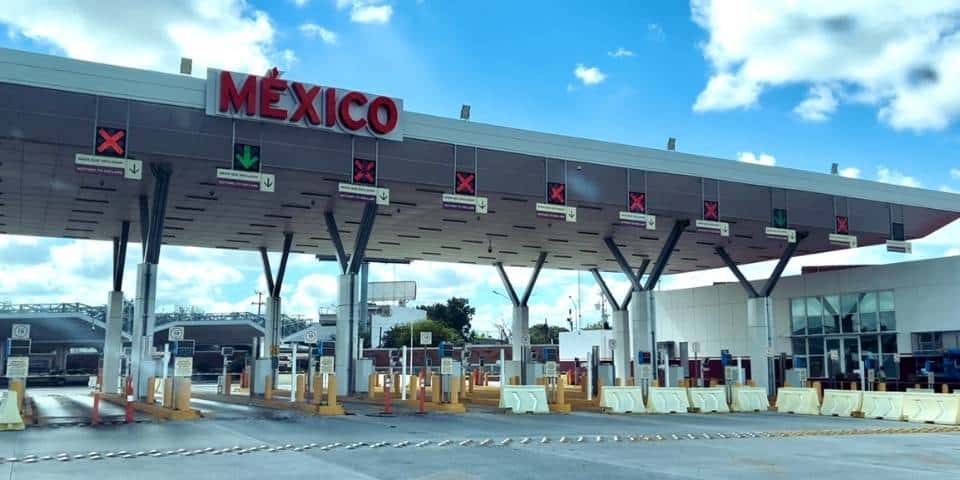
1. Unprecedented Border Congestion Points such as Nuevo Laredo, Reynosa, and Ciudad Juárez are operating above capacity. U.S. inspections are now stricter, and the daily flow of units has increased with the arrival of new automotive and manufacturing plants. Thousands of trailers form lines that can take up to 18 hours to cross.
2. Ports with Growing Delays Manzanillo and Lázaro Cárdenas are receiving more containers destined for intermediate manufacturing processes. The result is an increase in waiting times and a lack of space in yards. This saturation is not temporary: it is expected to continue for the next five years.
3. Excessive Demand for Specialized Transportation Refrigerated, lowboy, and premium dry van transport are experiencing occupancy levels exceeding 90 percent in some regions. This means prices are rising and availability is decreasing.
4. Insufficient Warehouses for New Industrial Demand The arrival of new companies in northern Mexico has collapsed the availability of industrial buildings. Logistics centers are saturated, and some operations have had to use improvised warehouses that do not meet safety standards.
5. Logistics Chain More Vulnerable to Disruptions Road blockades, customs strikes, infrastructure failures, and a shortage of operators have a multiplied effect. A single disruption can cause delays of days.
Operational Risks That Companies Underestimate
The problem is not only the saturation. It’s the domino effect it produces. These are the least visible but most critical risks:
Uncontrolled Cost Increases When there is high demand and low availability, transportation and storage prices increase. Many companies do not anticipate this change and end up generating operational losses.
Unpredictable Delivery Times Even if a company plans correctly, factors beyond its control, such as customs controls or closed routes, cause constant delays.
Dependence on a Single Corridor Many businesses rely on Nuevo Laredo as their only export point. This makes them vulnerable to any incident at that crossing.
Risk of Input Shortages If a foreign supplier sends more volume than usual, Mexican customs can collapse and delay the entry of key inputs.
How to Prevent Your Logistics Chain from Collapsing in 2025
To face this scenario, companies need preventative strategies and more flexible structures.
Reconfiguration of Routes and Border Crossings Relying solely on Nuevo Laredo is a risk. Using alternatives such as Colombia, Piedras Negras, or Ciudad Acuña reduces vulnerability and improves times.
Data-Driven Planning Companies should use predictive models to estimate delays at the border, port saturation, and transport demand. Data-driven decisions allow for timely adjustments to purchases, inventories, and production.
Alliances with Reliable Operators Having logistics companies with priority access to units, warehouses, and secure routes is key in a saturated environment.
Strategic Inventories Nearshoring requires a balance between low inventories and constant availability. It is recommended to establish safety stocks for critical products.
Use of Technology for Monitoring and Traceability Implementing advanced tracking systems allows for the detection of bottlenecks before they affect operations.
Diversification of Suppliers One of the most common mistakes is relying on a single foreign supplier. If their shipment is delayed, the entire chain stops. Diversification reduces risk.
Scalable Logistics Operation Adjusting processes to handle peak demand is fundamental. The company must be able to expand rapidly without compromising quality or times.
Final Reflection
Nearshoring represents a unique opportunity, but only companies that understand the pressure it puts on the logistics chain will be able to take full advantage of it. The risk of collapse is not due to a lack of local talent or infrastructure, but to a lack of strategic adaptation. Those who anticipate saturation, diversify routes, modernize processes, and work with reliable allies will be able to turn this challenge into one of the greatest engines of growth in 2025.
📩 Want to stay up-to-date with the latest trends in logistics, commerce, and transportation? Subscribe to the Control Terrestre newsletter and don't miss any updates.