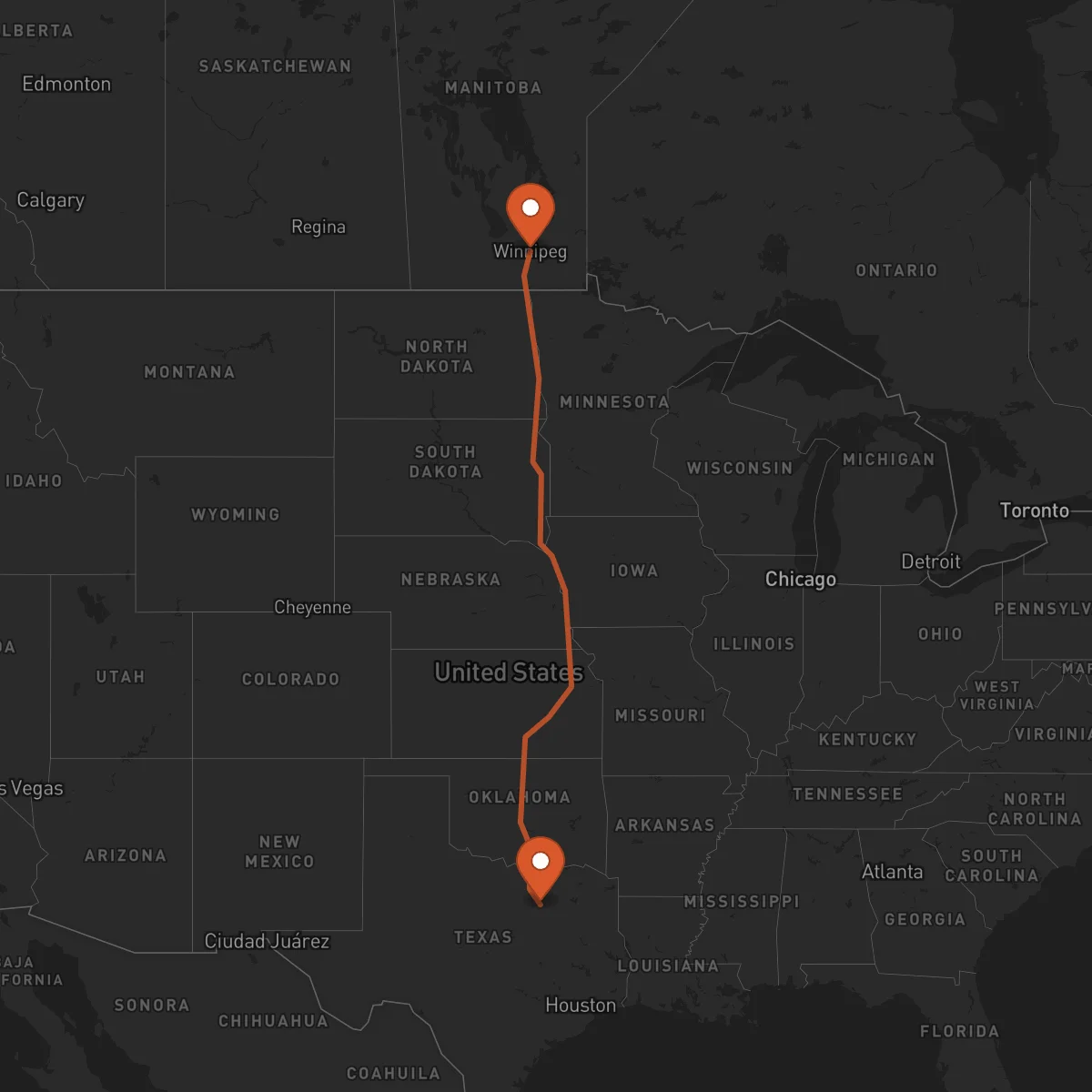
Winnipeg to Dallas
Dallas → WinnipegFTL freight transportation service between Winnipeg and Dallas. Reliable logistics solutions for your business.
Route Description
Everything you need to know about the corridor Winnipeg - Dallas
The Winnipeg-Dallas corridor represents a vital cross-border freight transportation route connecting the Canadian Prairies with the heart of Texas. This strategic 1904 km corridor facilitates the movement of goods between Manitoba's agricultural and manufacturing powerhouse and Dallas's thriving industrial and commercial center. The route traverses diverse terrain and crosses international borders, making it essential for businesses engaged in North American trade. Control Terrestre specializes in managing the complexities of this corridor, ensuring seamless freight movement across provincial and international boundaries.
Services for this Route
Available services for the corridor Winnipeg - Dallas
 Origin
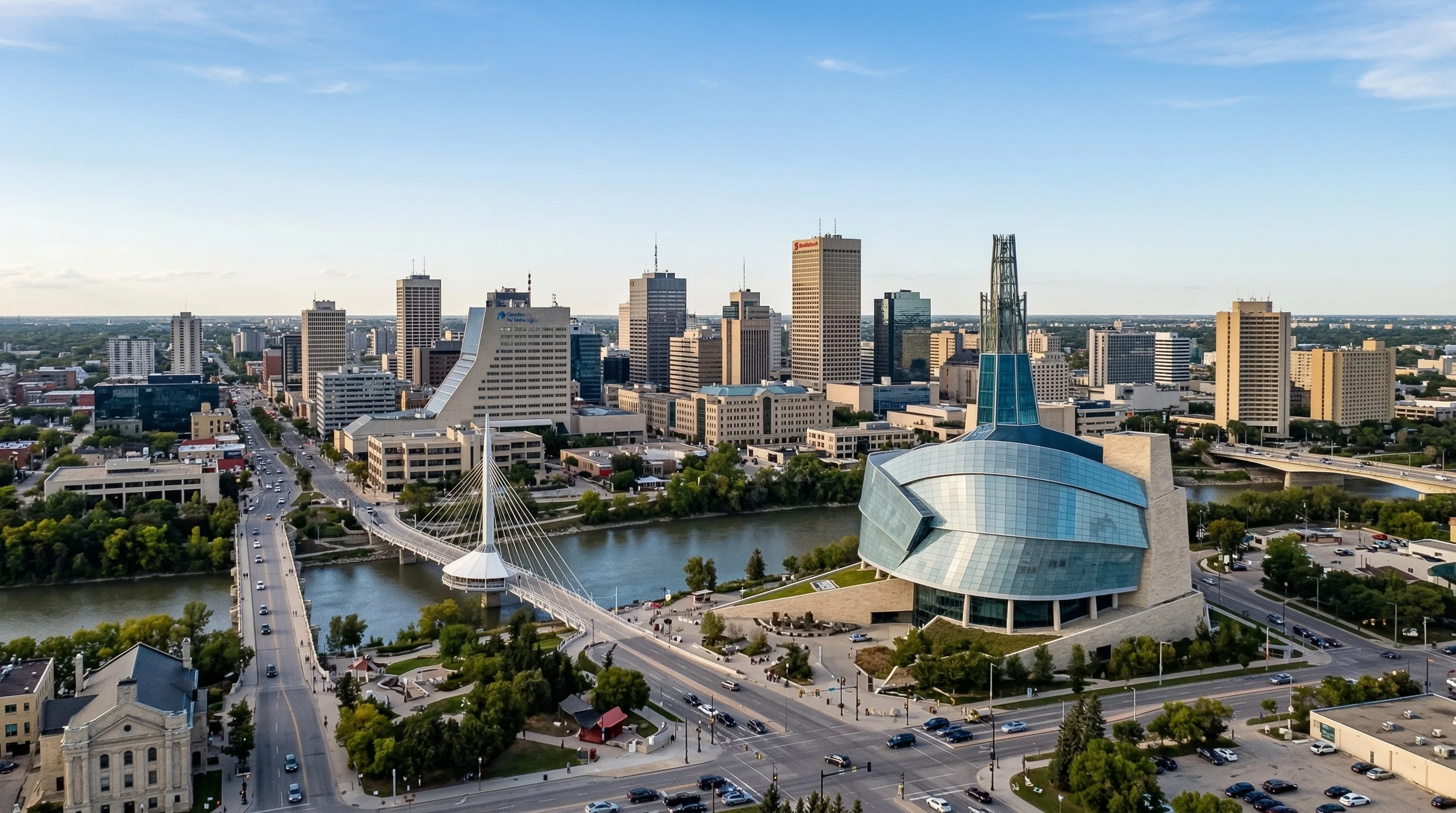
Winnipeg, Manitoba serves as a crucial logistics hub in Western Canada, strategically positioned at the confluence of the Red and Assiniboine Rivers. The city's location at the geographic center of North America makes it an ideal distribution point for goods moving east-west and north-south across the continent. Winnipeg's economy is anchored by manufacturing, agriculture, and transportation sectors, with major industries including aerospace, food processing, and advanced manufacturing. The city boasts extensive transportation infrastructure, including Winnipeg James Armstrong Richardson International Airport, major rail connections via CN and CP rail lines, and access to Provincial Trunk Highways 1, 75, and 59.
 Destination
Dallas
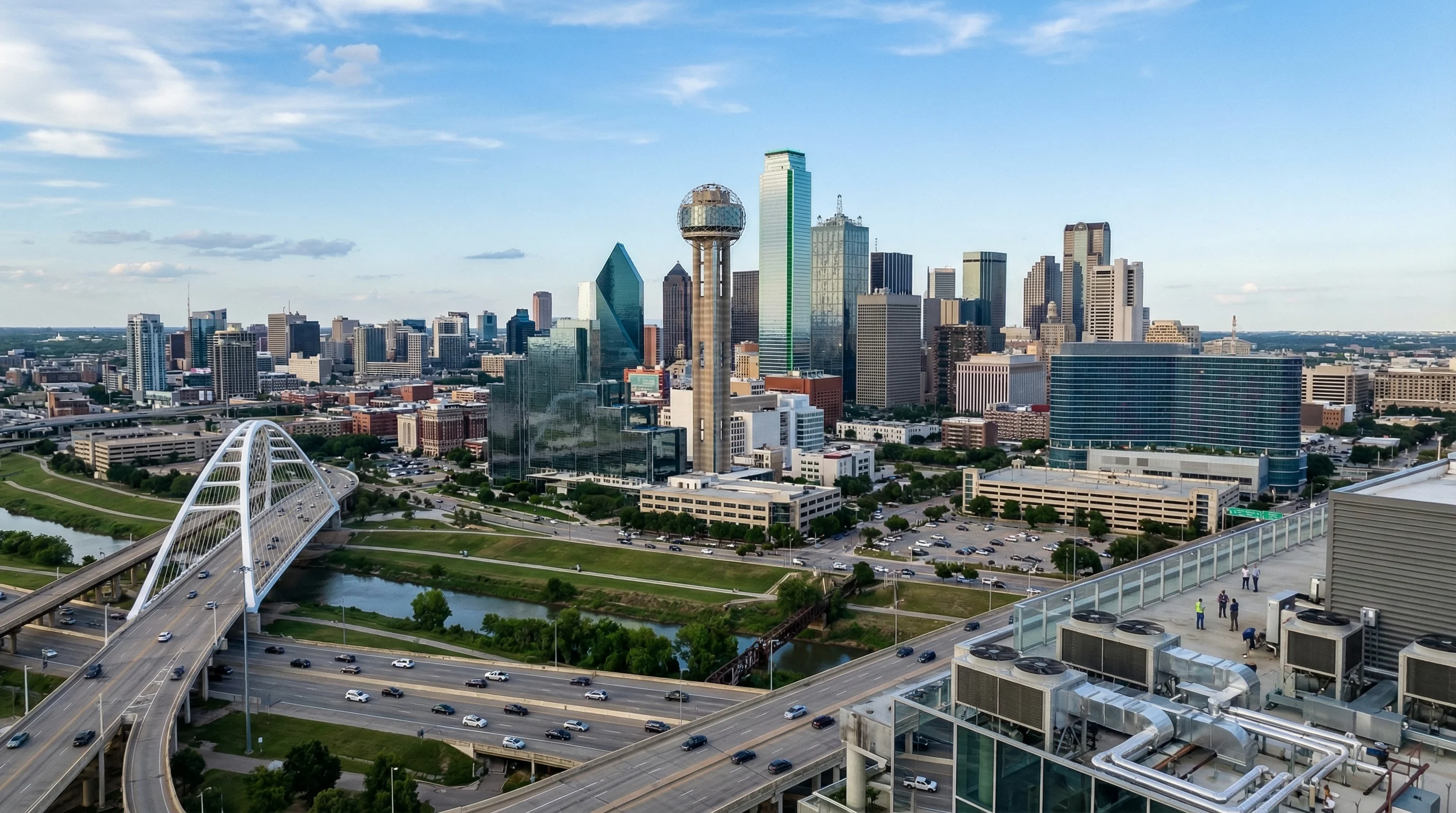
Dallas, Texas stands as a major logistics and economic powerhouse in the southern United States, serving as the primary commercial center of the Dallas-Fort Worth metroplex. The city's strategic location provides excellent access to major markets across the southern U.S. and Mexico, with robust infrastructure supporting its role as a distribution hub. Dallas's economy is diverse, with strong presence in technology, telecommunications, banking, energy, and healthcare sectors. The city offers world-class transportation facilities including Dallas/Fort Worth International Airport, extensive highway networks (I-35, I-30, I-20), and major rail connections, making it an ideal destination for freight distribution and warehousing operations.










