Victoria to Arlington
Arlington → VictoriaFTL freight transportation service between Victoria and Arlington. Reliable logistics solutions for your business.
Route Description
Everything you need to know about the corridor Victoria - Arlington
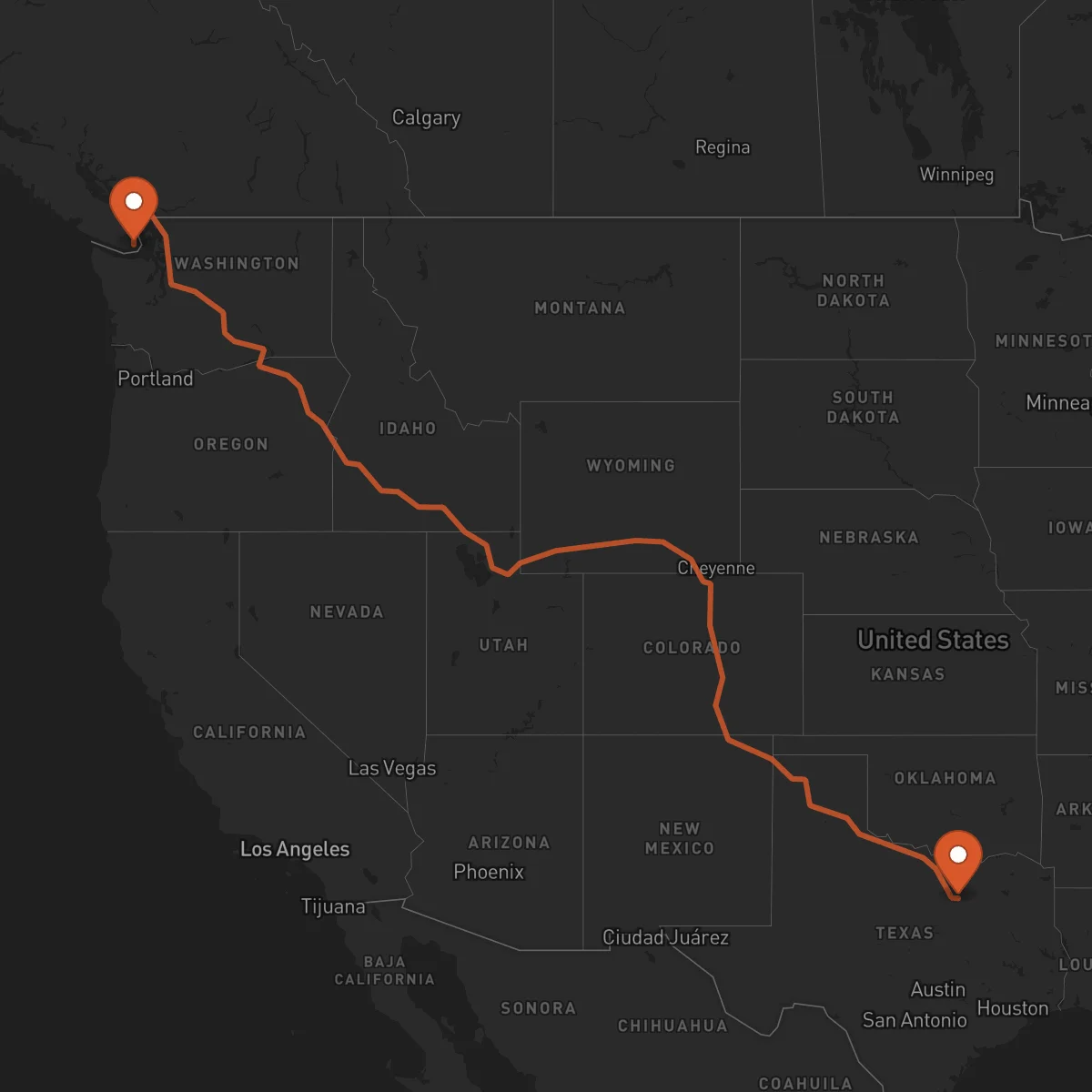
The Victoria, British Columbia to Arlington, Texas corridor represents a strategic north-south freight route connecting Canada's Pacific gateway with one of Texas's major industrial and commercial hubs. This extensive cross-border route spans approximately 2,798 kilometers and traverses diverse terrains, including the majestic Rocky Mountains and the vast Great Plains. The corridor serves as a vital link for industries requiring seamless transportation between Western Canada and the central United States.
This route facilitates the movement of diverse cargo types, from automotive parts and manufacturing components to agricultural products and consumer goods. The economic relationship between British Columbia's export-oriented economy and Texas's manufacturing and distribution centers creates substantial freight demand. Key industries utilizing this corridor include automotive, aerospace, technology, and energy sectors, all of which depend on reliable, full truckload (FTL) transportation services.
Major transportation infrastructure along this corridor includes the Trans-Canada Highway (Highway 1) through British Columbia, connecting to Interstate 15 in Montana, then continuing south through Interstate 25 and Interstate 35. The primary border crossing at Coutts/Sweetgrass in Alberta/Montana provides efficient processing for commercial vehicles. Control Terrestre's expertise in cross-border operations ensures smooth customs clearance and compliance with both Canadian and U.S. regulations, minimizing delays and optimizing transit times for our clients' critical shipments.
Services for this Route
Available services for the corridor Victoria - Arlington
 Origin
Victoria
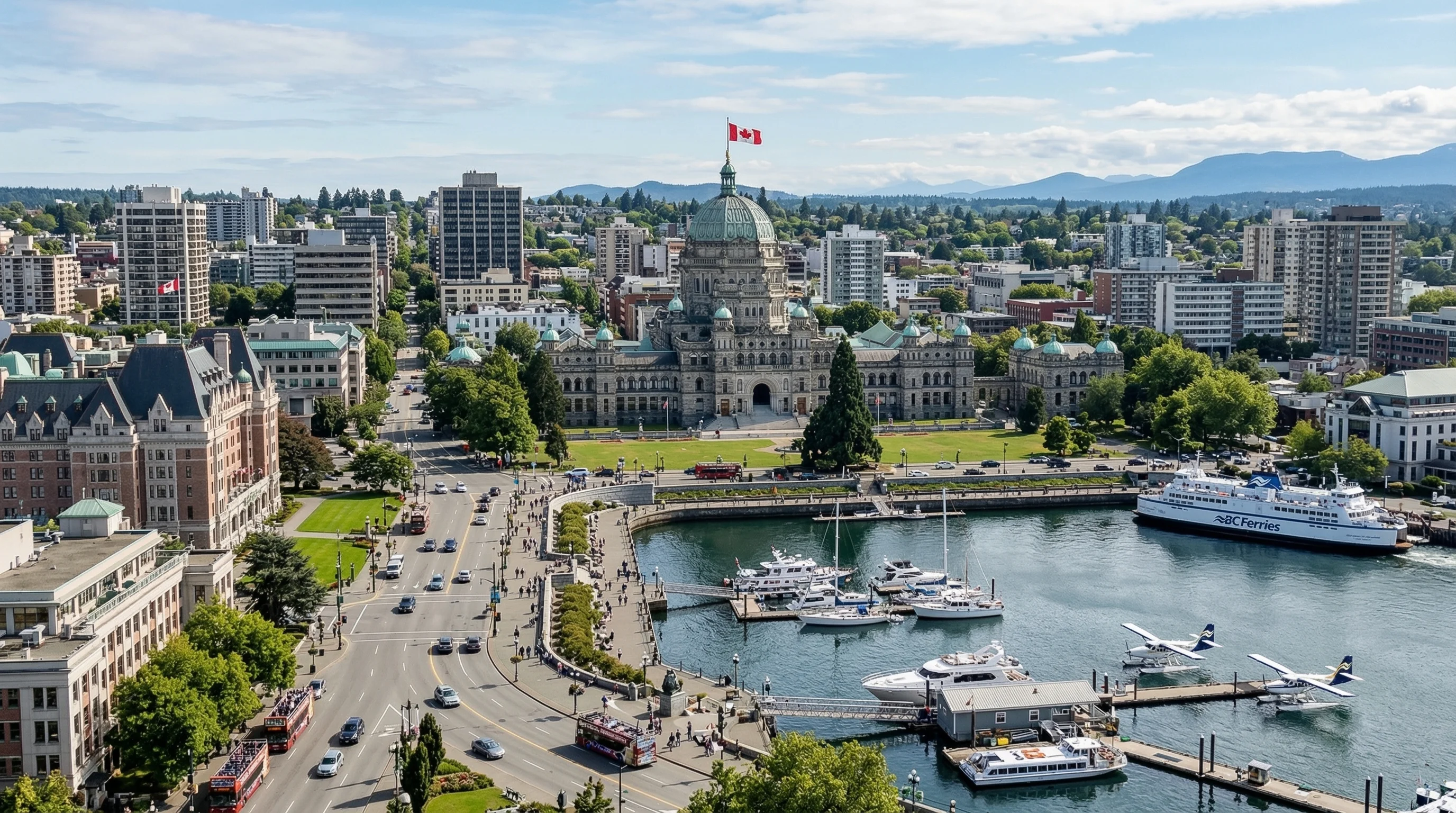
Victoria, located on Vancouver Island in British Columbia, serves as a strategic logistics hub with access to major ports and transportation networks. As the capital city of British Columbia, Victoria benefits from its proximity to the Port of Vancouver, Canada's largest port, and the Vancouver International Airport, providing multimodal transportation options. The region's economy is driven by technology, tourism, government services, and a growing advanced manufacturing sector.
The city's transportation infrastructure includes the BC Ferries terminal connecting Vancouver Island to the mainland, comprehensive road networks, and proximity to major rail terminals. Victoria's strategic location makes it an ideal origin point for freight destined for markets throughout North America, particularly for companies in British Columbia's technology corridor and the province's robust aerospace and defense industries.
 Destination
Arlington
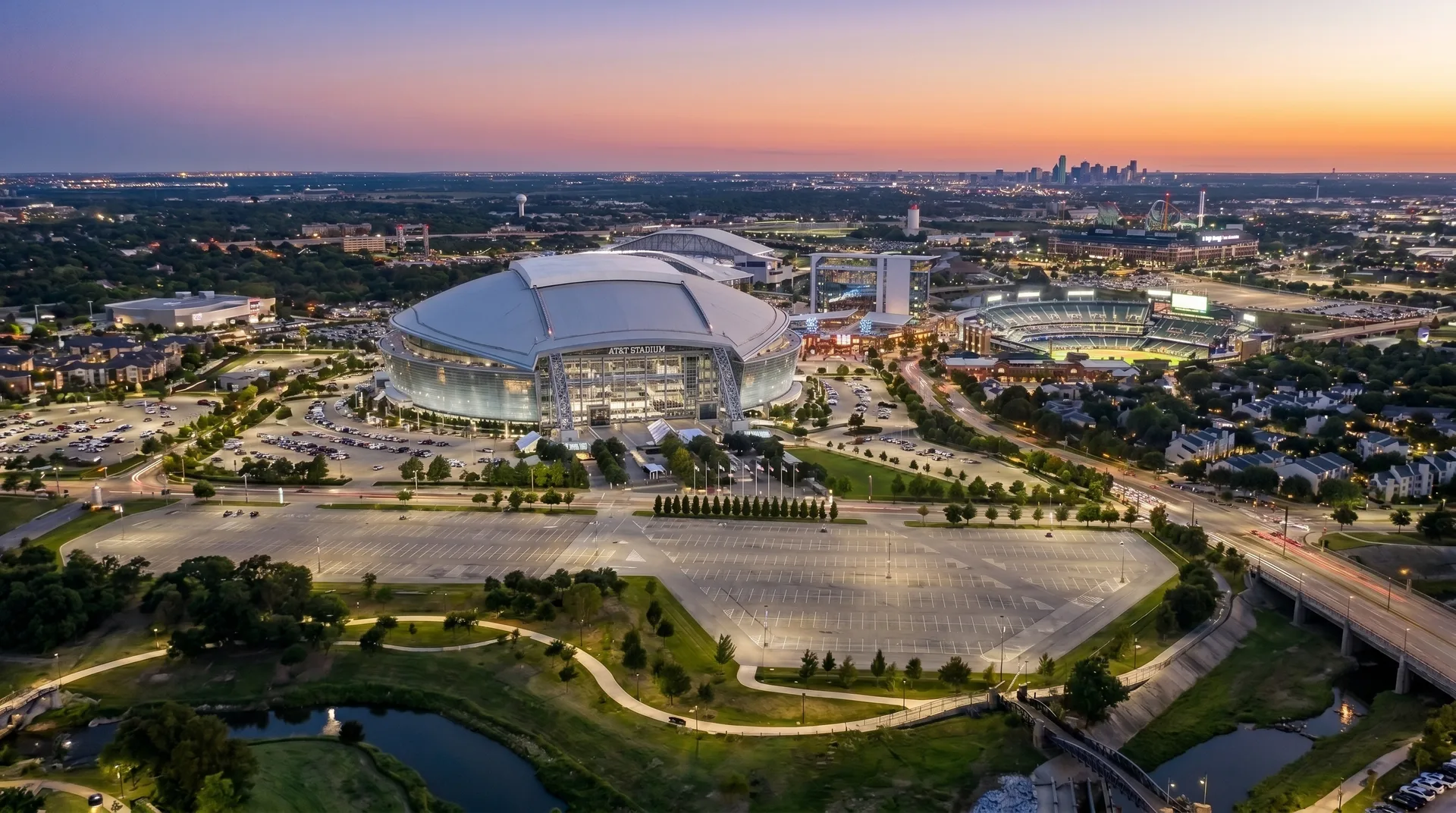
Arlington, Texas, situated between Dallas and Fort Worth, is a strategic logistics destination in the heart of the Dallas-Fort Worth Metroplex. This region is one of the fastest-growing economic areas in the United States, characterized by a diverse industrial base including automotive manufacturing, aerospace, defense, and technology sectors. Arlington is home to major employers such as General Motors and numerous corporate headquarters, creating substantial freight demand.
The city benefits from exceptional transportation infrastructure, including direct access to major highways such as Interstate 20, Interstate 30, and State Highway 360. The Dallas/Fort Worth International Airport, one of the world's busiest cargo airports, and the Alliance Texas inland port provide comprehensive logistics solutions. Arlington's central location within the DFW Metroplex makes it an ideal distribution center for companies serving markets throughout Texas, the southern United States, and beyond.










