Victoria to Torreón
Torreón → VictoriaFTL freight transportation service between Victoria and Torreón. Reliable logistics solutions for your business.
Route Description
Everything you need to know about the corridor Victoria - Torreón
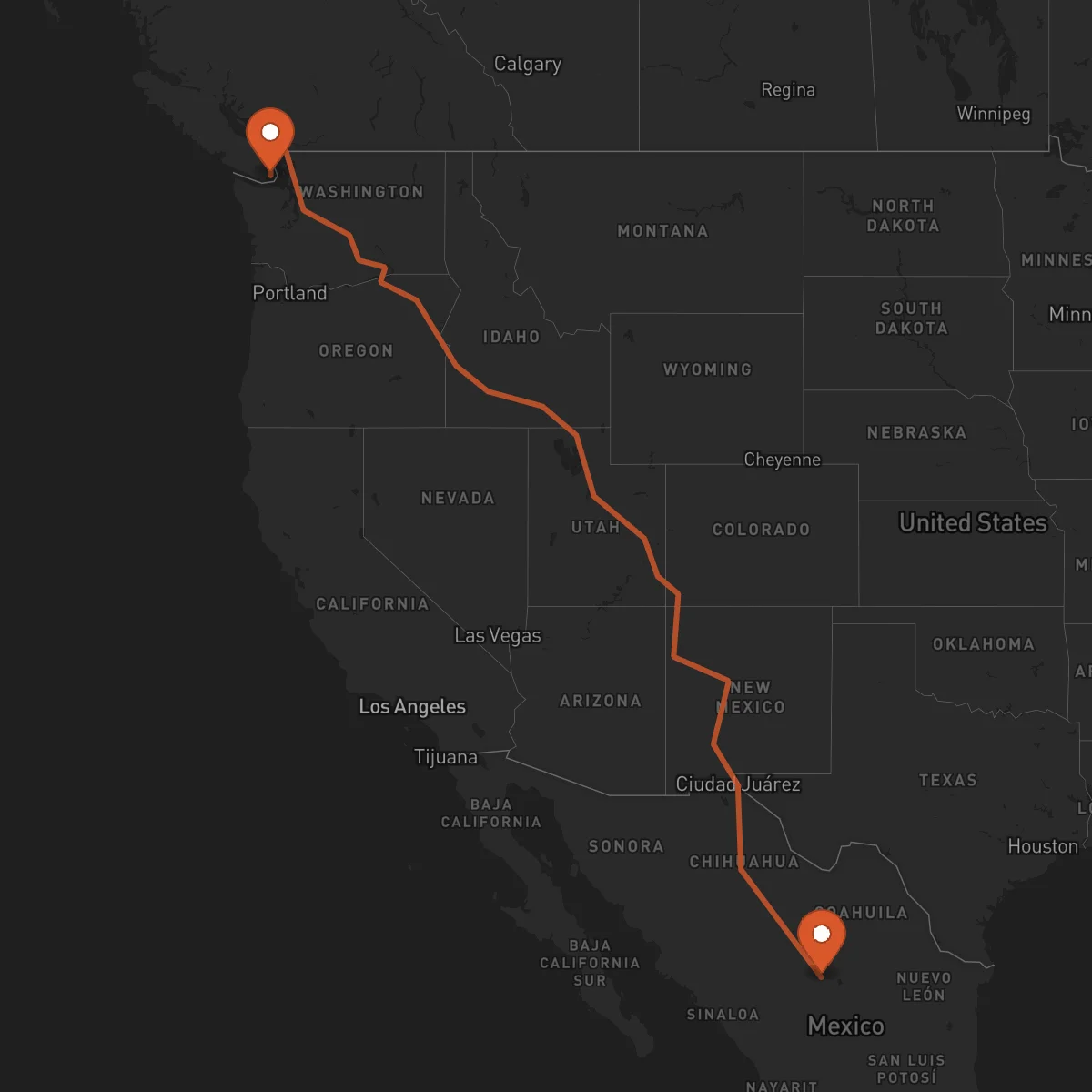
The Victoria-Torreón corridor represents a vital cross-border logistics route connecting the Pacific Northwest of Canada with northern Mexico. This 3,081 km transportation artery facilitates the movement of goods between two dynamic economic regions, traversing diverse terrains from the coastal mountains of British Columbia through the central plains of the United States and into the industrial heartland of Coahuila. The corridor serves as a critical link in the North American supply chain, enabling seamless freight transportation between Canada, the United States, and Mexico.
The economic significance of this corridor is underscored by the complementary industrial activities in both regions. Victoria's economy, anchored in technology, tourism, and advanced manufacturing, exports high-value goods that find markets in Mexico's growing industrial sector. Meanwhile, Torreón's robust manufacturing base, particularly in automotive, aerospace, and metal products, generates substantial freight volumes requiring efficient distribution channels to Canadian markets. This bidirectional flow of goods creates consistent demand for reliable full truckload (FTL) transportation services.
Key transportation infrastructure along this corridor includes major highways such as BC Highway 1, I-5, I-15, and Mexican Federal Highways 45 and 40. The primary border crossing at Douglas, Arizona (Nogales) serves as the main gateway, though alternative crossings are available based on specific routing needs. Control Terrestre's expertise in cross-border operations ensures smooth customs clearance and compliance with all regulatory requirements, minimizing delays and optimizing transit times for our clients' freight shipments.
Services for this Route
Available services for the corridor Victoria - Torreón
 Origin
Victoria
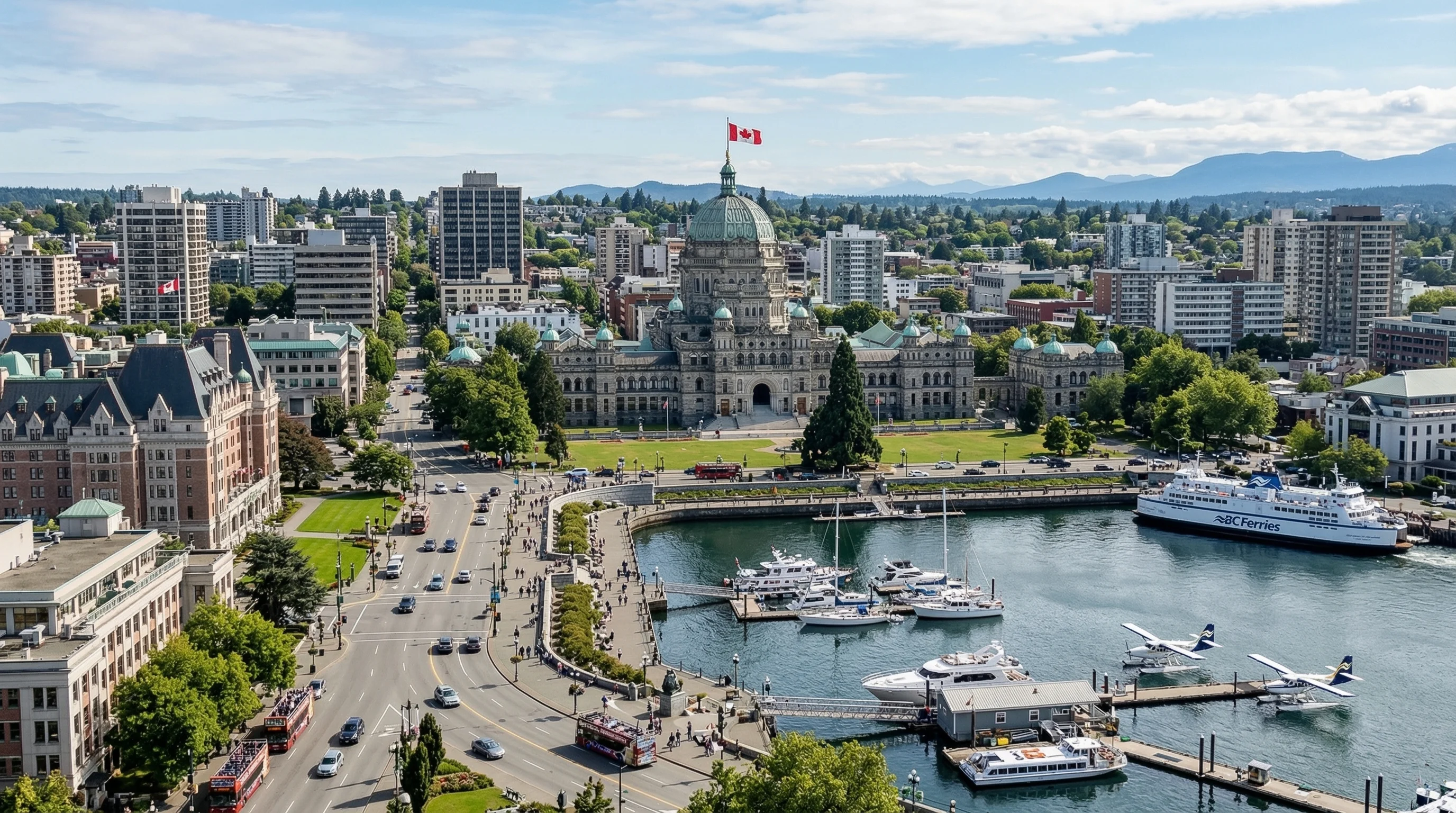
Victoria, located on Vancouver Island in British Columbia, Canada, serves as a strategic logistics hub for the Pacific Northwest region. The city's port facilities, including the Victoria International Airport and the Swartz Bay Ferry Terminal, provide multimodal connectivity that enhances its role in international freight movement. Victoria's economy is characterized by advanced technology sectors, aerospace manufacturing, and a growing presence of logistics and distribution companies that leverage the region's proximity to major Pacific trade routes.
The transportation infrastructure in Victoria includes well-maintained highways connecting to mainland British Columbia via ferry services, as well as direct air cargo connections to major North American hubs. The region's commitment to sustainable transportation practices aligns with modern supply chain requirements, offering companies environmentally conscious logistics solutions. Victoria's strategic position as a gateway to Asian markets and its integration with Canada's extensive rail network make it an ideal origin point for freight destined for Mexico and other parts of North America.
 Destination
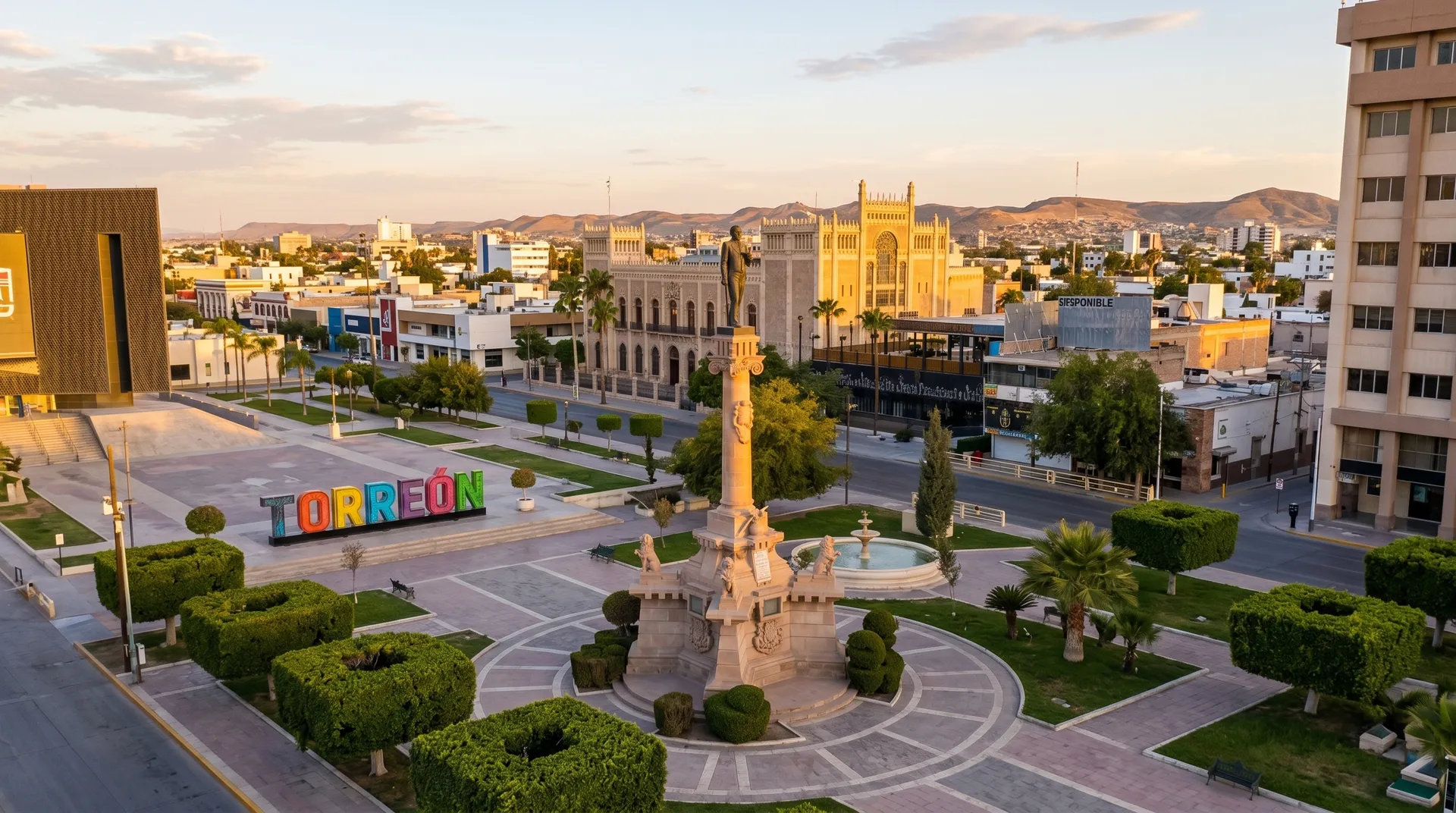
Torreón, situated in the state of Coahuila, Mexico, stands as a major industrial center in northern Mexico with significant strategic importance for logistics operations. The city forms part of the Comarca Lagunera, a metropolitan area that includes Gómez Palacio and Lerdo, creating a substantial industrial and commercial zone. Torreón's economy is heavily focused on manufacturing, particularly in automotive components, aerospace parts, and metal products, making it a crucial node in Mexico's export-oriented industrial strategy.
The transportation infrastructure supporting Torreón includes direct access to Mexican Federal Highway 40, which connects to the broader North American highway network, and proximity to major rail lines operated by Ferromex. The city's industrial parks are equipped with modern warehousing and distribution facilities, while its location provides relatively short transit times to both U.S. border crossings and major Mexican ports. Torreón's growing logistics sector benefits from Mexico's trade agreements and its position as a manufacturing center for companies serving both North American and international markets.










