Tulsa to Portland
Portland → TulsaFTL freight transportation service between Tulsa and Portland. Reliable logistics solutions for your business.
Route Description
Everything you need to know about the corridor Tulsa - Portland
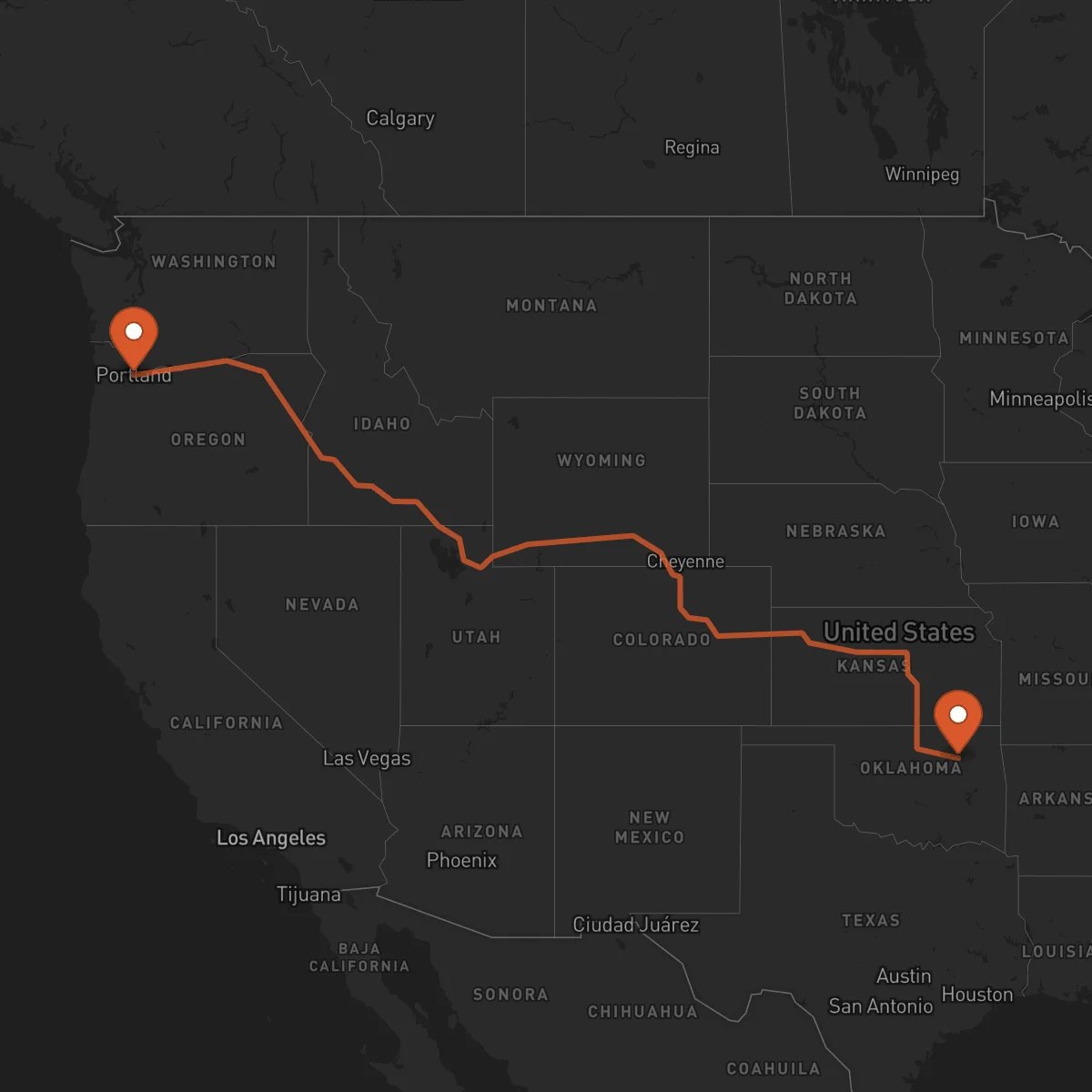
The logistics corridor connecting Tulsa, Oklahoma to Portland, Oregon represents a vital transportation link across the central United States, spanning approximately 2,459 kilometers. This domestic route traverses diverse terrain and crosses multiple states, creating a strategic pathway for freight movement between the Midwest and the Pacific Northwest. The corridor serves as a crucial connection between Oklahoma's industrial heartland and Oregon's major port city, facilitating the flow of goods across the country's vast interior.
The economic significance of this corridor cannot be overstated. Tulsa stands as a major energy and manufacturing hub, while Portland serves as a gateway to international trade through its bustling port facilities. This route enables the efficient movement of industrial equipment, manufactured goods, and raw materials between these two economic powerhouses. The corridor particularly benefits from the complementary nature of both regions' economies, with Tulsa's energy sector supplying Portland's diverse manufacturing and technology industries.
Key transportation infrastructure along this corridor includes major interstate highways such as I-44, I-35, and I-84, providing reliable freight movement across multiple states. These well-maintained highways ensure consistent transit times and support various transportation modes, from standard dry van freight to specialized equipment transport. Control Terrestre leverages this robust infrastructure to provide seamless FTL transportation solutions, offering dedicated services that meet the specific needs of businesses operating between these two important commercial centers.
Services for this Route
Available services for the corridor Tulsa - Portland
 Origin
Tulsa
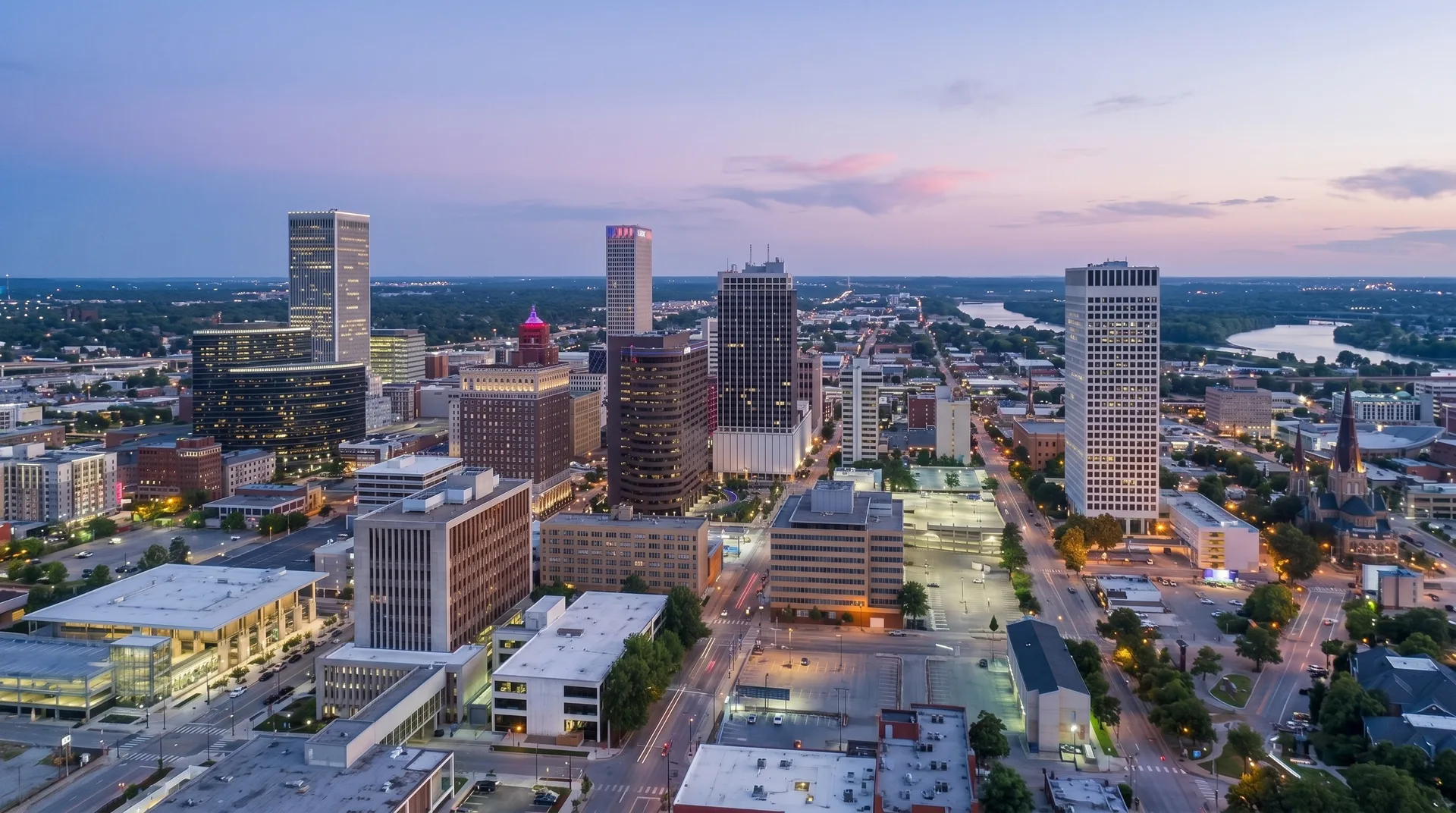
Tulsa, Oklahoma serves as a strategic logistics hub in the central United States, benefiting from its central location and excellent transportation infrastructure. The city is home to one of the largest inland river ports in the country, the Tulsa Port of Catoosa, which connects to the Mississippi River via the McClellan-Kerr Arkansas River Navigation System. Tulsa's economy is anchored by the energy sector, aerospace manufacturing, and logistics services, making it a crucial node in the national supply chain. The city's extensive highway network, including I-44 and I-35, provides efficient connections to major markets across the country.
 Destination
Portland
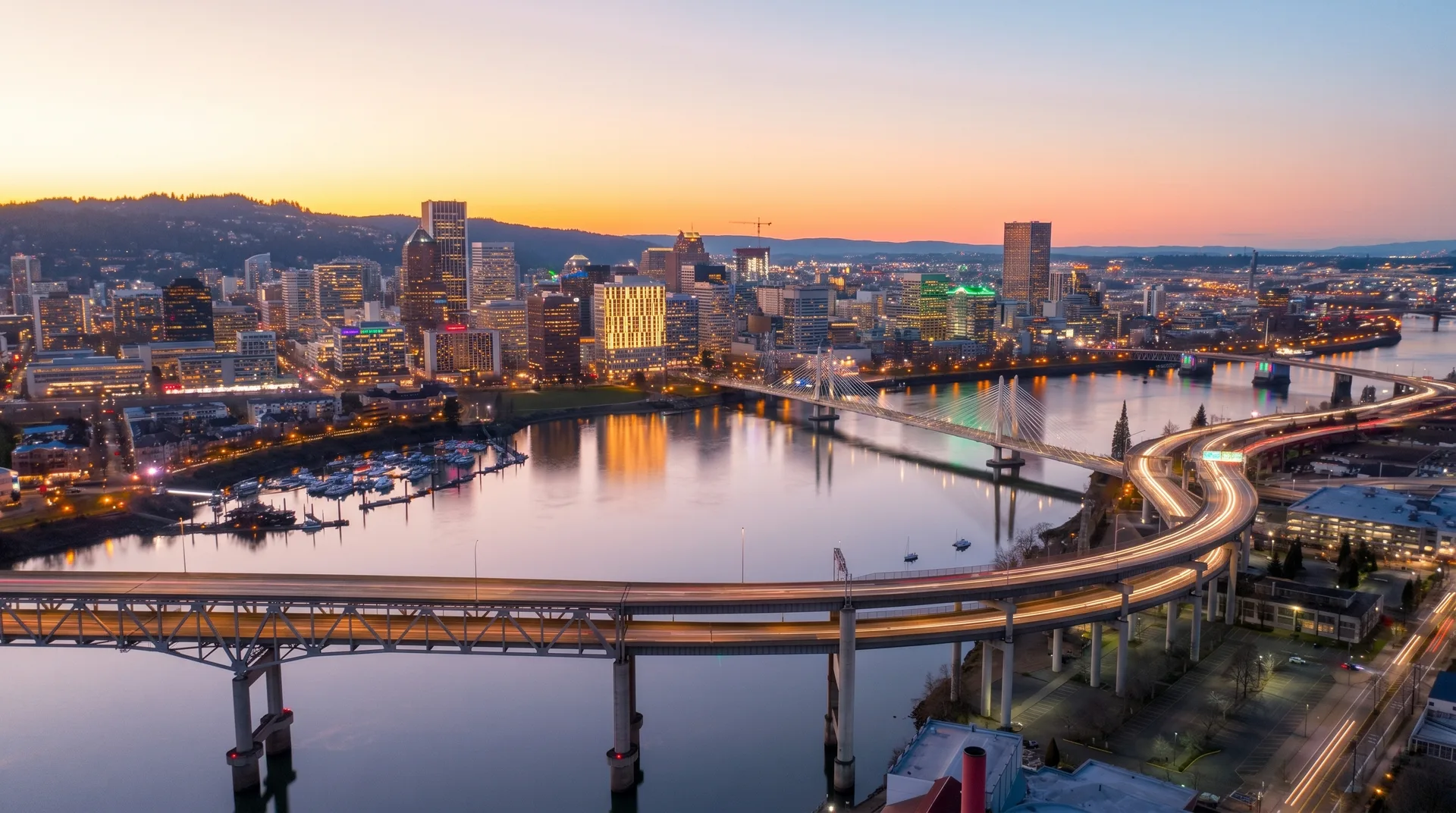
Portland, Oregon stands as a strategic logistics center on the West Coast, with its prime location offering access to international trade routes through the Port of Portland. The city's economy is driven by technology, manufacturing, and trade, with a particular emphasis on sustainable industries and green technology. Portland's transportation infrastructure includes a comprehensive network of highways, rail connections, and the international airport, facilitating seamless freight movement. The city's proximity to major West Coast markets and its role as a gateway to Asia make it an essential destination for freight transportation across the United States.










