Tulsa to Olympia
Olympia → TulsaFTL freight transportation service between Tulsa and Olympia. Reliable logistics solutions for your business.
Route Description
Everything you need to know about the corridor Tulsa - Olympia
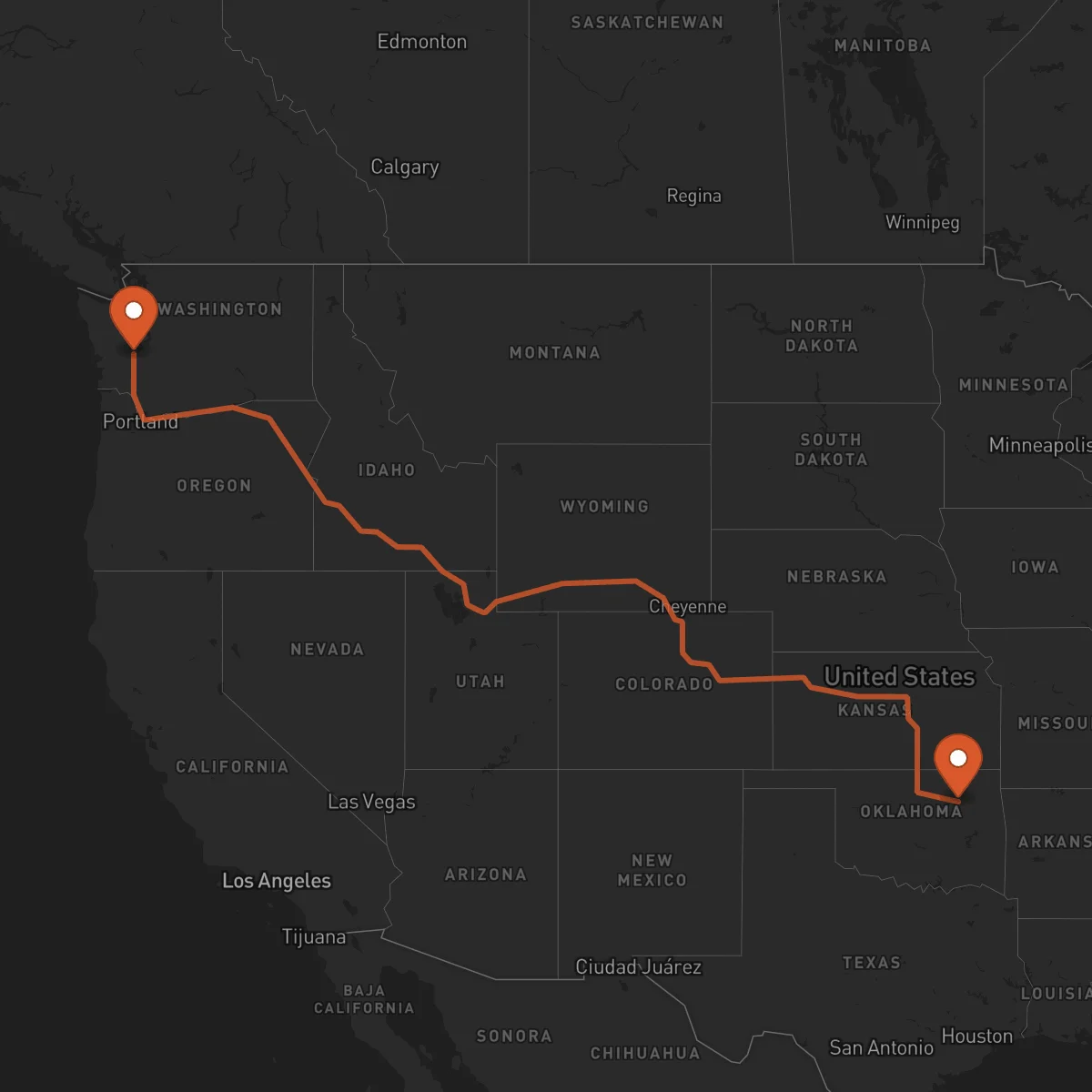
The Tulsa to Olympia corridor represents a vital freight transportation link connecting the industrial heartland of Oklahoma with the Pacific Northwest. This 2,526 km domestic route traverses diverse landscapes and connects major economic centers, facilitating the movement of goods between the central United States and Washington State. The corridor serves as a critical artery for businesses operating across multiple sectors, enabling efficient supply chain operations between these two strategic locations.
The economic significance of this route is substantial, as Tulsa serves as a major energy and manufacturing hub while Olympia functions as a key distribution center for the Pacific Northwest. The corridor supports industries including aerospace, technology, agriculture, and retail, with freight volumes consistently high due to the complementary economic activities between these regions. Major corporations rely on this transportation link to maintain their supply chains and distribution networks.
Transportation infrastructure along this corridor includes major interstate highways such as I-44, I-35, I-90, and I-5, providing reliable and efficient freight movement. These highways offer multiple routing options to optimize transit times and accommodate various cargo types. Control Terrestre leverages this robust infrastructure to provide seamless FTL transportation services, ensuring your cargo moves efficiently from origin to destination. Our strategic partnerships with certified carriers along this route guarantee consistent service quality and on-time delivery for your critical shipments.
Services for this Route
Available services for the corridor Tulsa - Olympia
 Origin
Tulsa
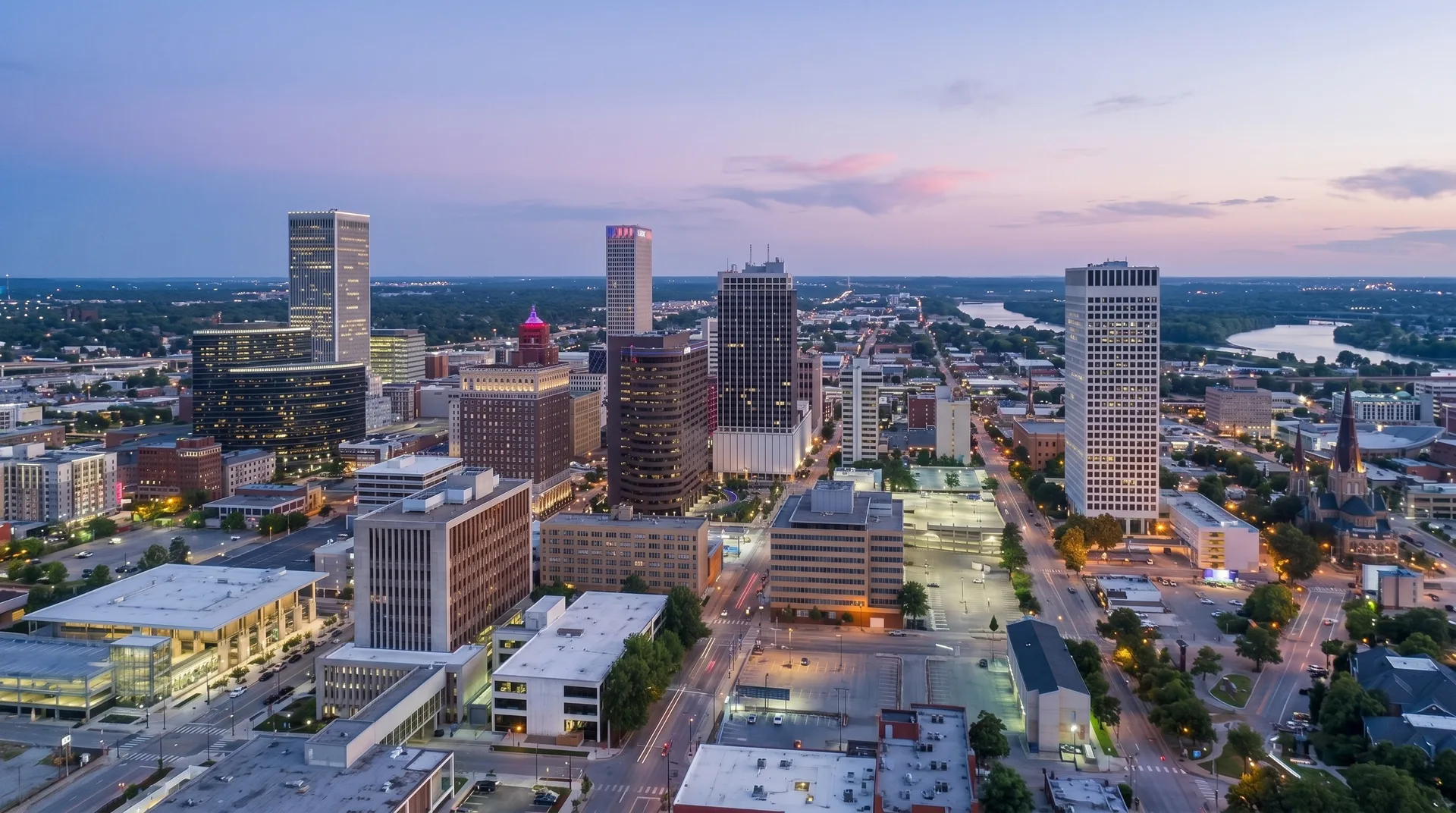
Tulsa, Oklahoma stands as a strategic logistics hub in the central United States, offering exceptional connectivity for freight transportation. The city's location provides access to major rail networks, interstate highways, and the Tulsa International Airport, creating a multimodal transportation ecosystem. Tulsa's central positioning within the country makes it an ideal origin point for nationwide distribution, with excellent access to both eastern and western markets.
The economic landscape of Tulsa is dominated by energy, aerospace, and manufacturing sectors. The city hosts numerous Fortune 500 companies and serves as headquarters for major corporations in the oil and gas industry. This industrial diversity creates substantial freight volumes and establishes Tulsa as a critical node in the national supply chain. The Port of Catoosa, located nearby, provides additional water transportation options, further enhancing Tulsa's logistics capabilities.
 Destination
Olympia
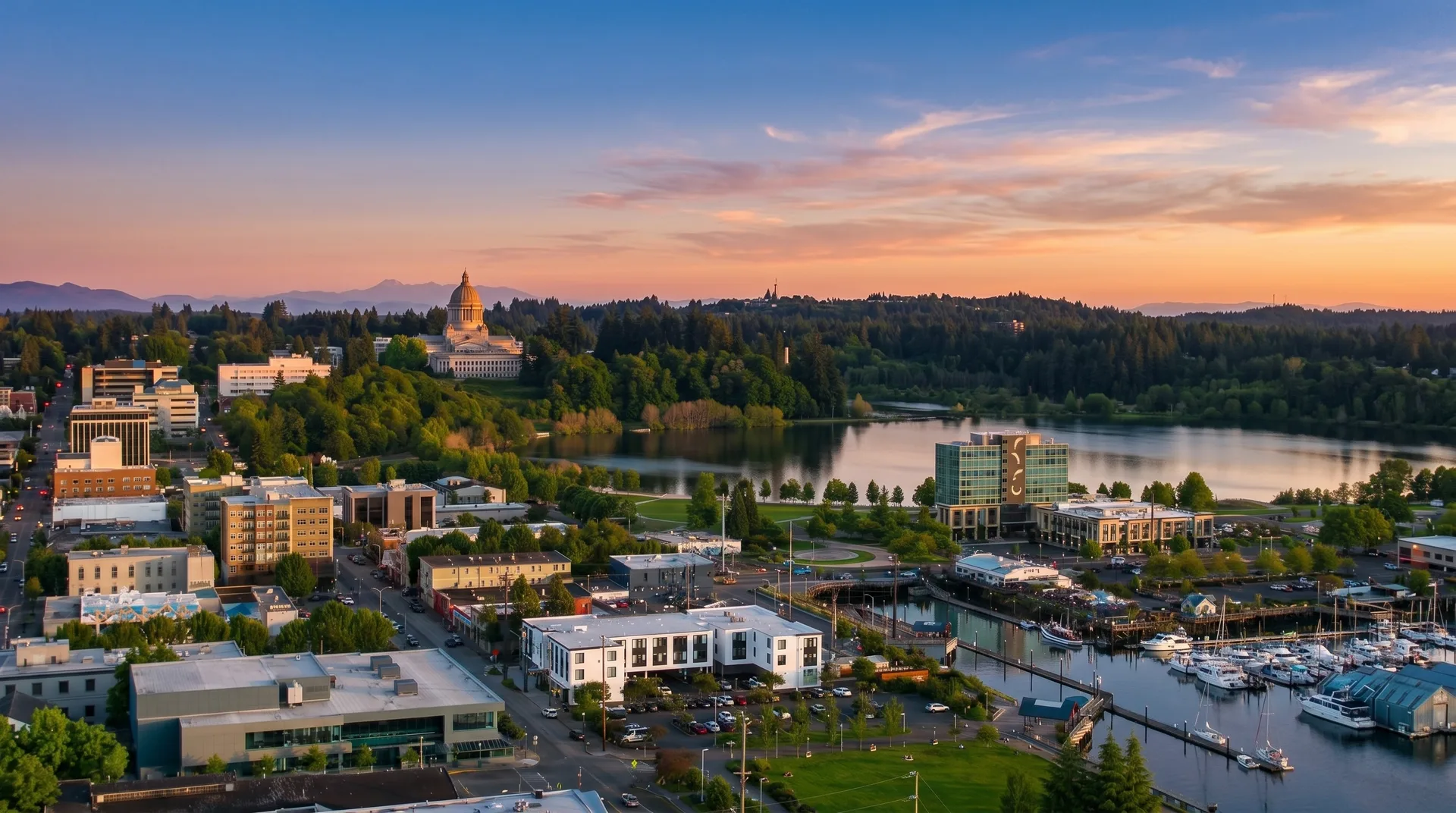
Olympia, Washington serves as a strategic gateway to the Pacific Northwest, offering unique advantages for freight distribution. Located in the Puget Sound region, Olympia provides access to major ports, including the Port of Olympia and proximity to the Port of Seattle and Port of Tacoma. This positioning makes it an ideal destination for goods destined for both domestic markets and international export through the Pacific Rim.
The economic profile of Olympia and surrounding Thurston County encompasses government services, technology, healthcare, and education sectors. The region's proximity to Seattle and Portland creates a dynamic economic environment with substantial freight movement. Olympia's location near major transportation corridors, including Interstate 5, provides efficient connections to Vancouver, British Columbia, and other key Pacific Northwest markets. The area's growing e-commerce sector and distribution centers further amplify the importance of reliable freight transportation services.










