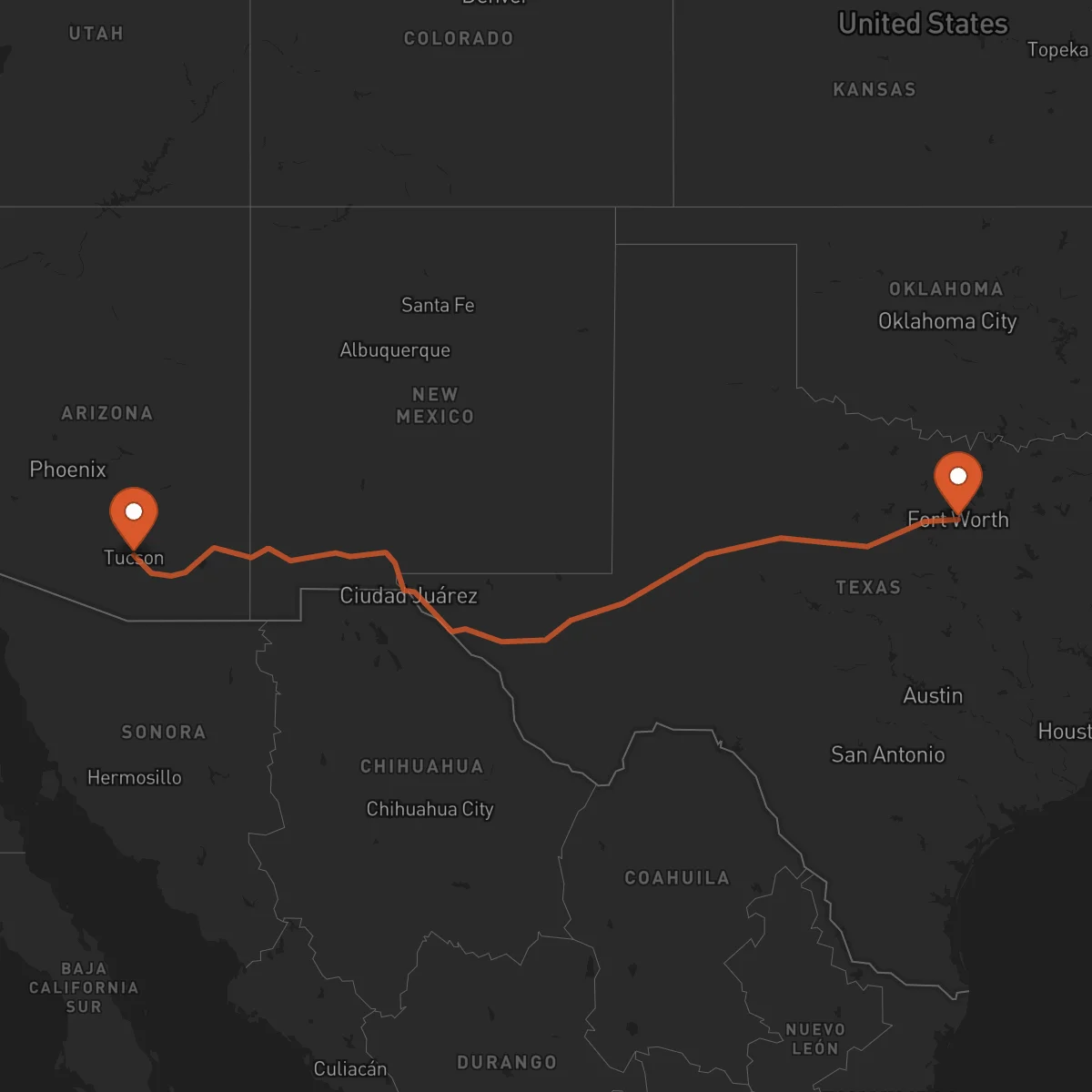
Tucson to Fort Worth
Fort Worth → TucsonFTL freight transportation service between Tucson and Fort Worth. Reliable logistics solutions for your business.
Route Description
Everything you need to know about the corridor Tucson - Fort Worth
The Tucson to Fort Worth corridor represents a vital freight transportation route connecting the Southwest with the heart of Texas. This 1280 km domestic corridor links Arizona's second-largest city with one of Texas's major metropolitan areas, facilitating the movement of goods across multiple states and economic regions. The route traverses diverse landscapes and crosses through key economic zones, making it essential for businesses operating in both regions.
The economic significance of this corridor is substantial, connecting Arizona's manufacturing and technology sectors with Texas's robust industrial base. Tucson serves as a major distribution hub for the Southwest, while Fort Worth anchors one of the nation's largest inland ports and logistics centers. The corridor supports critical industries including automotive manufacturing, aerospace and defense, electronics, agricultural products, and energy-related materials. Both cities benefit from their strategic locations near major interstate highways and rail networks.
Control Terrestre specializes in full truckload (FTL) transportation along this corridor, providing reliable and efficient freight solutions. Our experienced carrier network ensures consistent service quality, while our strategic partnerships enable us to handle specialized cargo requirements. We understand the unique challenges of this route and maintain the necessary certifications and equipment to meet diverse transportation needs, from standard dry van shipments to temperature-controlled freight and oversized loads.
Services for this Route
Available services for the corridor Tucson - Fort Worth
 Origin
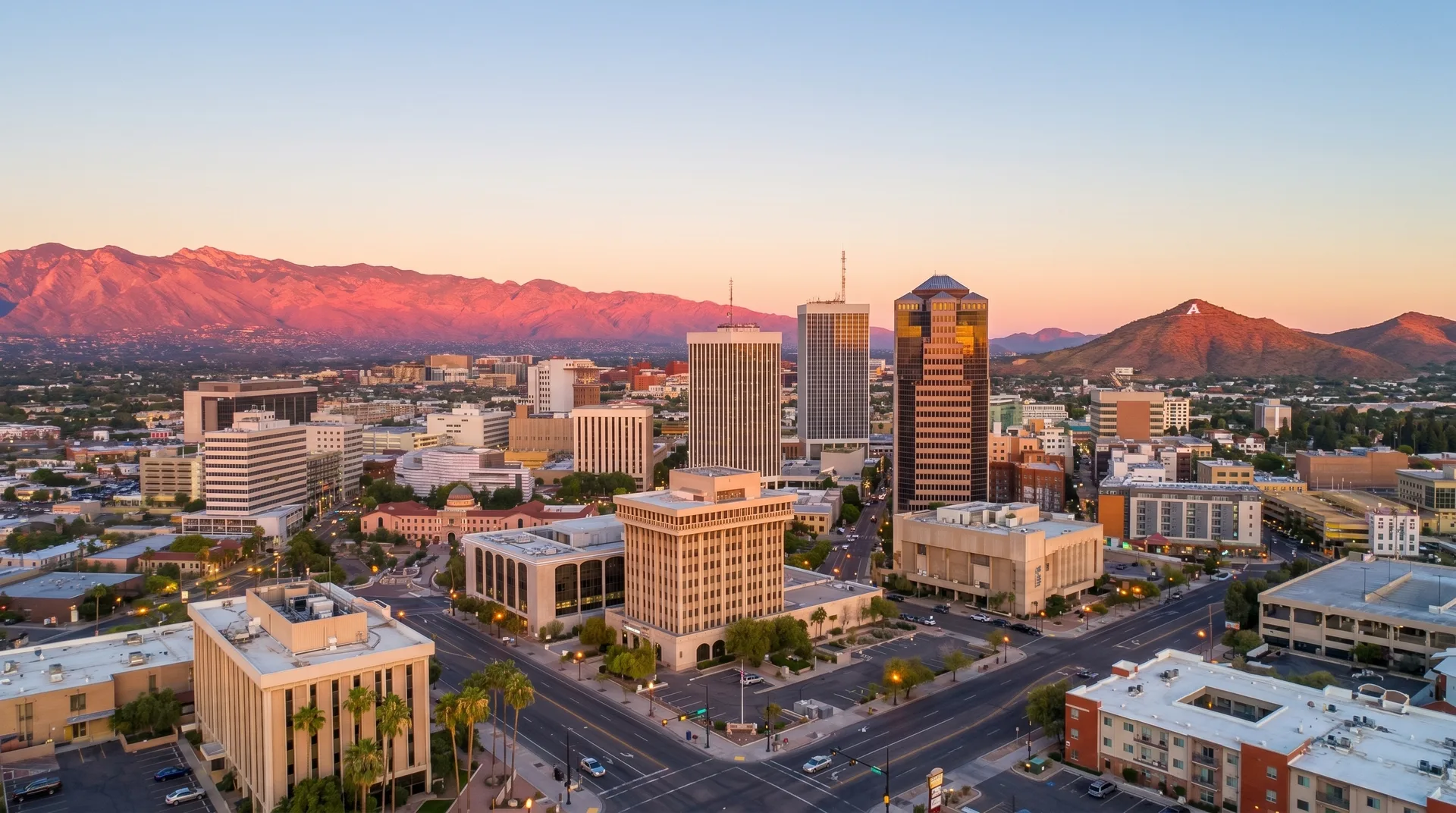
Tucson
Tucson, Arizona serves as a strategic logistics hub in the Southwest, offering excellent connectivity to major markets across the western United States. Located along Interstate 10, Tucson provides direct access to both coastal and inland destinations. The city's economy is driven by diverse sectors including aerospace and defense, optics and photonics, healthcare, and advanced manufacturing. Tucson's proximity to the Mexican border also makes it a crucial point for cross-border trade and logistics operations. The region benefits from multiple transportation options including Tucson International Airport, extensive rail connections through Union Pacific and BNSF, and a well-developed highway network that supports efficient freight movement throughout the region.
 Destination
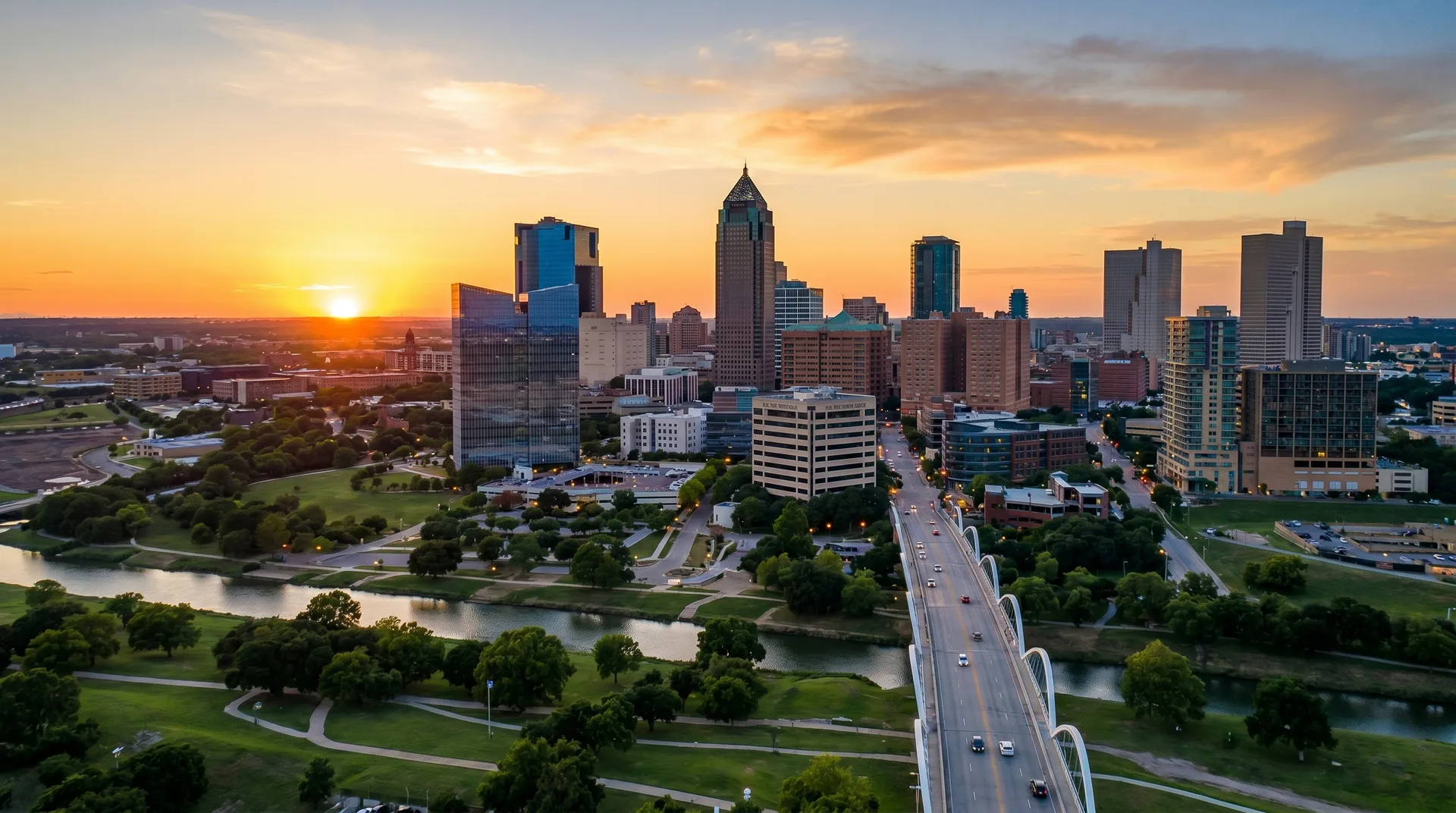
Fort Worth
Fort Worth, Texas stands as a major logistics and transportation center in the southern United States, strategically positioned at the intersection of multiple interstate highways. As part of the Dallas-Fort Worth metroplex, it serves as a crucial gateway to the Texas market and beyond. The city's economy is anchored by aerospace and aviation, manufacturing, distribution, and energy sectors. Fort Worth is home to AllianceTexas, one of the nation's largest inland ports, featuring extensive rail facilities, warehousing, and intermodal capabilities. The region's transportation infrastructure includes DFW International Airport, major rail yards operated by Union Pacific and BNSF, and direct access to Interstate 35W and Interstate 20, providing seamless connectivity to major markets throughout the country.










