Tijuana to Houston
Houston → TijuanaFTL freight transportation service between Tijuana and Houston. Reliable logistics solutions for your business.
Route Description
Everything you need to know about the corridor Tijuana - Houston
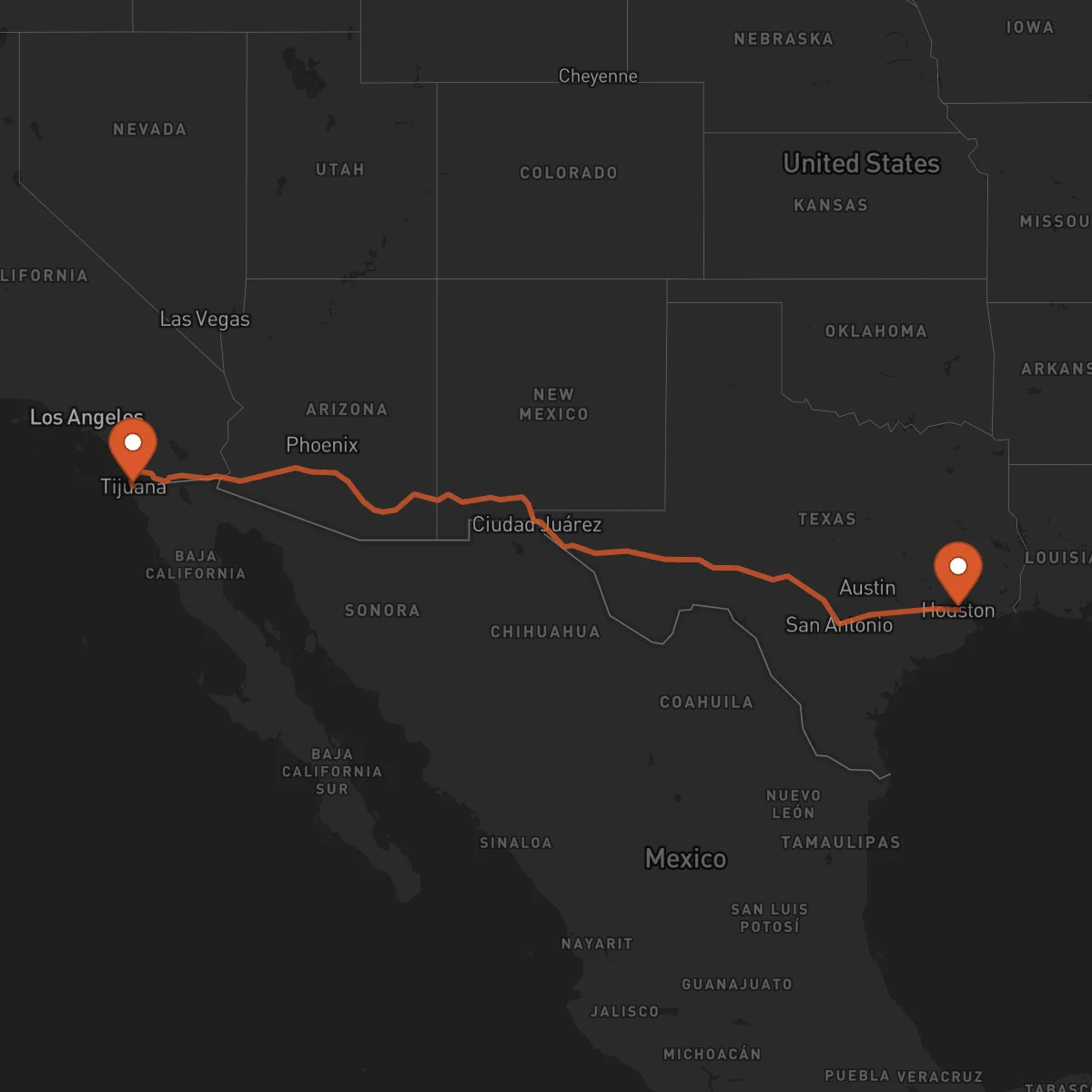
The logistics corridor between Tijuana and Houston represents a vital commercial artery connecting Mexico's northwestern border with one of the most important industrial and energy hubs in the United States. This 2,080-kilometer route traverses diverse terrain and crosses multiple states, facilitating the movement of goods between two dynamic economic regions. The corridor serves as a bridge between Tijuana's manufacturing and export capabilities and Houston's vast industrial, petrochemical, and distribution networks.
The economic significance of this corridor is substantial, with Tijuana serving as a major manufacturing center for aerospace, medical devices, electronics, and automotive industries, while Houston stands as a global leader in energy, chemicals, and advanced manufacturing. This complementary industrial base creates consistent freight demand moving in both directions. The corridor particularly benefits from the strong trade relationship between Mexico and Texas, with numerous companies operating cross-border supply chains that require reliable transportation solutions.
Key transportation infrastructure along this route includes Mexico's Federal Highway 2D and Federal Highway 2, connecting to major U.S. interstate highways such as I-10, which provides direct access to Houston. The San Ysidro Port of Entry serves as the primary border crossing point, offering multiple lanes and dedicated FAST lanes for pre-screened shipments. Control Terrestre's expertise in navigating these border procedures, combined with our certified transportation partners, ensures efficient cross-border operations. Our team manages all customs documentation, coordinates with border authorities, and provides real-time shipment tracking to maintain supply chain visibility throughout the journey.
Services for this Route
Available services for the corridor Tijuana - Houston
 Origin
Tijuana
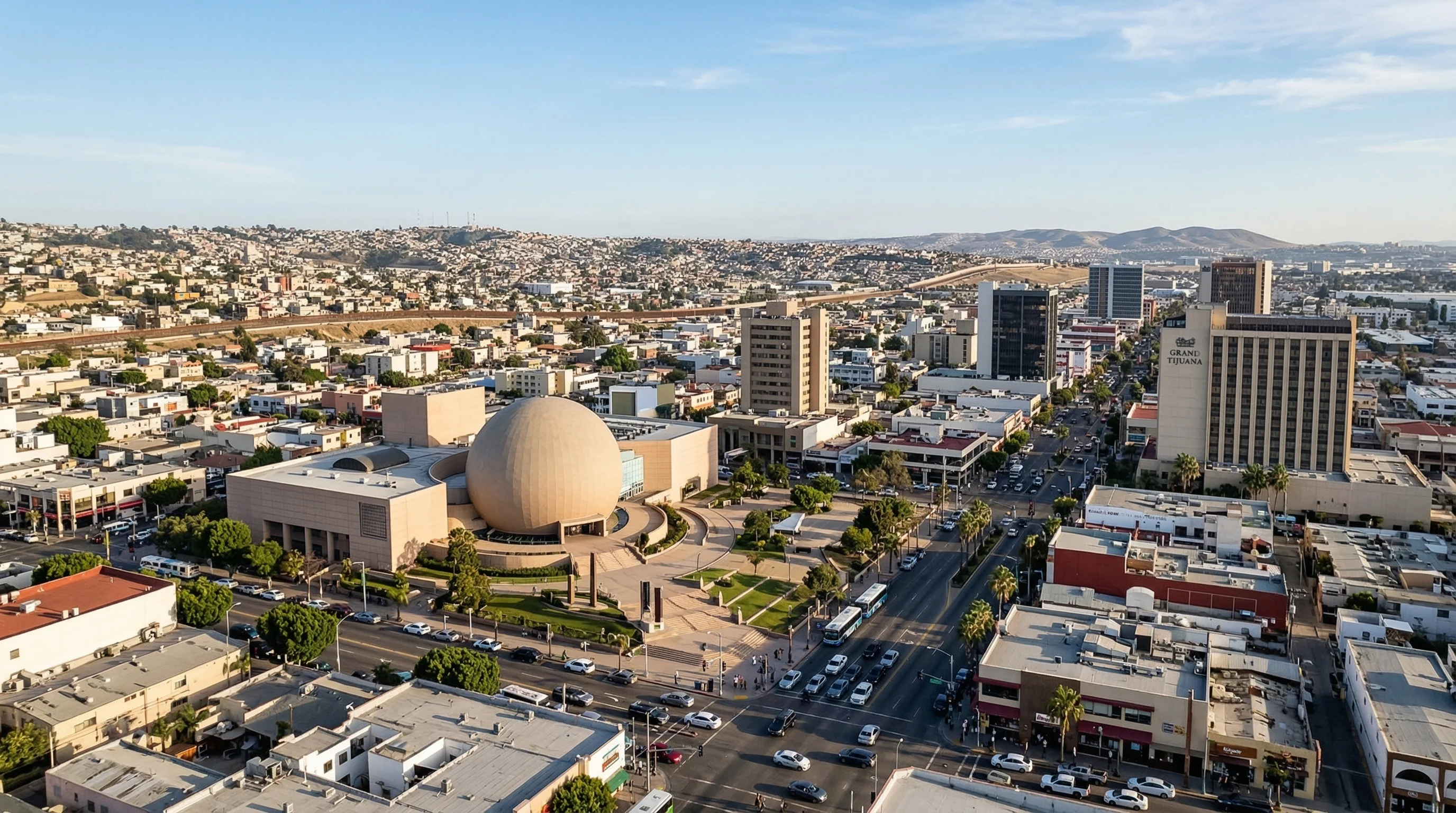
Tijuana stands as a strategic logistics hub on Mexico's northern border, directly adjacent to San Diego, California. This unique geographical position makes it an ideal gateway for international trade, with the San Ysidro Port of Entry being one of the busiest land border crossings in the world. The city's proximity to major U.S. markets, combined with its extensive transportation infrastructure including the Tijuana International Airport and multiple highway connections, positions it as a critical node in North American supply chains.
The region's economy is dominated by manufacturing and export-oriented industries, with strong presence in aerospace, medical devices, electronics, automotive, and biotechnology sectors. Tijuana hosts over 600 manufacturing plants, many operating under maquiladora programs, which require efficient transportation solutions to move finished goods to U.S. markets. The city's industrial parks are equipped with modern logistics facilities, warehousing, and distribution centers that support just-in-time manufacturing processes and international trade operations.
 Destination
Houston
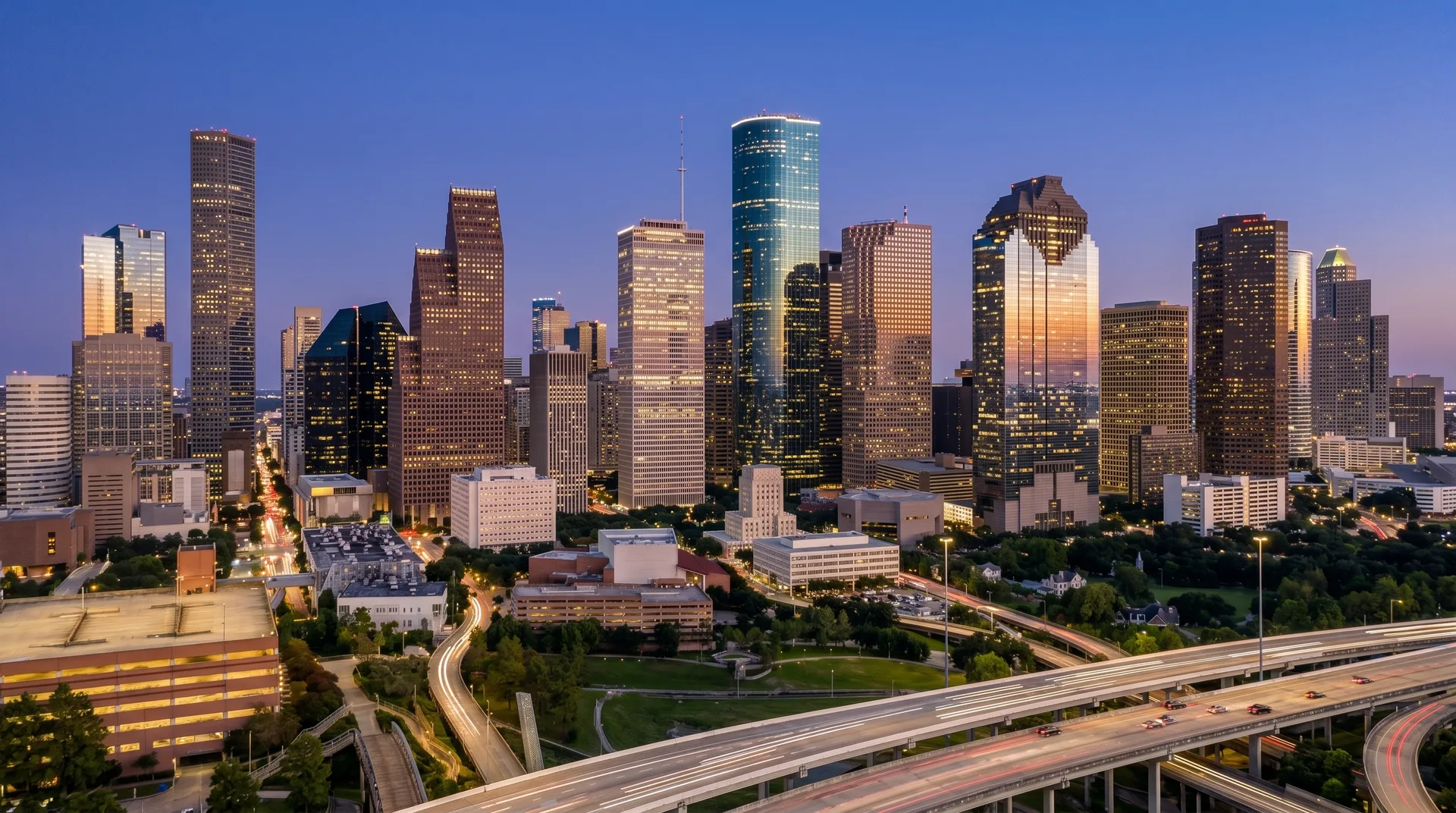
Houston serves as a strategic logistics powerhouse in the southern United States, anchored by its position as the energy capital of the world and home to the largest petrochemical complex in the nation. The city's extensive transportation infrastructure includes the Port of Houston, one of the busiest ports in the country, George Bush Intercontinental Airport, and a comprehensive network of interstate highways including I-10, I-45, and I-69. This multimodal connectivity makes Houston an ideal destination for freight moving from Mexico and other international origins.
The Houston metropolitan area hosts a diverse industrial base, with energy and petrochemical industries forming the backbone of the local economy. The region is also a major center for aerospace manufacturing, with NASA's Johnson Space Center, as well as healthcare, technology, and advanced manufacturing sectors. Houston's industrial landscape includes numerous manufacturing facilities, distribution centers, and warehouses that require consistent inbound and outbound freight movement. The city's strategic location provides access to major U.S. markets across the South, Midwest, and Southwest, making it a crucial distribution point for companies serving the southern United States.










