Tijuana to Olympia
Olympia → TijuanaFTL freight transportation service between Tijuana and Olympia. Reliable logistics solutions for your business.
Route Description
Everything you need to know about the corridor Tijuana - Olympia
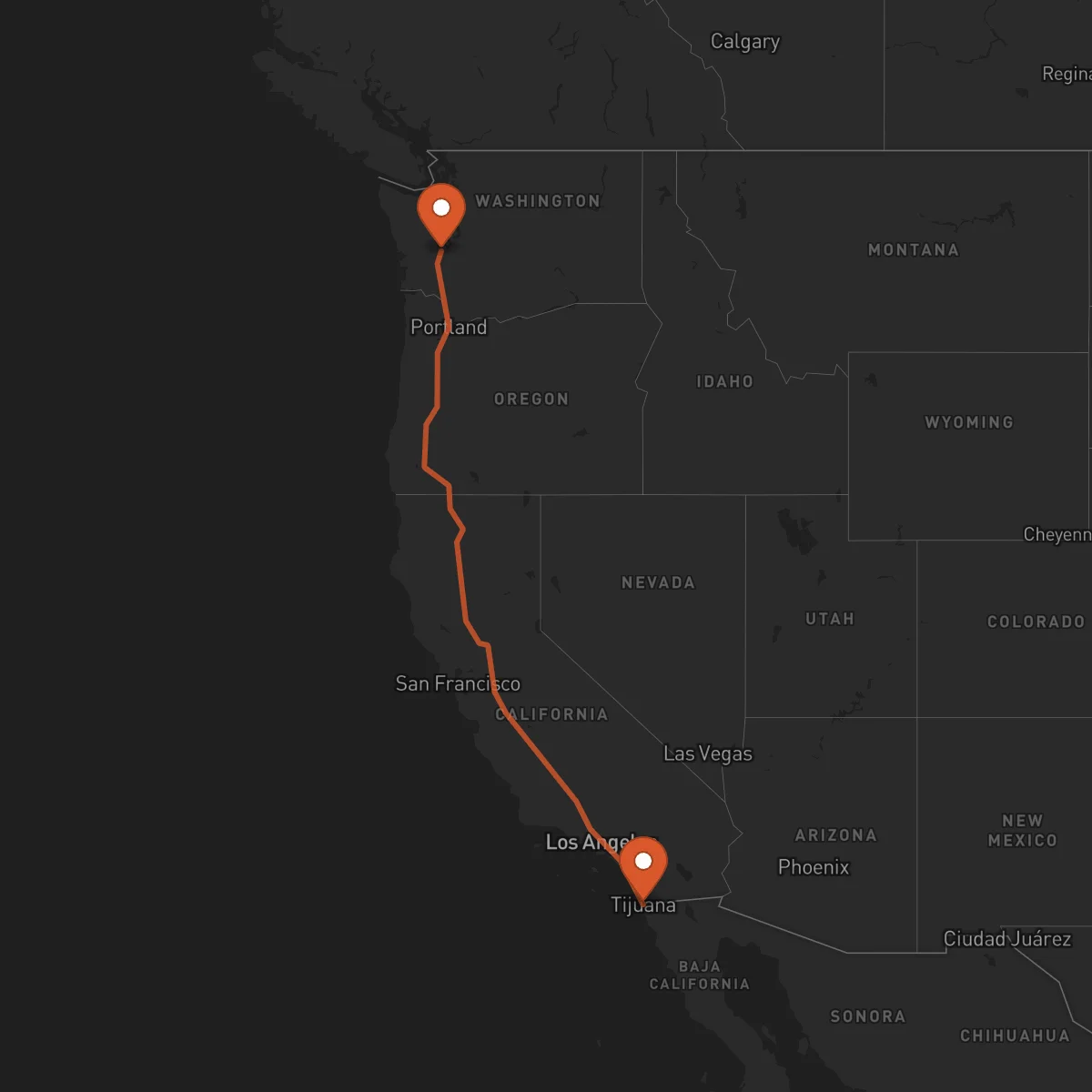
The logistics corridor connecting Tijuana, Baja California, México to Olympia, Washington, United States represents a critical North American trade route spanning approximately 1,689 kilometers. This cross-border corridor serves as a vital link between Mexico's thriving manufacturing sector and Washington State's robust distribution and agricultural industries. The route traverses the Pacific Northwest, connecting the US-Mexico border with the Pacific coast of Washington, facilitating the movement of goods between two major economic regions.
The corridor's significance is underscored by the strong economic ties between Tijuana's maquiladora industry and Washington's technology, aerospace, and agricultural sectors. Tijuana has established itself as a key manufacturing hub, particularly for electronics, medical devices, and automotive components, while Olympia and the surrounding Puget Sound region are home to major companies in aerospace, technology, and food processing. This complementary economic relationship drives substantial freight traffic along this route.
Transportation infrastructure along this corridor includes major highways such as Mexico Federal Highway 1D and Federal Highway 1, transitioning to Interstate 5 (I-5) in the United States. The corridor passes through key points including the Otay Mesa border crossing, one of the most important commercial ports of entry between Mexico and the United States. Control Terrestre facilitates seamless operations on this corridor through our expertise in cross-border logistics, handling all customs documentation and ensuring compliance with both Mexican and US regulations. Our strategic partnerships with certified carriers and our understanding of the unique requirements of this route enable us to provide reliable, full truckload (FTL) transportation services that keep your supply chain moving efficiently between Tijuana and Olympia.
Services for this Route
Available services for the corridor Tijuana - Olympia
 Origin
Tijuana
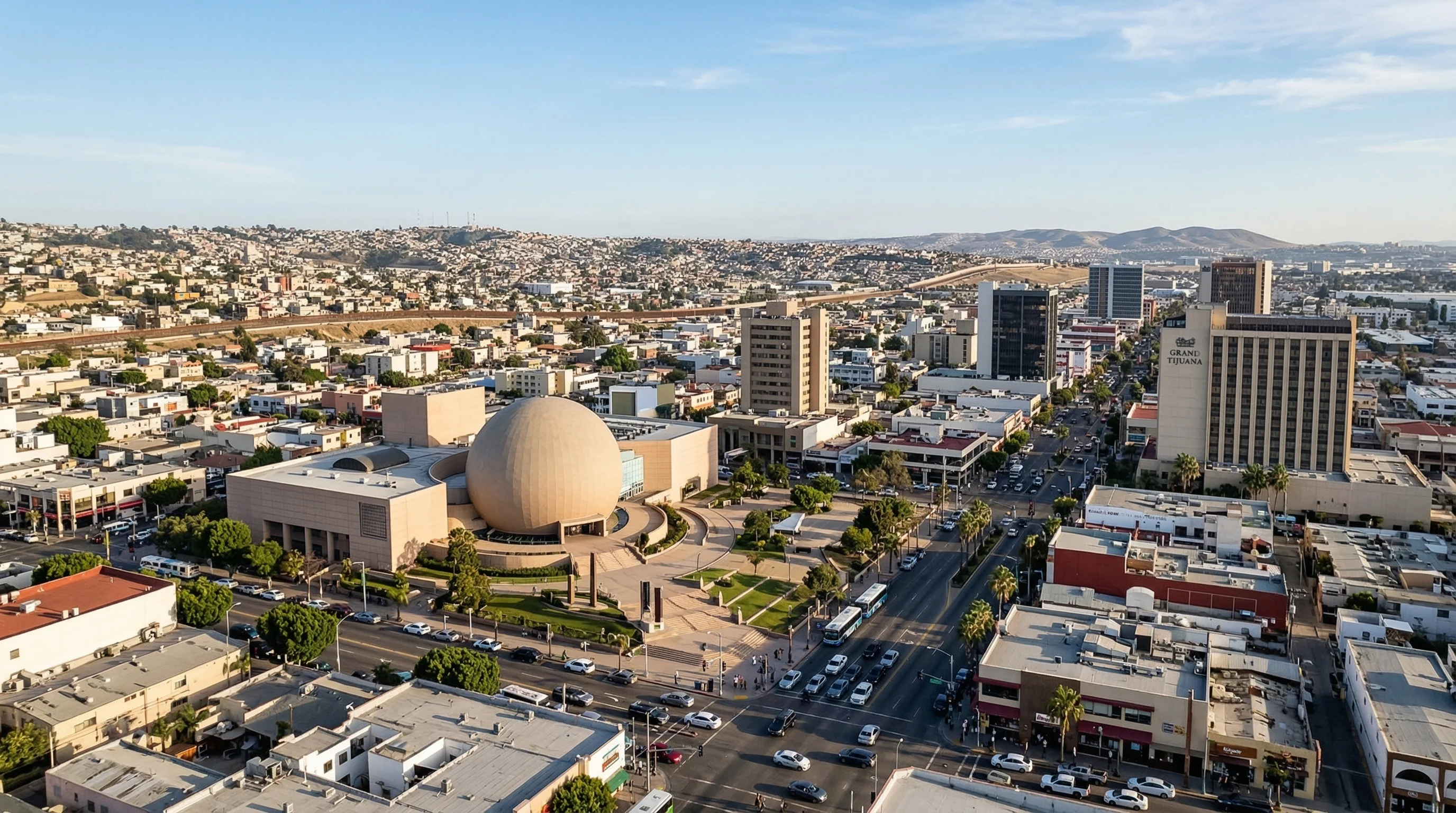
Tijuana, located in Baja California, México, serves as a strategic gateway for North American trade, positioned directly across the US-Mexico border from San Diego, California. As Mexico's most visited border city and a major manufacturing center, Tijuana offers exceptional logistics advantages including proximity to major US markets, access to a skilled workforce, and modern transportation infrastructure. The city's industrial parks and maquiladora facilities specialize in electronics, medical devices, aerospace components, and automotive parts, making it a critical node in global supply chains. Tijuana's transportation infrastructure includes multiple border crossings, including the Otay Mesa commercial port, which is equipped with advanced customs processing capabilities and dedicated freight lanes. The city's connectivity to Mexico's highway network and its proximity to major US interstate highways make it an ideal origin point for cross-border freight movements.
 Destination
Olympia
Olympia, the capital city of Washington State, is strategically located in the Puget Sound region, providing excellent access to major West Coast markets and international trade routes. While Olympia itself is a government and service center, it sits within the broader Seattle-Tacoma metropolitan area, which is a powerhouse of aerospace, technology, and agricultural industries. The region is home to major companies like Boeing, Microsoft, and Amazon, as well as a thriving agricultural sector producing apples, cherries, and other specialty crops. Olympia's transportation infrastructure includes access to Interstate 5, the main north-south corridor along the West Coast, as well as the Port of Olympia for maritime shipping. The area's proximity to major distribution centers, international airports, and the Port of Seattle makes it an ideal destination for freight from Mexico, supporting the region's diverse manufacturing and agricultural needs.










