Tijuana to Bismarck
Bismarck → TijuanaFTL freight transportation service between Tijuana and Bismarck. Reliable logistics solutions for your business.
Route Description
Everything you need to know about the corridor Tijuana - Bismarck
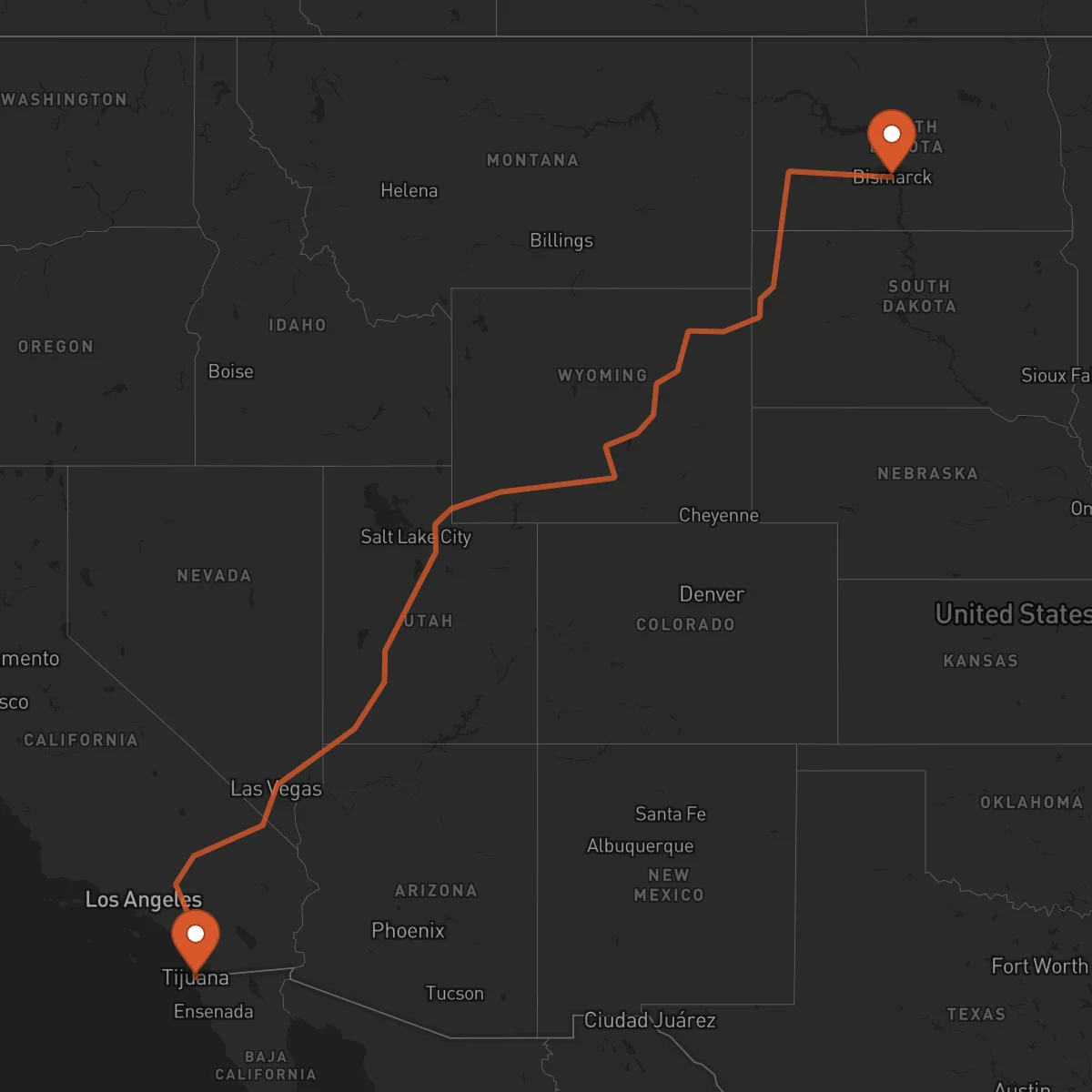
The logistics corridor between Tijuana and Bismarck represents a vital trade link connecting Mexico's Pacific coast with the Upper Midwest United States. This 2,101 km cross-border route facilitates the movement of goods between two economically significant regions, bridging the industrial powerhouse of Baja California with the agricultural and energy sectors of North Dakota. The corridor traverses diverse terrain and crosses multiple states, requiring specialized knowledge of cross-border regulations and efficient coordination between transportation partners.
The route serves as a critical artery for industries seeking to optimize their supply chains between Mexico and the northern United States. Companies operating along this corridor benefit from Tijuana's strategic position as a manufacturing hub and Bismarck's role as a distribution center for the Great Plains region. The journey involves navigating international borders, requiring expertise in customs procedures, documentation, and compliance with both Mexican and U.S. transportation regulations.
Control Terrestre facilitates seamless operations on this corridor through our network of certified transportation providers. Our team manages the complexities of cross-border freight, ensuring that cargo moves efficiently from origin to destination. We coordinate all aspects of the journey, from initial pickup in Tijuana through border crossing procedures to final delivery in Bismarck, providing our clients with reliable full truckload (FTL) transportation solutions that maintain the integrity of their supply chains.
Services for this Route
Available services for the corridor Tijuana - Bismarck
 Origin
Tijuana
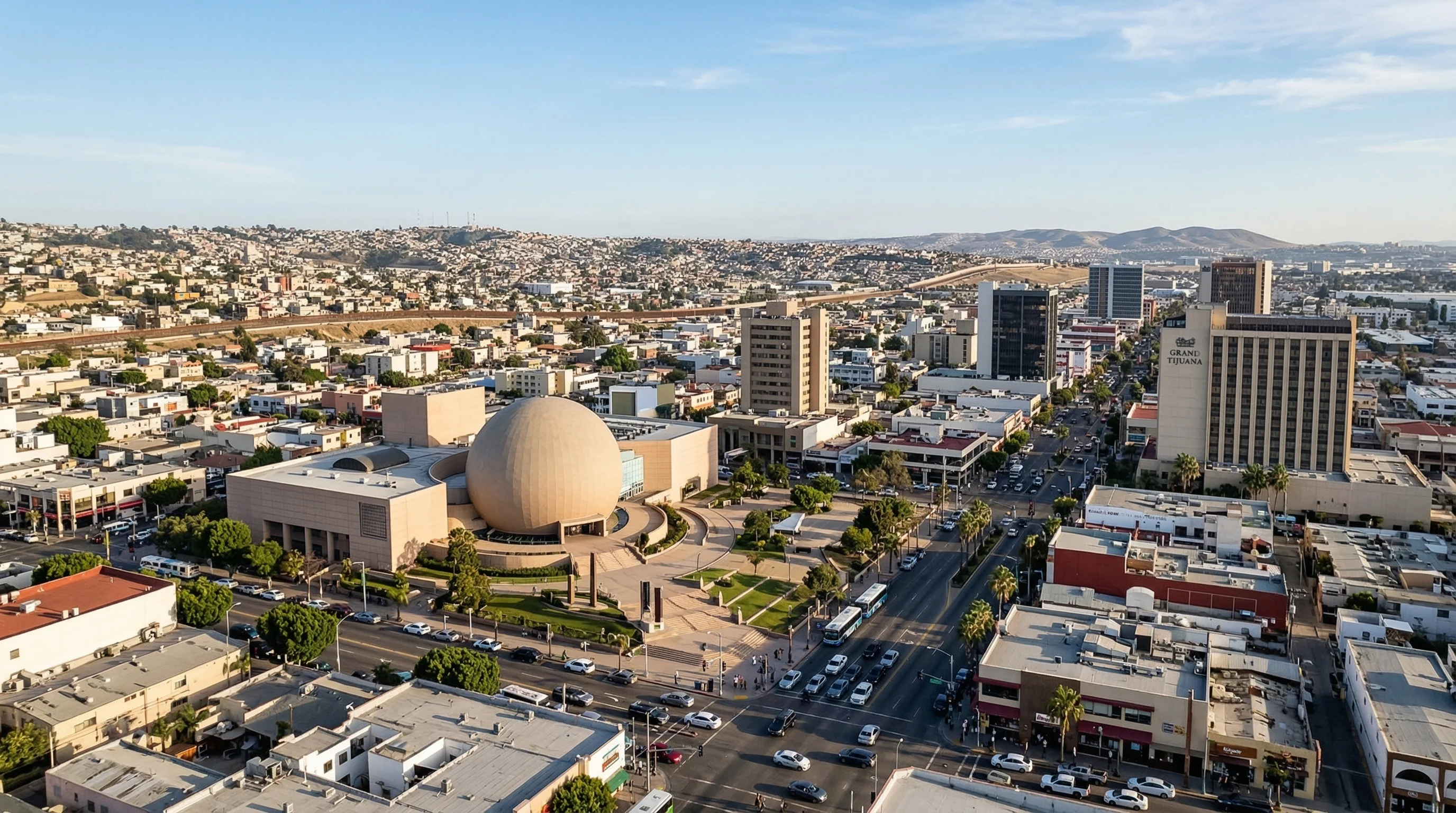
Tijuana stands as one of Mexico's most important industrial and commercial centers, strategically positioned along the U.S.-Mexico border. The city serves as a gateway for international trade, with its location offering direct access to major Pacific ports and proximity to California's vast consumer markets. Tijuana's industrial base includes electronics manufacturing, medical device production, aerospace components, and automotive parts, making it a crucial node in North American supply chains.
The city boasts extensive transportation infrastructure, including the Tijuana International Airport, multiple highway connections to the U.S., and rail links to other Mexican industrial centers. The Otay Mesa border crossing provides efficient access to California's highway network, while the city's manufacturing parks and industrial zones are equipped with modern logistics facilities. Tijuana's economic significance continues to grow as companies seek to optimize their operations through Mexico's competitive manufacturing environment.
 Destination
Bismarck
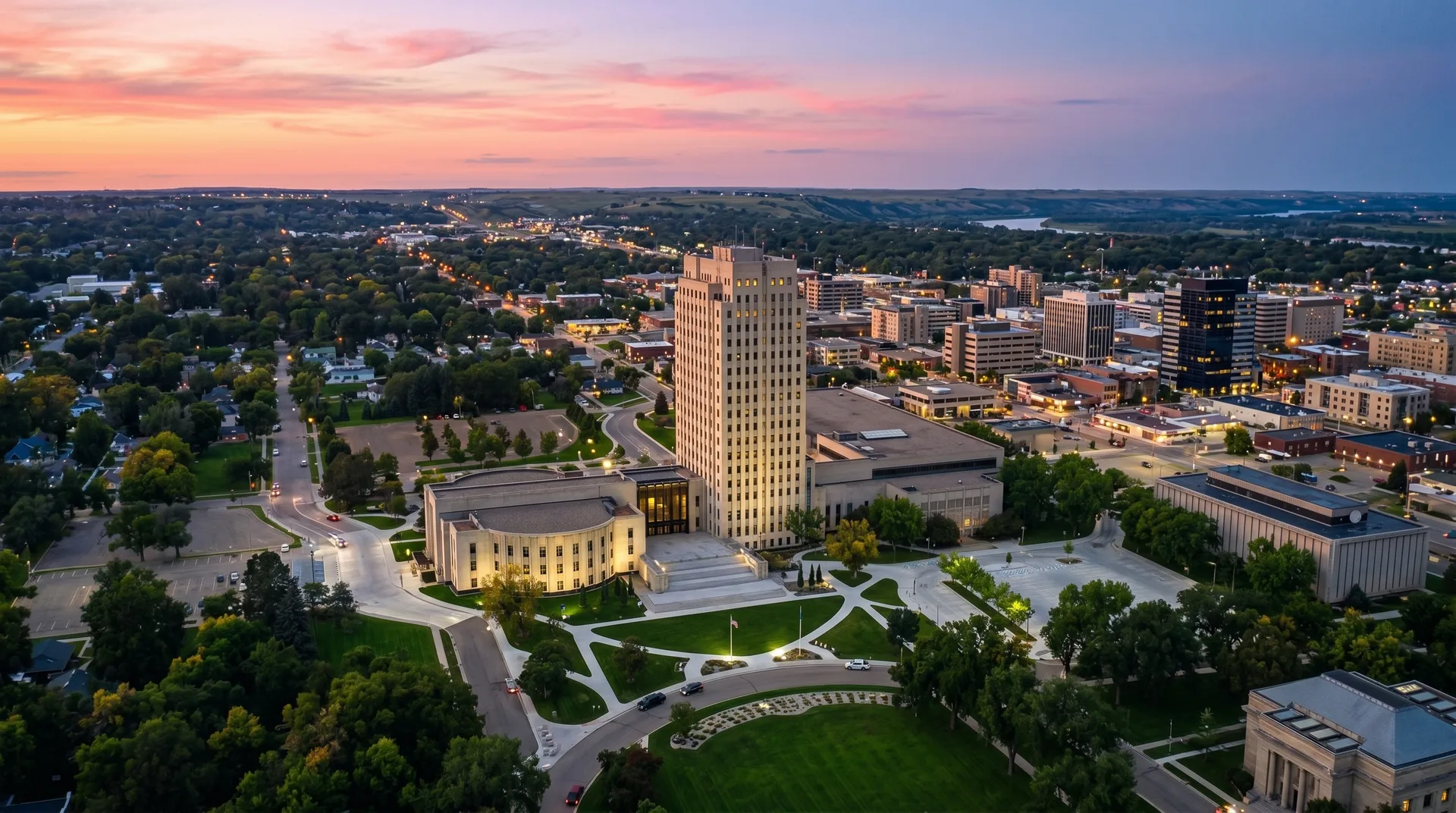
Bismarck, the capital of North Dakota, serves as a strategic logistics hub for the Upper Midwest region. Located along the Missouri River, the city provides access to both rail and highway networks that connect to major markets across the northern United States. Bismarck's central location makes it an ideal distribution point for companies serving the agricultural heartland, energy sector, and manufacturing facilities throughout the Great Plains.
The city benefits from excellent transportation infrastructure, including Interstate 94, which provides east-west connectivity, and multiple rail lines operated by major carriers. Bismarck's proximity to the Bakken oil formation has also established it as a key center for energy-related logistics and equipment distribution. The region's strong agricultural sector, combined with growing technology and healthcare industries, creates diverse opportunities for freight transportation and supply chain optimization.










