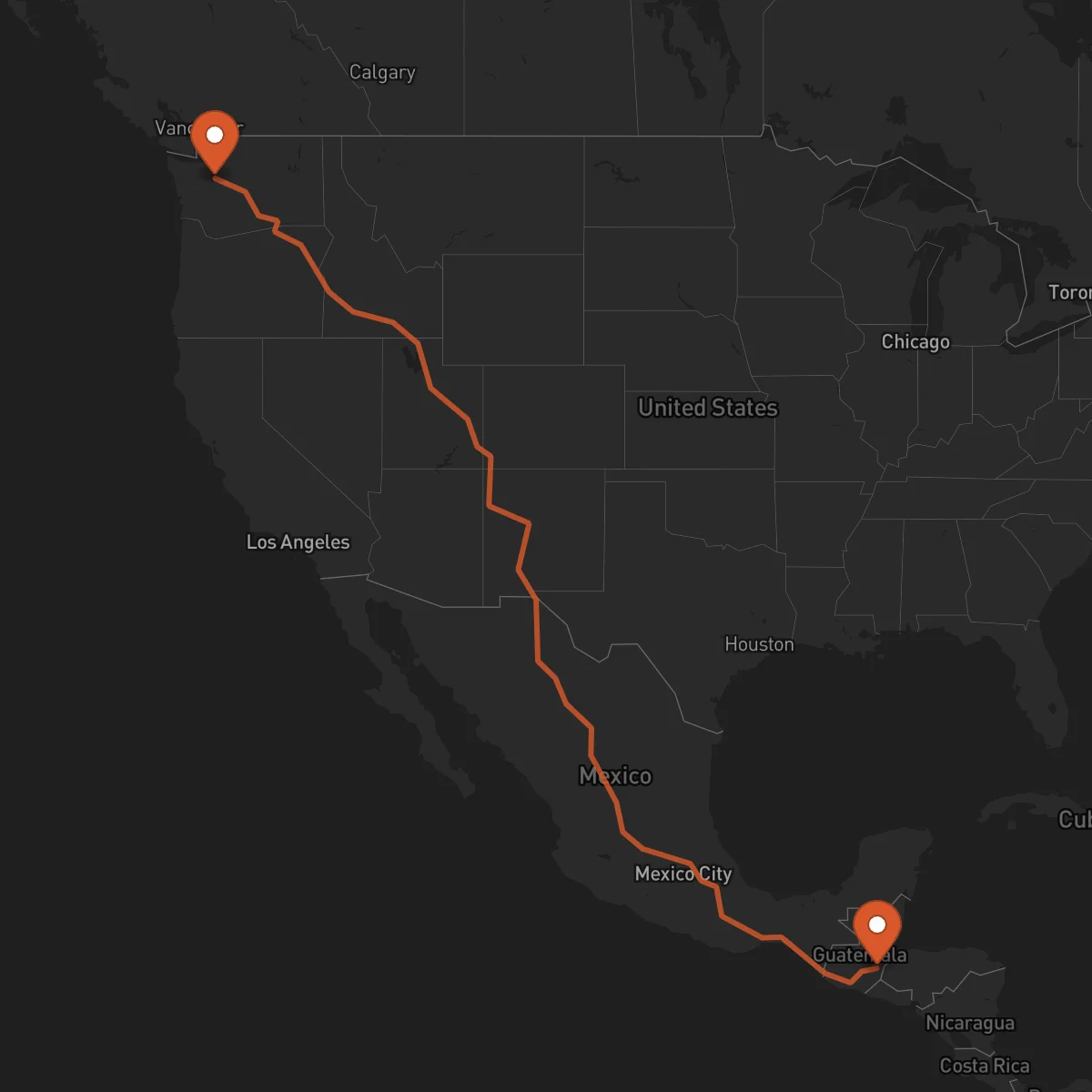
Seattle to Zacapa
Zacapa → SeattleFTL freight transportation service between Seattle and Zacapa. Reliable logistics solutions for your business.
Route Description
Everything you need to know about the corridor Seattle - Zacapa
The logistics corridor connecting Seattle, Washington, to Zacapa, Guatemala, spans approximately 4,717 kilometers and represents a vital cross-border trade route linking the Pacific Northwest of the United States with the eastern highlands of Guatemala. This corridor serves as a strategic gateway for companies seeking to move full truckload freight between one of North America's most dynamic port regions and a key Central American destination. Its importance continues to grow as trade volumes between the U.S. and Central America expand, driven by nearshoring trends and increasing demand for reliable ground transportation solutions across international borders.
Seattle anchors the northern end of this corridor as a major logistics hub, home to the Port of Seattle and the Port of Tacoma, which together form one of the largest container port complexes on the West Coast. The region's economy is driven by technology, aerospace, agriculture, and manufacturing, all of which generate significant outbound freight volumes. On the southern end, Zacapa serves as a strategic distribution point in eastern Guatemala, with an economy rooted in agriculture, mining, and light manufacturing. Industries along this corridor include food and beverage, consumer goods, industrial equipment, and raw materials, all of which rely on consistent and efficient cross-border freight movement.
The primary transportation infrastructure supporting this corridor includes Interstate 5 running south from Seattle through California, connecting to Interstate 8 and Interstate 10, which carry freight through Arizona, New Mexico, and Texas. From there, freight moves south through Mexico via major federal highways toward the Guatemala border. Key border crossings include the Laredo–Nuevo Laredo crossing between Texas and Tamaulipas, as well as the Tecún Umán–Ciudad Hidalgo crossing between Mexico and Guatemala. Each crossing requires careful customs coordination, proper documentation, and compliance with regulations from U.S., Mexican, and Guatemalan authorities, making experienced cross-border logistics expertise essential.
At Control Terrestre, we facilitate seamless operations along this corridor through our alliance of experienced and strategic transportation providers. We specialize exclusively in full truckload (FTL) services, offering dedicated equipment including 48' and 53' dry vans, refrigerated units, flatbeds, and container chassis to meet diverse cargo requirements. Our providers hold key certifications including C-TPAT, FAST, and BASC, ensuring secure and compliant cross-border transit. Whether your freight requires standard dry van transport, temperature-controlled solutions, or specialized handling, we connect your shipments from Seattle to Zacapa with the reliability and professionalism your supply chain demands.
Services for this Route
Available services for the corridor Seattle - Zacapa
 Origin
Seattle
Seattle, Washington, stands as one of the most strategically important logistics hubs on the West Coast of the United States. Located in the Pacific Northwest, the city and its surrounding metropolitan area serve as a primary gateway for trade between North America and international markets. The Port of Seattle, together with the Port of Tacoma, forms the third-largest container port complex in the United States, handling millions of TEUs annually and providing direct access to trans-Pacific shipping lanes.
The region's economy is remarkably diverse, anchored by major industries including technology, aerospace, agriculture, food processing, and advanced manufacturing. Companies such as Boeing, Amazon, Microsoft, and numerous agricultural exporters generate substantial freight volumes that move through the area's extensive transportation network. Interstate 5 serves as the primary north-south freight artery, connecting Seattle to California and the southwestern border crossings. The region also benefits from robust rail connections and intermodal facilities that complement ground transportation operations.
Seattle's infrastructure supports efficient freight movement with well-maintained highways, modern warehousing facilities, and established logistics parks. Its proximity to major border crossings in Texas and Arizona makes it an ideal origin point for cross-border shipments heading to Mexico and Central America. The concentration of freight forwarders, carriers, and customs brokers in the region further enhances its appeal as a logistics origin for companies managing complex international supply chains.
 Destination
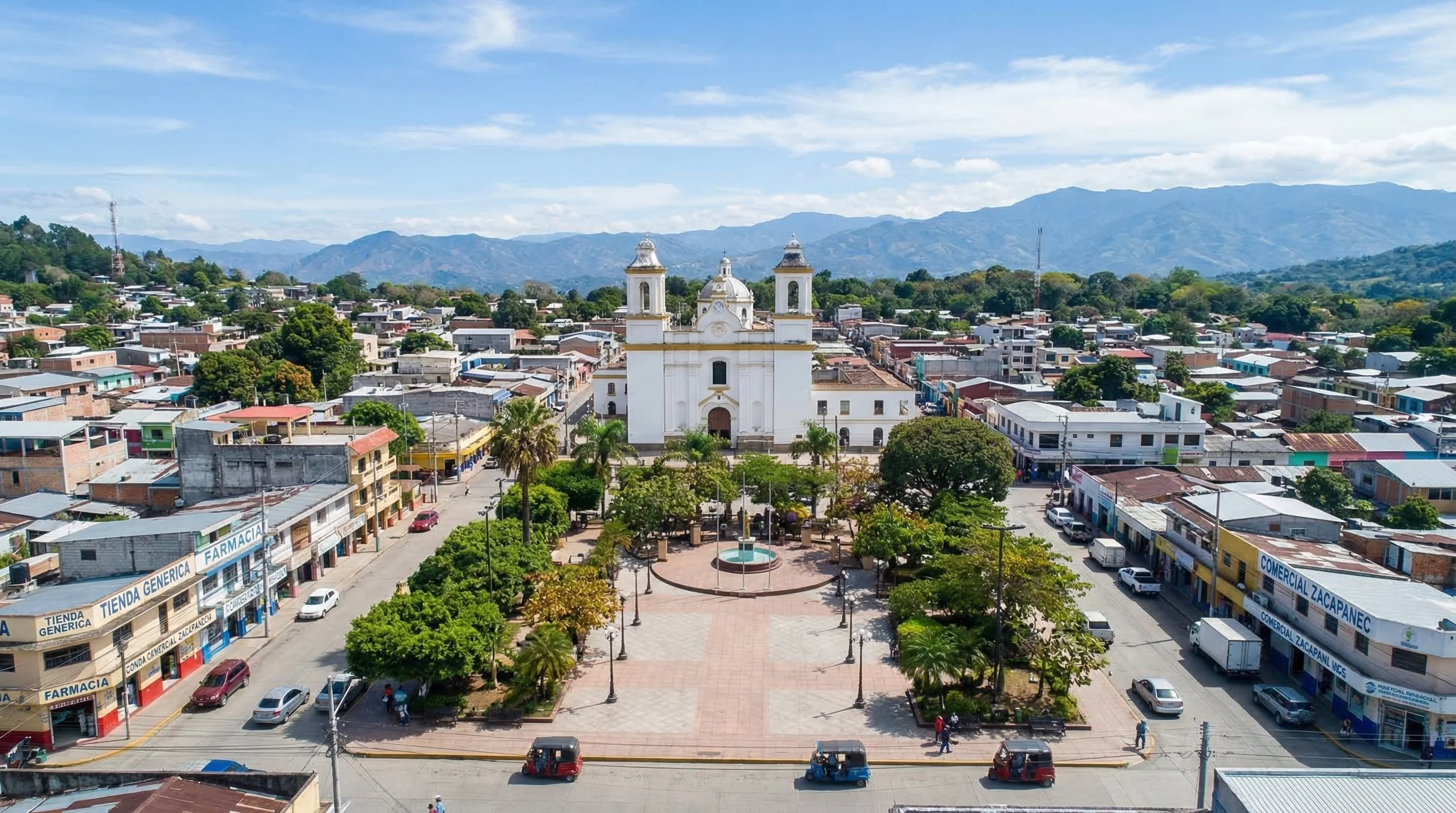
Zacapa is a department located in eastern Guatemala, strategically positioned along key transportation routes that connect the country's interior with border crossings into Honduras and access points from Mexico. The city of Zacapa serves as the departmental capital and functions as an important regional logistics and distribution center for the surrounding area. Its location makes it a natural waypoint for freight moving between the Guatemalan highlands and the eastern lowlands.
The economy of Zacapa is driven primarily by agriculture, with significant production of tobacco, sugarcane, coffee, tomatoes, and other crops that require reliable transportation to domestic and international markets. The region also has a growing presence in mining, light manufacturing, and construction materials. These industries generate consistent demand for inbound freight, including agricultural inputs, machinery, packaging materials, and consumer goods destined for local distribution.
Transportation infrastructure in Zacapa is supported by the CA-9 highway, which connects the region to Puerto Barrios on the Caribbean coast, and the CA-10, which links to Guatemala City and the western highlands. These roadways provide essential connections for freight moving through the department. While the region continues to develop its logistics infrastructure, its strategic position within Guatemala's transportation network makes it a relevant destination for companies distributing goods throughout eastern Guatemala and neighboring Central American markets.










