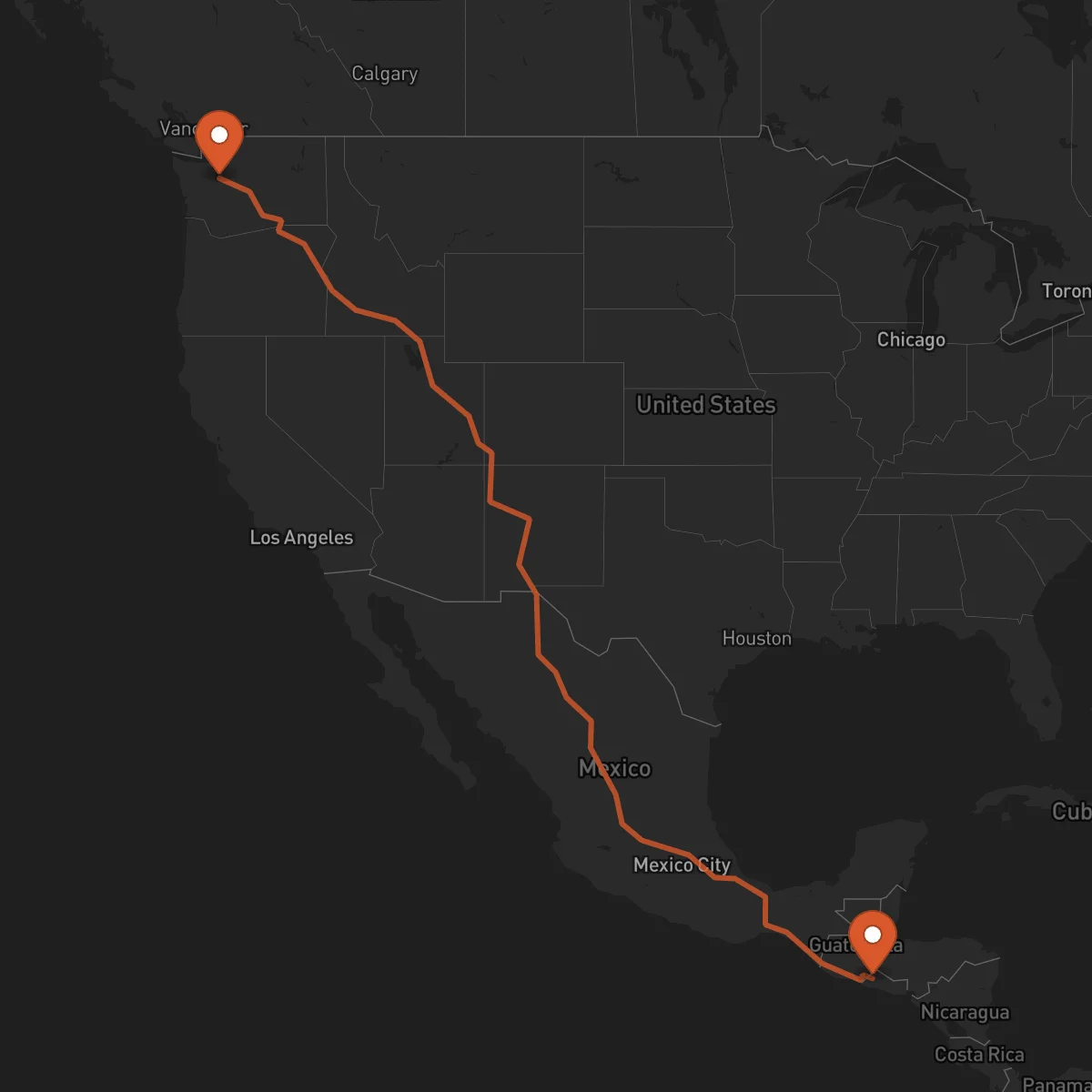
Seattle to Santa Ana
Santa Ana → SeattleFTL freight transportation service between Seattle and Santa Ana. Reliable logistics solutions for your business.
Route Description
Everything you need to know about the corridor Seattle - Santa Ana
The Seattle to Santa Ana corridor is a vital cross-border link connecting the Pacific Northwest of the United States with Central America, spanning approximately 4,808 km. This route is strategically critical for moving goods efficiently between major industrial hubs and emerging markets, facilitating trade across three countries. The economic context is driven by robust manufacturing, agricultural exports from the U.S., and the demand for imported raw materials and consumer goods in El Salvador and the broader region. Key industries leveraging this corridor include technology and aerospace from Washington State, agricultural products (such as apples and seafood), and manufactured goods destined for Central American distribution centers and free trade zones. The primary transportation infrastructure relies on a network of major highways, beginning with Interstate 5 south from Seattle through California, transitioning to Mexican federal highways (like Mexico 15 and 200), and continuing through Guatemala via the CA-1 highway before reaching El Salvador. Critical border crossings include the U.S.-Mexico border (e.g., San Diego/Tijuana or El Paso/Ciudad Juárez, depending on the specific routing) and the Mexico-Guatemala border at Tecún Umán, each presenting unique customs and documentation requirements. At Control Terrestre, we facilitate seamless operations on this complex corridor through our strategic alliance of certified providers. Our partners hold essential credentials including C-TPAT, FAST, and BASC, which streamline customs procedures and enhance security. We coordinate the entire journey, managing cross-border documentation, leveraging our network for reliable transit, and offering specialized equipment—from standard 53' dry vans to temperature-controlled units—ensuring your full truckload (FTL) shipment moves efficiently from origin to destination without the complexities of consolidated freight.
Services for this Route
Available services for the corridor Seattle - Santa Ana
 Origin
Seattle
Seattle, Washington, serves as a premier strategic logistics origin on the U.S. West Coast, anchored by the Port of Seattle—one of the nation's busiest container ports. Its location provides direct access to trans-Pacific trade routes and a deep-water harbor, making it a gateway for Asian imports and a launch point for domestic and international exports. The region's economy is powered by advanced sectors including aerospace (Boeing), technology (Microsoft, Amazon), and a strong agricultural base producing apples, cherries, seafood, and wine. This industrial diversity generates consistent demand for outbound freight. Transportation infrastructure is exceptionally robust, featuring Interstate 5, the primary north-south artery linking Seattle to California and Mexico. The city is also supported by major rail intermodal facilities and Seattle-Tacoma International Airport for air cargo, creating a multimodal ecosystem. For FTL freight, this means efficient highway access to begin the long southbound journey, with capacity for high-value, time-sensitive, or specialized cargo leaving the region daily.
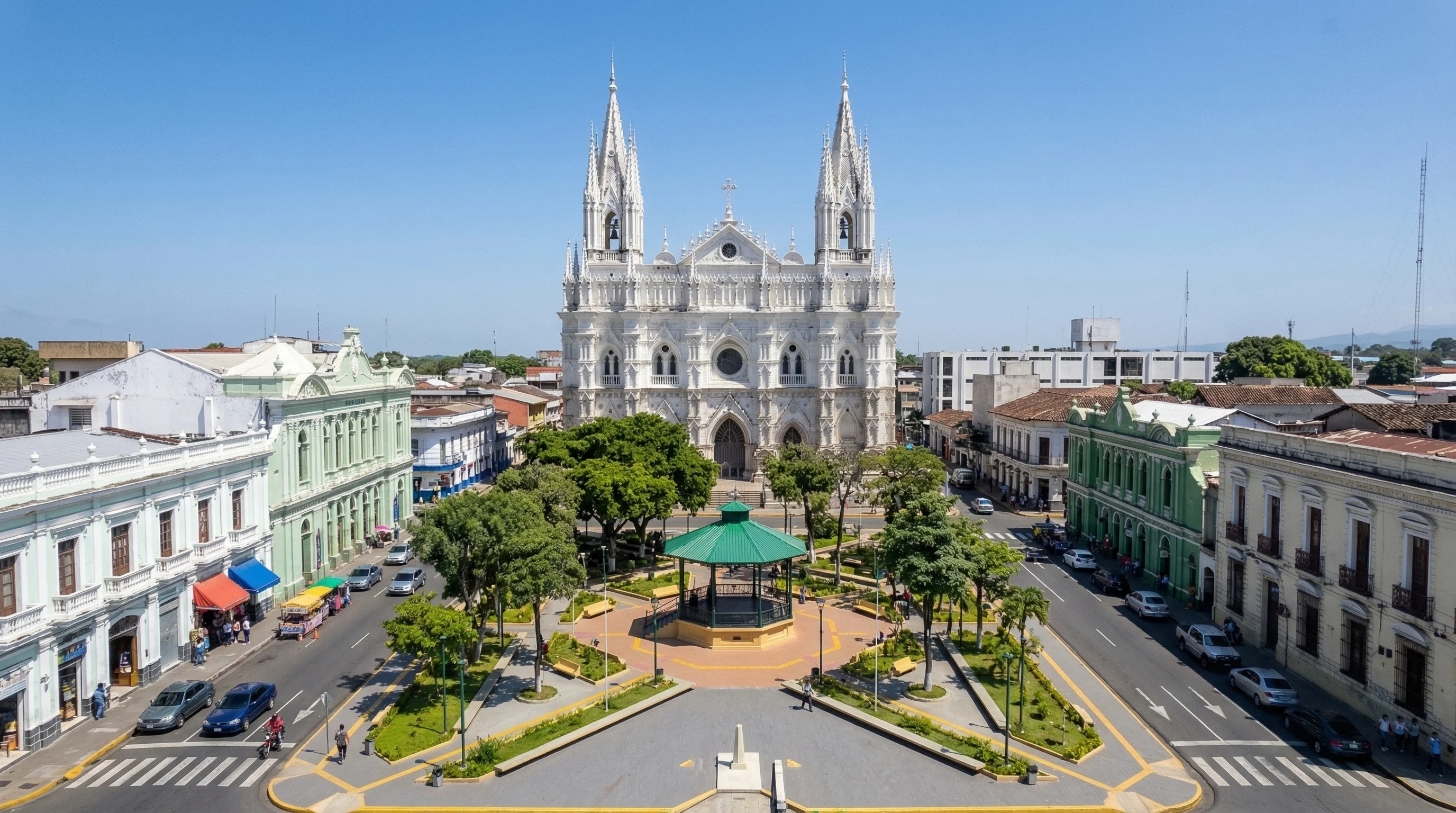 Destination
Santa Ana
Santa Ana, El Salvador, is a key logistical hub in Central America, strategically positioned near the country's primary port of Acajutla and major industrial corridors. It serves as a distribution center for the western region of El Salvador and a gateway to the broader Central American market. The local economy is driven by textiles and apparel manufacturing (a major export sector), agriculture (coffee, sugar, and processed foods), and growing light industry. Its location provides connectivity to the Pan-American Highway system (CA-1), enabling overland access to neighboring Guatemala, Honduras, and Nicaragua. The available transportation infrastructure includes well-maintained regional highways that connect to the port for import/export activities and to cross-border routes north. For FTL operations, Santa Ana acts as an effective final-mile destination for U.S.-bound exports from the region and a receiving point for U.S. imports, supported by warehousing and distribution facilities. The corridor's viability hinges on navigating the final stretch into El Salvador, where our cross-border expertise ensures compliant and efficient delivery to Santa Ana's industrial zones.










