Seattle to San Carlos
San Carlos → SeattleFTL freight transportation service between Seattle and San Carlos. Reliable logistics solutions for your business.
Route Description
Everything you need to know about the corridor Seattle - San Carlos
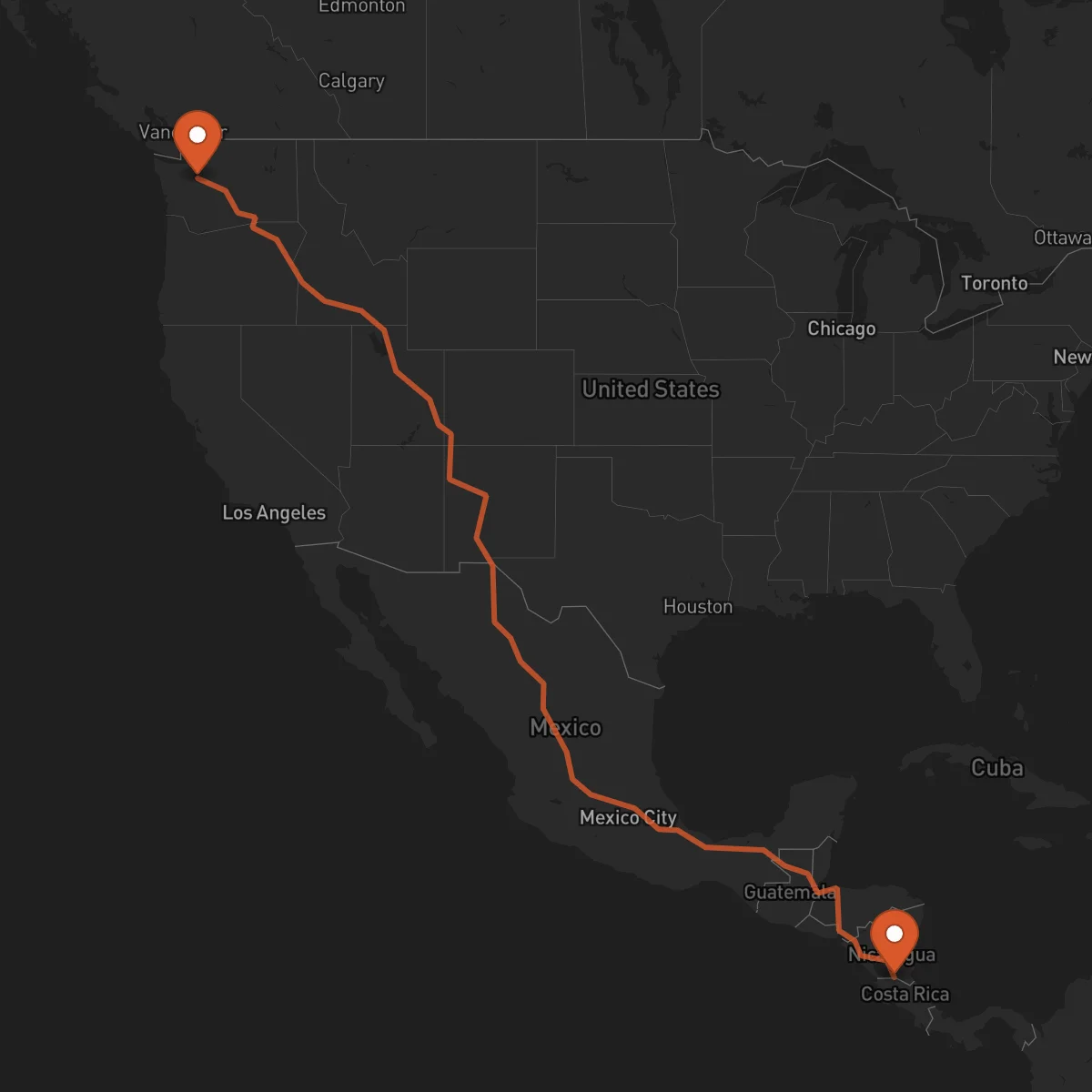
The Seattle to San Carlos corridor represents a vital North America-Central America logistics artery, spanning approximately 5,356 km from the Pacific Northwest of the United States to the heart of Nicaragua. This cross-border route is strategically critical for connecting major industrial and agricultural production zones with key consumption and export markets across three countries. Economically, the corridor links the technology, aerospace, and agricultural manufacturing hub of Washington State with the agricultural and commodity export region centered around the Río San Juan in Nicaragua. Primary industries utilizing this route include agriculture (fresh produce, grains), manufactured goods, industrial equipment, and bulk commodities. The transportation infrastructure is anchored by the I-5 corridor from Seattle south to the Mexican border, transitioning onto Mexico's federal highways, and continuing through Central America via the Pan-American Highway network. Key border crossings, such as those between the U.S. and Mexico (e.g., San Ysidro/El Chaparral) and between Mexico and Guatemala (e.g., Ciudad Hidalgo/Tecún Umán), require meticulous customs coordination. Control Terrestre facilitates seamless operations on this complex corridor through our alliance of certified providers. Their expertise in cross-border regulations, coupled with certifications like C-TPAT and FAST for U.S.-Mexico movements and BASC for Central America, ensures compliance and efficiency. We coordinate full truckload (FTL) movements—including dry van, refrigerated, and specialized equipment—managing the entire door-to-door process, from Seattle's industrial districts to San Carlos's river port, optimizing your supply chain across international boundaries.
Services for this Route
Available services for the corridor Seattle - San Carlos
 Origin
Seattle
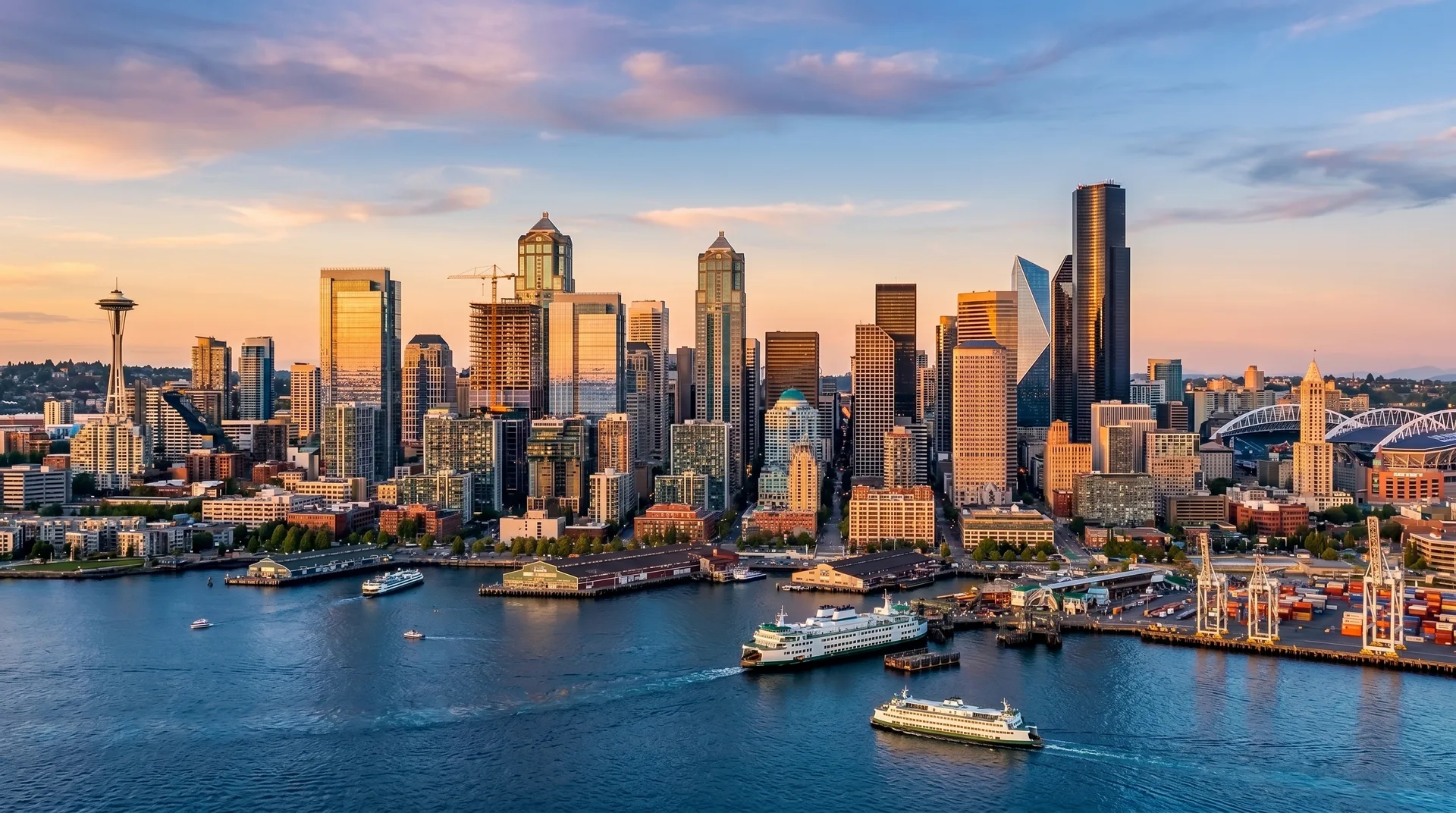
Seattle, Washington, is a premier strategic logistics origin, serving as a primary gateway to Asia and a major domestic distribution hub. Its economy is driven by a powerful mix of technology, aerospace (Boeing), maritime trade, and advanced manufacturing. The Port of Seattle is one of the busiest container ports in the U.S., providing extensive ocean freight connectivity. For land transportation, Seattle is the southern terminus of the I-5 corridor, the primary north-south interstate on the West Coast, offering direct, high-capacity road access south through Washington, Oregon, and California to the Mexican border. The region is also supported by significant rail intermodal facilities. This robust infrastructure allows for efficient consolidation of full truckload (FTL) freight from the city's industrial parks, manufacturing centers, and agricultural valleys of Eastern Washington, destined for national and international markets.
 Destination
San Carlos
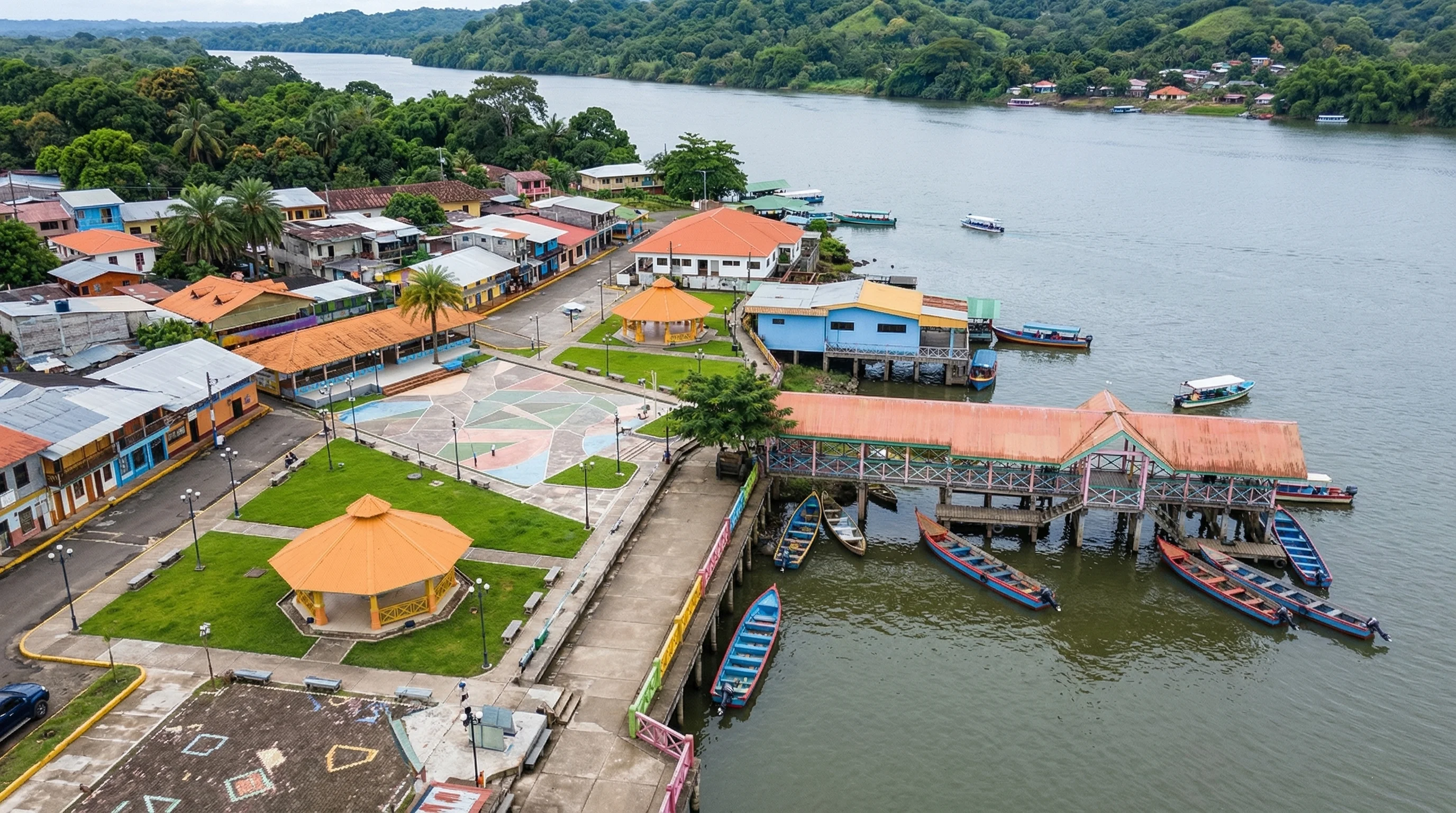
San Carlos, located in the Río San Juan department of Nicaragua, is a strategically important logistics destination for Central America. It serves as a key access point to Nicaragua's southern agricultural region and the broader Río San Juan basin, an area known for cattle, agricultural products (like bananas, pineapple, and grains), and timber. The city's location on the San Juan River provides a natural waterway connection to the Caribbean Sea, complementing its land-based logistics. The primary overland infrastructure is the Pan-American Highway (Nicaragua's RN-25 and RN-4), which connects San Carlos north to Managua and the rest of Nicaragua, and south towards the Costa Rican border. This highway network is essential for moving full truckload (FTL) cargo from the port and river facilities to final destinations across Nicaragua and into neighboring countries. The corridor's efficiency depends on well-coordinated cross-border trucking to navigate the final leg from the Costa Rican border to this inland destination.










