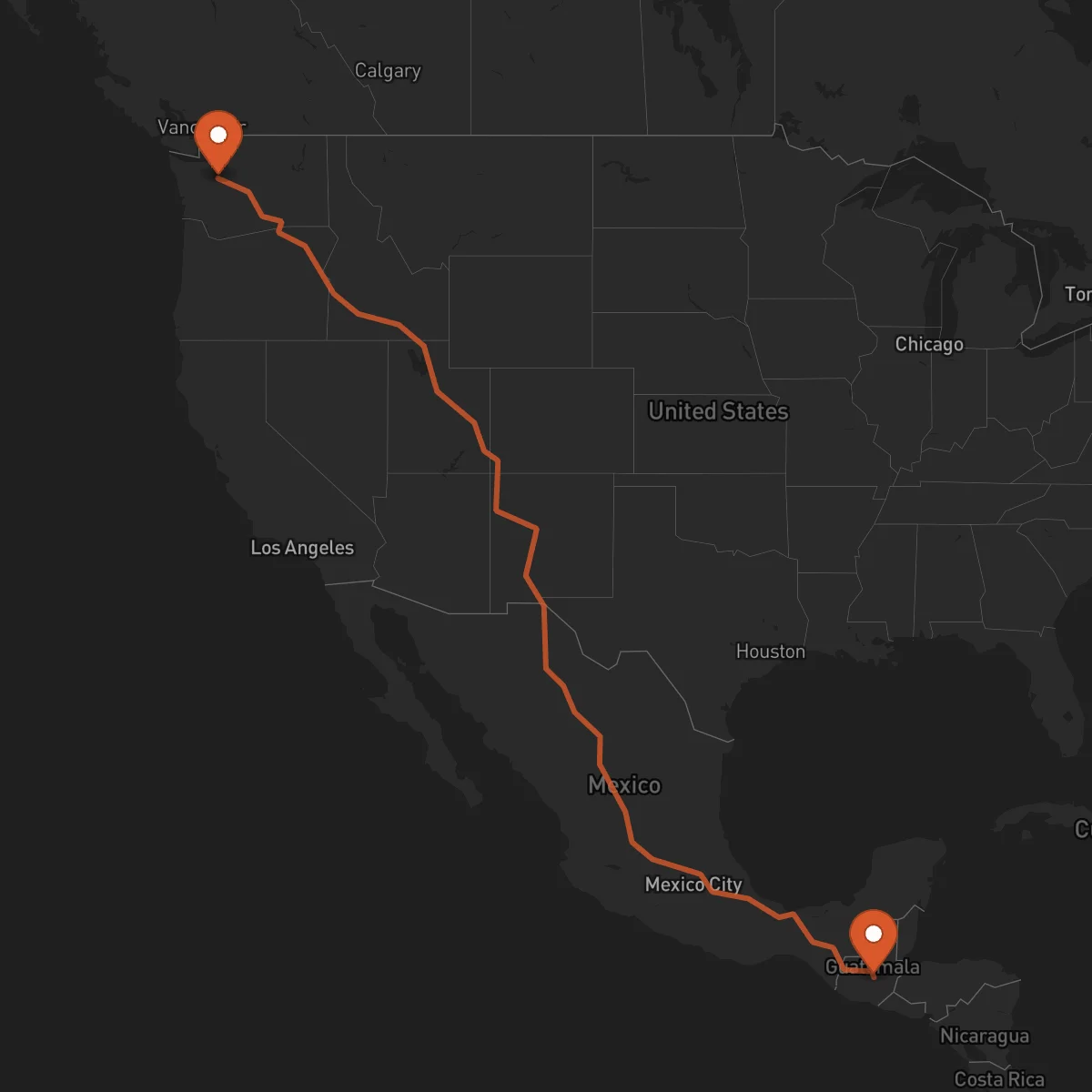
Seattle to Salamá
Salamá → SeattleFTL freight transportation service between Seattle and Salamá. Reliable logistics solutions for your business.
Route Description
Everything you need to know about the corridor Seattle - Salamá
The cross-border corridor connecting Seattle, Washington, to Salamá, Baja Verapaz, Guatemala, spans approximately 4,658 kilometers and represents a vital logistics route linking the Pacific Northwest of the United States to the heart of Central America. This corridor serves as a critical supply chain artery for companies requiring reliable full truckload freight transportation across North and Central America. The strategic importance of this route lies in its ability to connect the robust industrial and technological output of the U.S. Pacific Northwest with the growing economic activity in Guatemala's central highlands, enabling seamless movement of goods across multiple international borders.
The economic and industrial context of this corridor is diverse and dynamic. Seattle and the broader Puget Sound region are home to major sectors including aerospace, technology, agriculture exports, forestry products, and advanced manufacturing. As cargo moves southward through Mexico, it traverses key industrial corridors in states such as Sinaloa, Jalisco, and the Bajío region, each contributing significant manufacturing, automotive, and agricultural output. Upon reaching Guatemala, the corridor connects to Salamá, a strategic node in the Baja Verapaz department, which serves as a distribution hub for agricultural goods, consumer products, and industrial supplies destined for Guatemala's central and northern regions. The main industries utilizing this corridor include food and beverage, automotive parts, electronics, textiles, and construction materials.
Transportation infrastructure along this corridor is well-developed, with Interstate 5 serving as the primary highway departing from Seattle, connecting to key Mexican federal highways such as Highway 15 and Highway 95, which facilitate transit through western Mexico before entering Guatemala via established border crossings. The primary border crossing points include the Mariposa Port of Entry at Nogales, Arizona, and the Laredo crossing in Texas, depending on the routing selected. Each crossing involves specific customs considerations, including compliance with C-TPAT and FAST certifications, proper documentation for Mexican and Guatemalan import regulations, and adherence to hazardous materials protocols where applicable. Control Terrestre maintains strong partnerships with carriers certified under C-TPAT, FAST, BASC, Clean Transportation, and Responsible Care standards, ensuring smooth customs clearance at every checkpoint along the route.
Control Terrestre facilitates operations on this corridor through our network of experienced and strategic transportation providers, offering dedicated full truckload services tailored to the unique demands of cross-border freight. Our team manages end-to-end coordination from pickup in Seattle to delivery in Salamá, handling all documentation, customs brokerage support, and carrier compliance to ensure your cargo moves efficiently and securely. With access to a diverse fleet including 48' and 53' dry vans, refrigerated units, and specialized equipment, we adapt to your specific cargo requirements while maintaining the highest safety and environmental standards throughout the entire corridor.
Services for this Route
Available services for the corridor Seattle - Salamá
 Origin
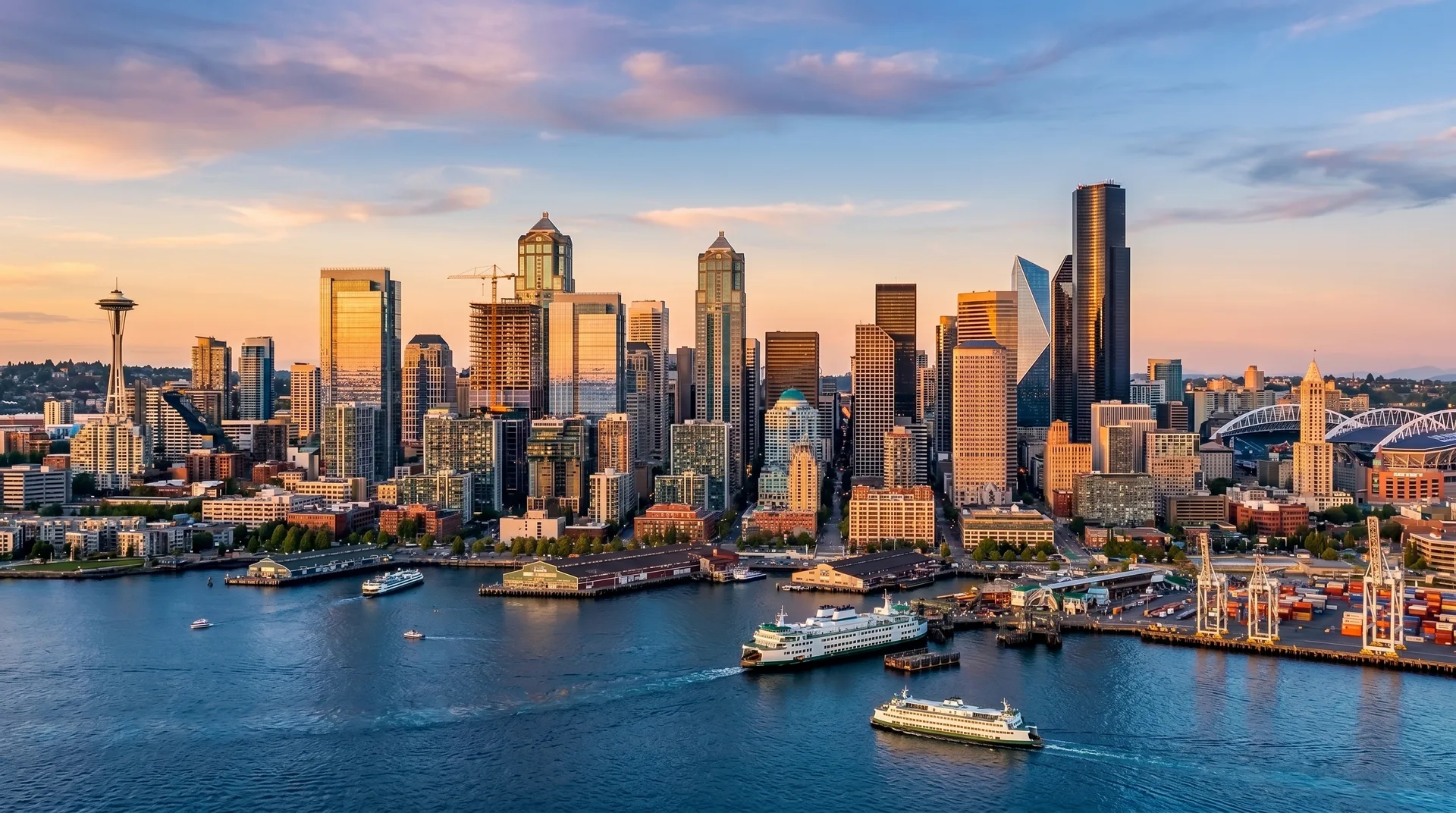
Seattle
Seattle, Washington, stands as one of the most strategically important logistics hubs on the West Coast of the United States. Located on the shores of Puget Sound, the city benefits from direct access to the Port of Seattle and the Port of Tacoma, two of the busiest container ports in North America. The region's economy is driven by globally recognized industries including aerospace, led by major manufacturers, a thriving technology sector, agricultural exports from the fertile regions of Washington State, and a robust forestry and wood products industry. Seattle's transportation infrastructure is exceptionally well-developed, anchored by Interstate 5, which provides a direct north-south corridor along the Pacific Coast, complemented by Interstate 90 for eastbound connections and an extensive rail network operated by major Class I railroads. The city's proximity to Canadian border crossings and its integration into the North American Free Trade Corridor make it an ideal origin point for full truckload shipments destined for Central America.
 Destination
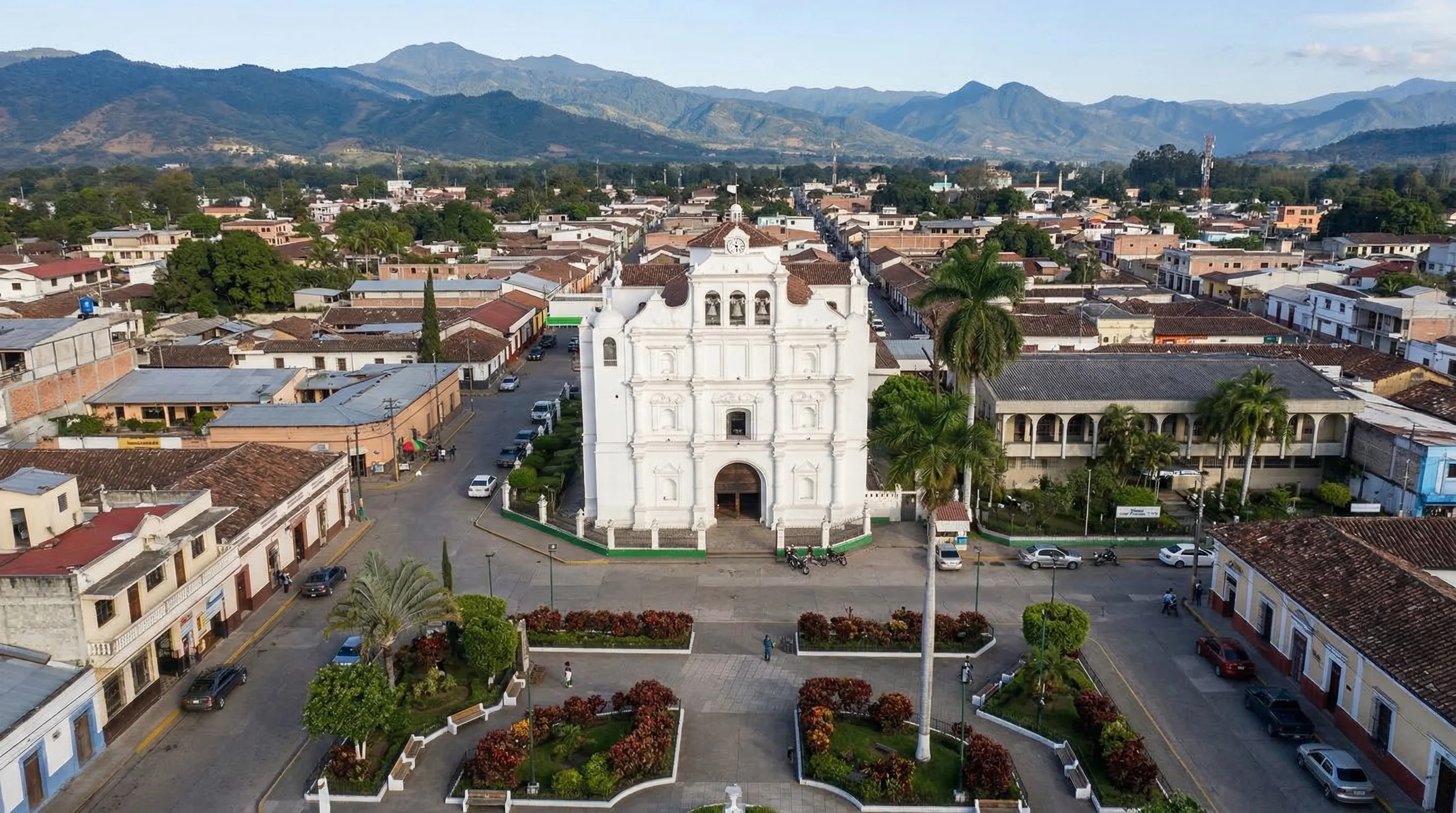
Salamá
Salamá, the capital of the Baja Verapaz department in Guatemala, occupies a strategic position in the country's central highlands, serving as a key distribution and logistics node for the surrounding region. Located at an elevation that supports a favorable climate, Salamá's economy is anchored by agricultural production, including coffee, vegetables, and livestock, alongside a growing presence in light manufacturing, construction materials, and consumer goods distribution. The city functions as a gateway for freight moving from Guatemala City toward the northern highlands and border regions, making it an important destination for companies seeking to reach markets beyond the capital. Salamá's transportation infrastructure connects to Guatemala's primary highway network, with access to CA-1 (the Pan-American Highway) and regional roads that link to border crossings into Mexico. Control Terrestre leverages this connectivity to deliver full truckload shipments efficiently to businesses operating in and around Salamá.










