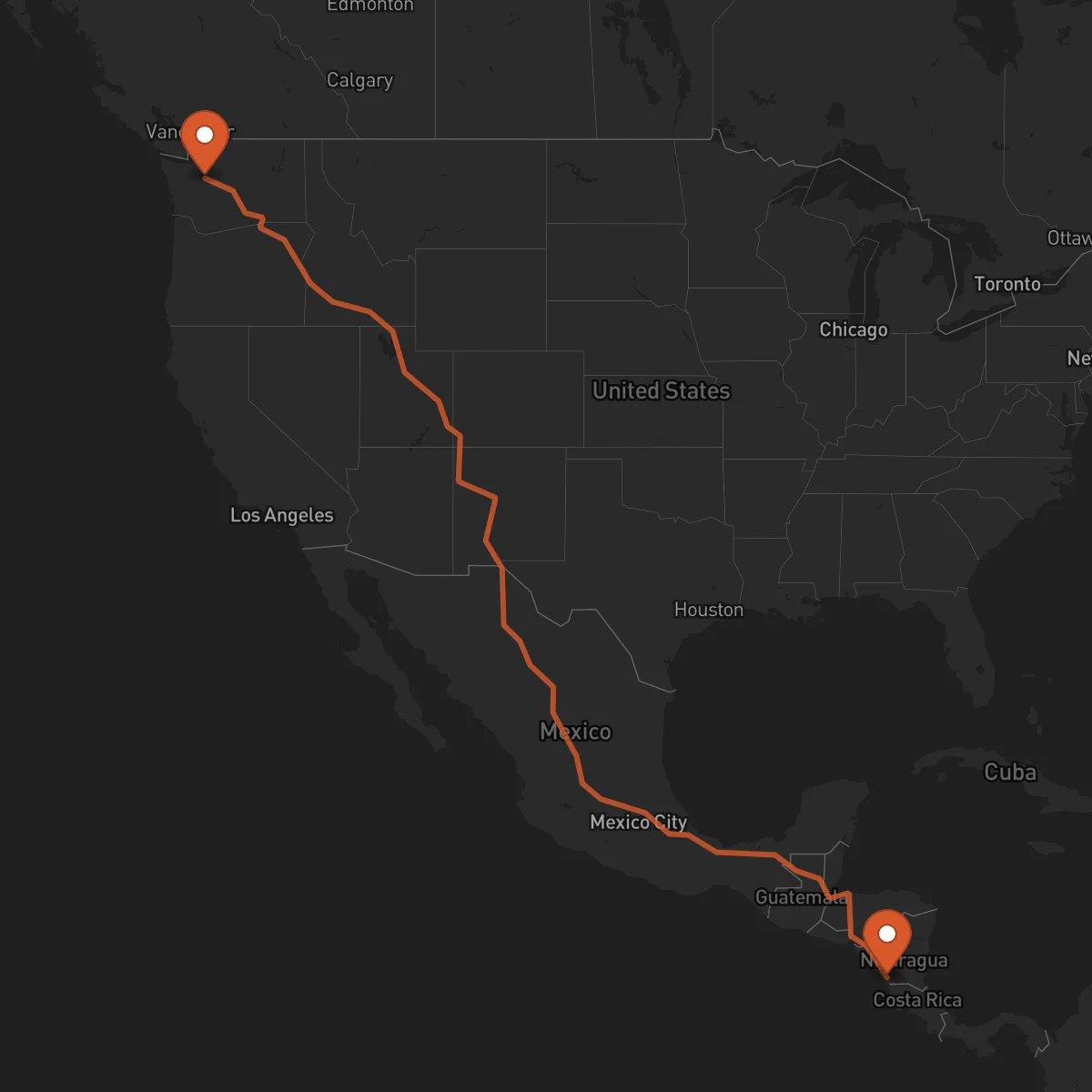
Seattle to Rivas
Rivas → SeattleFTL freight transportation service between Seattle and Rivas. Reliable logistics solutions for your business.
Route Description
Everything you need to know about the corridor Seattle - Rivas
The Seattle, WA to Rivas, Nicaragua corridor is a critical transcontinental artery connecting the high-tech and manufacturing heartland of the Pacific Northwest with the growing consumer and agricultural markets of Central America. This long-haul, cross-border route traverses the United States, Mexico, and Central America, serving as a vital link for supply chains requiring reliable full truckload (FTL) movement. Its strategic importance lies in bridging major production zones with key distribution hubs, facilitating trade across three nations and diverse regulatory environments.
Economically, the corridor taps into dynamic regions. Seattle is a global hub for technology, aerospace, and maritime trade, exporting high-value goods and importing raw materials. Rivas, Nicaragua, serves as a logistical gateway to Central America, supporting the region's agricultural exports (coffee, bananas, sugar) and distributing manufactured goods and consumer products. Primary industries leveraging this route include technology hardware, agricultural machinery, processed foods, textiles, and construction materials. The consistent flow of goods underpins economic activity on both ends.
Transportation infrastructure relies on a sequential network. The journey begins on the robust U.S. Interstate system, primarily I-5 South to CA-99 and CA-58, connecting to major Mexican highways like CA-1 and the Pan-American Highway (CA-1/RN1). Key border crossings, such as El Paso/Ciudad Juárez and potentially others further south, require meticulous customs clearance. Control Terrestre’s alliance of providers is adept at navigating these complex transitions, supported by certifications like C-TPAT and FAST to expedite trusted trader programs and ensure compliance with U.S., Mexican, and Nicaraguan regulations.
We facilitate seamless operations on this challenging corridor by leveraging our provider network’s deep expertise in cross-border logistics. Our partners hold essential certifications (C-TPAT, FAST, BASC) and operate specialized equipment suitable for the varied climates and cargo types, from dry vans and reefers to flatbeds for oversized items. We manage the entire door-to-door process, coordinating drayage, customs brokerage support, and long-haul transport across all three countries, providing our clients with a single, accountable point of contact for their FTL shipments from Seattle to Rivas.
Services for this Route
Available services for the corridor Seattle - Rivas
 Origin
Seattle
Seattle, Washington, is a premier strategic logistics origin, functioning as the primary seaport for the Pacific Northwest and a major tech and aerospace manufacturing center. Its location provides direct access to Asian markets and the interior of North America. The Port of Seattle and Port of Tacoma form a major combined gateway for containerized cargo. Key economic sectors include technology (software, cloud computing), aerospace (Boeing), maritime trade, and agriculture (apples, cherries, wine). Infrastructure is world-class, featuring Interstate 5 (I-5) as the main north-south corridor, extensive rail intermodal facilities, and Seattle-Tacoma International Airport for air freight, making it a multimodal powerhouse for dispatching FTL shipments south.
 Destination
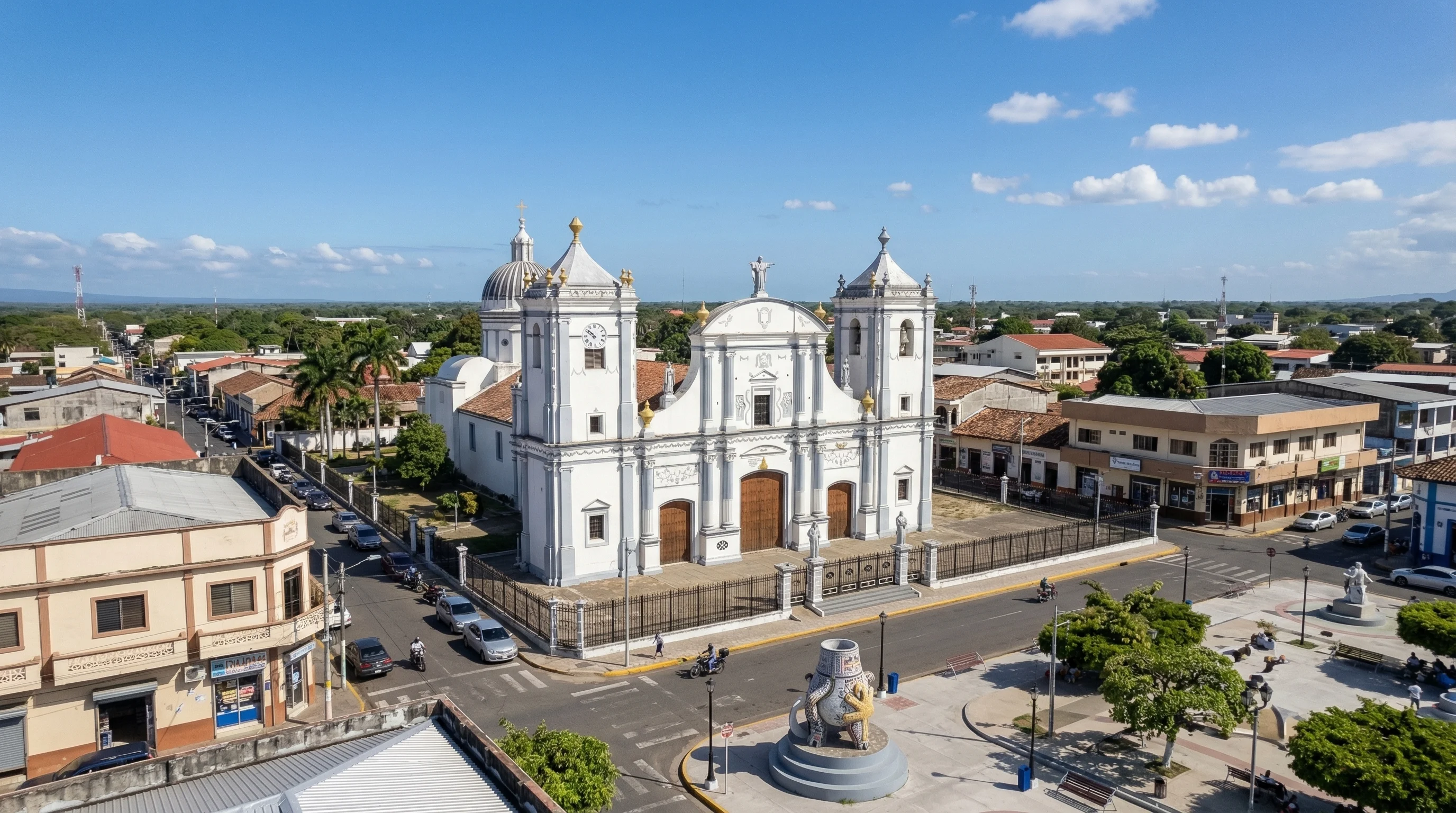
Rivas, Nicaragua, holds a strategic location as a key logistics hub in southern Nicaragua, bordering Costa Rica and providing access to both Pacific and Atlantic ports via connecting highways. It serves as a critical distribution point for the broader Central American region. The local and regional economy is driven by agriculture (coffee, bananas, sugar, cattle), tourism (beaches, Lake Nicaragua), and light manufacturing/textiles. The primary transportation artery is the Pan-American Highway (RN1), which connects Rivas north to Managua and south to Costa Rican borders and ports like Corinto on the Pacific. This infrastructure supports the movement of agricultural exports and imported consumer goods, making it a vital endpoint for cross-border FTL freight.










