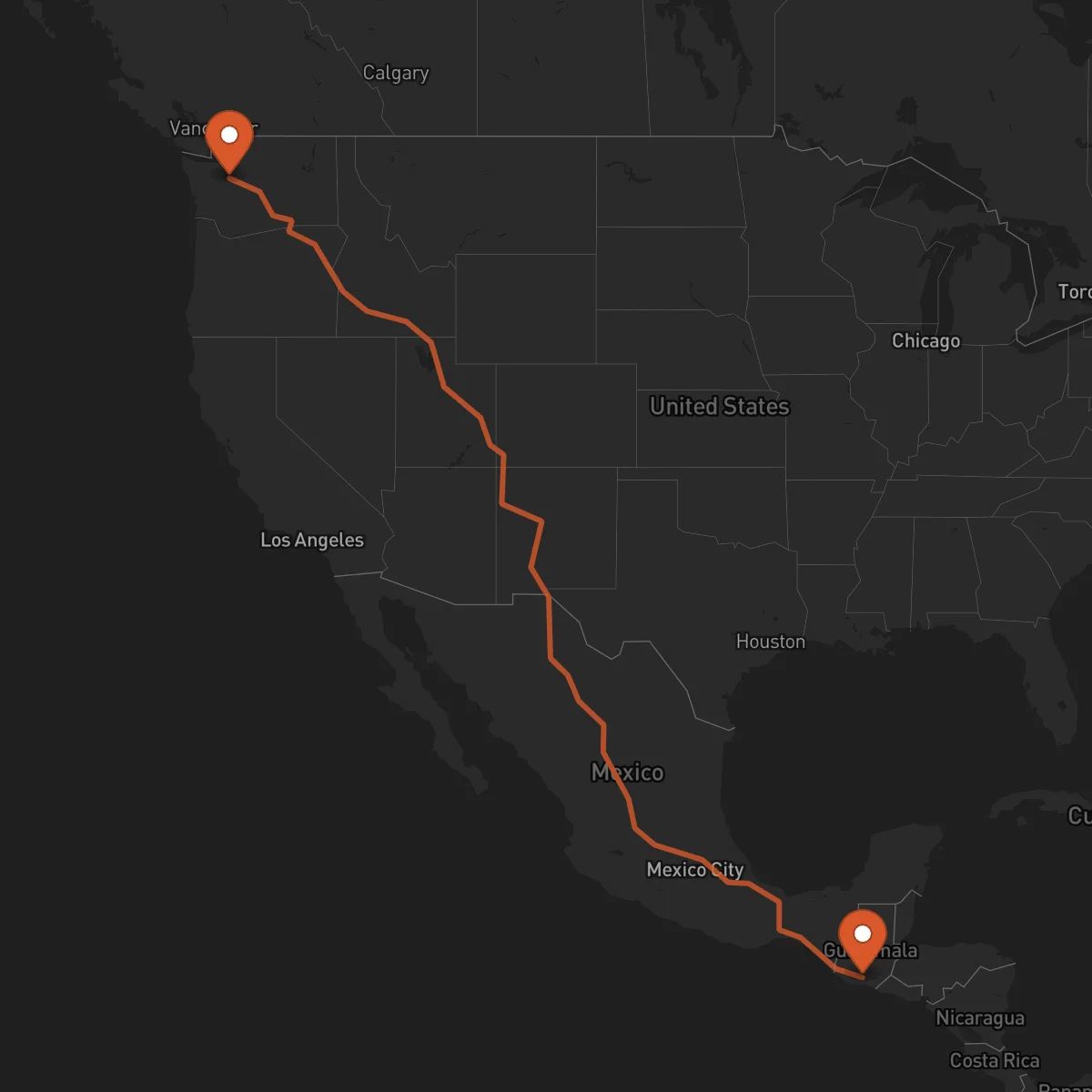
Seattle to Escuintla
Escuintla → SeattleFTL freight transportation service between Seattle and Escuintla. Reliable logistics solutions for your business.
Route Description
Everything you need to know about the corridor Seattle - Escuintla
The Seattle to Escuintla corridor is a critical North American logistics artery, spanning approximately 4,707 km and connecting the Pacific Northwest of the United States with the industrial heart of southern Guatemala. This cross-border route is strategically vital for facilitating trade between major U.S. production and consumption centers and the dynamic markets of Central America. It supports the flow of goods essential for regional economic integration, serving as a bridge for exports heading south and imports moving north. The corridor's efficiency directly impacts supply chain resilience for businesses operating across this vast geographic span.
Economically, the corridor links two robust industrial zones. The Seattle region is a powerhouse for technology, aerospace, agriculture, and maritime trade. Escuintla, Guatemala, serves as a pivotal manufacturing and agricultural processing hub, with significant activity in food and beverage, textiles, and construction materials. Key industries leveraging this route include agriculture (exporting coffee, produce, and importing fertilizers), manufacturing (shipping machinery, consumer goods, and raw materials), and retail distribution. The consistent demand from these sectors underscores the corridor's role in moving full truckloads of diverse cargo.
Transportation infrastructure primarily follows a north-south trajectory. From Seattle, trucks utilize the Interstate 5 corridor south through Washington, Oregon, and California. The route then typically transitions to major highways like I-10 and I-20 through Texas, before crossing into Mexico via the Laredo/ Nuevo Laredo border crossing—a primary gateway for Central American freight. Once in Mexico, the route proceeds south through the country's federal highway network to the border with Guatemala, commonly crossing at Ciudad Hidalgo/ Tecún Umán. From there, Guatemalan highways like the CA-2 and CA-9 facilitate the final leg to Escuintla. Navigating the complex customs and regulatory environments of three countries requires expertise in documentation, compliance, and cross-border procedures.
Control Terrestre expertly facilitates seamless operations on this demanding corridor through our strategic alliance of certified transportation providers. Our network includes partners with essential certifications such as C-TPAT and FAST, which streamline U.S. border processes, and BASC for security standards in Latin America. We exclusively manage Full Truckload (FTL) shipments, ensuring dedicated capacity for your cargo—whether standard dry van, refrigerated, specialized, or oversized. Our services encompass door-to-door management, handling all cross-border documentation and customs coordination. By leveraging our providers' deep regional experience and specialized equipment, we provide a single, human point of contact to optimize your supply chain across this international route, focusing on reliability and transparent communication from origin to destination.
Services for this Route
Available services for the corridor Seattle - Escuintla
 Origin
Seattle
Seattle, Washington, is a premier strategic logistics origin on the U.S. West Coast. Its location provides immediate access to the Port of Seattle, one of the nation's top container ports, enabling efficient global maritime connections. The city is the economic engine for the Pacific Northwest, dominated by advanced technology, aerospace (Boeing), clean energy, and a strong agricultural export sector (including Washington's famous apples, cherries, and hay). This industrial diversity generates consistent, high-value freight requiring reliable long-haul transportation. The region's infrastructure is robust, anchored by Interstate 5—the primary north-south artery on the West Coast—which offers direct highway access south. Furthermore, it is well-served by Class I railroads (BNSF, Union Pacific) and a major international airport, creating a multi-modal logistics ecosystem that feeds seamlessly into long-distance trucking corridors heading toward the southern border and beyond.
 Destination
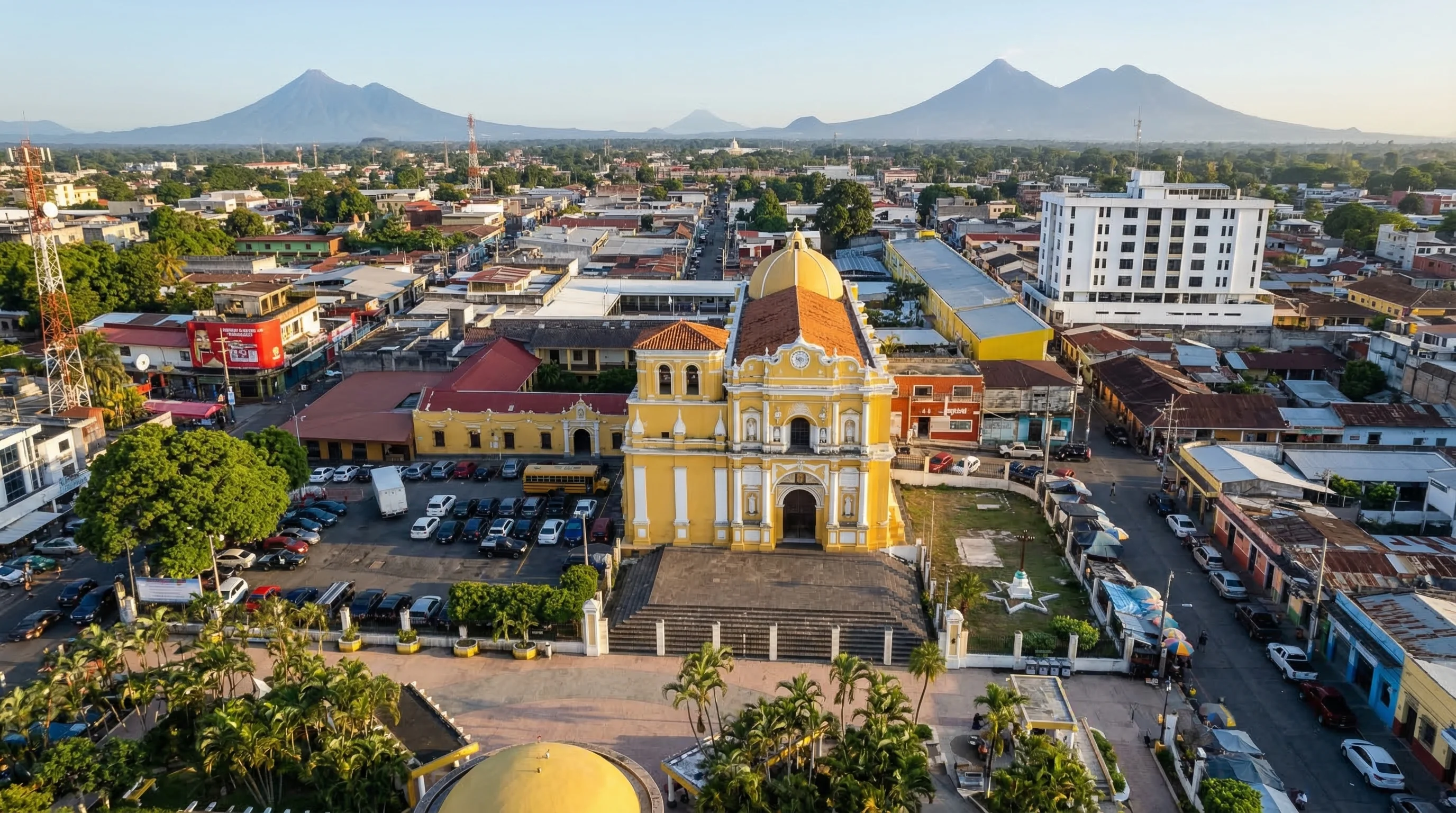
Escuintla, Guatemala, is a linchpin of Central American logistics and industry. Strategically located on the Pacific coast, it sits at the crossroads of major Guatemalan highways, most notably the CA-2 coastal highway and the CA-9 that connects to Guatemala City and the Caribbean coast. Its proximity to the Pacific ports of Puerto Quetzal and San José makes it an ideal distribution hub for imports and exports throughout Guatemala and the wider region. Economically, Escuintla is a powerhouse for manufacturing, particularly food and beverage processing, textiles, and plastic products, supported by abundant agricultural production in the surrounding fertile lowlands (sugarcane, bananas, coffee). The city's industrial parks and commercial activity generate substantial demand for inbound raw materials and outbound finished goods, making it a constant generator of full truckload freight moving north into Mexico and the United States.










