Kansas City to Denver
Denver → Kansas CityFTL freight transportation service between Kansas City and Denver. Reliable logistics solutions for your business.
Route Description
Everything you need to know about the corridor Kansas City - Denver
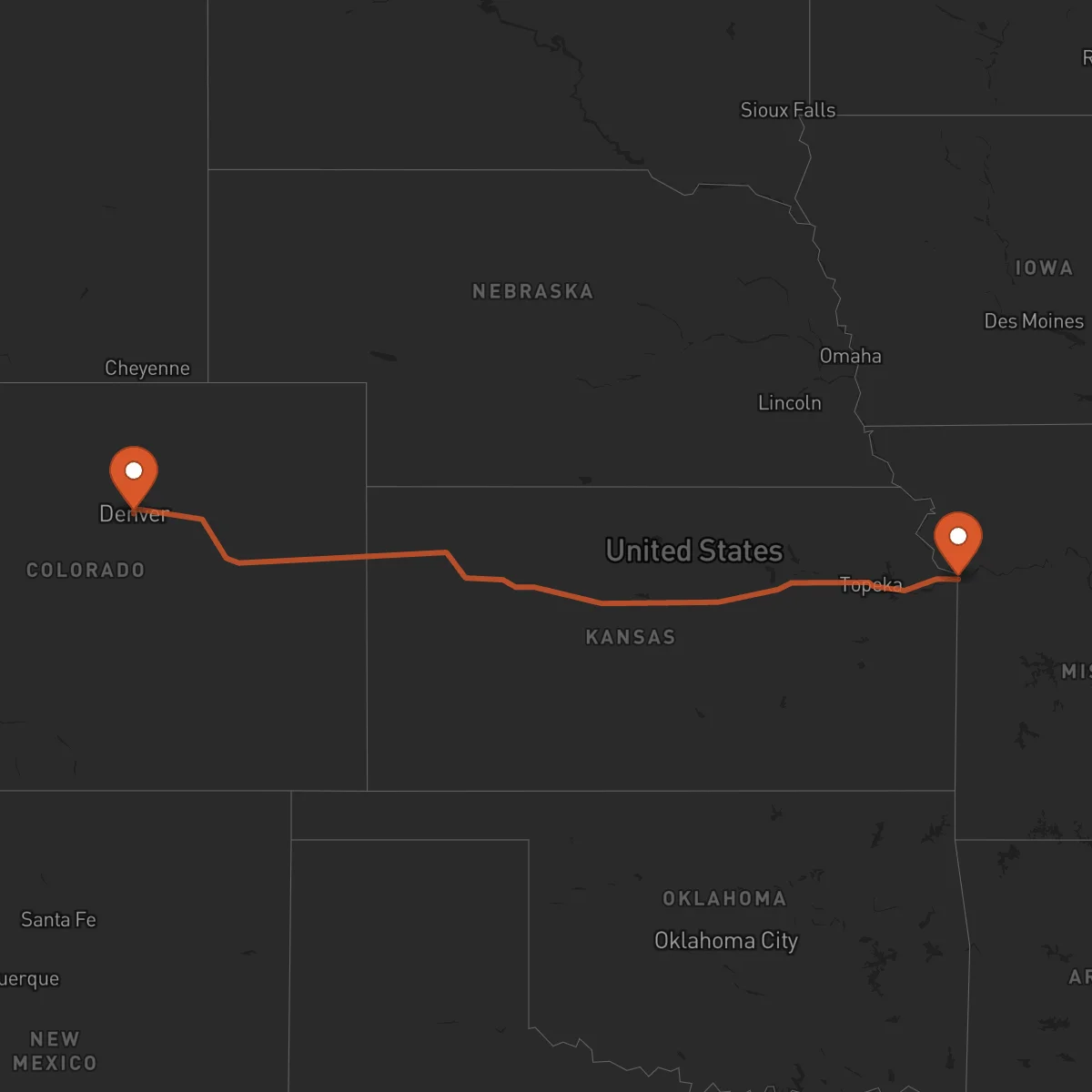
The Kansas City-Denver corridor represents a vital logistics artery connecting the Midwest to the Rocky Mountain region. This 897 km route traverses diverse terrain, from the rolling plains of Missouri and Kansas to the foothills of the Colorado Rockies, serving as a crucial link for freight movement between two major economic centers. The corridor facilitates the flow of goods between Kansas City's central location and Denver's gateway position to the western United States.
The economic significance of this route extends beyond its geographical connection. Kansas City serves as a major transportation and distribution hub, while Denver functions as a key commercial center for the mountain states. Together, they form a complementary economic relationship where manufacturing, agricultural products, and industrial goods flow in both directions. The corridor supports numerous industries including automotive, aerospace, technology, and energy sectors that rely on efficient transportation networks.
Major transportation infrastructure along this route includes Interstate 70, which provides the primary freight corridor between these cities. This highway system offers reliable connectivity and is supported by a network of state highways and rail lines that provide alternative transportation options. The route passes through key waypoints including Topeka, Salina, and Limon, each contributing to the regional logistics ecosystem.
Control Terrestre optimizes freight operations along this corridor through our specialized FTL services. Our strategic partnerships with certified carriers ensure consistent, reliable transportation solutions tailored to your specific cargo requirements. We understand the unique challenges of this route, from weather considerations in the mountain passes to the varying terrain that affects transit times. Our dedicated team provides real-time tracking and proactive communication throughout the journey, ensuring your freight moves efficiently from origin to destination.
Services for this Route
Available services for the corridor Kansas City - Denver
 Origin
Kansas City
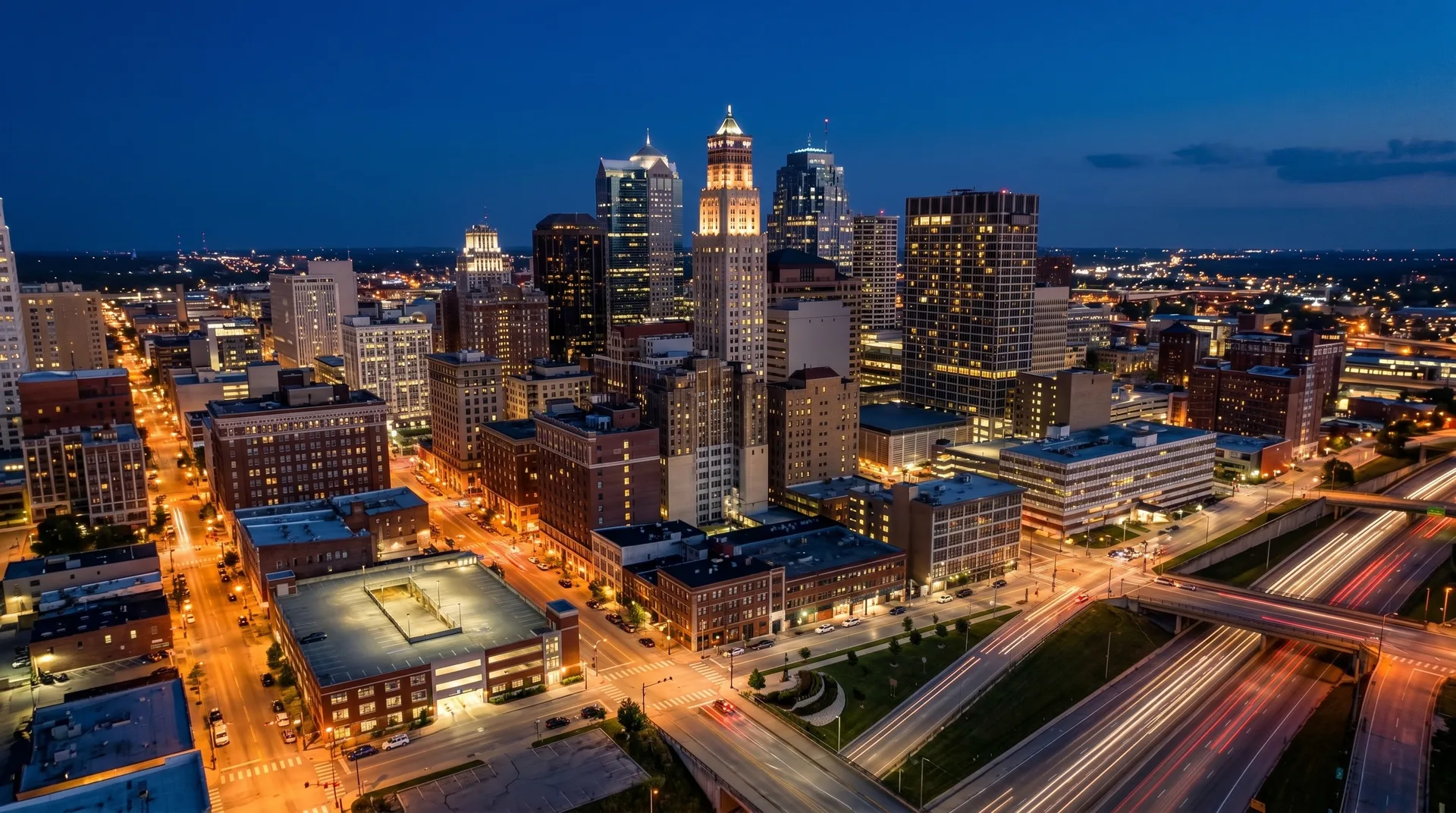
Kansas City stands as a premier logistics hub in the heart of America, strategically positioned at the confluence of major transportation networks. The city's central location provides unparalleled access to 85% of the U'the United States within two days' transit time. Kansas City International Airport and the extensive rail network operated by BNSF and Union Pacific create multimodal transportation options. The city's logistics infrastructure includes over 100 million square feet of warehouse space and the second-largest rail transportation center in the nation.
The economic base of Kansas City spans diverse sectors including advanced manufacturing, life sciences, and technology. Major employers include Garmin, Hallmark, and numerous Fortune 500 companies that rely on efficient freight movement. The region's agricultural heritage continues to influence its economy, with significant grain and livestock production requiring reliable transportation to markets across the country.
 Destination
Denver
Denver serves as the economic and logistical gateway to the Rocky Mountain West, offering unique advantages for freight transportation. The city's elevation at 5,280 feet and location at the base of the Rocky Mountains creates a strategic distribution point for goods moving to and from the western states. Denver International Airport, the largest airport in North America by land area, provides extensive air cargo capabilities. The city's multimodal infrastructure includes direct rail connections and a comprehensive highway network that facilitates efficient freight movement.
The Denver metropolitan area has evolved into a major technology and aerospace hub, with companies like Lockheed Martin and Ball Aerospace driving demand for specialized logistics services. The region's energy sector, including both traditional oil and gas operations as well as renewable energy initiatives, creates consistent freight movement requirements. Additionally, Denver's growing population and robust retail sector generate substantial consumer goods distribution needs, making it a crucial endpoint for supply chain operations.










