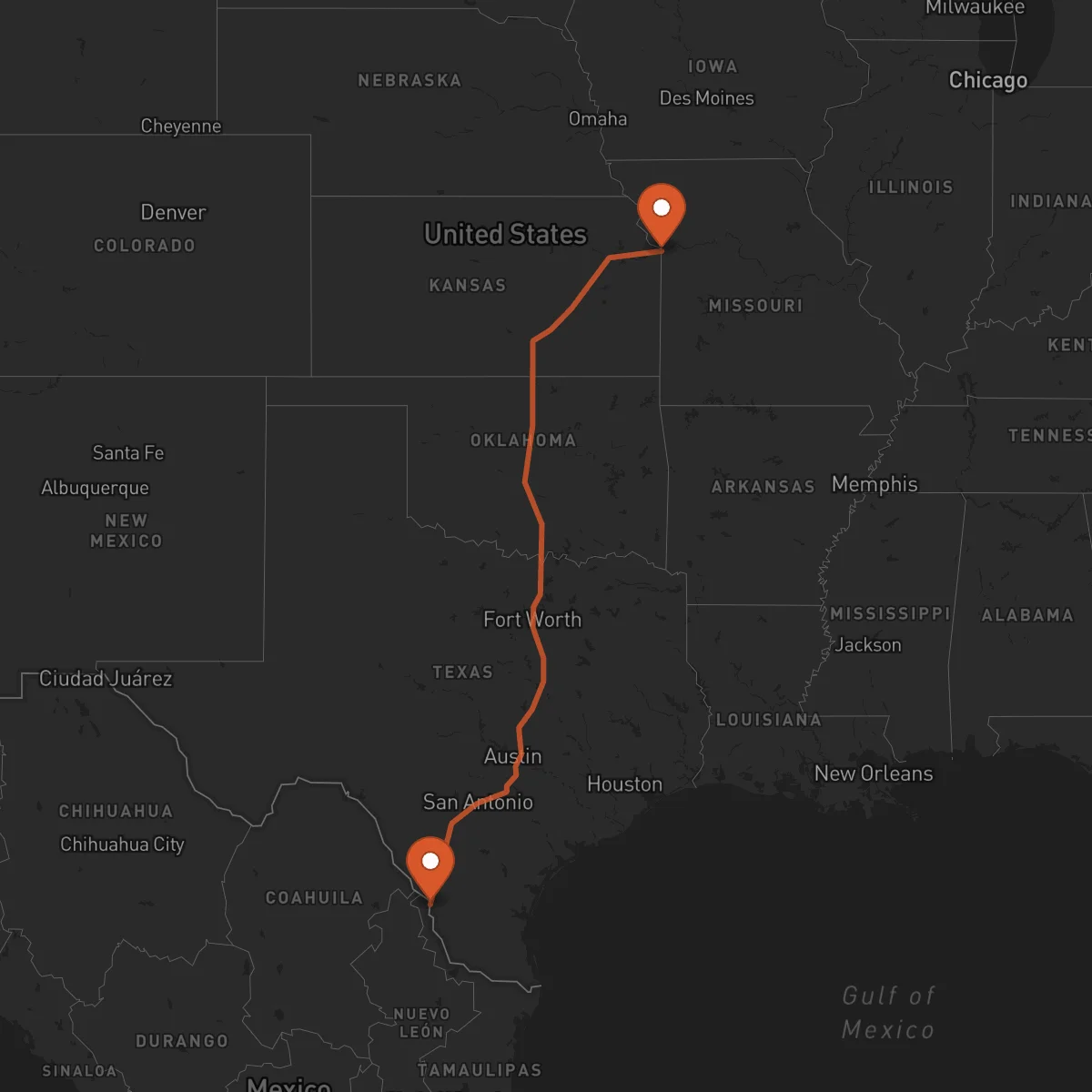
Kansas City to Laredo
Laredo → Kansas CityFTL freight transportation service between Kansas City and Laredo. Reliable logistics solutions for your business.
Route Description
Everything you need to know about the corridor Kansas City - Laredo
The Kansas City to Laredo corridor represents one of the most vital domestic freight routes in the United States, connecting the central Midwest to the southern border. This strategic pathway spans approximately 1,368 kilometers and serves as a crucial link for companies transporting goods between major industrial hubs and international trade gateways. The route traverses diverse terrain and crosses multiple states, making it essential for businesses seeking efficient distribution across the central United States.
The economic significance of this corridor cannot be overstated. Kansas City serves as a major logistics hub with its central location and extensive rail network, while Laredo stands as the busiest inland port in the United States, handling billions in cross-border trade annually. This creates a dynamic flow of goods moving in both directions, with manufacturers, retailers, and distributors relying on consistent, reliable transportation services to maintain their supply chains.
Major industries utilizing this corridor include automotive manufacturing, consumer goods distribution, agricultural products, and industrial equipment. The route supports the movement of raw materials from the Midwest to border facilities, as well as finished products heading to export terminals or returning from international suppliers. The corridor's importance is amplified by the presence of major distribution centers and manufacturing facilities along the route, creating multiple opportunities for freight consolidation and optimization.
Control Terrestre specializes in facilitating seamless operations along this critical corridor through our network of certified transportation providers. We understand the unique challenges of this route, from varying state regulations to seasonal weather patterns, and we leverage our expertise to ensure your freight moves efficiently and reliably. Our dedicated services provide the consistency and communication that businesses need when managing high-volume, time-sensitive shipments between these key economic centers.
Services for this Route
Available services for the corridor Kansas City - Laredo
 Origin
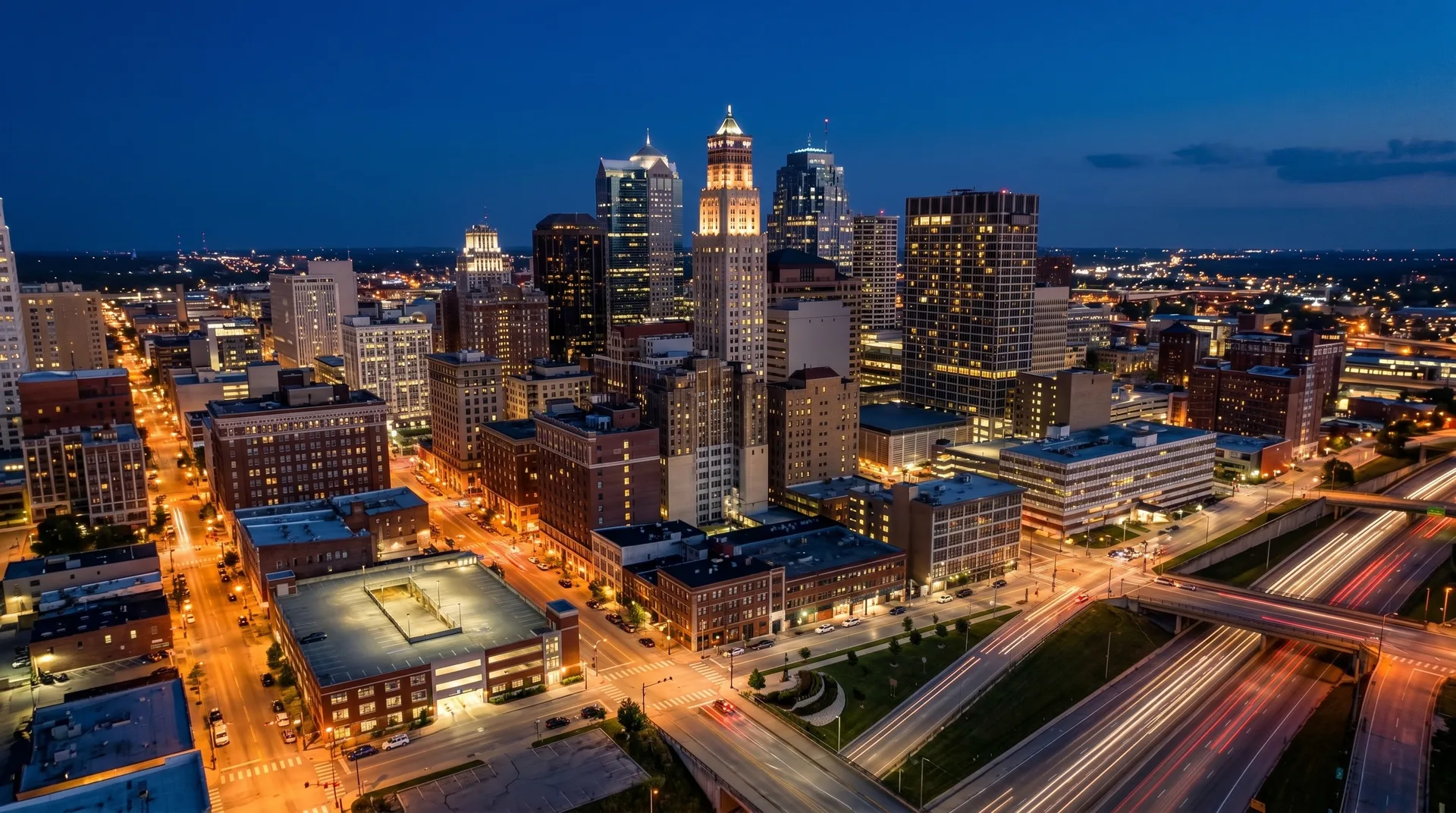
Kansas City
Kansas City stands as a premier logistics hub in the heart of America, strategically positioned at the confluence of major interstate highways including I-70, I-35, and I-29. This central location makes it an ideal origin point for freight distribution across the continental United States. The city boasts one of the largest rail networks in the country, extensive warehousing facilities, and the Kansas City International Airport, creating a multimodal transportation ecosystem that supports diverse shipping needs.
The region's economy is anchored by manufacturing, particularly in automotive, food processing, and industrial equipment sectors. Major companies have established significant operations here, taking advantage of the city's central location for distribution. The availability of skilled logistics professionals, combined with competitive operating costs, has made Kansas City a preferred location for companies seeking to optimize their supply chain operations.
 Destination
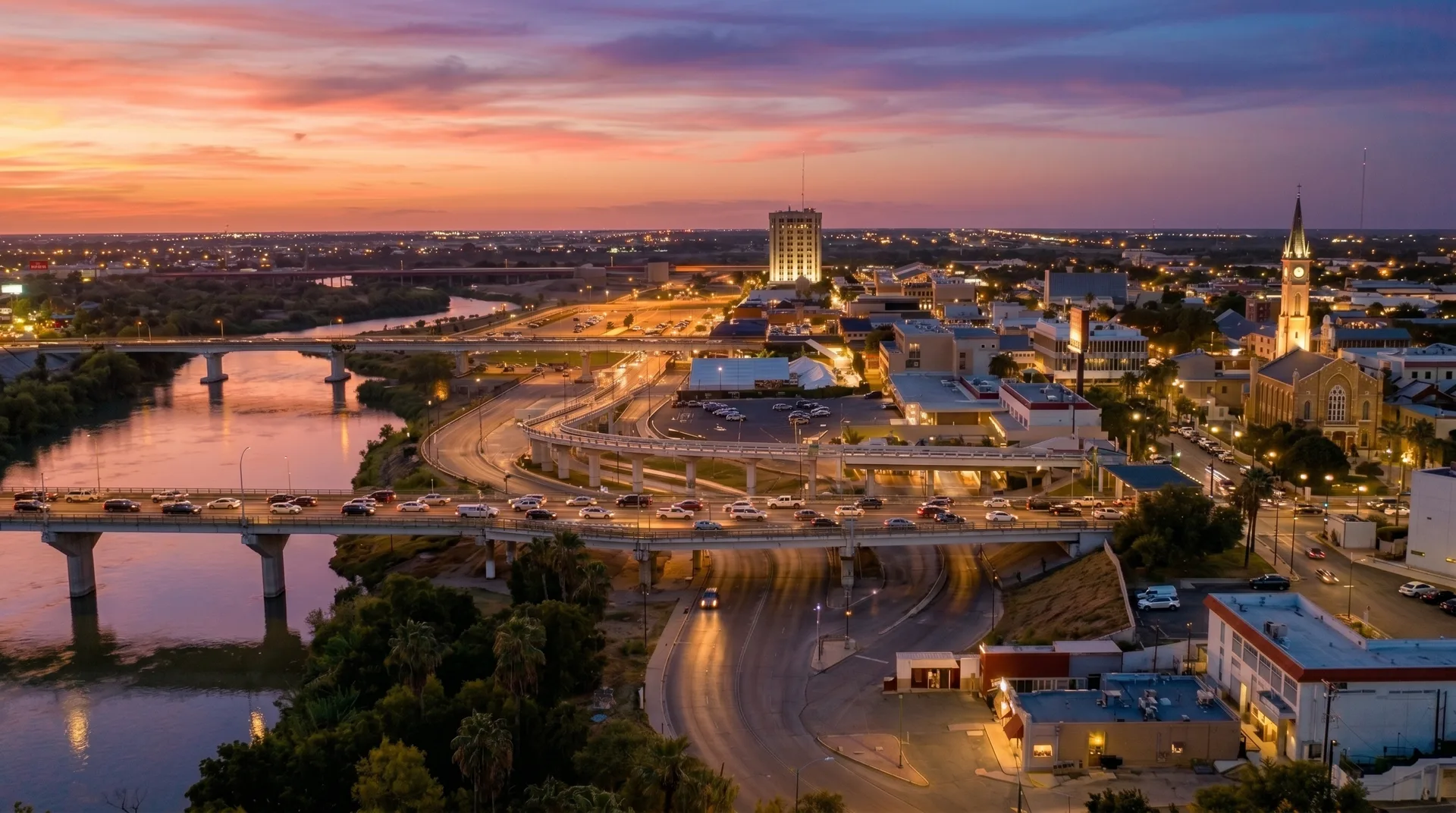
Laredo
Laredo, Texas, serves as the busiest inland port in the United States, handling over $200 billion in annual trade with Mexico. Its strategic location on the U.S.-Mexico border, combined with proximity to major Mexican industrial centers, makes it a critical gateway for international commerce. The city is served by four major interstate highways (I-35, I-69W, State Highway 255, and State Highway 359), providing excellent connectivity to both U.S. and Mexican transportation networks.
The local economy is heavily focused on international trade, warehousing, and logistics services. Laredo's World Trade Bridge is the busiest commercial crossing on the U.S.-Mexico border, processing millions of commercial trucks annually. The presence of numerous freight forwarding companies, customs brokers, and distribution centers creates a comprehensive logistics ecosystem that supports the high volume of cross-border freight movement.










