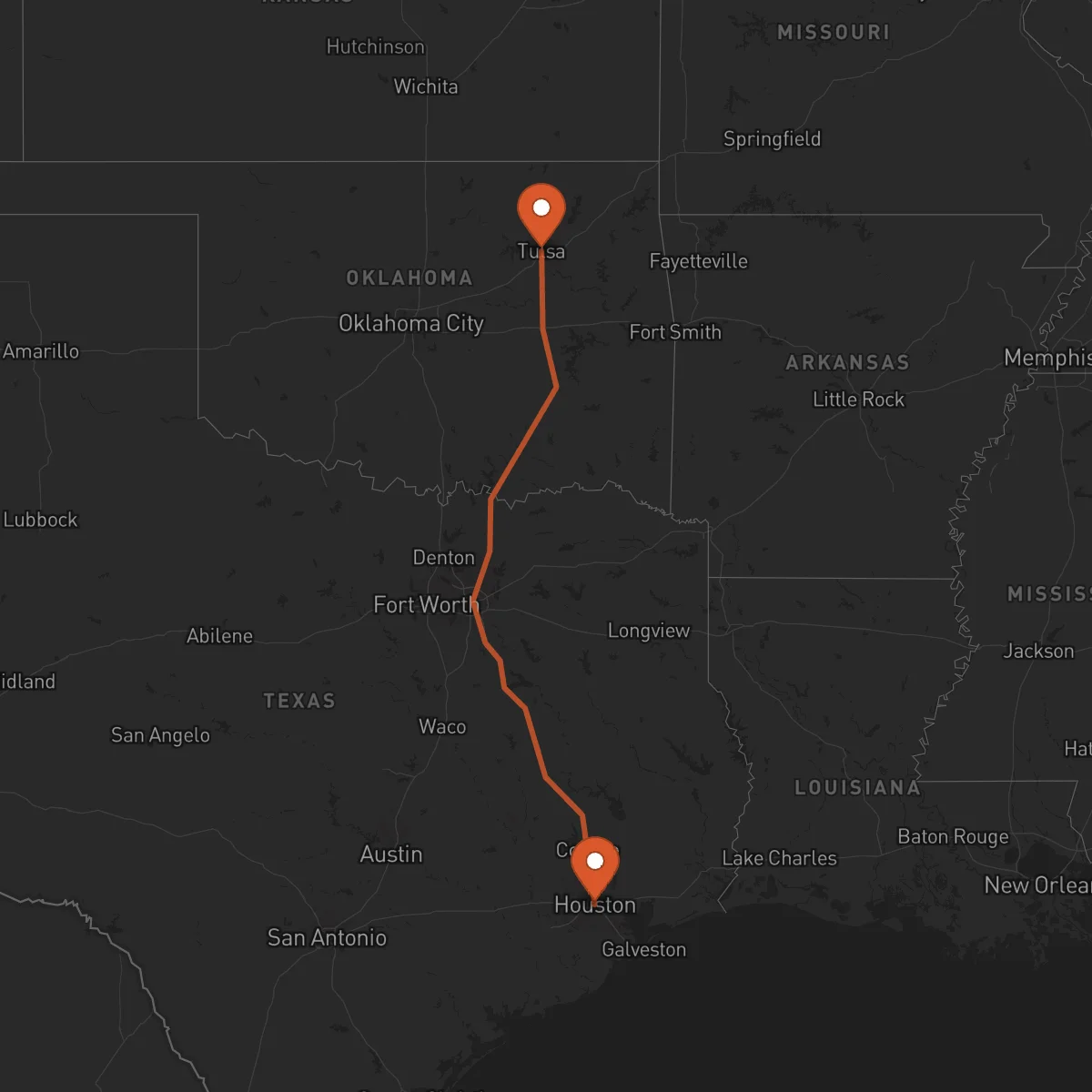
Houston to Tulsa
Tulsa → HoustonFTL freight transportation service between Houston and Tulsa. Reliable logistics solutions for your business.
Route Description
Everything you need to know about the corridor Houston - Tulsa
The Houston to Tulsa corridor represents a vital logistics connection in the southern United States, linking Texas's largest port city with Oklahoma's energy and manufacturing hub. This 713-kilometer route traverses a region rich in industrial diversity, connecting major economic centers through a well-developed transportation network. The corridor facilitates the movement of goods between the Gulf Coast's petrochemical and manufacturing sectors and the Midwest's industrial base, making it a critical artery for domestic freight transportation.
The economic significance of this corridor is underscored by the complementary industrial profiles of both cities. Houston, as a global energy capital, produces and processes vast quantities of petrochemical products, while Tulsa serves as a key distribution point for manufactured goods and energy-related equipment throughout the central United States. The route passes through several important industrial zones and manufacturing centers, enabling efficient distribution of goods across multiple states.
Control Terrestre provides comprehensive FTL (Full Truckload) transportation services along this corridor, utilizing our network of certified carriers to ensure reliable, timely delivery. Our dedicated fleet options and specialized equipment capabilities make us the ideal partner for businesses requiring consistent, high-volume freight movement between these strategic locations. We understand the unique requirements of transporting goods through this corridor and offer customized solutions to meet the specific needs of each shipment.
Services for this Route
Available services for the corridor Houston - Tulsa
 Origin
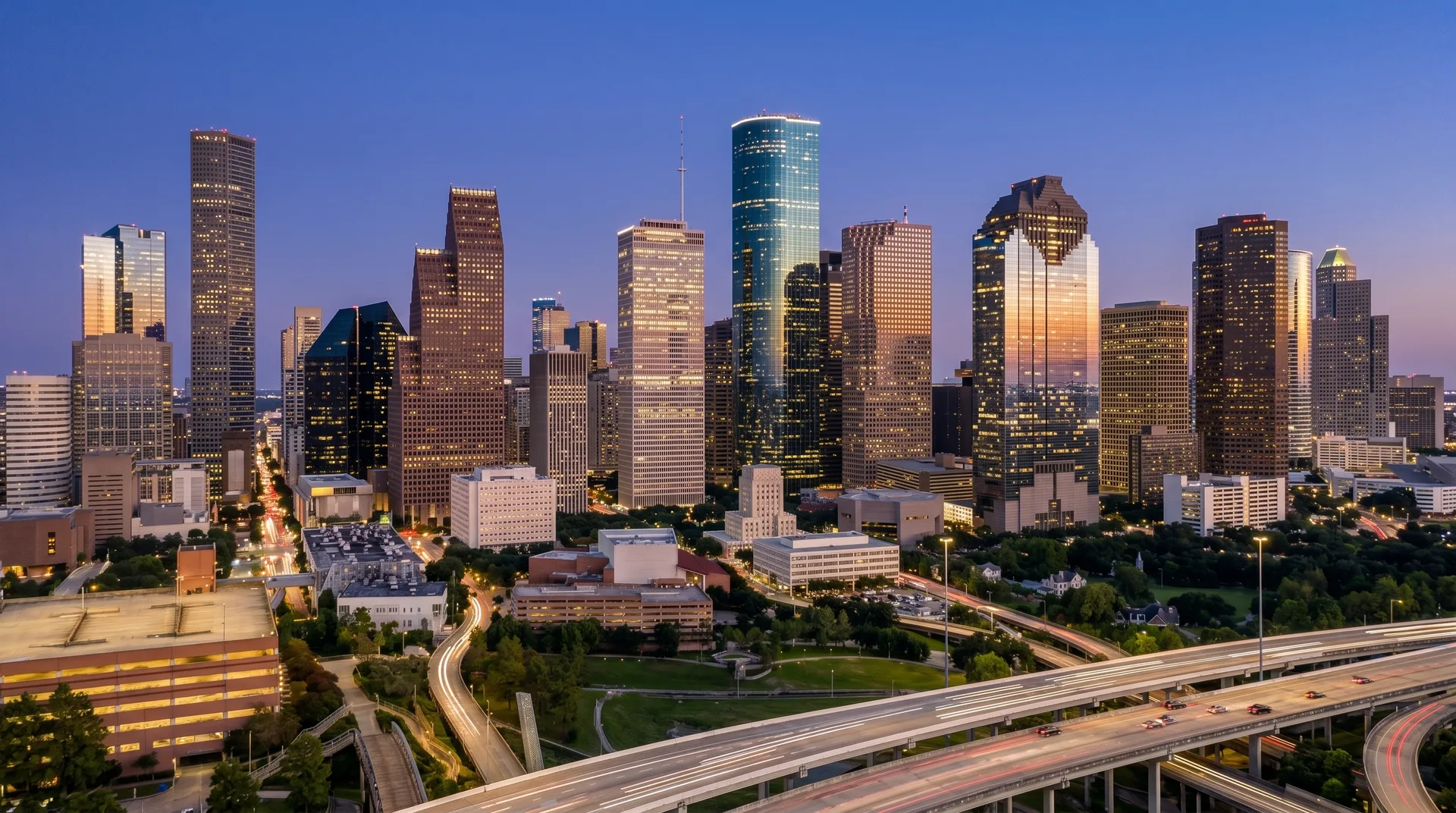
Houston
Houston stands as a premier logistics hub in the United States, strategically positioned near the Gulf of Mexico with access to international shipping routes. The city's Port of Houston ranks among the nation's busiest ports, handling millions of tons of cargo annually. Houston's extensive transportation infrastructure includes three major interstate highways (I-10, I-45, and I-69) that converge in the metropolitan area, providing seamless connections to national freight networks. The city's robust economy is driven by the energy sector, healthcare, aerospace, and manufacturing industries, creating substantial freight transportation demands. Houston's location and infrastructure make it an ideal origin point for domestic freight distribution across the southern and central United States.
 Destination
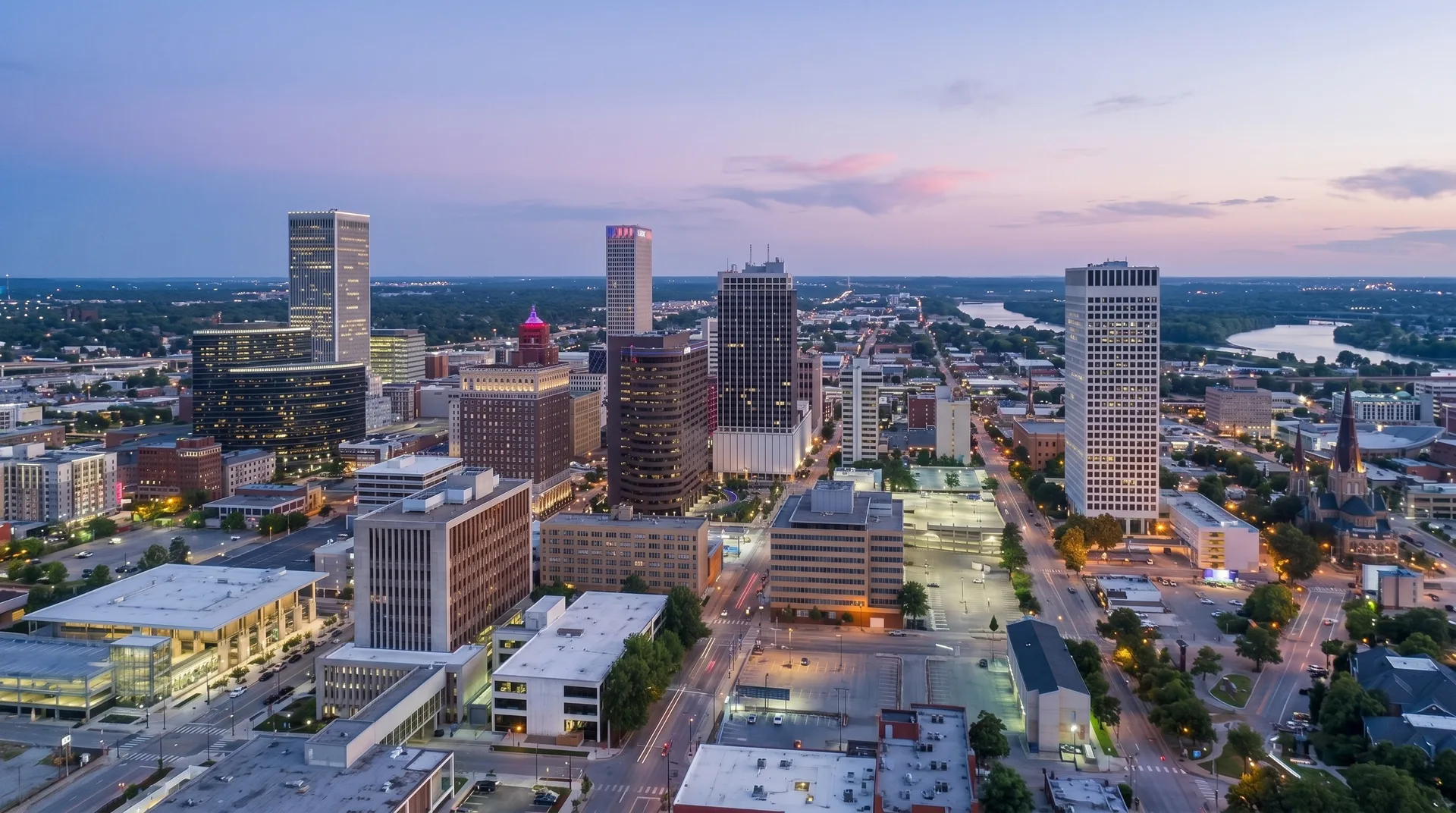
Tulsa
Tulsa serves as a crucial logistics and distribution center in the heart of Oklahoma, offering strategic access to the central United States market. The city's location at the intersection of major interstate highways (I-44 and I-244) provides excellent connectivity to surrounding states. Tulsa's economy has evolved from its historical oil industry roots to encompass aerospace, manufacturing, and technology sectors. The Tulsa Port of Catoosa, located on the McClellan-Kerr Arkansas River Navigation System, extends the city's reach to international markets via water transport. Tulsa's central location makes it an ideal distribution point for freight moving throughout the Midwest and beyond, with excellent rail connections complementing its highway infrastructure.










