Houston to Baltimore
Baltimore → HoustonFTL freight transportation service between Houston and Baltimore. Reliable logistics solutions for your business.
Route Description
Everything you need to know about the corridor Houston - Baltimore
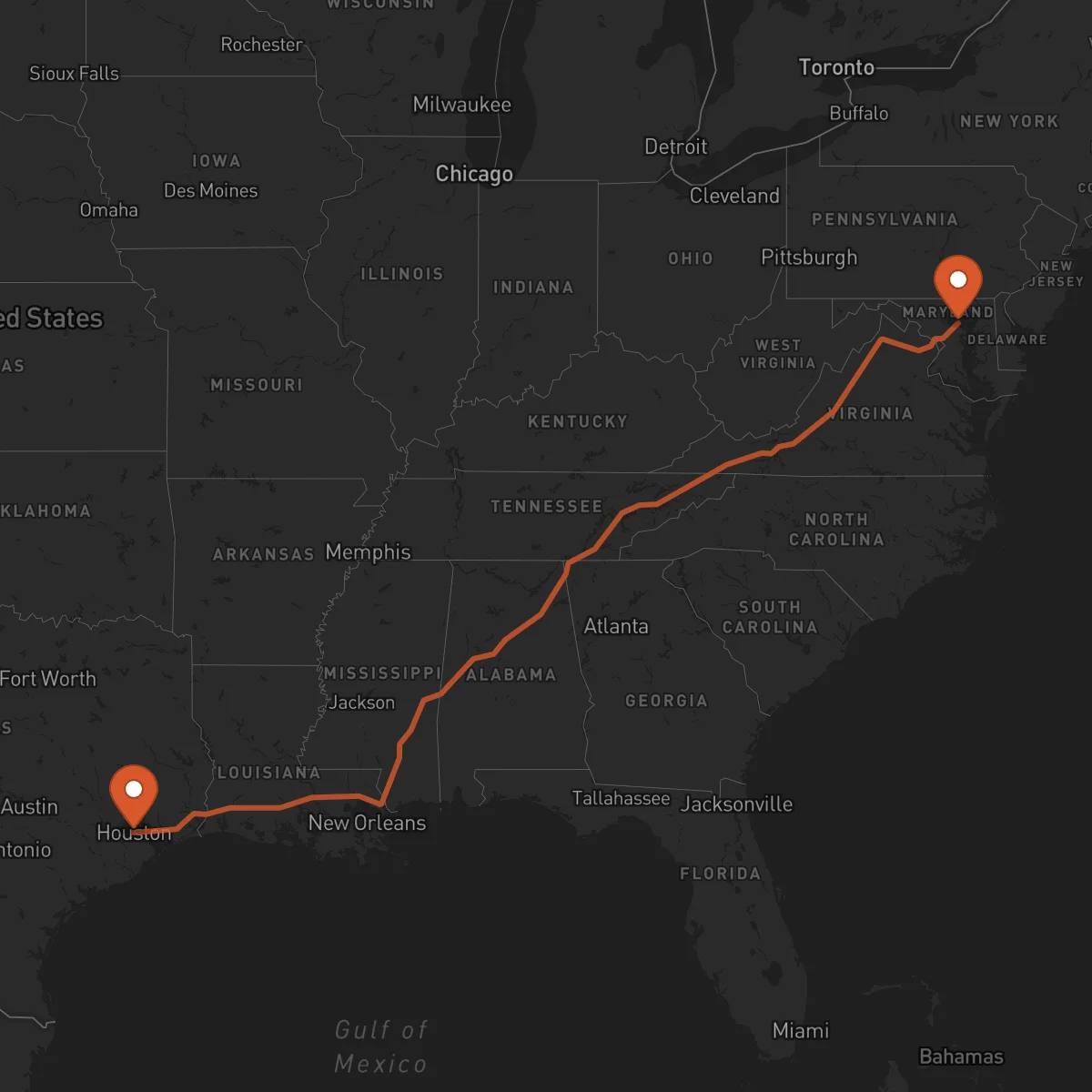
The Houston to Baltimore corridor represents one of the most vital freight transportation routes in the United States, connecting the energy capital of the world with a major East Coast port city. This 2,013-kilometer route traverses diverse landscapes and economic regions, facilitating the movement of goods between Texas and the Mid-Atlantic. The corridor's strategic importance lies in its ability to link the Gulf Coast's industrial powerhouse with the manufacturing and distribution centers of the Northeast, creating a critical supply chain link for numerous industries.
The economic significance of this route cannot be overstated. Houston serves as a global energy hub, home to numerous oil and gas companies, chemical plants, and manufacturing facilities. Meanwhile, Baltimore functions as a major port city and industrial center, with strong pharmaceutical, aerospace, and automotive sectors. This complementary economic relationship drives substantial freight volumes between the two cities, with Houston's energy and petrochemical products flowing to Baltimore's manufacturing and distribution networks.
Transportation infrastructure along this corridor is robust, primarily utilizing major highways such as I-10, I-20, and I-95. These interstate routes provide reliable and efficient transportation options for full truckload shipments. Control Terrestre leverages this infrastructure to offer seamless FTL services, ensuring that cargo moves efficiently between Houston and Baltimore. Our experienced carriers are familiar with the route's nuances, from Houston's industrial complexes to Baltimore's port facilities, allowing us to provide reliable and timely transportation solutions that meet the specific needs of our clients' supply chains.
Services for this Route
Available services for the corridor Houston - Baltimore
 Origin
Houston
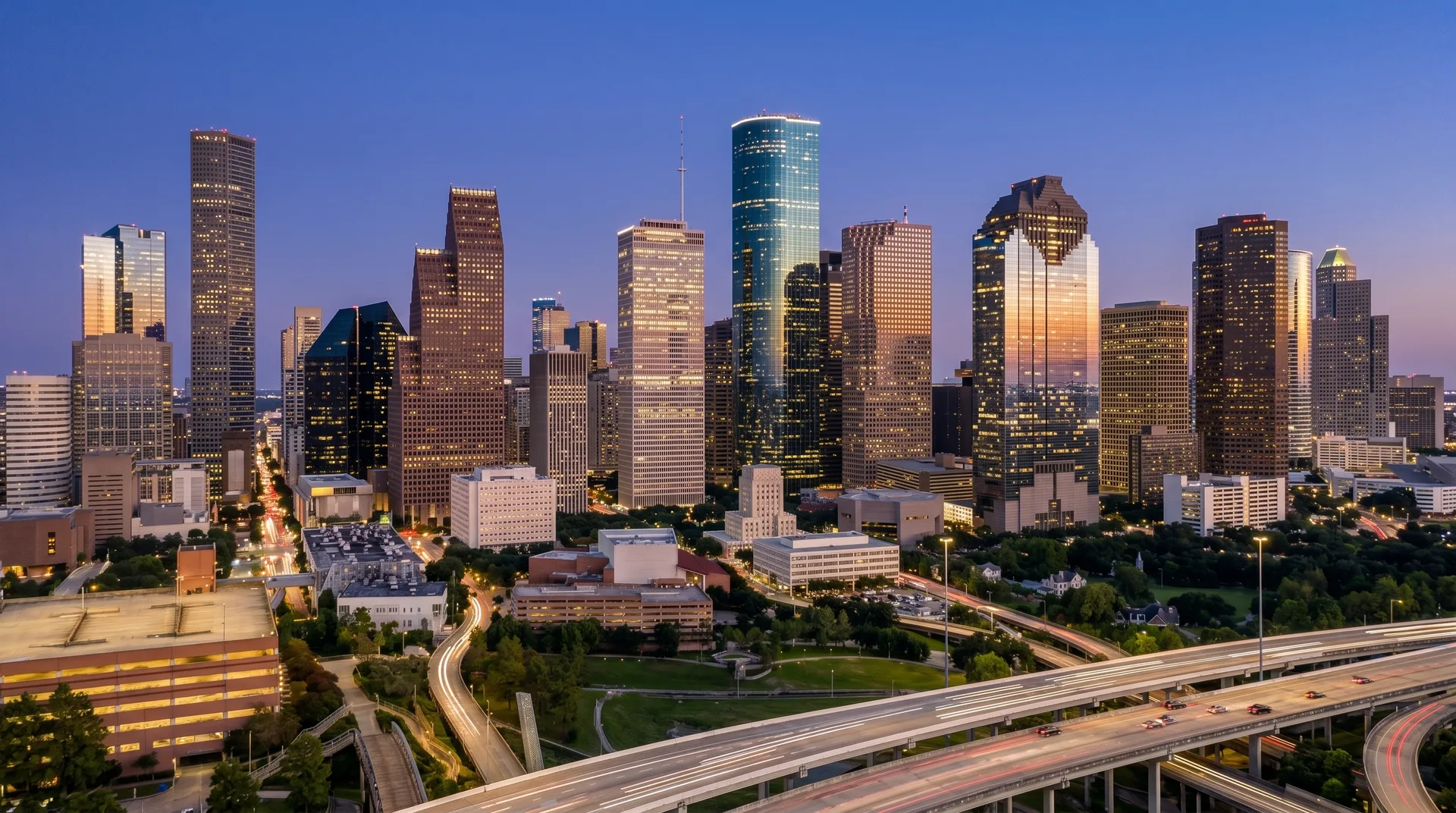
Houston stands as a critical logistics hub in the southern United States, strategically positioned near the Gulf of Mexico and major shipping lanes. The city's location provides easy access to international trade routes, making it a gateway for both imports and exports. Houston's extensive transportation infrastructure includes three major airports, the Port of Houston (one of the busiest ports in the nation), and a comprehensive network of highways and railways. This multimodal connectivity makes Houston an ideal origin point for freight transportation across the country.
The city's economy is dominated by the energy sector, with numerous oil and gas companies headquartered here. Additionally, Houston boasts a strong presence in healthcare, aerospace, manufacturing, and technology industries. The Port of Houston handles millions of tons of cargo annually, supporting the region's petrochemical, agricultural, and manufacturing sectors. This industrial diversity creates substantial demand for freight transportation services, particularly for specialized cargo such as chemicals, machinery, and temperature-sensitive goods.
 Destination
Baltimore
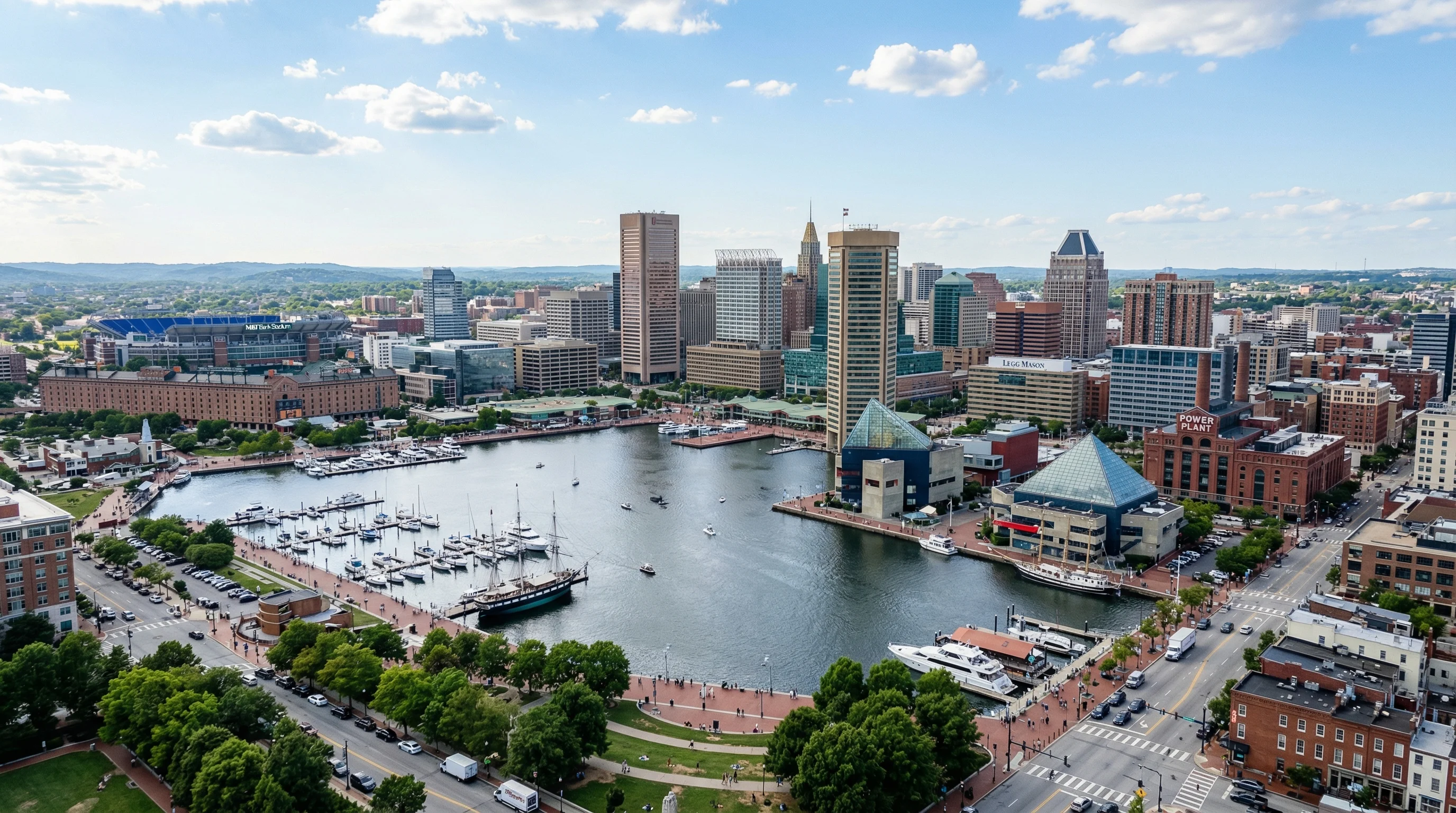
Baltimore serves as a strategic logistics center on the East Coast, offering unique advantages for freight transportation and distribution. The city's location provides access to major East Coast markets, including Washington D.C., Philadelphia, and New York City, all within a few hours' drive. Baltimore's transportation infrastructure is exceptional, featuring the Port of Baltimore, Baltimore/Washington International Airport, and extensive highway connections including I-95, I-83, and I-70. This connectivity makes Baltimore an ideal destination for freight from across the country.
The Baltimore metropolitan area is home to a diverse range of industries, including healthcare, education, finance, and advanced manufacturing. The city has a strong presence in the life sciences sector, with numerous biotech and pharmaceutical companies operating in the region. Baltimore's port is particularly renowned for handling specialized cargo, including automobiles, roll-on/roll-off equipment, and bulk commodities. The city's industrial base creates consistent demand for full truckload services, particularly for time-sensitive and specialized freight moving between Baltimore and other major U.S. markets.










