Greensboro to Fargo
Fargo → GreensboroFTL freight transportation service between Greensboro and Fargo. Reliable logistics solutions for your business.
Route Description
Everything you need to know about the corridor Greensboro - Fargo
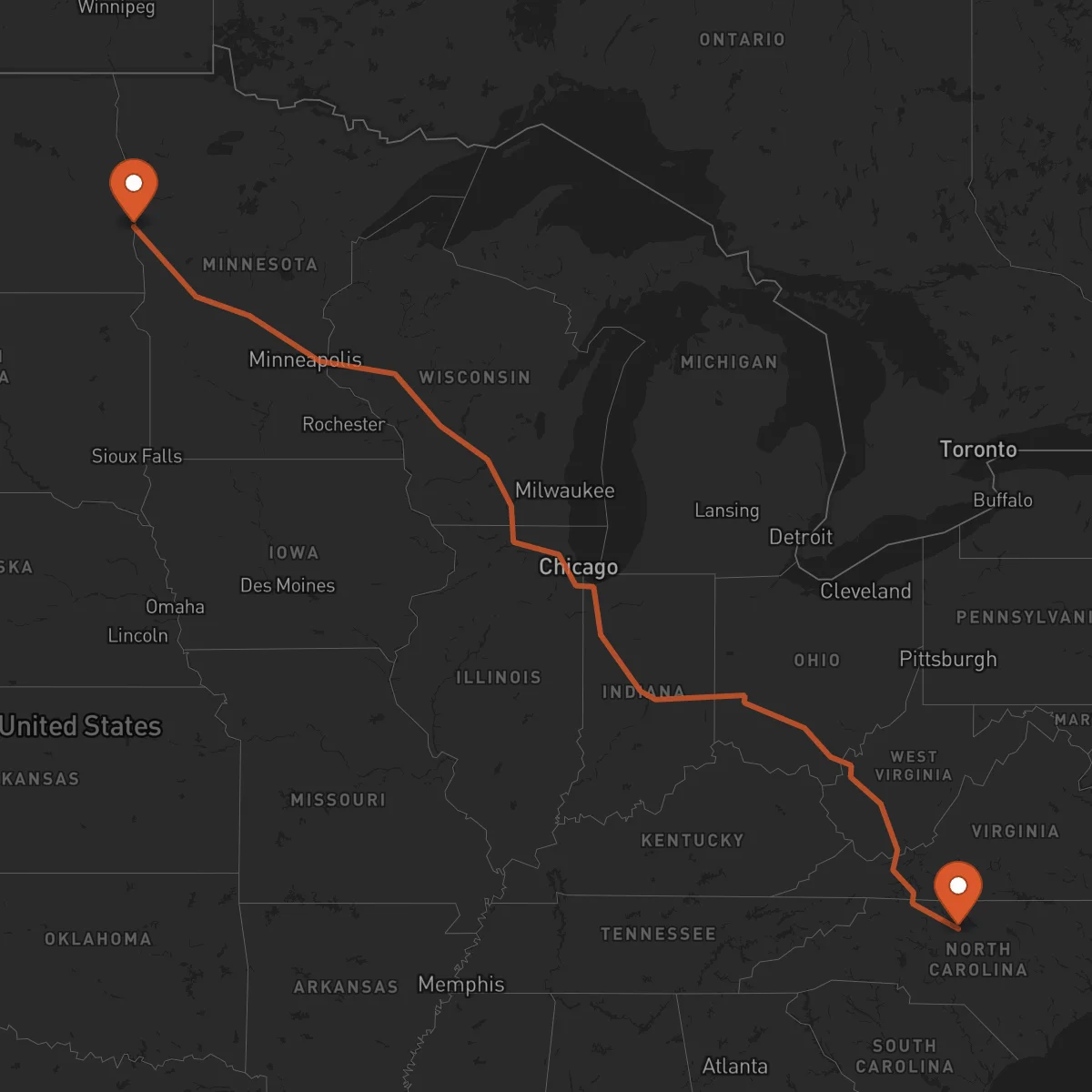
The Greensboro to Fargo corridor represents a vital freight transportation link connecting the manufacturing and logistics hub of North Carolina with the agricultural and energy center of North Dakota. This 1850 km domestic route traverses the heart of the United States, crossing multiple states and connecting diverse economic regions. The corridor serves as a critical supply chain artery for industries requiring efficient movement of goods between the Eastern and Northern regions of the country.
This transportation corridor benefits from a robust industrial ecosystem on both ends. Greensboro, situated in the Piedmont Triad region, serves as a major distribution center with strong manufacturing, logistics, and technology sectors. Fargo, positioned along the Red River, anchors North Dakota's agricultural, energy, and manufacturing industries. The route facilitates the movement of diverse cargo including agricultural products, industrial equipment, consumer goods, and specialized freight between these complementary economic zones.
Control Terrestre provides comprehensive FTL (Full Truckload) services along this corridor, leveraging our network of certified transportation providers. We ensure reliable, timely delivery of your freight with equipment options including 53' dry vans and refrigerated units to meet specific cargo requirements. Our expertise in domestic long-haul transportation, combined with our commitment to safety and efficiency, makes us the ideal partner for companies shipping between Greensboro and Fargo.
Services for this Route
Available services for the corridor Greensboro - Fargo
 Origin
Greensboro
Greensboro, North Carolina serves as a strategic logistics hub in the Southeastern United States. Located in the Piedmont Triad region, it offers excellent connectivity through major highways including I-40, I-85, and I-73, providing direct access to key East Coast markets. The city's central East Coast location enables efficient distribution to major metropolitan areas within a day's drive. Greensboro benefits from proximity to the Port of Virginia and the Port of Charleston, making it an ideal inland distribution center for both domestic and international freight.
The region's economy is diverse and robust, anchored by manufacturing, logistics, healthcare, and technology sectors. Major employers include automotive suppliers, textile manufacturers, and logistics companies that leverage the area's transportation infrastructure. The presence of multiple intermodal facilities and warehousing centers creates a comprehensive logistics ecosystem. Greensboro's educated workforce and business-friendly environment continue to attract companies seeking strategic distribution locations with access to the Eastern U.S. market.
 Destination
Fargo
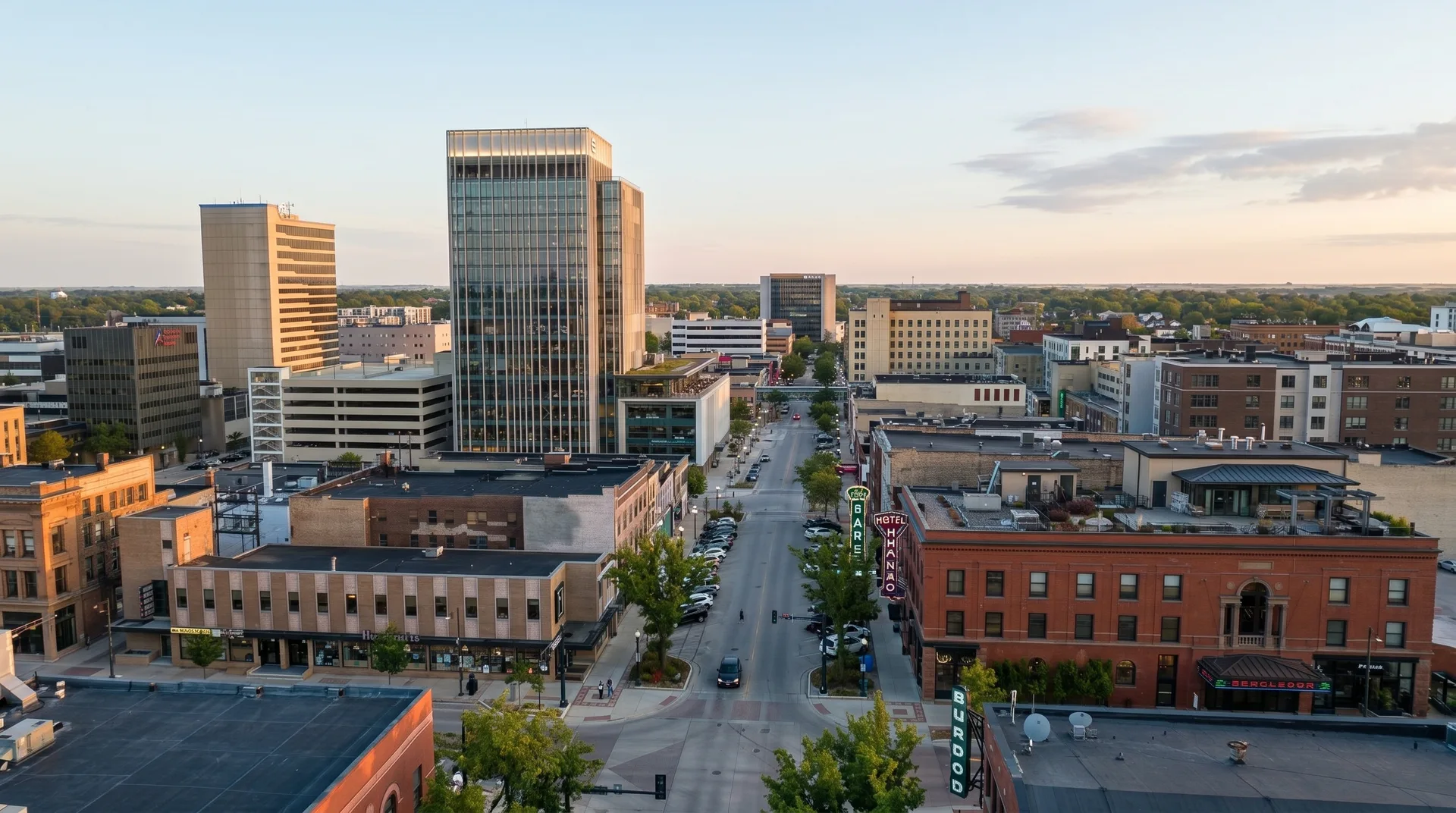
Fargo, North Dakota occupies a strategic position in the Northern Plains, serving as the economic engine for the region. The city's location along the Red River provides access to both U.S. and Canadian markets, while its position in the center of North America makes it a logical distribution point for the Northern Midwest. Major transportation corridors including I-29 and I-94 converge in Fargo, creating excellent highway connectivity for freight movement across the region and beyond.
The Fargo economy is anchored by agriculture, energy, manufacturing, and technology sectors. As North Dakota's largest city, it serves as a distribution center for agricultural products, including grains, soybeans, and processed foods from the surrounding region. The energy sector, particularly oil and natural gas from the Bakken formation, creates significant freight demand for specialized equipment and materials. Fargo's growing technology sector and healthcare industry also contribute to diverse freight transportation needs, requiring reliable logistics partners to support their supply chains.










