Fargo to Columbus
Columbus → FargoFTL freight transportation service between Fargo and Columbus. Reliable logistics solutions for your business.
Route Description
Everything you need to know about the corridor Fargo - Columbus
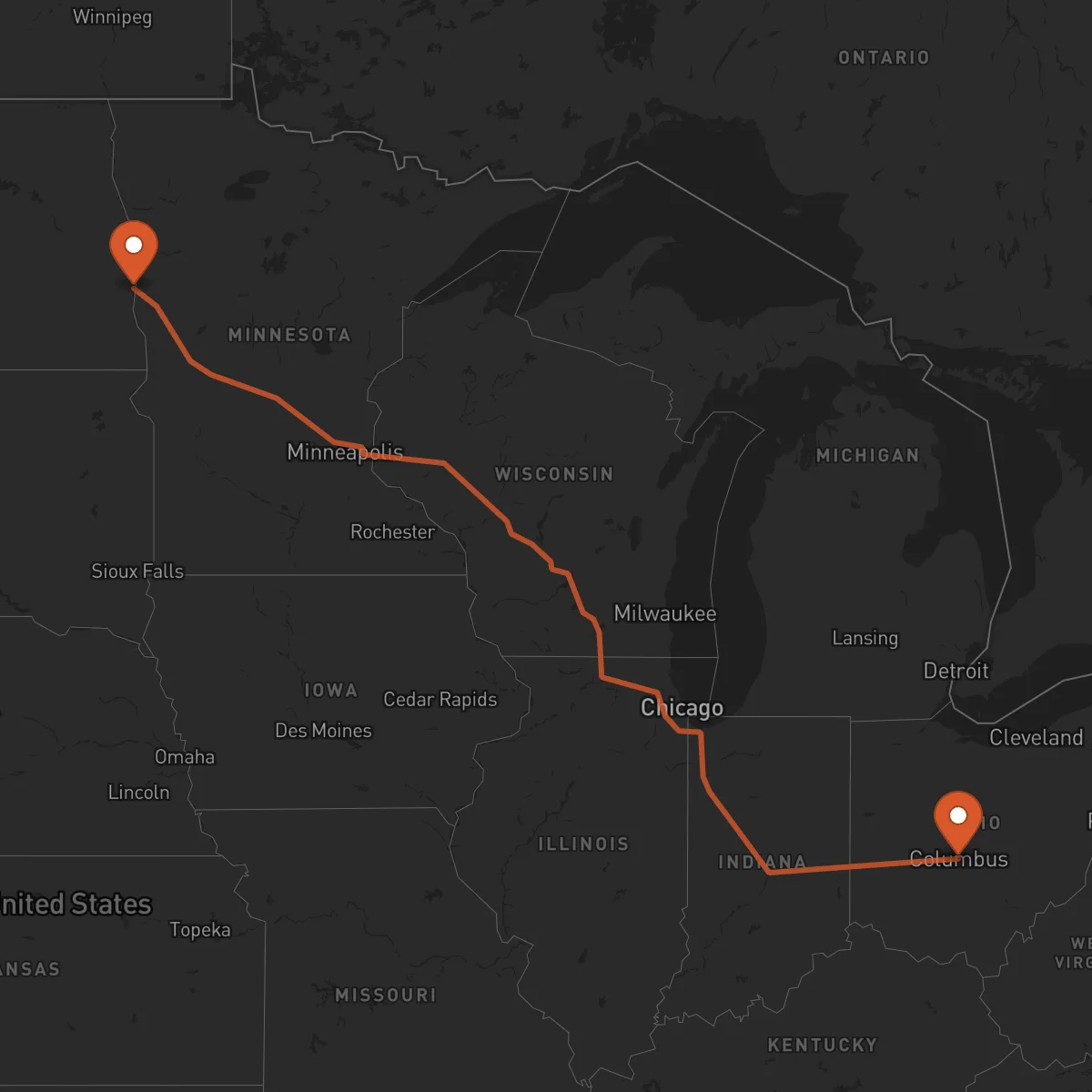
The logistics corridor between Fargo, North Dakota, and Columbus, Ohio, represents a vital domestic freight route connecting the Upper Midwest with the Midwest industrial hub. This approximately 1,350 km corridor traverses diverse terrain and crosses multiple state lines, facilitating the movement of goods between two strategically important economic regions. The route serves as a crucial link in the North American supply chain, connecting agricultural and manufacturing outputs from the northern plains with distribution centers and manufacturing facilities in the Midwest.
The corridor's significance is underscored by its role in supporting major industries including agriculture, manufacturing, and retail distribution. Fargo, situated in North Dakota's fertile Red River Valley, serves as a gateway for agricultural products, while Columbus functions as a major logistics and manufacturing center with its central location in the Midwest. The route passes through key states including Minnesota, Wisconsin, and Indiana, intersecting with major freight networks that connect to both coasts and Canada.
Control Terrestre specializes in optimizing freight movements along this corridor through our network of certified transportation providers. Our dedicated FTL services ensure that cargo moves efficiently and securely between Fargo and Columbus, leveraging our expertise in cross-state logistics and our commitment to on-time delivery. We understand the unique challenges of this route, including varying weather conditions and regulatory requirements across state lines, and have developed specialized solutions to address these factors.
Services for this Route
Available services for the corridor Fargo - Columbus
 Origin
Fargo
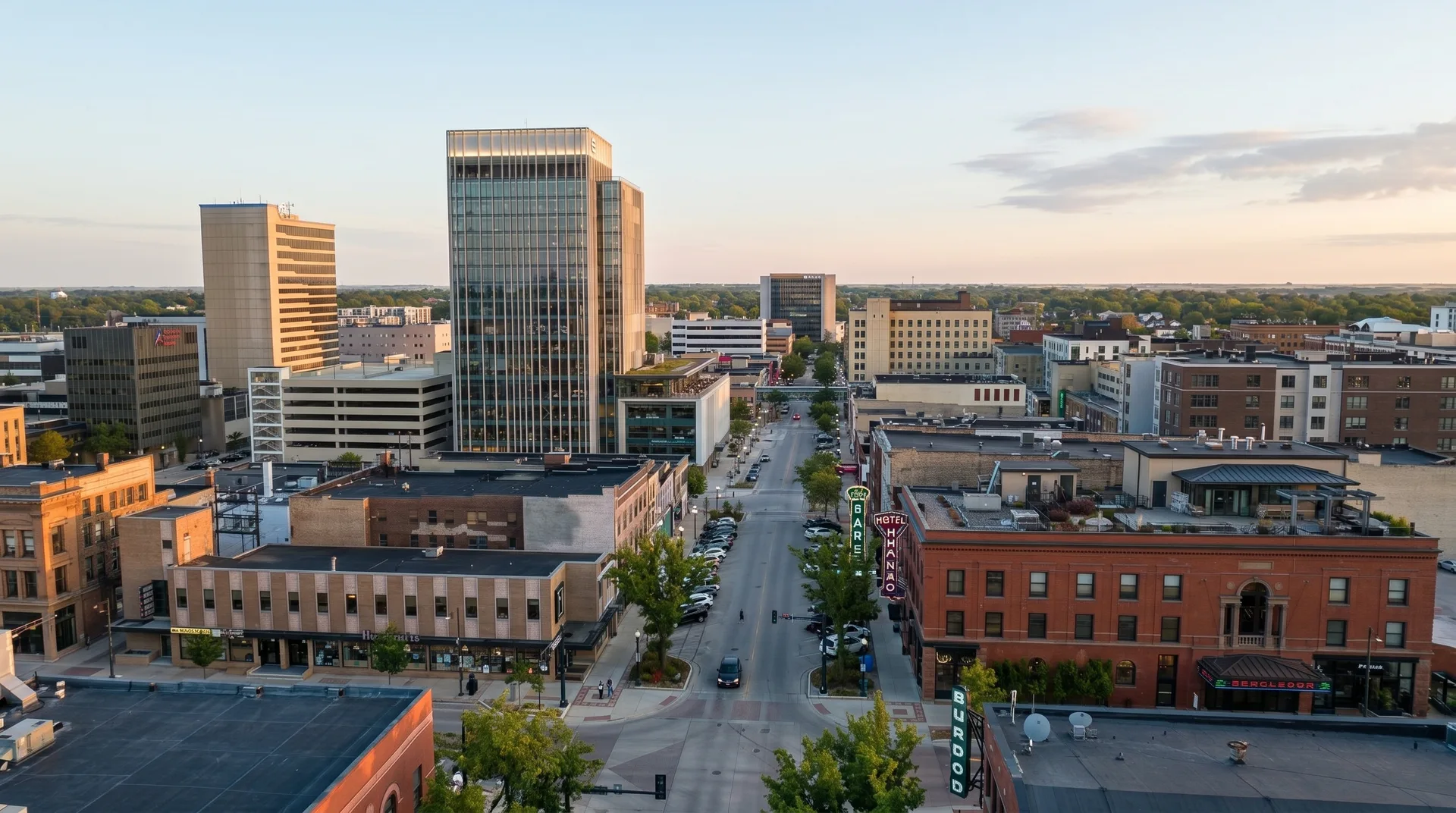
Fargo, North Dakota, serves as a strategic logistics hub in the Upper Midwest, positioned at the crossroads of major transportation networks. Located in the Red River Valley, Fargo benefits from its proximity to the Canadian border and its connection to both east-west and north-south freight corridors. The city's location provides access to major highways including I-29 and I-94, facilitating efficient distribution throughout the region and beyond.
The economic landscape of Fargo is characterized by a diverse mix of industries, with agriculture playing a central role. The region is known for its grain production, food processing, and agricultural equipment manufacturing. Additionally, Fargo has developed a strong presence in technology, healthcare, and manufacturing sectors. The city's transportation infrastructure includes Hector International Airport, extensive rail connections through BNSF Railway, and a robust network of trucking companies that serve the broader region.
 Destination
Columbus
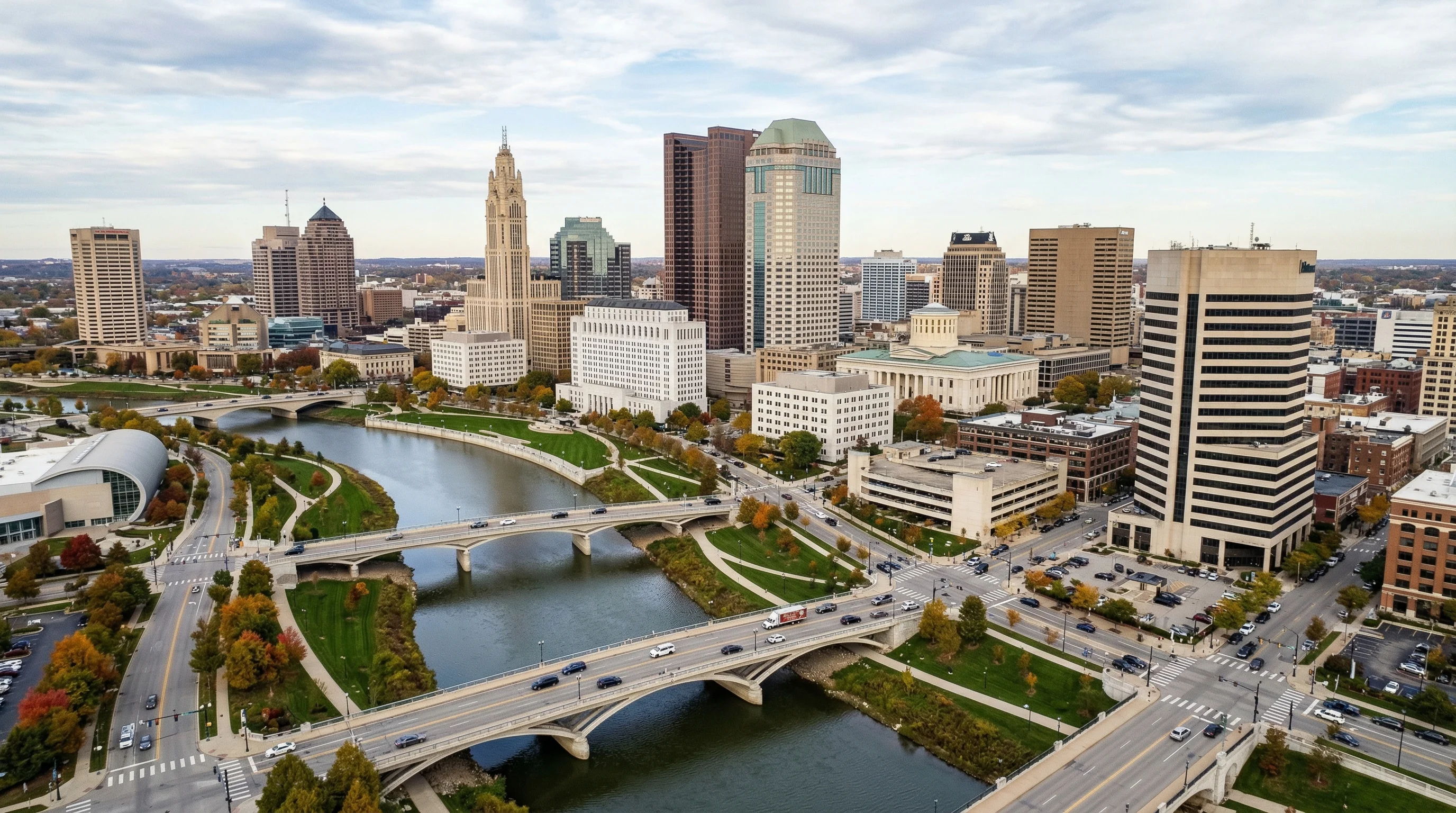
Columbus, Ohio, stands as a major logistics and distribution center in the Midwest, strategically positioned to serve both the eastern and central United States. The city's central location, combined with its extensive transportation infrastructure, makes it an ideal hub for freight movement and distribution operations. Columbus is served by major interstate highways including I-70, I-71, and I-270, providing excellent connectivity to surrounding regions.
The Columbus metropolitan area is home to a diverse economic base, with significant presence in logistics, manufacturing, healthcare, and technology sectors. The region hosts numerous distribution centers and warehouses, taking advantage of its central location for efficient distribution across the country. The city's transportation infrastructure includes Port Columbus International Airport, extensive rail connections through CSX and Norfolk Southern, and a well-developed network of trucking routes. Columbus's strategic position and robust infrastructure make it an ideal destination for freight movements from across the country.










